Here’s how ocean acidification threatens one of Whatcom County’s oldest industries
READ MORE
Climate change impacts in Whatcom County
The Bellingham Herald explores the threats, causes and impacts of climate change in Whatcom County, Wash. Reporters Warren Sterling and Robert Mittendorf also offer a look at what’s being done now to combat climate change and offer tips on what you can do to help.
Expand All
This is one in a series of Bellingham Herald stories looking at climate change impacts and solutions in Whatcom County.
The threat: Increased ocean acidity threatens Whatcom County’s seafood production and coastal recreation jobs.
The cause: As oceans absorb atmospheric carbon dioxide from burning fossil fuels, the chemistry of the water changes and acidity increases, according to a 2012 report by the National Ocean and Atmospheric Administration.
Seasonal upwelling, which brings deep water with high acidity to shallower waters, is common in the bays stretching from Bellingham to Blaine and could make local water especially vulnerable to the negative impacts of ocean acidification.
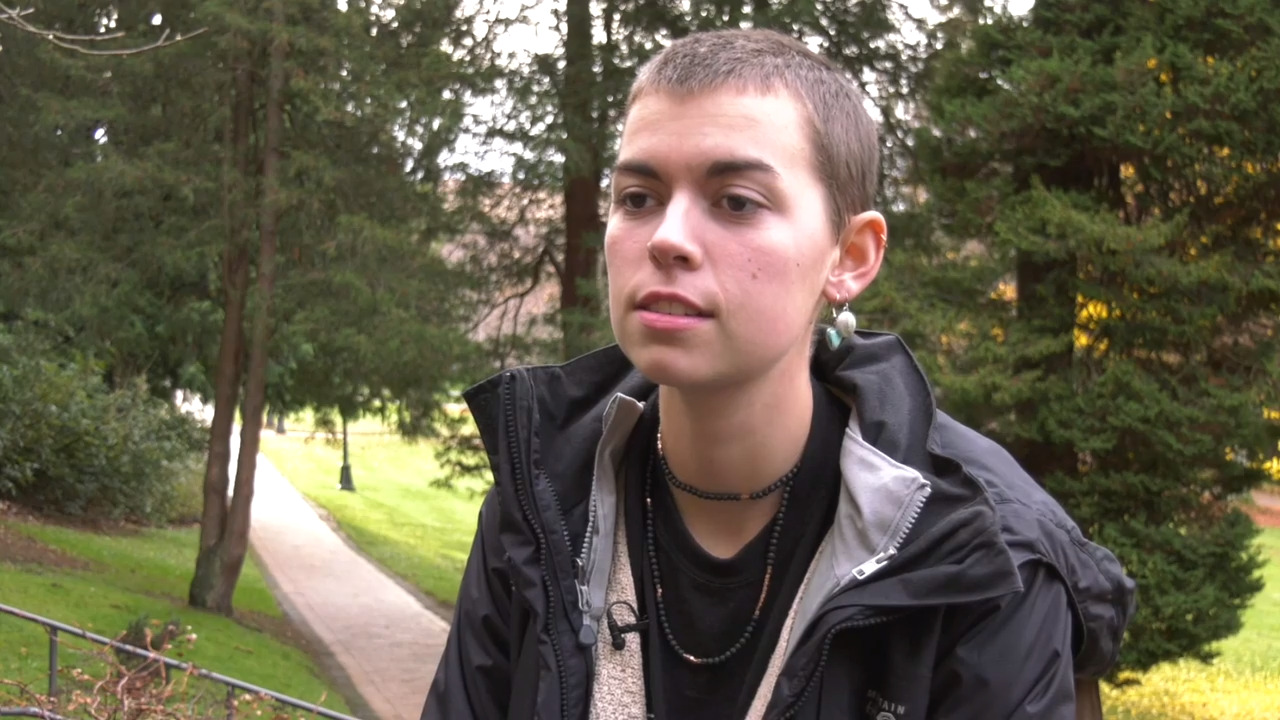
Impact now: An increase in acidity has shown to hurt some shellfish species, such as those found in Whatcom County, according to Brooke Love, who holds a doctorate in chemical oceanography and is an associate professor at Western Washington University.
“If you like to eat seafood, as many of us do, (acidification) threatens all seafood,” Love said.
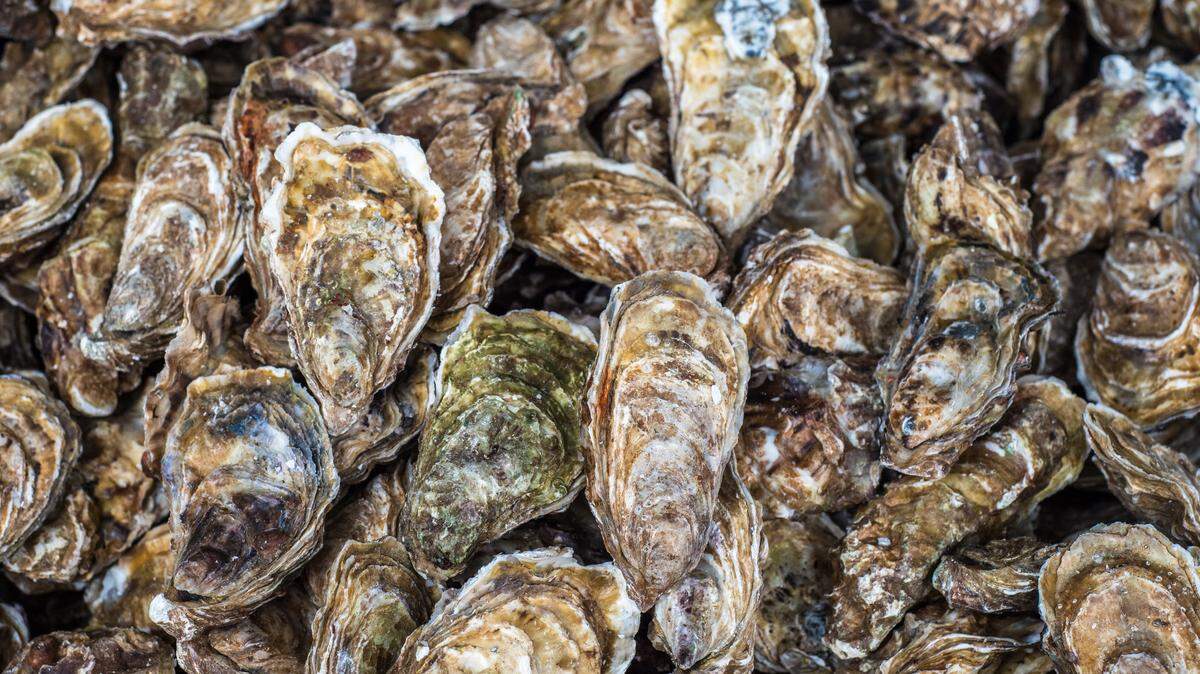
Ocean acidification threatens shellfish because an increase in acidity means less carbonate, the mineral used by mussels, oysters and other shellfish to build their shells.
Shellfish harvest
The harvest of Pacific geoduck, oyster, Manila clams and mussels is valued at $118.9 million statewide, according to the 2017 Washington State Maritime Sector Economic Impact Study.
Shellfish play an important role as the “vacuum cleaners” of the ocean. They eat plankton and zooplankton, which can cause water to become overly cloudy, making it difficult for larger vegetation, such as eelgrass, to grow.
What’s being done now: Whatcom governments and businesses are looking to reduce carbon emissions while developing the economy in new ways. For instance, the Port of Bellingham and Western Washington University have partnered in planning the Innovation Park for downtown Bellingham’s Waterfront District.
BEHIND THE STORY
MOREHow we did this series on climate change impacts in Bellingham and Whatcom County
Reporters Robert Mittendorf and Warren Sterling spent three months researching climate change’s impacts on Whatcom County residents for this series of a dozen stories in anticipation of Bellingham and Whatcom County focusing on climate change in early 2020.
They talked to experts about how climate change is manifesting in Whatcom County, what is being done locally about those impacts and what residents can do on their own to help.
Why we wrote this series on local climate change impacts now
Bellingham City Council members voted Dec. 9 to create a permanent council Climate Action Committee and will begin discussing the Bellingham Climate Action Plan Task Force’s recommendations at their Jan. 13, 2020, meeting.
The Whatcom County Climate Impact Advisory Committee expects to update the County Council in summer 2020 about its review of the Whatcom County 2007 Climate Protection and Energy Plan. The advisory committee has been meeting since March 2018 after the county’s 2016 Comprehensive Plan update included climate impacts and created the committee. Cascadia Consulting of Seattle was contracted to provide the committee with a greenhouse emissions update, a current science summary and vulnerability assessments of water, ecosystem, development and transportation infrastructure in early 2020.
What questions do you have about local climate change impacts?
Please send questions and future coverage suggestions to newsroom@bellinghamherald.com.
The business park would focus on “renewable energy research and development, including electrification of land and marine-based transportation systems, energy grid security, and other research and innovations...”
Elsewhere, Taylor Shellfish is combating ocean acidification at its oyster seed hatcheries throughout the state.
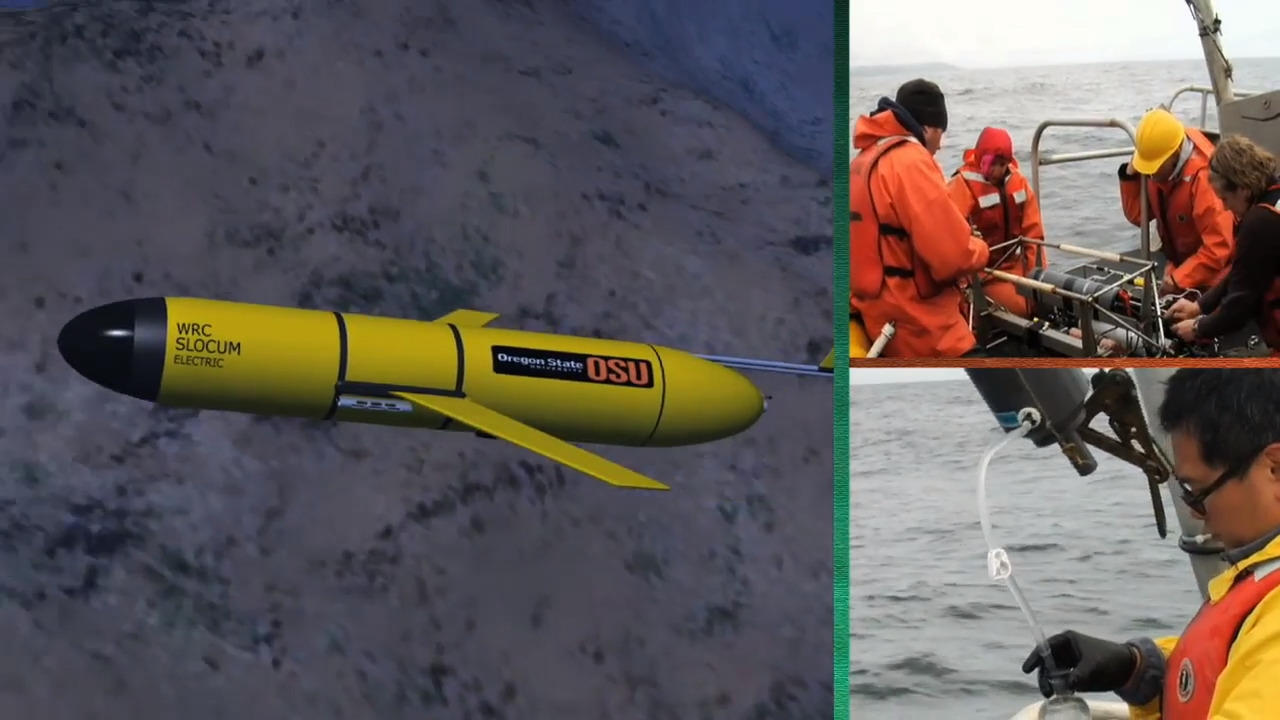
The company is now gathering real-time information about the acidity of the water where its seeds are growing. They have also relied on hatcheries in Hawaii to offset some of the losses of productivity in Washington, according to Bill Dewey, director of public affairs.
What you can do now: Reducing your energy consumption, particularly that produced by burning fossil fuels, may be the best way to help reduce ocean acidification.
Bellingham’s “I’m in” pledge to lower emissions suggests you shift transportation modes, make your home more energy-efficient and switch to renewable energy.
Environmentally-conscious gardening practices can reduce the severity of algal blooms that lead to increased ocean acidity. Bellingham recommends urban gardeners use fertilizers without phosphorus, use wood-based mulches and avoid removing topsoil.
Tomorrow: Ocean dead zones.
This story was originally published December 15, 2019 at 5:00 AM with the headline "Here’s how ocean acidification threatens one of Whatcom County’s oldest industries."