Forty percent of Washington’s residents may be at-risk because of wildfires
READ MORE
Climate change impacts in Whatcom County
The Bellingham Herald explores the threats, causes and impacts of climate change in Whatcom County, Wash. Reporters Warren Sterling and Robert Mittendorf also offer a look at what’s being done now to combat climate change and offer tips on what you can do to help.
Expand All
This is one in a series of Bellingham Herald stories looking at climate change impacts and solutions in Whatcom County.
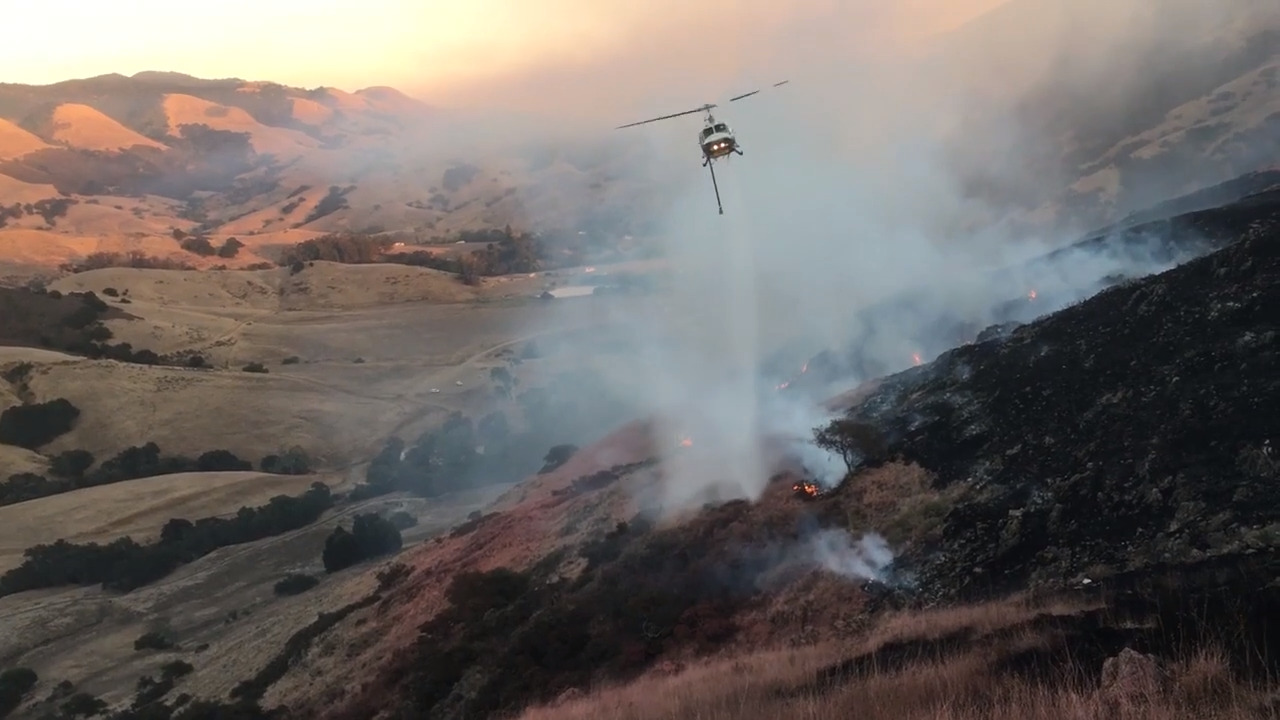
The threat: The increased frequency and severity of wildfires harms peoples’ health and costs more to fight. Also, smoke is harming outdoor recreation and tourism.
The cause: Rising regional temperatures; changes in rain and snow, longer dry periods and reduced soil moisture have increased the likelihood of major wildfires west of the Cascades, according to Brian Harvey, an Assistant Professor in the School of Environmental and Forest Sciences
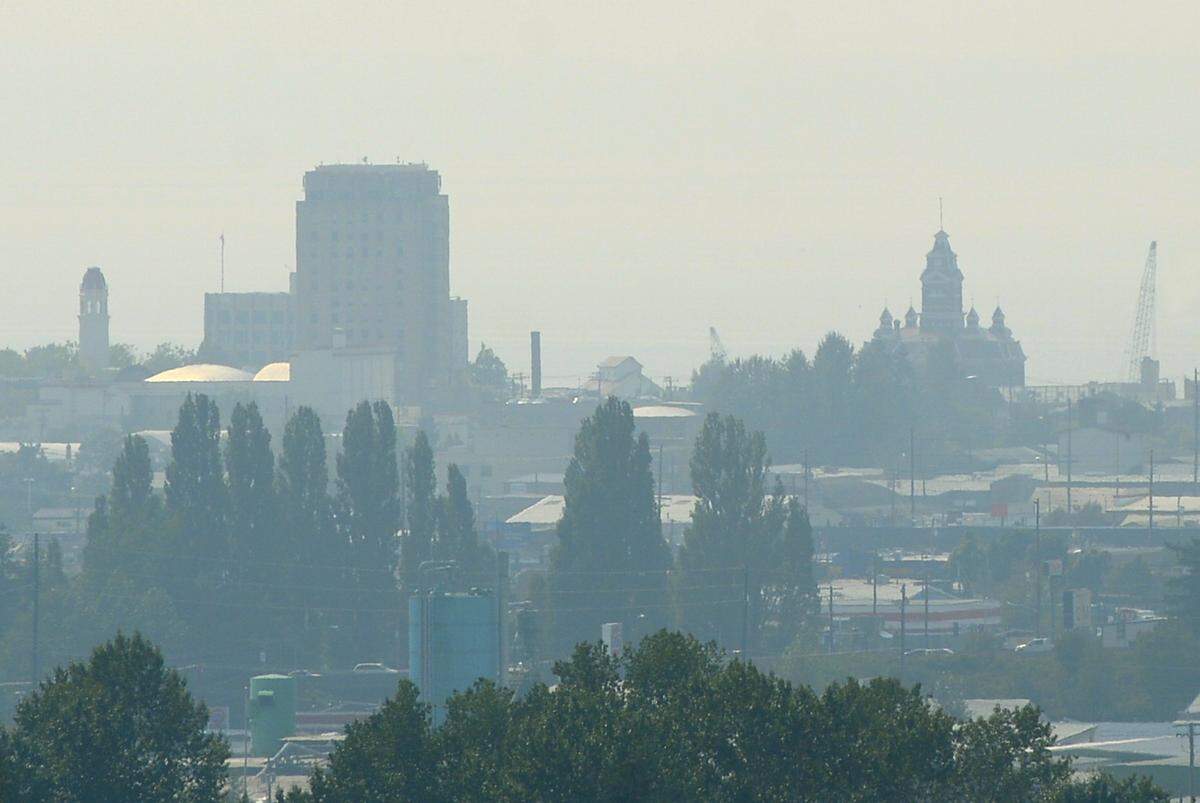
Impact now: In August 2018, Whatcom County was inundated with a smoky haze for several days. During that period, the Bellingham air monitoring station deemed air quality “unhealthy” in the region.
Health, economy impacts
People under 18, over 65, who are pregnant or have preexisting heart or breathing issues are more vulnerable to the negative impacts of breathing smoky air. According to the Washington State Department of Health, these at-risk groups make up 40 percent of the state’s population.
Between 2010 and 2016, the Department of Natural Resources spent $369 million suppressing fire on forest lands, and the State Fire Marshall spent $65 million dollars, according to a 2017 report from Washington Joint Legislative Audit and Review Committee.
What’s being done: The Washington State Department of Ecology uses air monitors positioned throughout the state to track air quality in real-time. Ecology displays air quality measurements on their website so people concerned about air quality can know if it’s safe for them to spend time outdoors.
The Department of Natural Resources has developed a 20-year plan to improve the health of Washington’s forests. The plan includes prescribed burning and thinning of forests with the goal of returning them to a natural, more resilient state.
BEHIND THE STORY
MOREHow we did this series on climate change impacts in Bellingham and Whatcom County
Reporters Robert Mittendorf and Warren Sterling spent three months researching climate change’s impacts on Whatcom County residents for this series of a dozen stories in anticipation of Bellingham and Whatcom County focusing on climate change in early 2020.
They talked to experts about how climate change is manifesting in Whatcom County, what is being done locally about those impacts and what residents can do on their own to help.
Why we wrote this series on local climate change impacts now
Bellingham City Council members voted Dec. 9 to create a permanent council Climate Action Committee and will begin discussing the Bellingham Climate Action Plan Task Force’s recommendations at their Jan. 13, 2020, meeting.
The Whatcom County Climate Impact Advisory Committee expects to update the County Council in summer 2020 about its review of the Whatcom County 2007 Climate Protection and Energy Plan. The advisory committee has been meeting since March 2018 after the county’s 2016 Comprehensive Plan update included climate impacts and created the committee. Cascadia Consulting of Seattle was contracted to provide the committee with a greenhouse emissions update, a current science summary and vulnerability assessments of water, ecosystem, development and transportation infrastructure in early 2020.
What questions do you have about local climate change impacts?
Please send questions and future coverage suggestions to newsroom@bellinghamherald.com.
What you can do: According to Ecology, more than 80 percent of wildfires in the U.S. are caused by people and offers a list of ways to avoid igniting a wildfire. Some things listed were: don’t park hot vehicles on grass, make sure trailer chains don’t drag on the ground, clear your yard of flammable waste and adhere to burn bans.
During periods of poor air quality, it is best to stay indoors with windows and doors kept closed, according to the National Weather Service. Air quality can be monitored here.
Tomorrow: Fossil fuels