Endangered Puget Sound orca recovery depends on efforts to save salmon and the habitat
READ MORE
Climate change impacts in Whatcom County
The Bellingham Herald explores the threats, causes and impacts of climate change in Whatcom County, Wash. Reporters Warren Sterling and Robert Mittendorf also offer a look at what’s being done now to combat climate change and offer tips on what you can do to help.
Expand All
This is one in a series of Bellingham Herald stories looking at climate change impacts and solutions in Whatcom County.
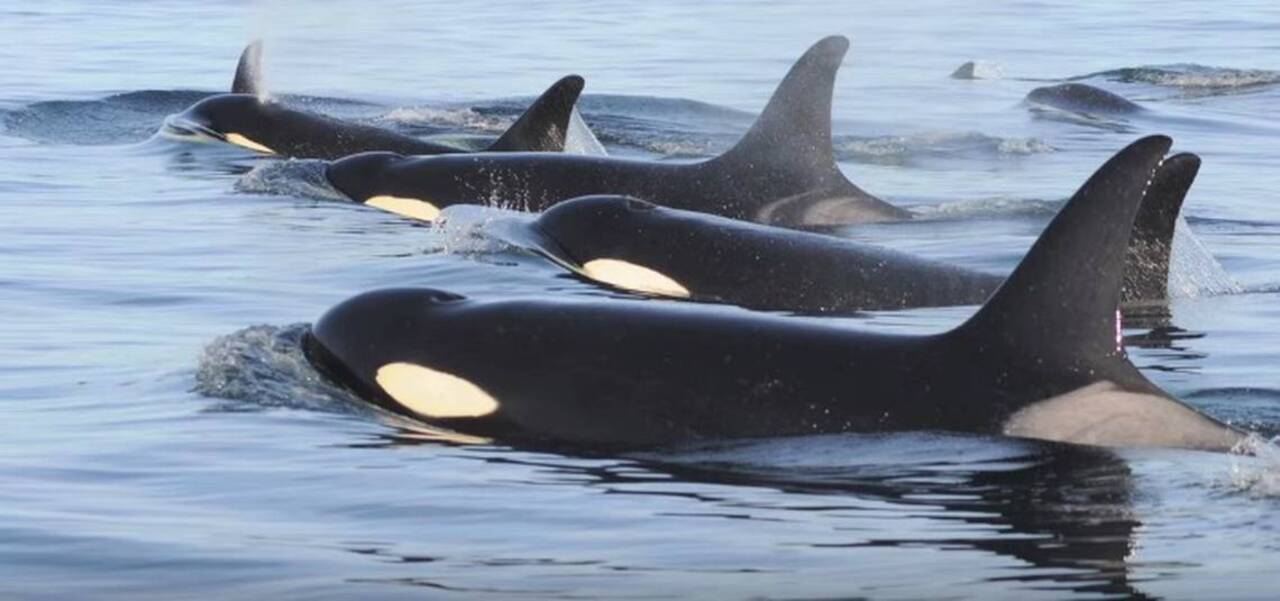
The threat: Orca are the spiritual relative of native tribes and icon of the Northwest. They are also key to a tourism industry that was worth at least $65-$70 million in 2001, according to the Southern Resident Killer Whale Chinook Salmon Initiative.
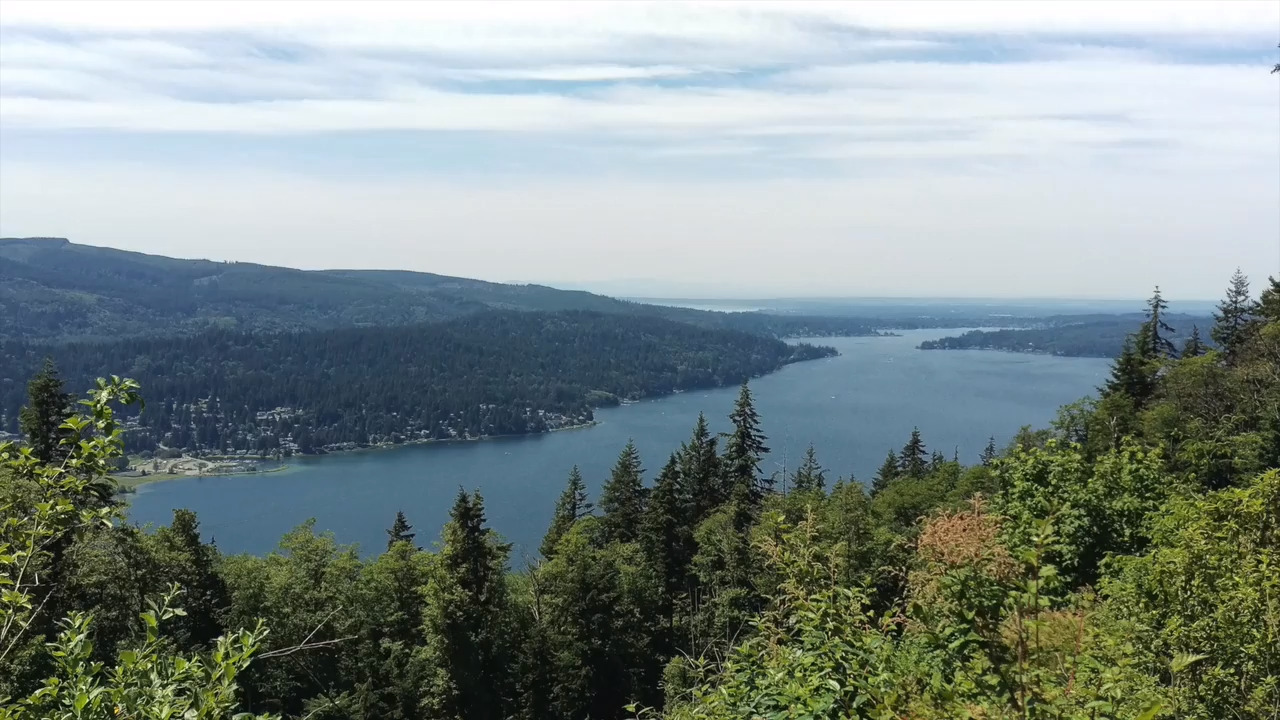
Southern resident orca, the killer whales that call the Salish Sea their home, are an endangered species in both the U.S. and Canada. They are different, genetically and in other ways, from so-called transient orca, according to the Marine Mammal Commission.
The cause: Main threats are lack of food, toxic pollution and vessel traffic — which also causes noise pollution and can interfere with their use of echolocation to find the fish they eat, especially salmon, according to the Endangered Species Coalition.
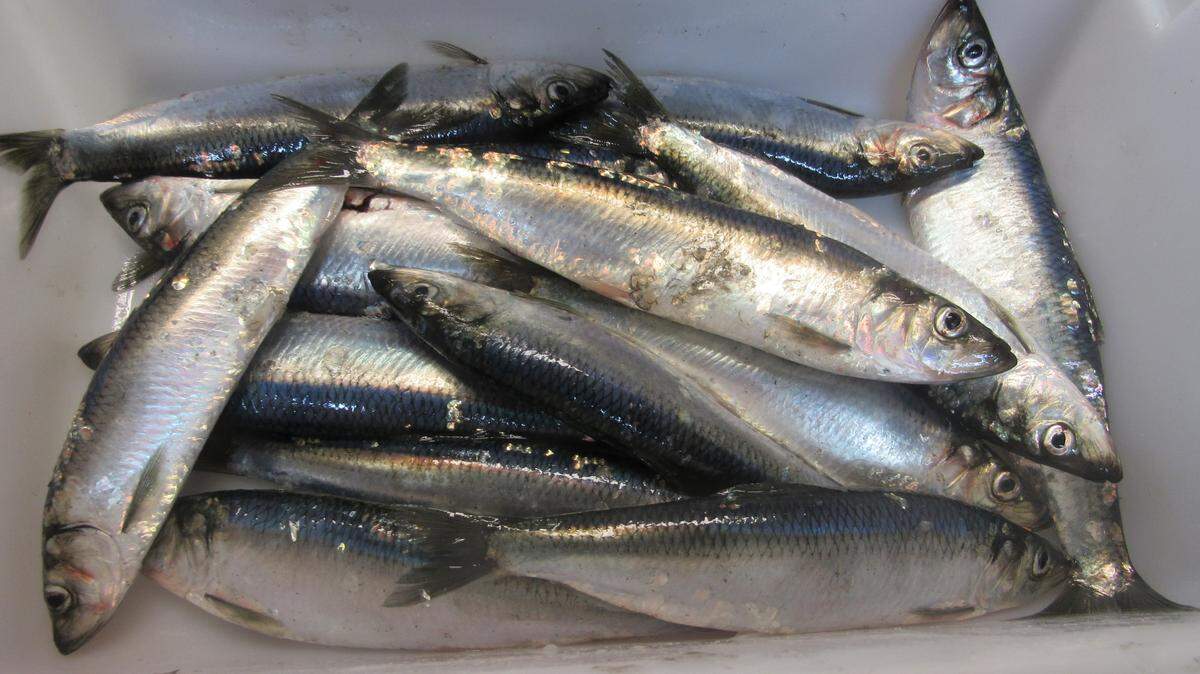
The primary reason for their decline is lack of food. Chinook salmon, 80% of orca diet, is listed as a threatened species under the U.S. Endangered Species Act in 1999. Also, chemicals like PCBs accumulate in their tissues, causing endocrine and immune system disruption.
Impact now: There has been a steady decline in numbers and only 73 orca were left as of July 2019, according to the nonprofit Center for Whale Research in Friday Harbor.
BEHIND THE STORY
MOREHow we did this series on climate change impacts in Bellingham and Whatcom County
Reporters Robert Mittendorf and Warren Sterling spent three months researching climate change’s impacts on Whatcom County residents for this series of a dozen stories in anticipation of Bellingham and Whatcom County focusing on climate change in early 2020.
They talked to experts about how climate change is manifesting in Whatcom County, what is being done locally about those impacts and what residents can do on their own to help.
Why we wrote this series on local climate change impacts now
Bellingham City Council members voted Dec. 9 to create a permanent council Climate Action Committee and will begin discussing the Bellingham Climate Action Plan Task Force’s recommendations at their Jan. 13, 2020, meeting.
The Whatcom County Climate Impact Advisory Committee expects to update the County Council in summer 2020 about its review of the Whatcom County 2007 Climate Protection and Energy Plan. The advisory committee has been meeting since March 2018 after the county’s 2016 Comprehensive Plan update included climate impacts and created the committee. Cascadia Consulting of Seattle was contracted to provide the committee with a greenhouse emissions update, a current science summary and vulnerability assessments of water, ecosystem, development and transportation infrastructure in early 2020.
What questions do you have about local climate change impacts?
Please send questions and future coverage suggestions to newsroom@bellinghamherald.com.
This decline, along with the reduced numbers of Chinook salmon, prompted the federal Environmental Protection Agency to downgrade them from a neutral trend to a declining trend in 2016.
What’s being done now: Activists are seeking removal of all or part of four dams on the lower Snake River and the Columbia River in Washington state in an effort to make spawning runs easier for Chinook salmon.
Gov. Jay Inslee created the Southern Resident Orca Task Force earlier this year. Its members include state, tribal, U.S. and Canadian officials.
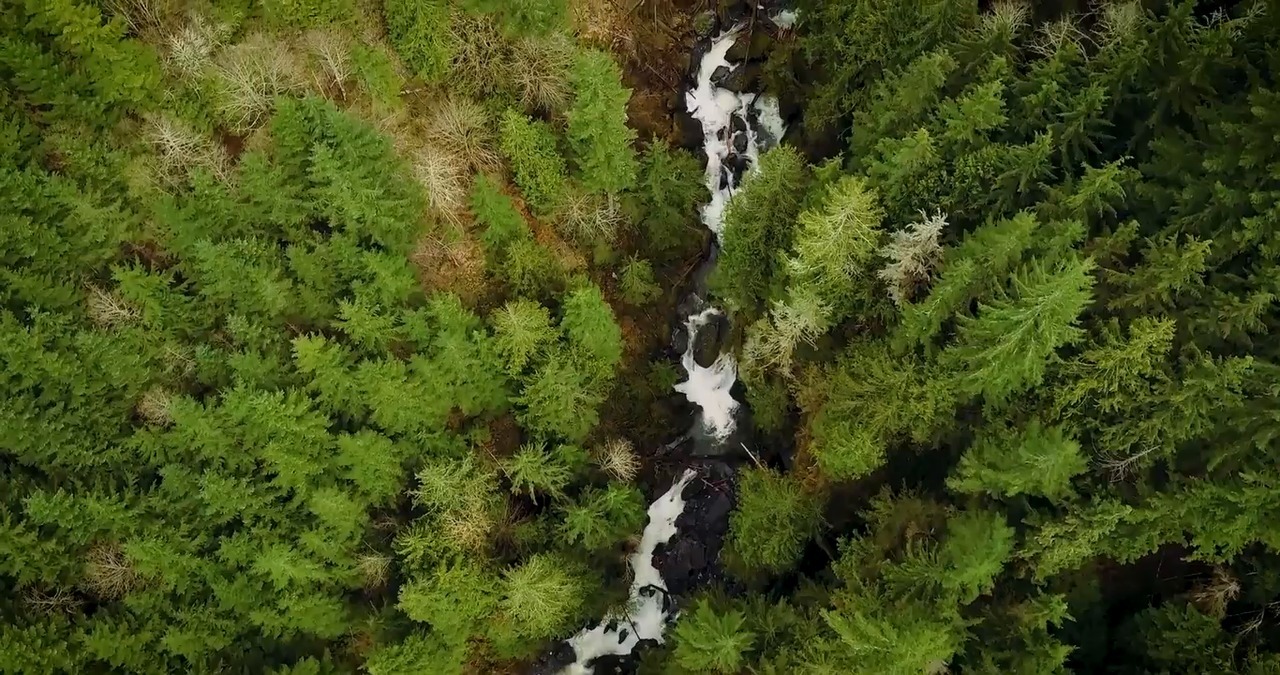
But the big picture for orca recovery depends on efforts to save salmon and the habitat — both on land and in the ocean — that they need to thrive.
“If you look at all the areas the whales take fish out of, it’s a huge swath of North America, all the way to (British Columbia),” Brad Hanson, a research wildlife biologist with NOAA’s science center, told The Seattle Times. “These animals evolved to depend on all these different stocks,” Hanson said. Today, scientists are concerned about what they call seasonal serial failures: when, from one season to the next, in one river after another, there is not enough food regularly available for the whales.”
What you can do now: Washington residents can help save the orca by volunteering with groups like the Nooksack Salmon Enhancement Association to restore salmon habitat, eating sustainably harvested seafood and using responsible tour companies for whale-watching, according to information from the Samish Tribe. Mercer Island-based Parent Map magazine suggests reducing your reliance on plastic and using natural cleaners instead of chemicals.
Tomorrow: Lake Whatcom.
This story was originally published December 21, 2019 at 5:00 AM.