Whatcom’s eelgrass hit hard by climate and development. How to help ‘ocean’s nursery’
READ MORE
Climate change impacts in Whatcom County
The Bellingham Herald explores the threats, causes and impacts of climate change in Whatcom County, Wash. Reporters Warren Sterling and Robert Mittendorf also offer a look at what’s being done now to combat climate change and offer tips on what you can do to help.
Expand All
This is one in a series of Bellingham Herald stories looking at climate change impacts and solutions in Whatcom County.
The threat: Eelgrass has been dying around the Salish Sea for about the past 20 years, contributing to habitat loss for a plant that’s critical to coastal marine life in a variety of ways, including salmon fisheries.
Washington’s total fisheries, according to the Washington Department of Fish and Wildlife, supported an estimated 16,374 jobs and $540 million in personal income in 2006.
The cause: Researchers are unsure why the grasses are dying, but it is strongly suspected that rising ocean temperatures feed the bacteria that are killing eelgrass. Pollution, shoreline development and sea-level rise also are linked to declines in eelgrass.
Casey Cook, director of the Marine Life Center at the Port of Bellingham, said eelgrass are the long green grasses that grow in shallow water. In some places, such as Padilla Bay in Skagit County, eelgrass forms huge meadows.
Eelgrass can also be seen in the shallows at Marine Park south of Fairhaven, the Cherry Point Aquatic Reserve south of Birch Bay State Park and elsewhere along the Whatcom County coast.
Ocean’s nursery
Cook said eelgrass meadows provide shelter for small fish and a place for adult fish to hunt, forage and lay their eggs. Eelgrass also acts as a buffer against strong waves. When it dies in the fall, eelgrass provides food for bacteria and a place for snails, nudibranchs and anemones to reproduce. Like all plants, eelgrass scrubs carbon dioxide from the air and produces oxygen.
“It calms down the water along the shoreline, and it allows animals that aren’t strong swimmers to hide,” Cook said. “It’s entirely the ocean’s nursery.”
BEHIND THE STORY
MOREHow we did this series on climate change impacts in Bellingham and Whatcom County
Reporters Robert Mittendorf and Warren Sterling spent three months researching climate change’s impacts on Whatcom County residents for this series of a dozen stories in anticipation of Bellingham and Whatcom County focusing on climate change in early 2020.
They talked to experts about how climate change is manifesting in Whatcom County, what is being done locally about those impacts and what residents can do on their own to help.
Why we wrote this series on local climate change impacts now
Bellingham City Council members voted Dec. 9 to create a permanent council Climate Action Committee and will begin discussing the Bellingham Climate Action Plan Task Force’s recommendations at their Jan. 13, 2020, meeting.
The Whatcom County Climate Impact Advisory Committee expects to update the County Council in summer 2020 about its review of the Whatcom County 2007 Climate Protection and Energy Plan. The advisory committee has been meeting since March 2018 after the county’s 2016 Comprehensive Plan update included climate impacts and created the committee. Cascadia Consulting of Seattle was contracted to provide the committee with a greenhouse emissions update, a current science summary and vulnerability assessments of water, ecosystem, development and transportation infrastructure in early 2020.
What questions do you have about local climate change impacts?
Please send questions and future coverage suggestions to newsroom@bellinghamherald.com.
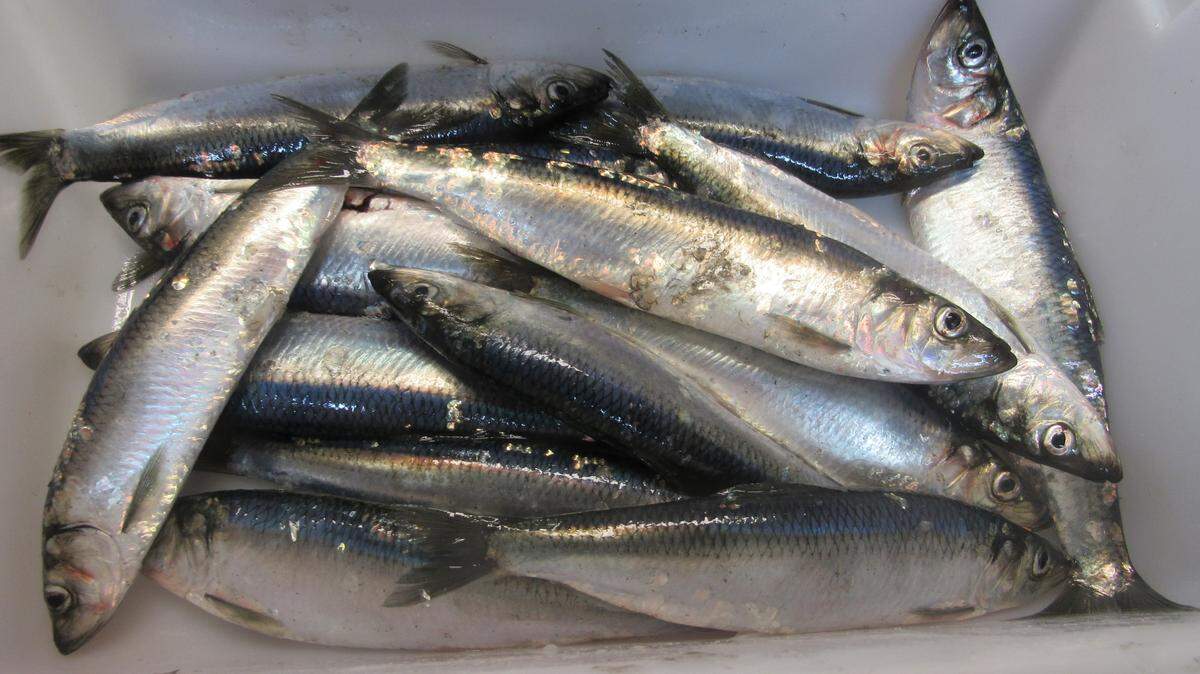
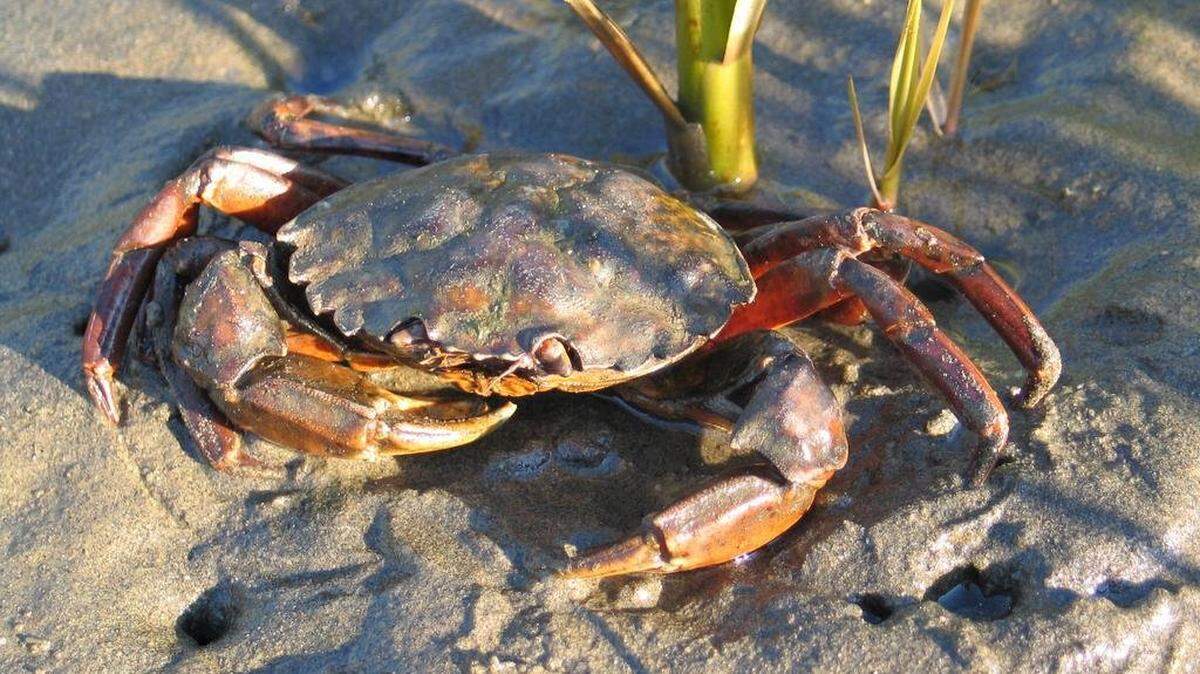
An eelgrass meadow is home to snails, crab, shrimp, herring and young salmon. Several kinds of waterfowl feed there on eggs and small fish, according to the University of Washington’s Puget Sound Institute.
Impact now: Eelgrass wasting disease was found at 16 sites that scientists monitored in the San Juan Islands, Padilla Bay, Hood Canal, South Puget Sound and Willapa Bay, according to research presented at a Seattle conference in 2018. About 30 percent of the world’s seagrasses have vanished since 1870, according to the Pew Charitable Trusts.
What’s being done now: Washington’s Department of Natural Resources is working to restore habitat by planting eelgrass across the Puget Sound.
What you can do now: The Living By Water Project urges people to limit construction near the shoreline; avoid runoff into freshwater streams; protect trees, shrubs and grasses near the water; avoid using herbicides and pesticides; consider sharing a dock or use a mooring float; avoid dragging kayaks through eelgrass; and avoid trampling eelgrass when playing at the beach.
Tomorrow: The Puget Sound food chain.
This story was originally published December 18, 2019 at 5:00 AM.