An ocean dead zone in the Salish Sea would harm Whatcom County’s economy. Here’s how
READ MORE
Climate change impacts in Whatcom County
The Bellingham Herald explores the threats, causes and impacts of climate change in Whatcom County, Wash. Reporters Warren Sterling and Robert Mittendorf also offer a look at what’s being done now to combat climate change and offer tips on what you can do to help.
Expand All
This is one in a series of Bellingham Herald stories looking at climate change impacts and solutions in Whatcom County.
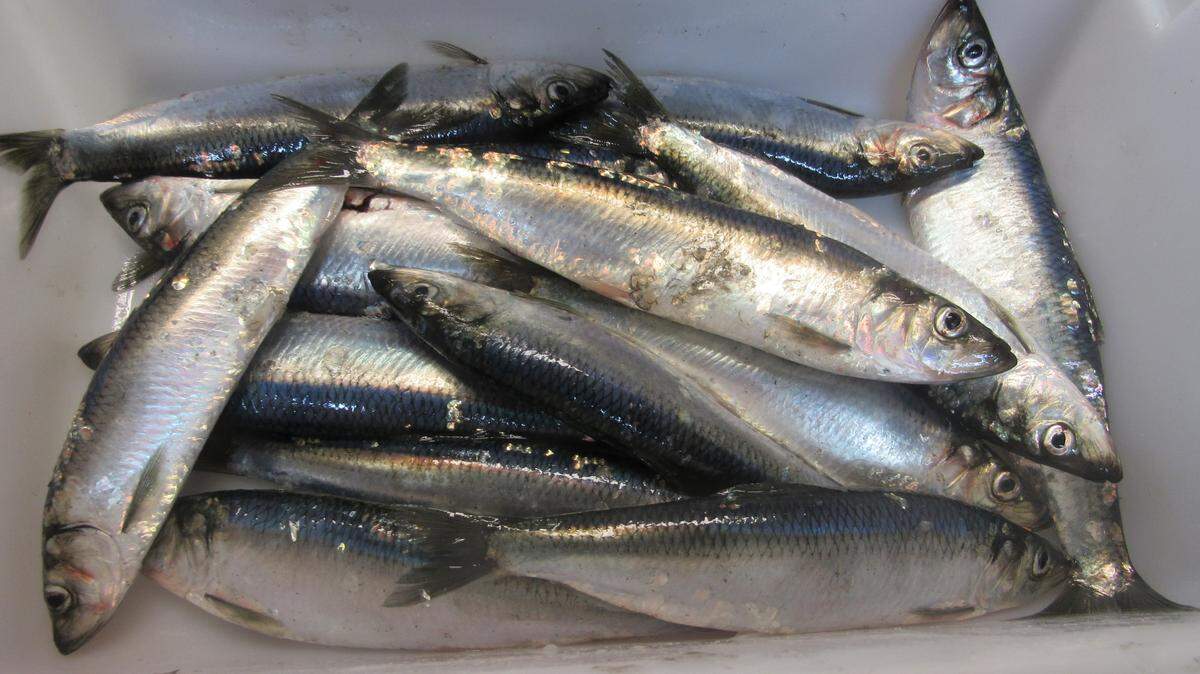
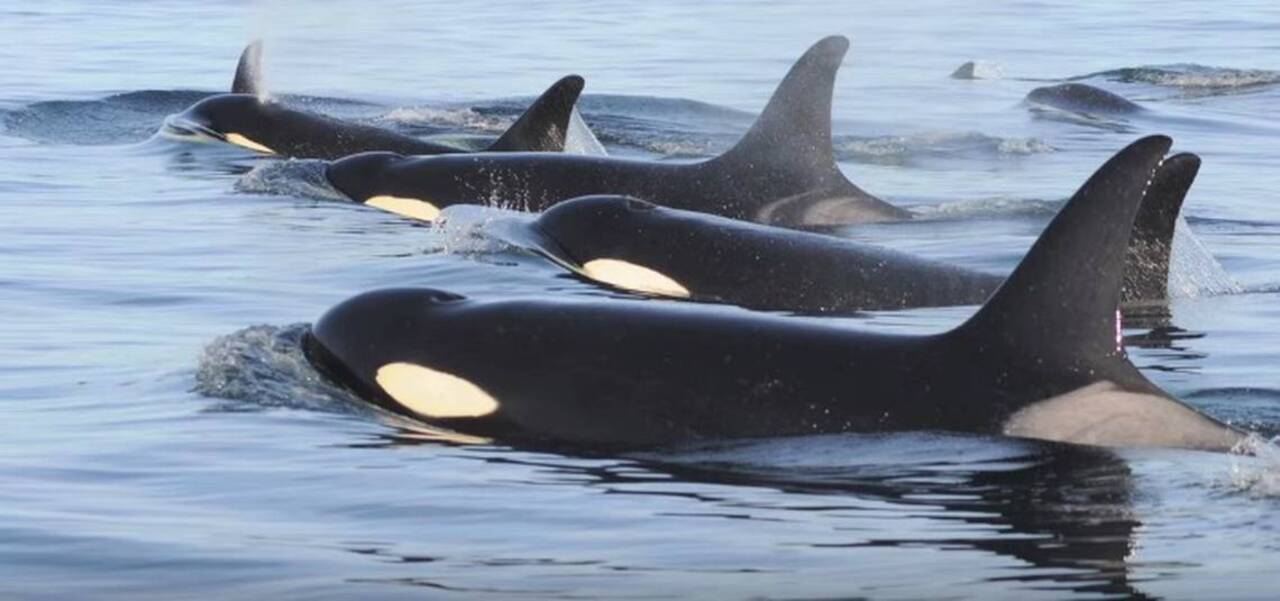
The threat: Ocean dead zones, areas of low to no oxygen, kill fish and other marine life, harming commercial fishing. A report for the Port of Bellingham says commercial fishing activity at Squalicum and Blaine marinas in 2013 generated 1,781 direct jobs with $94.5 million in wages and $13.3 million in local purchases by the firms located at the port’s marinas. In addition, state and local governments received nearly $16 million of tax revenue from the activity generated by the commercial fishing fleet.
The cause: “Such areas of extremely low oxygen, sometimes referred to as ‘dead zones,’ are related to excess nutrients, such as nitrogen and phosphorous, that over-feed a large variety of tiny plankton drifting through the water,” according to the University of Washington’s Encyclopedia of Puget Sound. The over-fed plankton eventually die and are decomposed by oxygen-consuming bacteria.
Ocean dead zones naturally occur throughout shallower waters along the coast of Washington. However, areas with the lowest level of dissolved oxygen commonly occur where organic matter, from human and natural processes, is abundant, according to the Environmental Protection Agency.
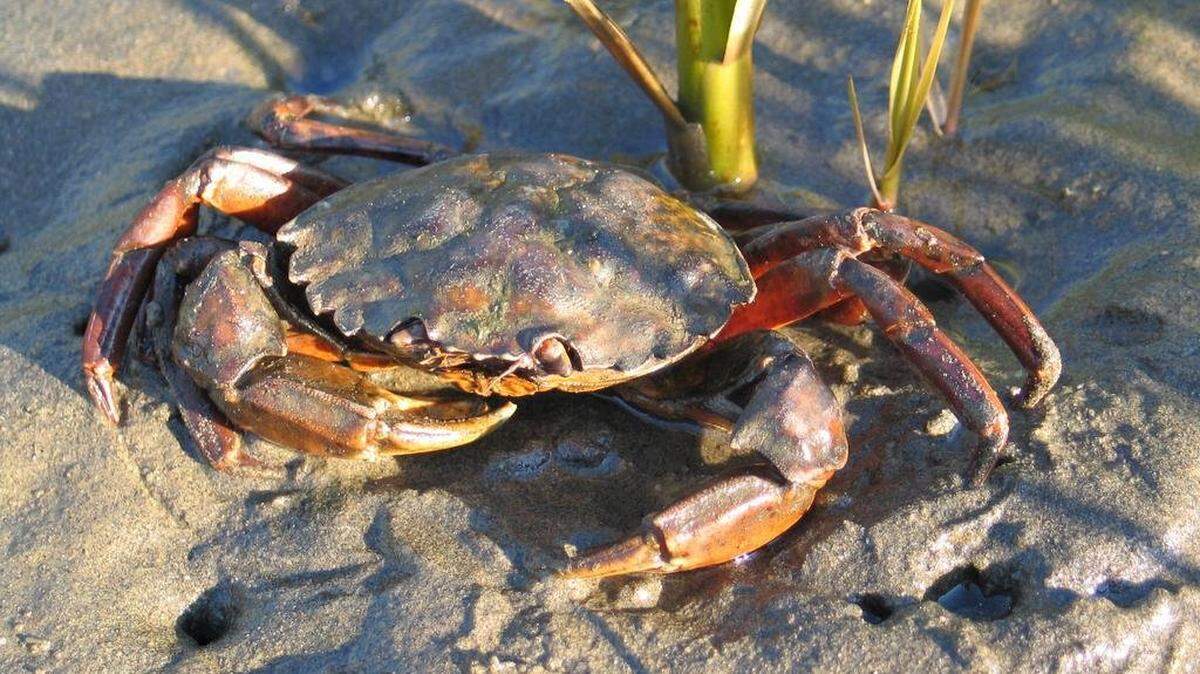
Impact now: Periods of low dissolved oxygen have been observed throughout the inlets and canals of the Puget Sound. Low dissolved oxygen is often indicated by large die-offs of aquatic life — particularly species that are not mobile enough to leave the area.
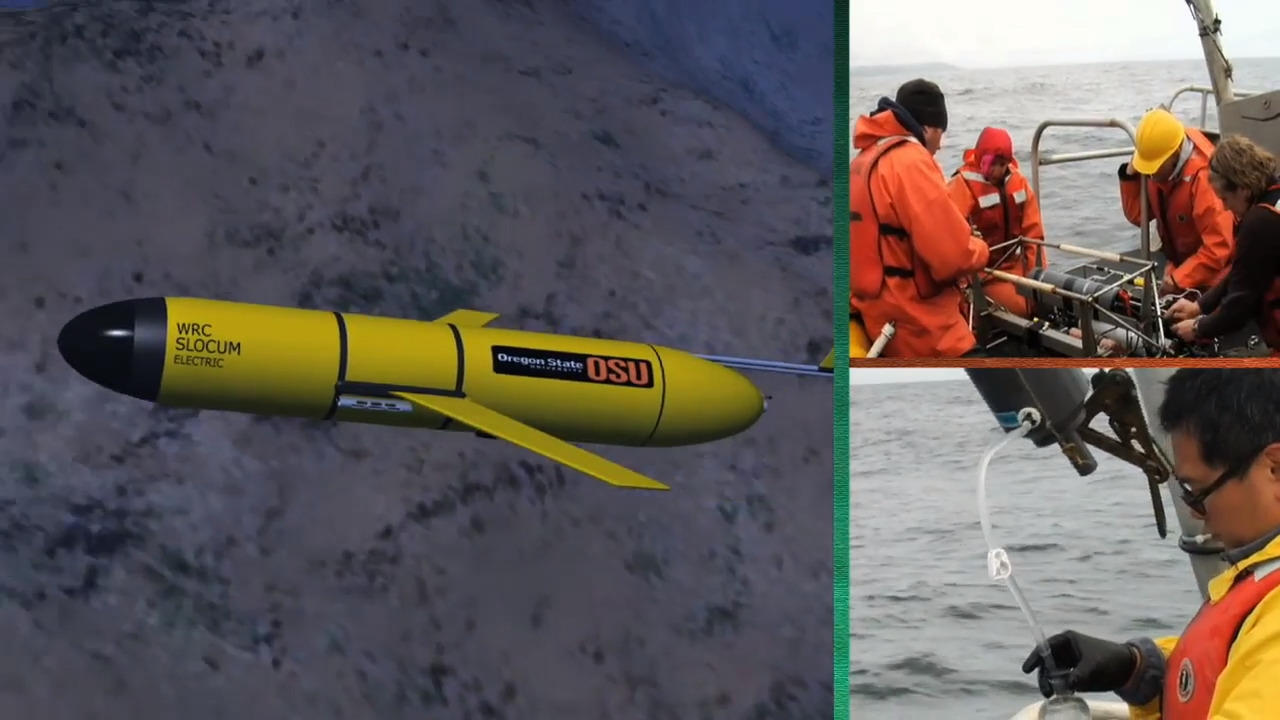
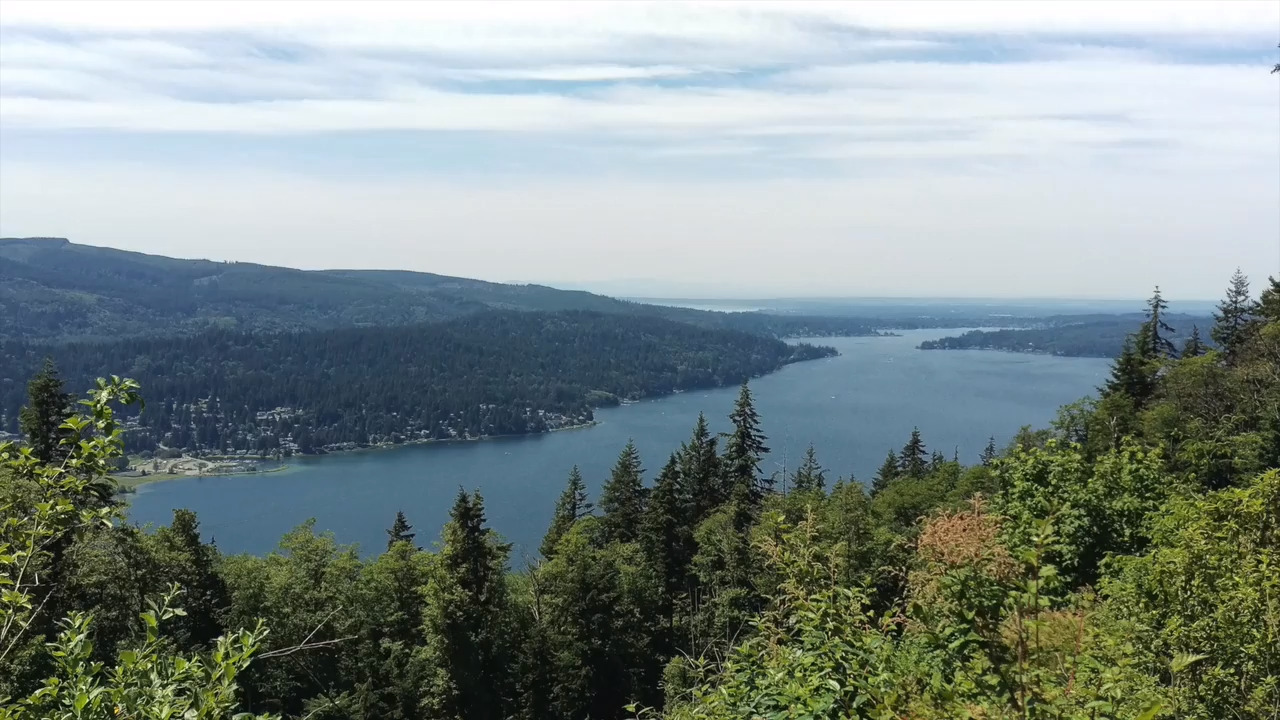
According to the Salish Sea Model — a calibrated model that shows changes in pH, dissolved oxygen, temperature and more — climate change could be increasing the average Salish Sea temperature and decreasing dissolved oxygen.
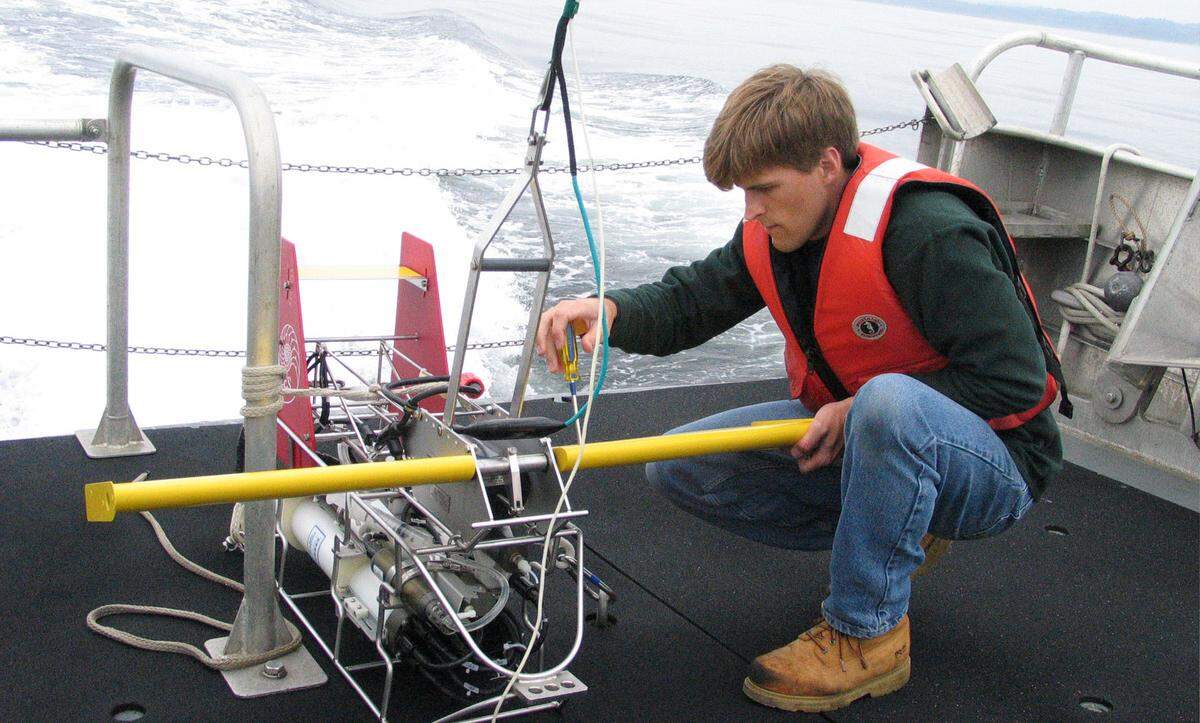
What’s being done: Although some of the expected impacts of climate change on the deep ocean are well understood, more research is needed to understand how the Salish Sea may react to the warming climate.
BEHIND THE STORY
MOREHow we did this series on climate change impacts in Bellingham and Whatcom County
Reporters Robert Mittendorf and Warren Sterling spent three months researching climate change’s impacts on Whatcom County residents for this series of a dozen stories in anticipation of Bellingham and Whatcom County focusing on climate change in early 2020.
They talked to experts about how climate change is manifesting in Whatcom County, what is being done locally about those impacts and what residents can do on their own to help.
Why we wrote this series on local climate change impacts now
Bellingham City Council members voted Dec. 9 to create a permanent council Climate Action Committee and will begin discussing the Bellingham Climate Action Plan Task Force’s recommendations at their Jan. 13, 2020, meeting.
The Whatcom County Climate Impact Advisory Committee expects to update the County Council in summer 2020 about its review of the Whatcom County 2007 Climate Protection and Energy Plan. The advisory committee has been meeting since March 2018 after the county’s 2016 Comprehensive Plan update included climate impacts and created the committee. Cascadia Consulting of Seattle was contracted to provide the committee with a greenhouse emissions update, a current science summary and vulnerability assessments of water, ecosystem, development and transportation infrastructure in early 2020.
What questions do you have about local climate change impacts?
Please send questions and future coverage suggestions to newsroom@bellinghamherald.com.
That is one reason scientists, such as those who developed the Salish Sea Model, are creating models that allow researchers to take the guesswork out of how the estuary may react to predicted changes in temperature, freshwater flow, nutrient flow and other variables.
The Washington State Department of Ecology also monitors the flow of nitrogen, carbon and other organic nutrients from rivers that contribute to the creation of dead zones.
What you can do: Limiting your carbon footprint will help slow the warming that contributes to lower dissolved oxygen in the Salish Sea.
The city of Bellingham offers tips on how to make changes to transportation habits and home efficiency that will reduce your carbon footprint.
Tomorrow: Rising sea levels.
This story was originally published December 16, 2019 at 5:00 AM.