Here’s where Whatcom County will see the impacts of rising sea levels
READ MORE
Climate change impacts in Whatcom County
The Bellingham Herald explores the threats, causes and impacts of climate change in Whatcom County, Wash. Reporters Warren Sterling and Robert Mittendorf also offer a look at what’s being done now to combat climate change and offer tips on what you can do to help.
Expand All
This is one in a series of Bellingham Herald stories looking at climate change impacts and solutions in Whatcom County.
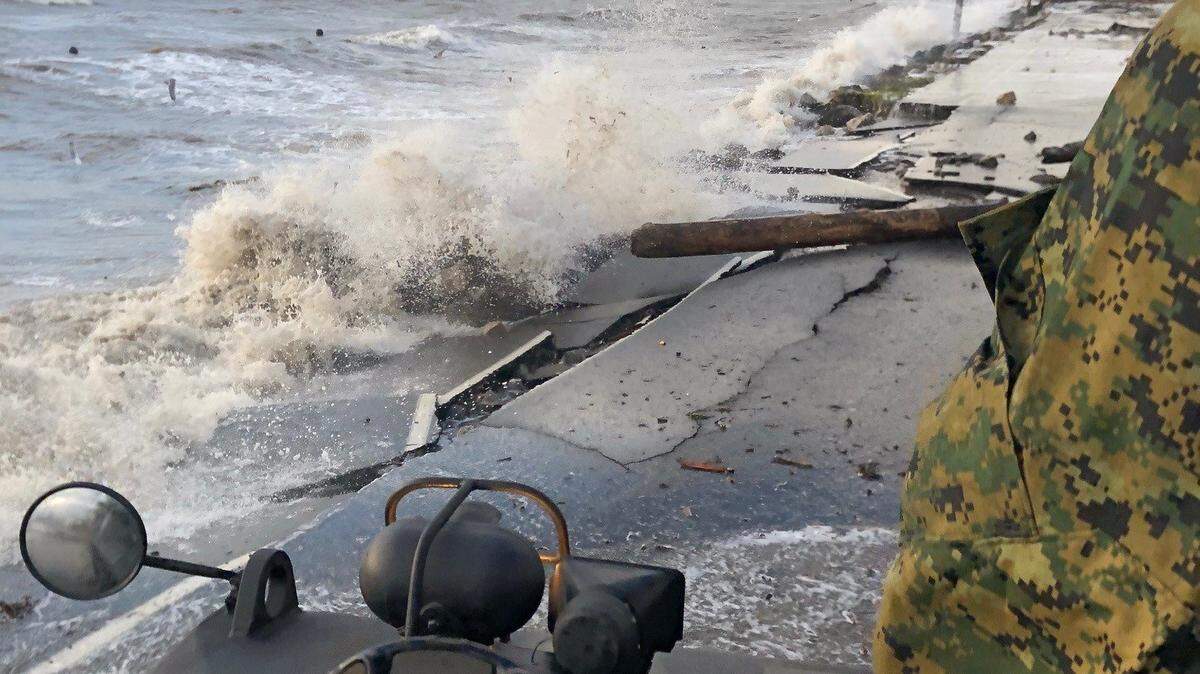
The threat: Most coastal damage in Whatcom County is caused by high wind and large waves from storms — especially when powerful El Niño storms arrive during a winter high tide. Because of climate change, scientists expect to see more storms like the ferocious Dec. 20, 2018, monster that hammered Blaine and Birch Bay, flooding homes and businesses and damaging a stretch of coastal roadway. But not every storm is caused by climate change, said John Gargett, deputy director of the Whatcom County Sheriff’s Office Division of Emergency Management.
The cause: Man-made greenhouse gases such as carbon dioxide, methane and ozone collect in the atmosphere and trap heat from the sun, leading to a rise in the Earth’ s temperature. As a result, polar ice caps and mountain glaciers are melting.
Impact now: Sea levels have been rising worldwide for the past 100 years, according to the National Oceanic and Atmospheric Administration. Sea-level rise isn’t the same everywhere. In Washington state, it’s influenced by melting glaciers in the North Cascades and by the rise and fall of land along the coast as a result of movement in the Earth’s crust. Climate effects are worse in the southern Puget Sound and on the Olympic Peninsula.
Sea Level Rise in Washington State, A 2018 Assessment, from the University of Washington Climate Impacts Group and others found a likely rise of 6 inches to a foot by 2050 and about 2 to 3 feet by the year 2100. Models from the National Academies of Science, Engineering and Medicine show about 10-inch rise in that time frame.
Whatcom County from Blaine to Chuckanut Drive faces the potential of about 1 to 2 feet of sea-level rise over the next 80 years, according to data from the 2018 UW report.
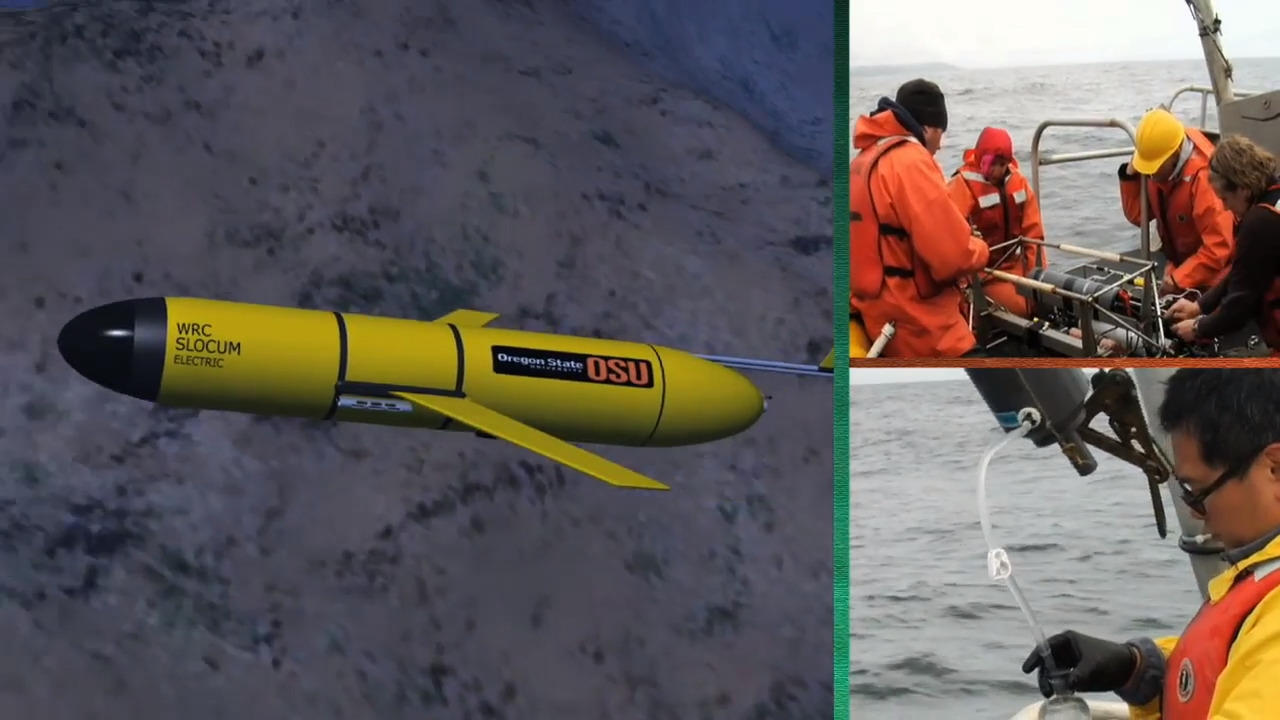
What’s being done now: Universities and government agencies are gathering data on where and how high the seas are expected to rise in Washington state. Emergency management officials are planning for when disaster strikes and cities are creating new development policies to adapt to a changing planet. In Birch Bay, for example, Whatcom County is rebuilding a beach to return it to a more natural state that officials hope will ease the impact of the worst winter storms.
BEHIND THE STORY
MOREHow we did this series on climate change impacts in Bellingham and Whatcom County
Reporters Robert Mittendorf and Warren Sterling spent three months researching climate change’s impacts on Whatcom County residents for this series of a dozen stories in anticipation of Bellingham and Whatcom County focusing on climate change in early 2020.
They talked to experts about how climate change is manifesting in Whatcom County, what is being done locally about those impacts and what residents can do on their own to help.
Why we wrote this series on local climate change impacts now
Bellingham City Council members voted Dec. 9 to create a permanent council Climate Action Committee and will begin discussing the Bellingham Climate Action Plan Task Force’s recommendations at their Jan. 13, 2020, meeting.
The Whatcom County Climate Impact Advisory Committee expects to update the County Council in summer 2020 about its review of the Whatcom County 2007 Climate Protection and Energy Plan. The advisory committee has been meeting since March 2018 after the county’s 2016 Comprehensive Plan update included climate impacts and created the committee. Cascadia Consulting of Seattle was contracted to provide the committee with a greenhouse emissions update, a current science summary and vulnerability assessments of water, ecosystem, development and transportation infrastructure in early 2020.
What questions do you have about local climate change impacts?
Please send questions and future coverage suggestions to newsroom@bellinghamherald.com.
“Even if we have 1 foot of sea-level rise in the coming decade, that will mitigate it,” Gargett said.
In addition, Gargett said the county is buying flood-prone land around Marietta in the Nooksack River delta. Such wetlands absorb the impact of damaging coastal wind and waves.
What you can do now: Reducing your carbon footprint is the best thing that anyone can do to help solve the problem, according to the group Clean Ocean Action. Other things you can do are reducing energy use, growing plants and trees, using fewer impermeable surfaces around yards, and protecting wetlands.
Tomorrow: The ocean’s nursery.
The process of greenhouse gases was clarified Dec. 18, 2019.
This story was originally published December 17, 2019 at 5:00 AM.