Fossil fuels put pressure on Whatcom County’s economic and political systems
READ MORE
Climate change impacts in Whatcom County
The Bellingham Herald explores the threats, causes and impacts of climate change in Whatcom County, Wash. Reporters Warren Sterling and Robert Mittendorf also offer a look at what’s being done now to combat climate change and offer tips on what you can do to help.
Expand All
This is one in a series of Bellingham Herald stories looking at climate change impacts and solutions in Whatcom County.
The threat: Burning fossil fuels such as coal, natural gas and petroleum is contributing to an increase in the earth’s “greenhouse effect” and changing the chemistry of the ocean. These changes are already putting pressure on our economic and political systems.
The cause: The greenhouse effect is vital for life on earth because it acts as an insulator by trapping heat that would otherwise be lost to space. Carbon dioxide is naturally produced by many living things, including humans, during respiration.
Organisms, such as algae and trees, utilize this carbon dioxide — and sunlight — to convert the gas into energy and biomass in the process of photosynthesis, which prevents the continual accumulation of the gas.
Human contribution to the greenhouse effect is multi-fold because deforestation removes trees and damages ecosystems that could sequester carbon dioxide from the atmosphere. This is compounded by the burning of fossil fuels that convert stored carbon into greenhouse-effective, gaseous carbon dioxide.
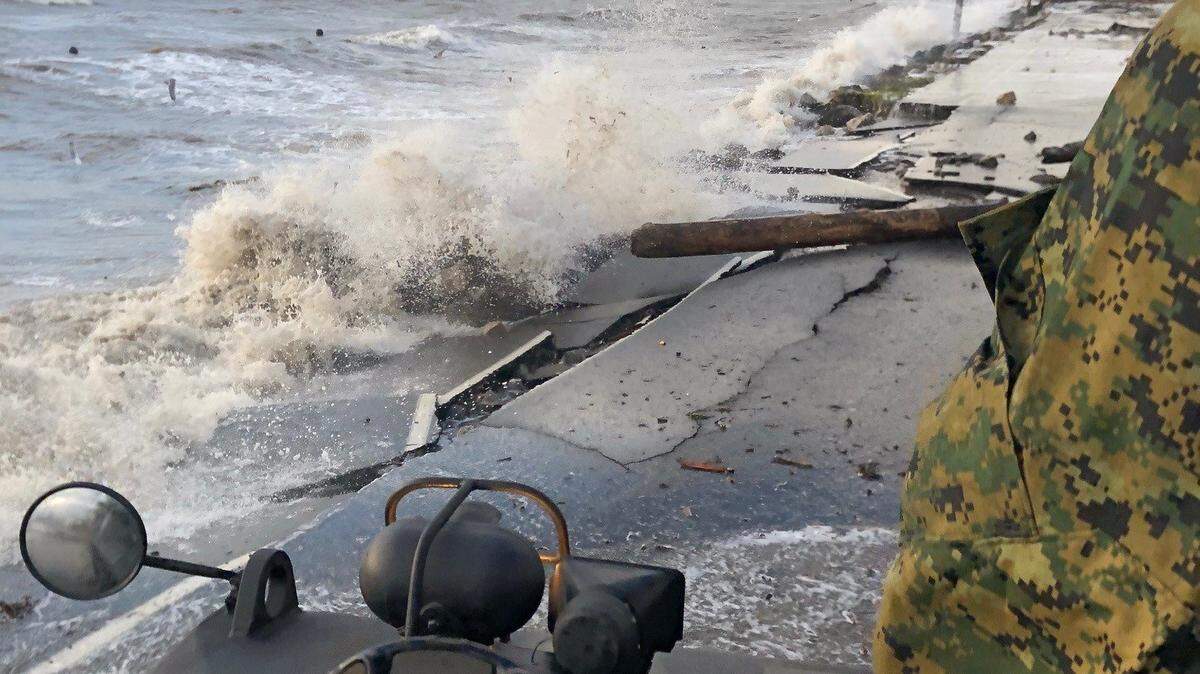
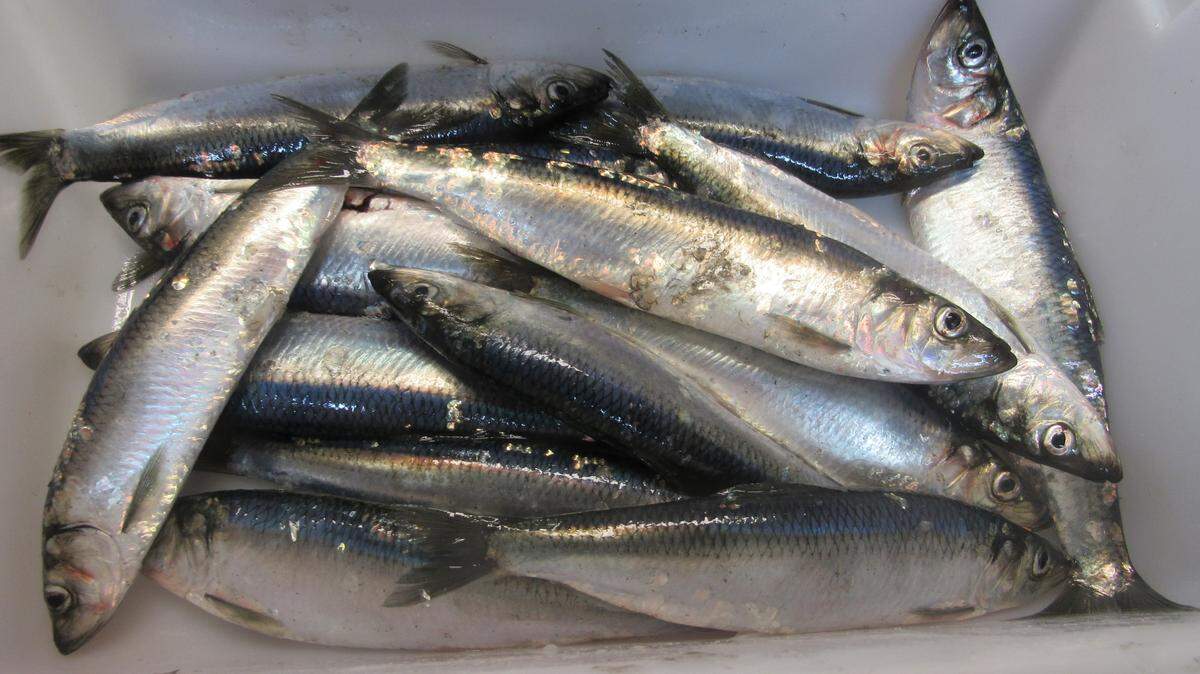
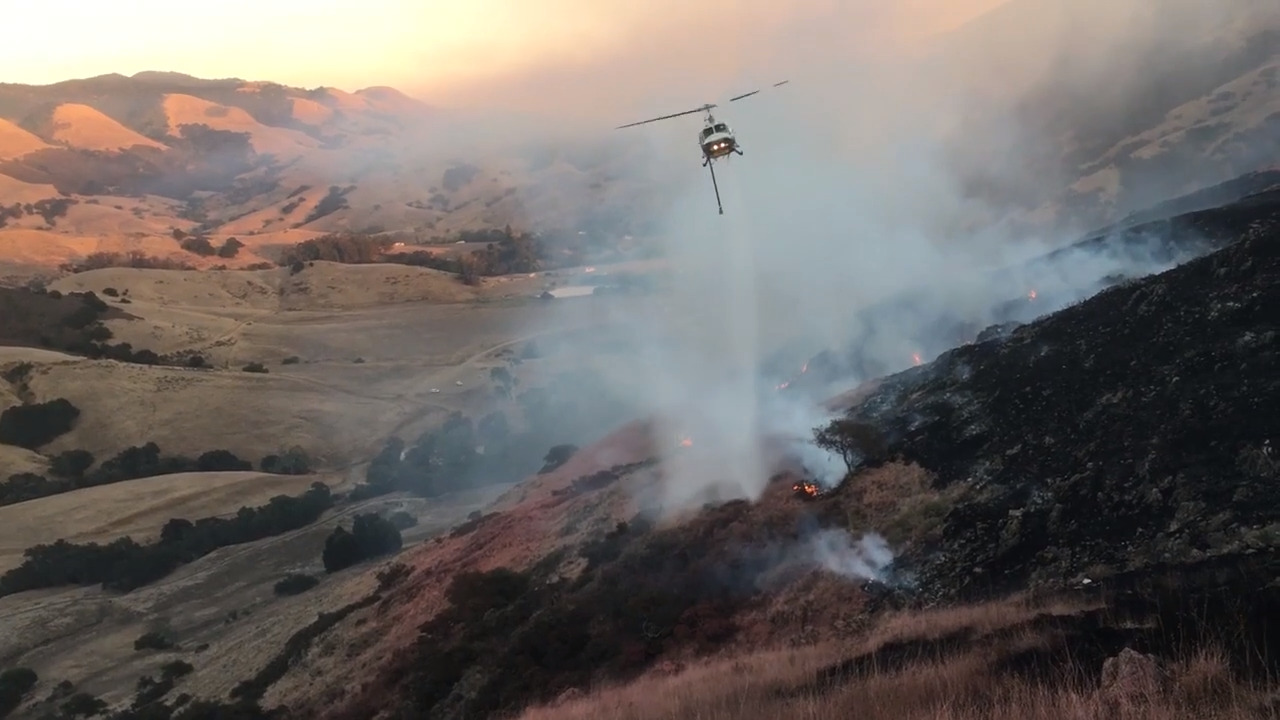
Impact now: In Whatcom County, increased temperatures could be contributing to changes in the area’s water cycle, losses for local industry, damage to important infrastructure and harm to native wildlife.
Cherry Point
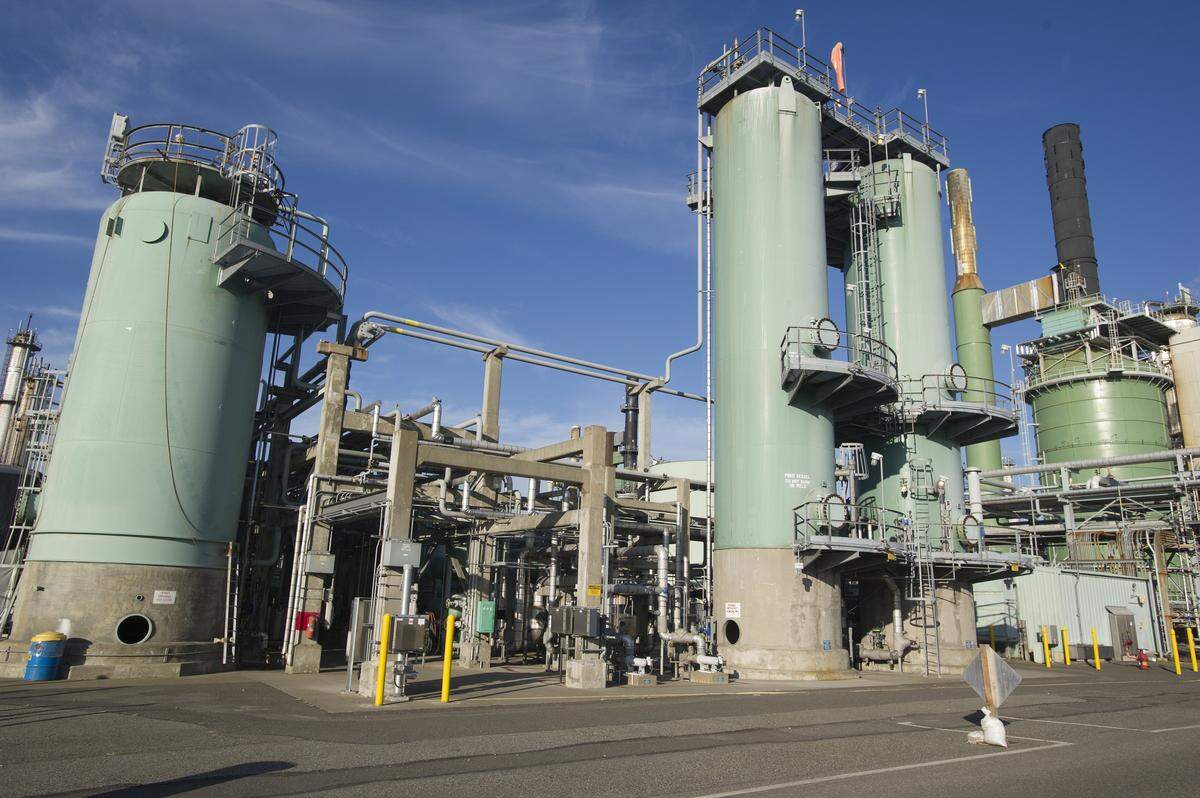
The future of the Cherry Point industrial zone in Blaine, which includes two oil refineries and an aluminum smelter, has been a source of conflict between a local government concerned about the public health risks created by fossil fuel industries and those who want to expand operations in the area, which has some of the highest paying jobs in Whatcom County.
In 2016, the County Council placed a moratorium on new applications to ship unrefined fossil fuels through the zone’s two refineries until safety risks were addressed. The county council recently extended the ban another 6 months.
BEHIND THE STORY
MOREHow we did this series on climate change impacts in Bellingham and Whatcom County
Reporters Robert Mittendorf and Warren Sterling spent three months researching climate change’s impacts on Whatcom County residents for this series of a dozen stories in anticipation of Bellingham and Whatcom County focusing on climate change in early 2020.
They talked to experts about how climate change is manifesting in Whatcom County, what is being done locally about those impacts and what residents can do on their own to help.
Why we wrote this series on local climate change impacts now
Bellingham City Council members voted Dec. 9 to create a permanent council Climate Action Committee and will begin discussing the Bellingham Climate Action Plan Task Force’s recommendations at their Jan. 13, 2020, meeting.
The Whatcom County Climate Impact Advisory Committee expects to update the County Council in summer 2020 about its review of the Whatcom County 2007 Climate Protection and Energy Plan. The advisory committee has been meeting since March 2018 after the county’s 2016 Comprehensive Plan update included climate impacts and created the committee. Cascadia Consulting of Seattle was contracted to provide the committee with a greenhouse emissions update, a current science summary and vulnerability assessments of water, ecosystem, development and transportation infrastructure in early 2020.
What questions do you have about local climate change impacts?
Please send questions and future coverage suggestions to newsroom@bellinghamherald.com.
What’s being done: The city of Bellingham has extensive plans to achieve clean energy goals and reduced fossil fuel dependency in the coming decades. These plans are updated and accessed as part of the city’s Climate Protection Action Plan.
In 2019, BP’s Cherry Point Refinery Completed a 22-month modernization project to reduce emissions and improve energy efficiency, according to their website.
What you can do: Bellingham’s “I’m in” pledge to lower emissions encourages people to shift their transportation modes, make their homes more energy-efficient and switch to renewable energy and provides resources to achieve these changes.
Residents can also take advantage of programs such as the PSE Home Energy Assessment to learn more about how they can make their homes more energy-efficient, which helps reduce the demand for fossil-fuel-produced electricity.