New species are invading rivers, lakes and coastlines in Whatcom County
READ MORE
Climate change impacts in Whatcom County
The Bellingham Herald explores the threats, causes and impacts of climate change in Whatcom County, Wash. Reporters Warren Sterling and Robert Mittendorf also offer a look at what’s being done now to combat climate change and offer tips on what you can do to help.
Expand All
This is one in a series of Bellingham Herald stories looking at climate change impacts and solutions in Whatcom County.
The threat: Invasive species displace native wildlife, threatening ecosystems by inhibiting their ability to function properly. They also pose a threat to infrastructure critical for drinking water and irrigation.
The cause: Invasive species often lack natural predators in their new environment, which allows them to quickly move in and dominate an ecosystem.
Changes in temperature and precipitation could exacerbate the negative impacts of invasive species by creating new opportunities for invasives to spread, according to the U.S. Department of Agriculture’s National Invasive Species Information Center.
Aquatic invasive species often enter our waterways by attaching themselves to the hulls of boats as well as trailers.
The impact: Washington state currently spends $15 million per year preventing and controlling invasive species that threaten ecosystems, agriculture and infrastructure, according to the Lake Whatcom Management Program.
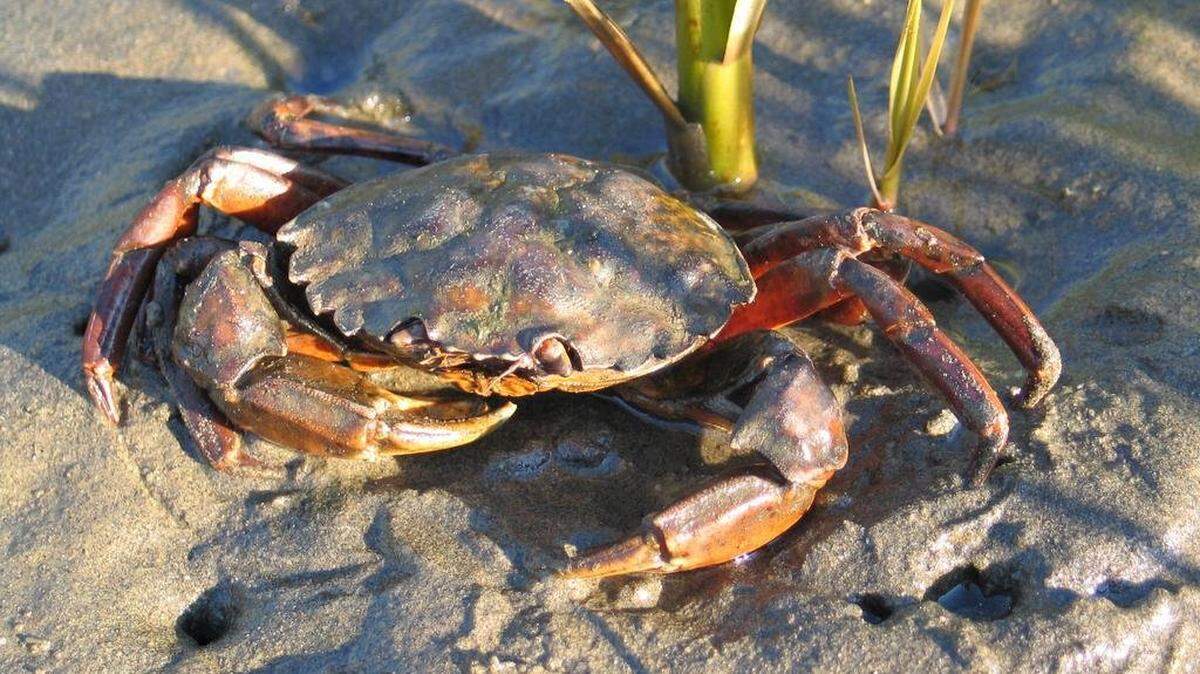
The European green crab has been found five times in Whatcom County. The highly invasive species threatens local ecosystems and industry because it out-competes local organisms, such as the Dungeness crab. The European green crab also harms eelgrass needed for salmon.
Butterfly Bush is an invasive species that is already changing ecosystems by out-competing native plants that grow along the banks of the Nooksack River. This is leading to increased bank erosion and sedimentation, according to the Washington State Noxious Weed Control Board.
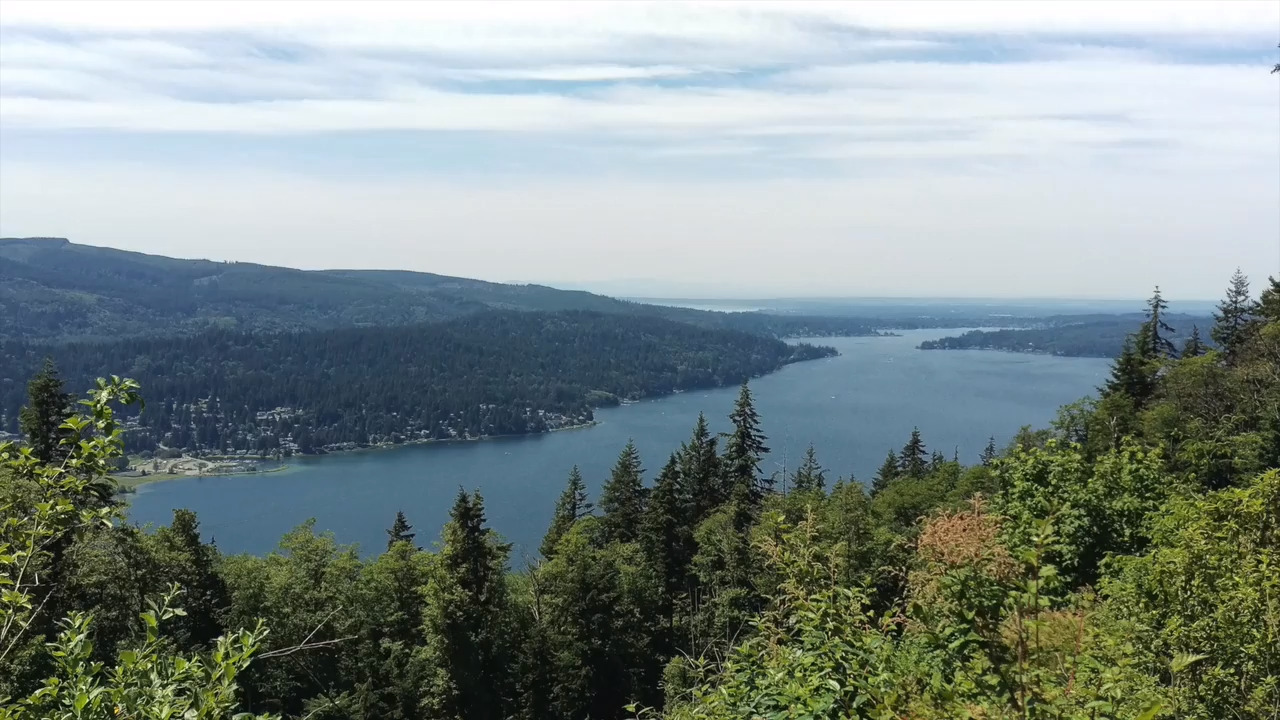
Lake Whatcom
Water intake systems used for drinking water and irrigation could be damaged if zebra or quagga mussels are introduced into the lake. These mussels can accumulate within pipes, eventually damaging the pipe and impeding its flow.
BEHIND THE STORY
MOREHow we did this series on climate change impacts in Bellingham and Whatcom County
Reporters Robert Mittendorf and Warren Sterling spent three months researching climate change’s impacts on Whatcom County residents for this series of a dozen stories in anticipation of Bellingham and Whatcom County focusing on climate change in early 2020.
They talked to experts about how climate change is manifesting in Whatcom County, what is being done locally about those impacts and what residents can do on their own to help.
Why we wrote this series on local climate change impacts now
Bellingham City Council members voted Dec. 9 to create a permanent council Climate Action Committee and will begin discussing the Bellingham Climate Action Plan Task Force’s recommendations at their Jan. 13, 2020, meeting.
The Whatcom County Climate Impact Advisory Committee expects to update the County Council in summer 2020 about its review of the Whatcom County 2007 Climate Protection and Energy Plan. The advisory committee has been meeting since March 2018 after the county’s 2016 Comprehensive Plan update included climate impacts and created the committee. Cascadia Consulting of Seattle was contracted to provide the committee with a greenhouse emissions update, a current science summary and vulnerability assessments of water, ecosystem, development and transportation infrastructure in early 2020.
What questions do you have about local climate change impacts?
Please send questions and future coverage suggestions to newsroom@bellinghamherald.com.
What’s being done: The Whatcom County Noxious Weed Control Board offers information about how to best manage invasive plant species. It also keeps a list of invasive plants and specific ways to control them. The board has existed since 1981.
The Pacific Northwest Invasive Plant Council is training citizen scientists to help conduct surveys, identify plants and remove invasive plants in Whatcom County.
Whatcom Boat Inspections is part of the Lake Whatcom Management Program. In 2018 they conducted roughly 12,000 boat inspections at Lake Whatcom and Lake Samish. Inspected boats came from 267 different bodies of water, 14 of which were mussel infected.
What you can do: The Whatcom Boat Inspections’ website offers these tips for boaters to prevent spreading aquatic invasive species:
▪ ”Clean: Remove all plants, animals and mud, thoroughly wash everything. “
▪ ”Drain: Drain all water from your boat, trailer, tackle and gear before leaving the area, including wells, bilges and engine cooling water.”
▪ ”Dry: Allow sufficient time for your boat, trailer, tackle and gear before launching in other waters.”
If you think you have encountered an invasive plant, you can report it to the Whatcom County Noxious Control Board by phone at 360-778-6234. The county also has a Weed Wrench Loan Program that rents tools designed for weed removal free of cost.
Tomorrow: Flooding.
This story was originally published December 23, 2019 at 5:00 AM.