Warmer average temperatures are harming the county’s largest freshwater source
READ MORE
Climate change impacts in Whatcom County
The Bellingham Herald explores the threats, causes and impacts of climate change in Whatcom County, Wash. Reporters Warren Sterling and Robert Mittendorf also offer a look at what’s being done now to combat climate change and offer tips on what you can do to help.
Expand All
This is one in a series of Bellingham Herald stories looking at climate change impacts and solutions in Whatcom County.
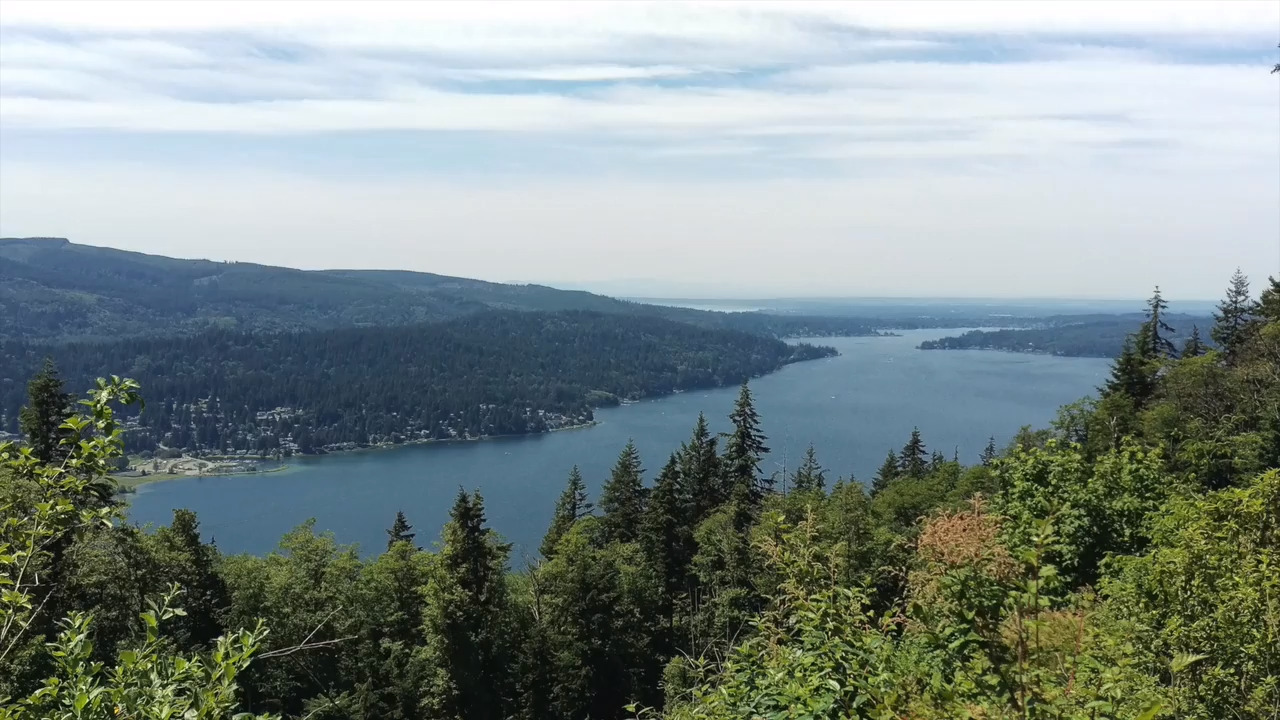
The threat: Algae blooms in Lake Whatcom have increased the cost of treating drinking water for roughly 100,000 residents in Whatcom County.
The cause: Warming air temperatures increase the number of algae blooms and harm aquatic life. Also, more storms increase runoff into the lake, adding nutrients such as phosphorus that increase algae blooms.
Impact now: In 1998, Ecology listed Lake Whatcom as exceeding pollution standards for phosphorus.
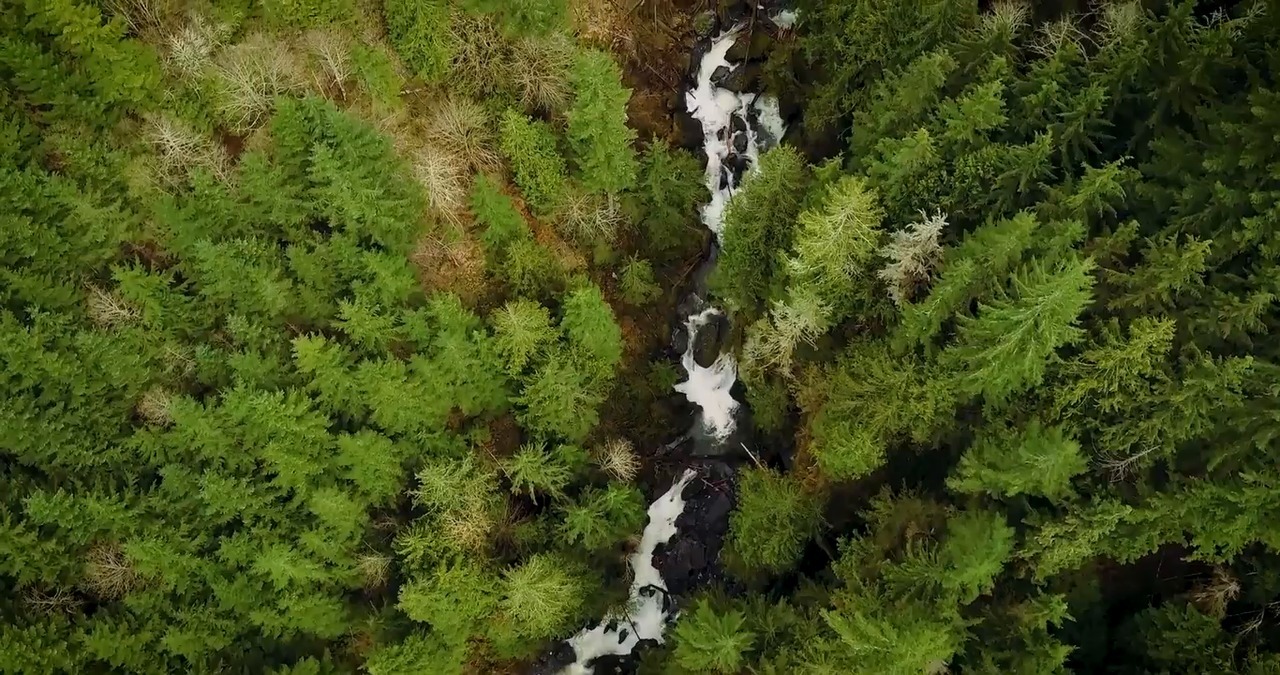
In 2016, the EPA approved a 50-year plan to lower the amount of phosphorus entering the lake. The plan calls for 87 percent of the developed area to store and filter water, much like a forest, and store phosphorus that could otherwise flow into the lake.
BEHIND THE STORY
MOREHow we did this series on climate change impacts in Bellingham and Whatcom County
Reporters Robert Mittendorf and Warren Sterling spent three months researching climate change’s impacts on Whatcom County residents for this series of a dozen stories in anticipation of Bellingham and Whatcom County focusing on climate change in early 2020.
They talked to experts about how climate change is manifesting in Whatcom County, what is being done locally about those impacts and what residents can do on their own to help.
Why we wrote this series on local climate change impacts now
Bellingham City Council members voted Dec. 9 to create a permanent council Climate Action Committee and will begin discussing the Bellingham Climate Action Plan Task Force’s recommendations at their Jan. 13, 2020, meeting.
The Whatcom County Climate Impact Advisory Committee expects to update the County Council in summer 2020 about its review of the Whatcom County 2007 Climate Protection and Energy Plan. The advisory committee has been meeting since March 2018 after the county’s 2016 Comprehensive Plan update included climate impacts and created the committee. Cascadia Consulting of Seattle was contracted to provide the committee with a greenhouse emissions update, a current science summary and vulnerability assessments of water, ecosystem, development and transportation infrastructure in early 2020.
What questions do you have about local climate change impacts?
Please send questions and future coverage suggestions to newsroom@bellinghamherald.com.
Lake Whatcom Management Plan
What’s being done: Since 1998, Whatcom County, the City of Bellingham and the Lake Whatcom Sewer District have been coordinating an effort to improve water quality in the lake. The 2015-2019 Lake Whatcom Management Program is the fourth 5-year plan intended to manage and improve Lake Whatcom through programs including land preservation and preventing stormwater runoff from entering the lake.
What you can do:
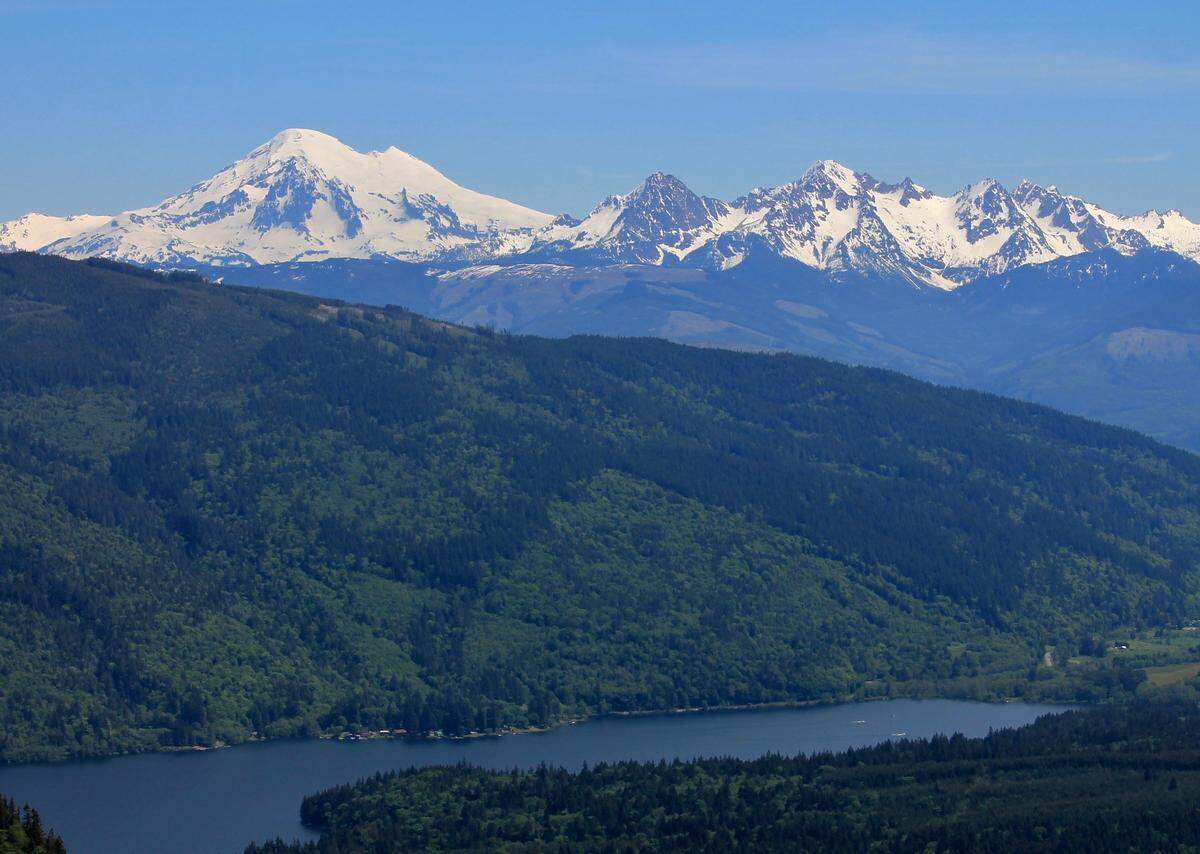
Qualifying property owners who alter landscaping, install rain gardens or drainage upgrades or follow other practices that reduce runoff into Lake Whatcom may be reimbursed through the Lake Whatcom Homeowner Incentive Program.
Environmentally-conscious gardening practices that reduce the amount of phosphorus also help. The city recommends using fertilizers or mulches with no phosphorus.
Tomorrow: Invasive species.
This story was originally published December 22, 2019 at 5:00 AM.