Salmon face a variety of threats. Recent reports paint a grim picture of the future
READ MORE
Climate change impacts in Whatcom County
The Bellingham Herald explores the threats, causes and impacts of climate change in Whatcom County, Wash. Reporters Warren Sterling and Robert Mittendorf also offer a look at what’s being done now to combat climate change and offer tips on what you can do to help.
Expand All
This is one in a series of Bellingham Herald stories looking at climate change impacts and solutions in Whatcom County.
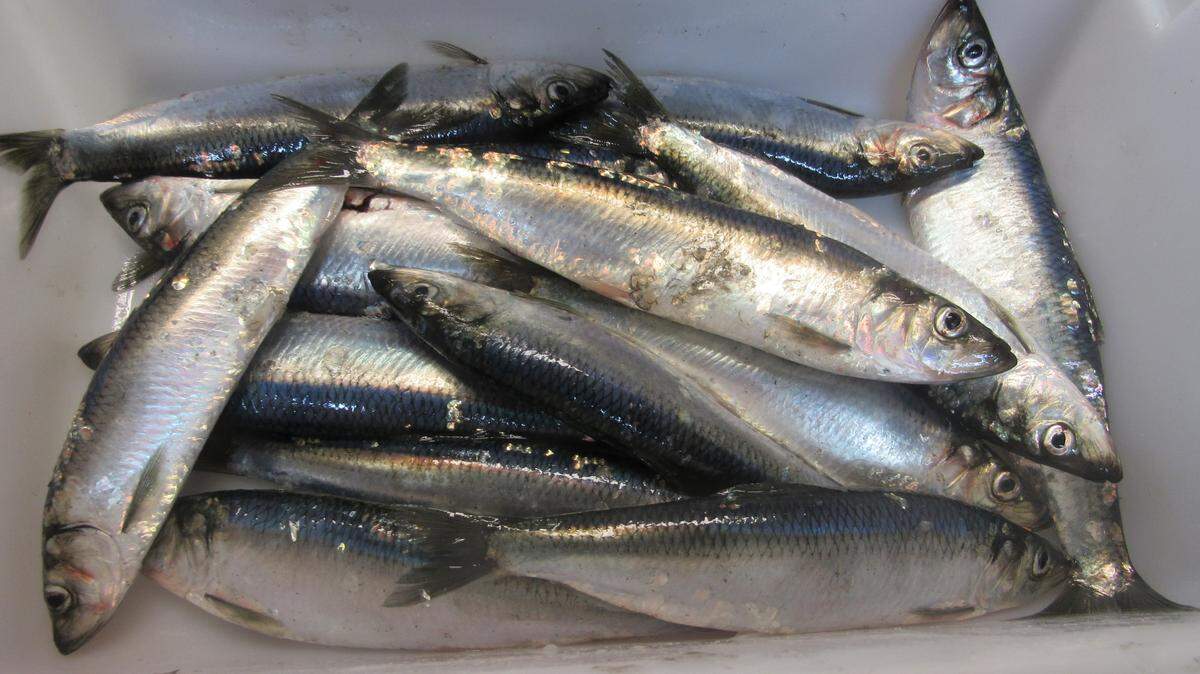
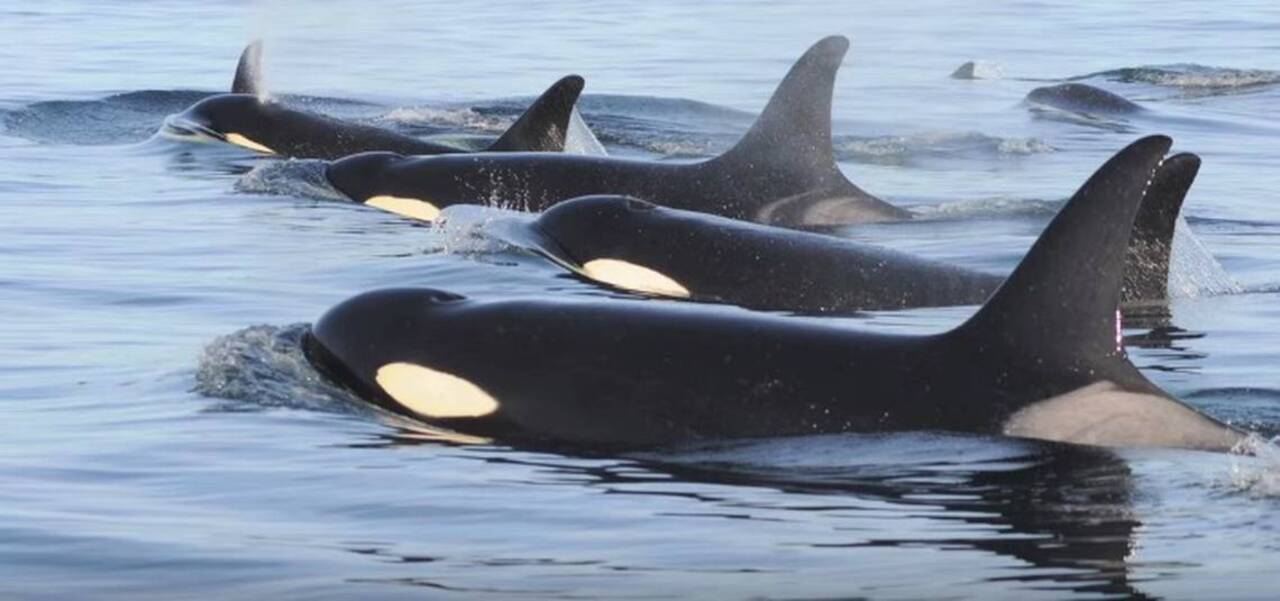
The threat: Pacific salmon play an important part of subsistence and commercial fishing for Pacific Northwest tribes and commercial and recreational salmon fisheries are worth millions of dollars to the economies of both the United States and Canada, according to the Pacific Salmon Association. Salmon, primarily Chinook, is the majority of the diet of endangered southern resident orcas.
Puget Sound Chinook numbers have slipped by about a third since the early 1990s, according to the Puget Sound Partnership. The fish was listed as a threatened species under the U.S. Endangered Species Act in 1999. Some 20 years of recovery efforts have seen little results, according to reports from the Nov. 5 Billy Frank Jr. Salmon Summit and the Dec. 2 State of the Sound report from the Puget Sound Partnership.
The cause: Whatcom County is home to each of the five species of Pacific salmon: chum, pink, coho, Chinook and sockeye. Chinook are of the most concern, and that species has a spring and fall run on the Nooksack River.
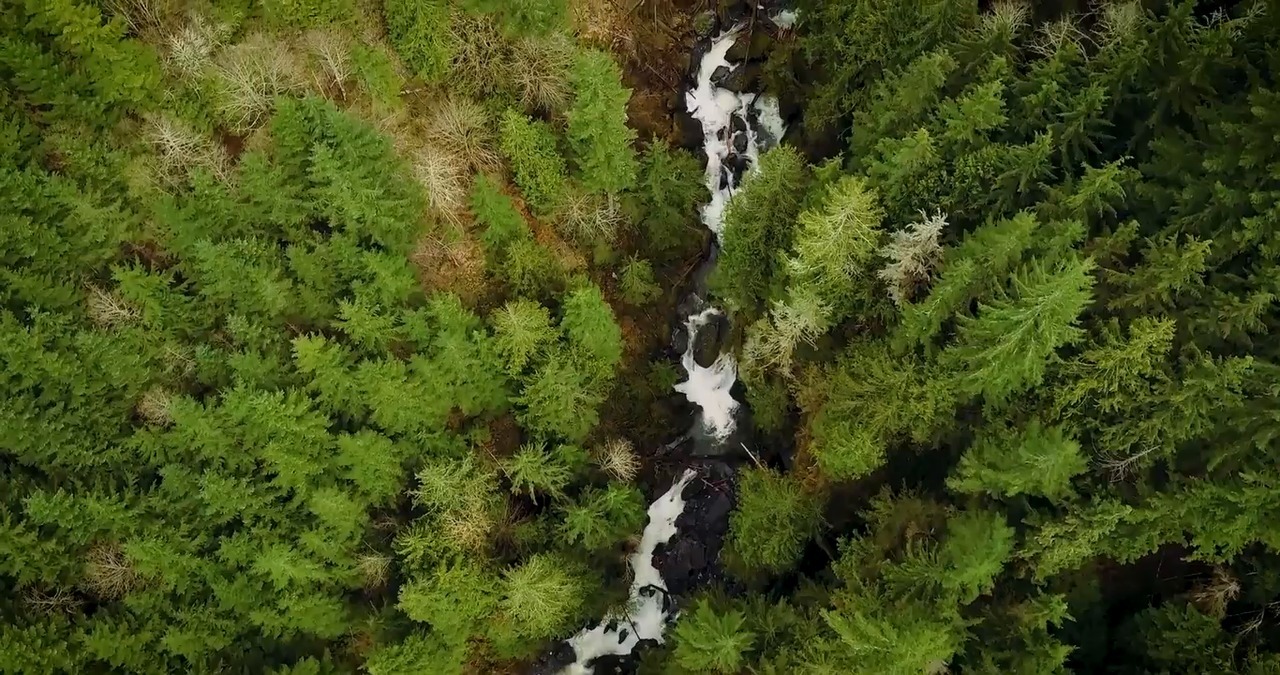
Spring weather over the past several years has been warmer than normal, causing rapid snowmelt in the North Cascades and changing the temperature, depth and speed of the river.
Early snowmelt affects stream flow and water temperature for species such as juvenile coho and adult chinook, which need cold water with deep pools to thrive, Vasak said.
Vasak said it appears that early snowmelt could be a new normal, leaving fish and farmers without water in summer when it’s needed the most.
Rachel Vasak, executive director of the Nooksack Salmon Enhancement Association, was especially concerned about recent weather patterns that have brought warm, dry springs to Western Washington. “That is definitely not good news for salmon,” Vasak told The Bellingham Herald earlier this year. “It looks like we are taking our normal summers and extending them into spring.”
BEHIND THE STORY
MOREHow we did this series on climate change impacts in Bellingham and Whatcom County
Reporters Robert Mittendorf and Warren Sterling spent three months researching climate change’s impacts on Whatcom County residents for this series of a dozen stories in anticipation of Bellingham and Whatcom County focusing on climate change in early 2020.
They talked to experts about how climate change is manifesting in Whatcom County, what is being done locally about those impacts and what residents can do on their own to help.
Why we wrote this series on local climate change impacts now
Bellingham City Council members voted Dec. 9 to create a permanent council Climate Action Committee and will begin discussing the Bellingham Climate Action Plan Task Force’s recommendations at their Jan. 13, 2020, meeting.
The Whatcom County Climate Impact Advisory Committee expects to update the County Council in summer 2020 about its review of the Whatcom County 2007 Climate Protection and Energy Plan. The advisory committee has been meeting since March 2018 after the county’s 2016 Comprehensive Plan update included climate impacts and created the committee. Cascadia Consulting of Seattle was contracted to provide the committee with a greenhouse emissions update, a current science summary and vulnerability assessments of water, ecosystem, development and transportation infrastructure in early 2020.
What questions do you have about local climate change impacts?
Please send questions and future coverage suggestions to newsroom@bellinghamherald.com.
Pacific salmon, especially Chinook, also face peril from pollution, habitat loss, and barriers to their native spawning grounds.
Impact now: State Fish and Wildlife officials are limiting the amount of each species of salmon that can be taken by commercial and sport fishers, based on the numbers of salmon that are returning to spawn.
What’s being done now: Various environmental organizations, such as NSEA, are educating youth, organizing habitat restoration efforts, and working with farmers to reduce their impact in critical watersheds. State and county officials have been working on a plan for the Nooksack watershed that would protect salmon and also satisfy the needs of farmers. Scientists, government agencies and tribal members are working to find other solutions.
A 2018 U.S. Supreme Court ruling ordered the state to replace stream culverts that block access to migrating salmon.
On Monday, Dec. 16, the state awarded $26 million in funds for salmon recovery projects, including about $650,000 for work in Whatcom County.
What you can do now: Learn how to reduce your carbon footprint and volunteer for habitat restoration work parties at places such as NSEA, RE Sources for Sustainable Communities and REI. Eat sustainably harvested salmon and don’t litter, according to the EPA. But what’s needed now is more funding and pressure on government leaders, speakers at the tribal summit on salmon said, according to a report at the University of Washington’s School of Marine and Environmental Affairs. “We’ve done all the easy stuff to restore the salmon runs,” said Mike Grayum, formerly of the Northwest Indian Fisheries Commission, in that report.
Tomorrow: Orcas.
This story was originally published December 20, 2019 at 5:00 AM.