Here’s how warming in the Cascades impacts the Nooksack River in Whatcom County
READ MORE
Climate change impacts in Whatcom County
The Bellingham Herald explores the threats, causes and impacts of climate change in Whatcom County, Wash. Reporters Warren Sterling and Robert Mittendorf also offer a look at what’s being done now to combat climate change and offer tips on what you can do to help.
Expand All
This is one in a series of Bellingham Herald stories looking at climate change impacts and solutions in Whatcom County.
The threat: Climate change is expected to cause an increase in flooding and drought events, stream erosion and a loss of aquatic wildlife in the Nooksack River watershed, according to the University of Washington Climate Impacts Group,
The cause: The forks of the Nooksack River are fed by annual rain, melting snow and melting glaciers.
As the temperature of the region increases because of climate change, the snowpack is reduced to higher and higher elevations causing changes in the creeks and rivers that flow from the mountains, according to Robert Mitchell, who is a professor at Western Washington University and makes models of the effects of climate change on mountain hydrology.
The impact: Stream temperature and volume are both impacted by changes in the climate.
A decrease in the amount of cold water flowing into the Nooksack River from glaciers and snowmelt in the spring and summer is leading to stream temperatures that are warming enough to harm salmon and other aquatic life. Shallower streams in the summer and fall, as well as reduced tree cover, are also causing stream temperatures to rise further.
Peaks in streamflow are expected to happen earlier in the spring leading to shallower-flowing rivers in the late summer and fall. This could increase the competition for water used for farming, industry and people living in the county.
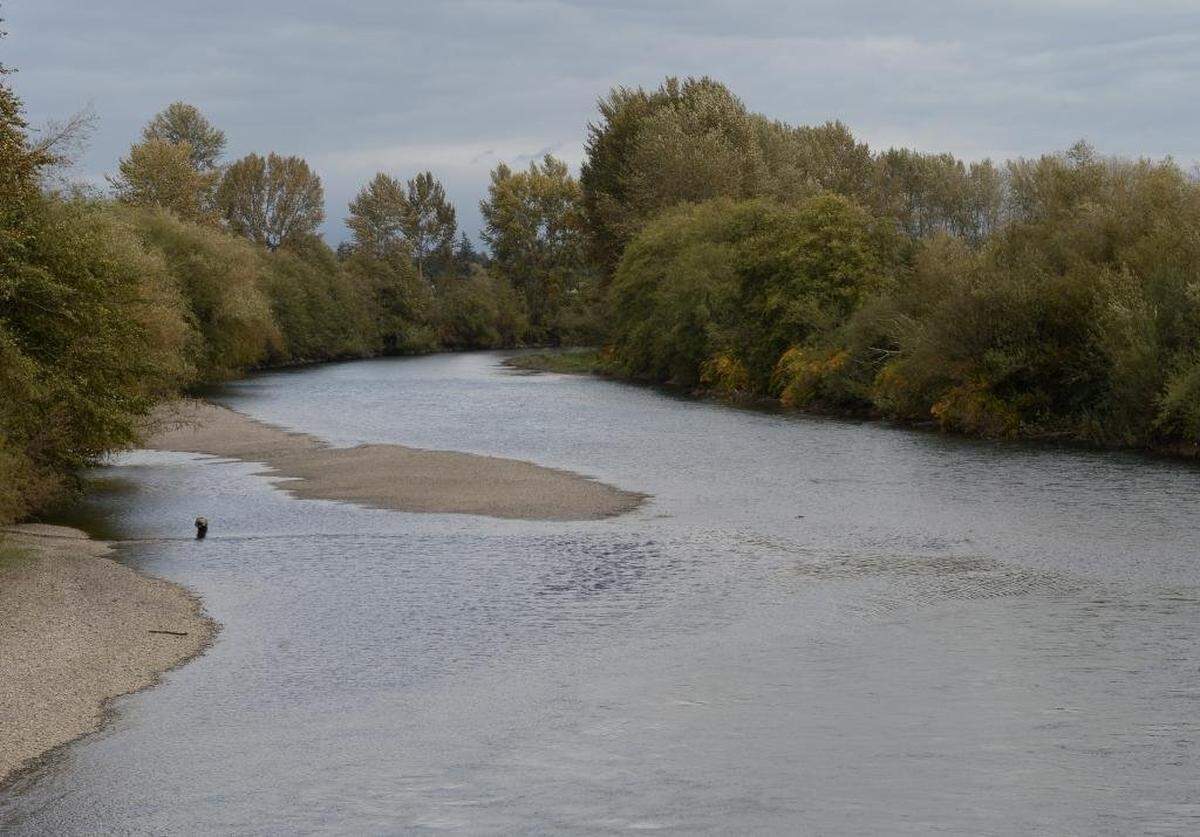
The stretch of the Nooksack River that flows from Ferndale to the Bellingham Bay is used for agriculture and heavy industry. This stretch includes water treatment plants, two wastewater treatment plants and an industrial water supply intake for the Cherry Point Heavy Impact Zone that are subject to risks associated with the flooding of the Nooksack River.
What’s being done now: Research is being done by professor Mitchell and others to create models that will help farmers, recreational users and governments understand the potential challenges facing local water resources.
BEHIND THE STORY
MOREHow we did this series on climate change impacts in Bellingham and Whatcom County
Reporters Robert Mittendorf and Warren Sterling spent three months researching climate change’s impacts on Whatcom County residents for this series of a dozen stories in anticipation of Bellingham and Whatcom County focusing on climate change in early 2020.
They talked to experts about how climate change is manifesting in Whatcom County, what is being done locally about those impacts and what residents can do on their own to help.
Why we wrote this series on local climate change impacts now
Bellingham City Council members voted Dec. 9 to create a permanent council Climate Action Committee and will begin discussing the Bellingham Climate Action Plan Task Force’s recommendations at their Jan. 13, 2020, meeting.
The Whatcom County Climate Impact Advisory Committee expects to update the County Council in summer 2020 about its review of the Whatcom County 2007 Climate Protection and Energy Plan. The advisory committee has been meeting since March 2018 after the county’s 2016 Comprehensive Plan update included climate impacts and created the committee. Cascadia Consulting of Seattle was contracted to provide the committee with a greenhouse emissions update, a current science summary and vulnerability assessments of water, ecosystem, development and transportation infrastructure in early 2020.
What questions do you have about local climate change impacts?
Please send questions and future coverage suggestions to newsroom@bellinghamherald.com.
Skookum Creek
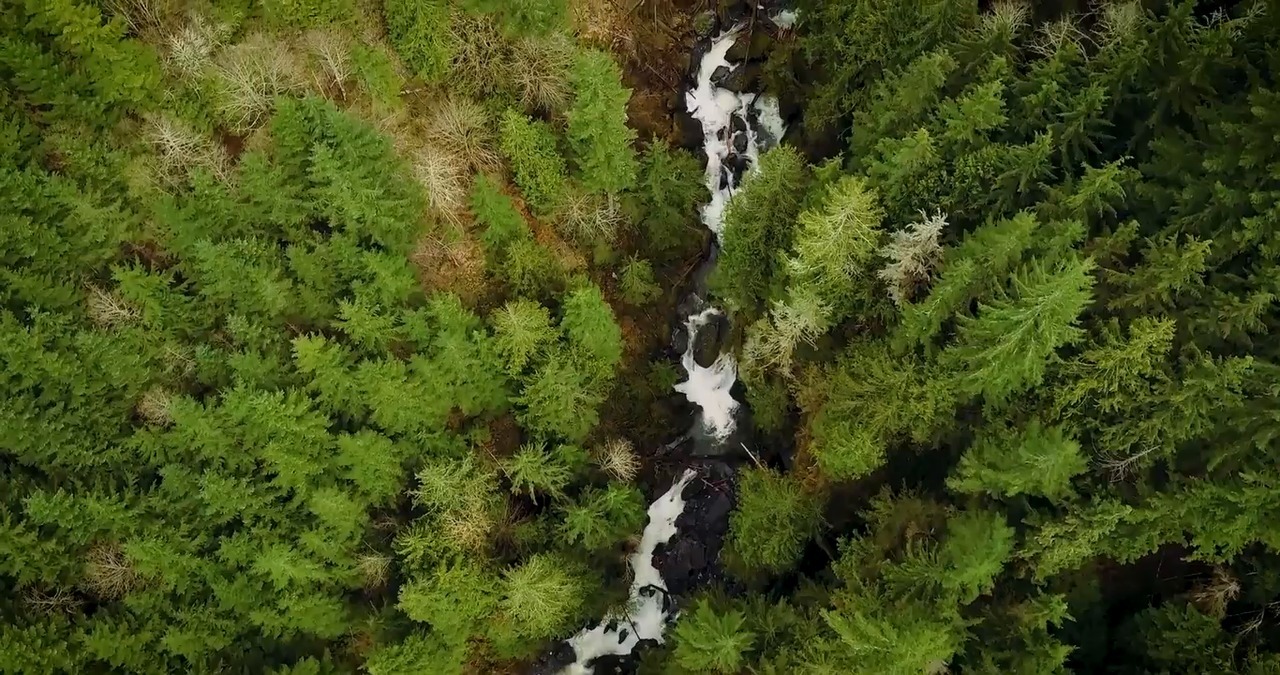
In February of 2019, the Whatcom Land Trust purchased 1,400 acres of land from Weyerhauser Co. The Skookum Creek Conservation Corridor project protects land along Skookum Creek, which is an important cold-water tributary to the South Fork Nooksack River.
Trees provide shade along a creek and increase a stream’s resilience to flooding and erosion as well as keeping the creek cooler in the summer months.
What can you do now: Donating to conservation organizations such as the Whatcom Land Trust makes purchasing key areas of land for protection possible and helps improve the resilience of rivers in the long run.
Reducing your carbon footprint is another way for an individual to make a positive impact on the environment and slow regional temperature increases. Check out the Bellingham’s “I’m in” pledge to lower emissions for ways to lower your carbon footprint.
Tomorrow: Smoke.