Port of Bellingham resolution limits ICE activity on port-owned property
READ MORE
Immigration and Customs Enforcement
Key articles from The Bellingham Herald and our McClatchy partners
Expand All
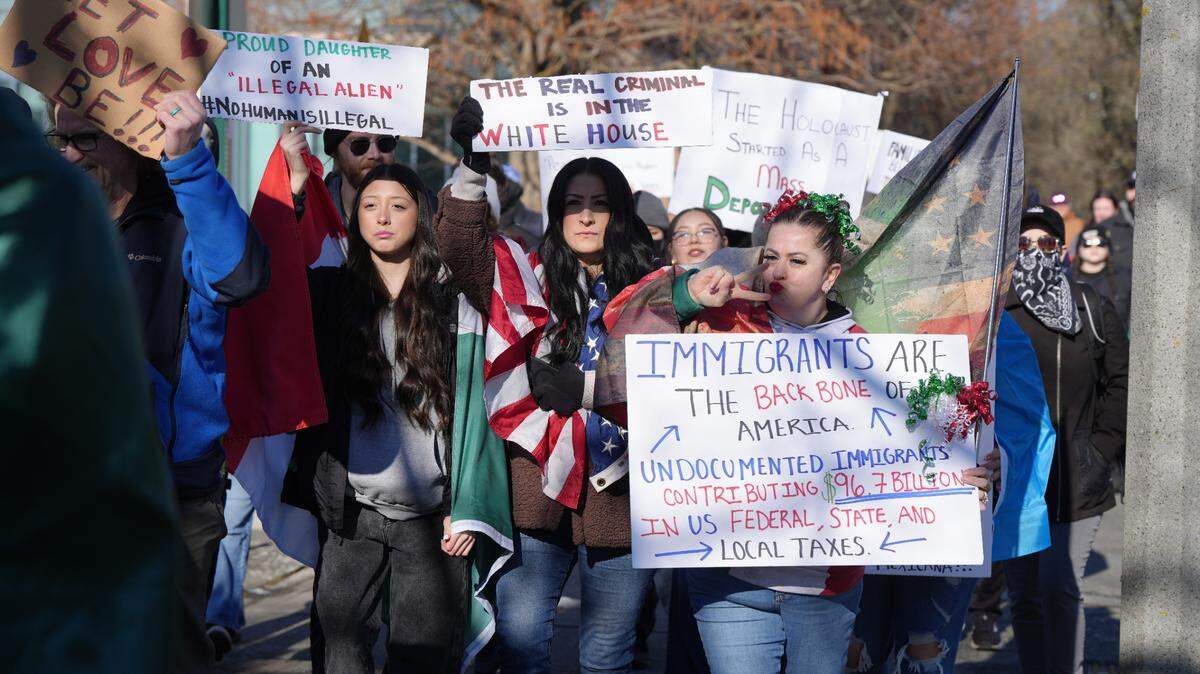
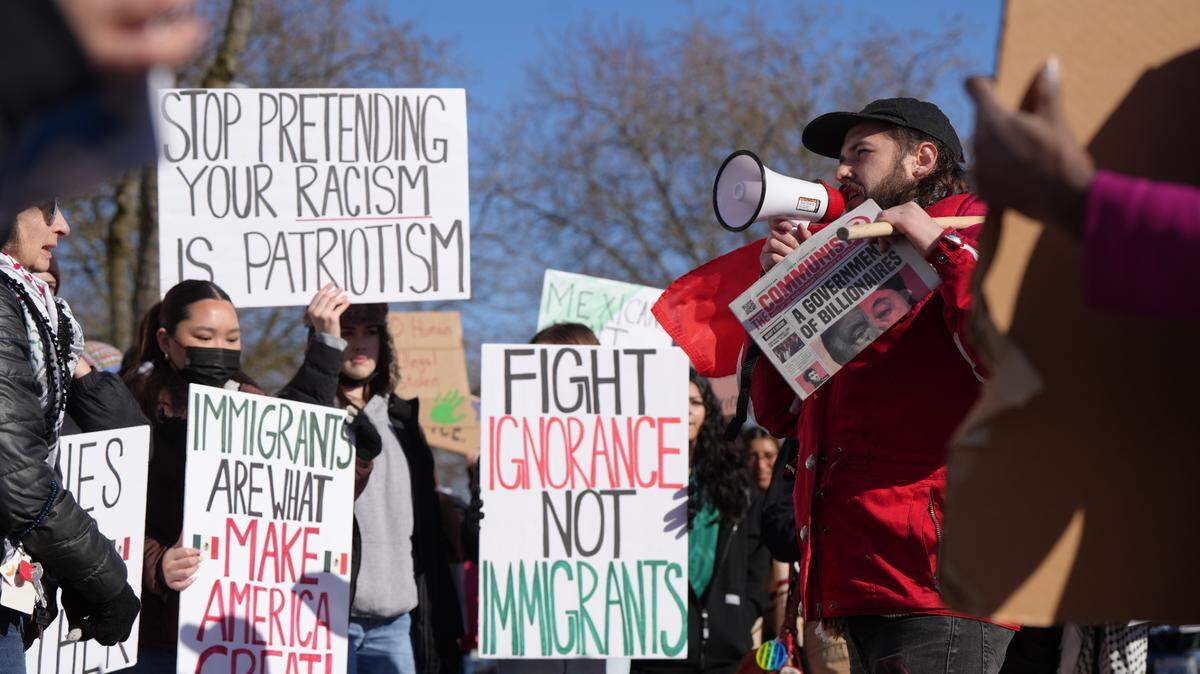
The Port of Bellingham Commission on Tuesday voted 2-1 to adopt a resolution that is referred to informally as the “ICE-free zone” resolution, which is designed to limit the use of Port-owned property for civil immigration enforcement.
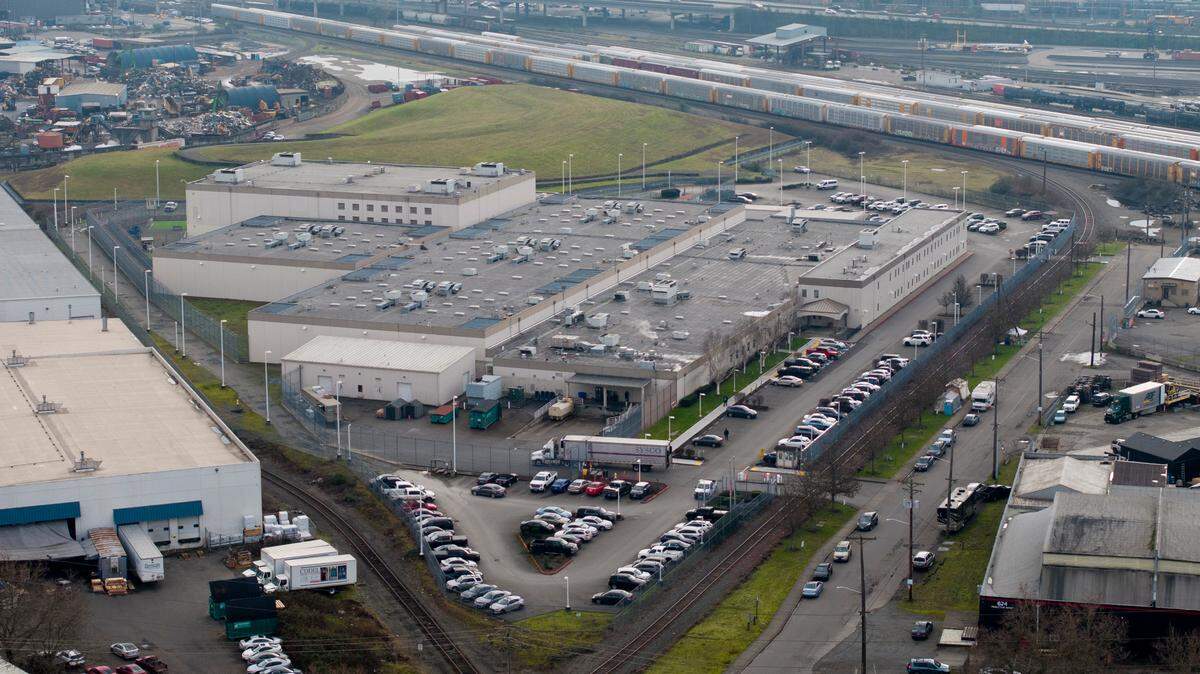
The resolution, which was met with cheers upon being approved, prevents Port property from being used for civil immigration detention facilities or civil immigration enforcement support facilities, such as for processing, assembly, mobilization, vehicle staging, equipment storage, operational briefings, operational base or administrative functions.
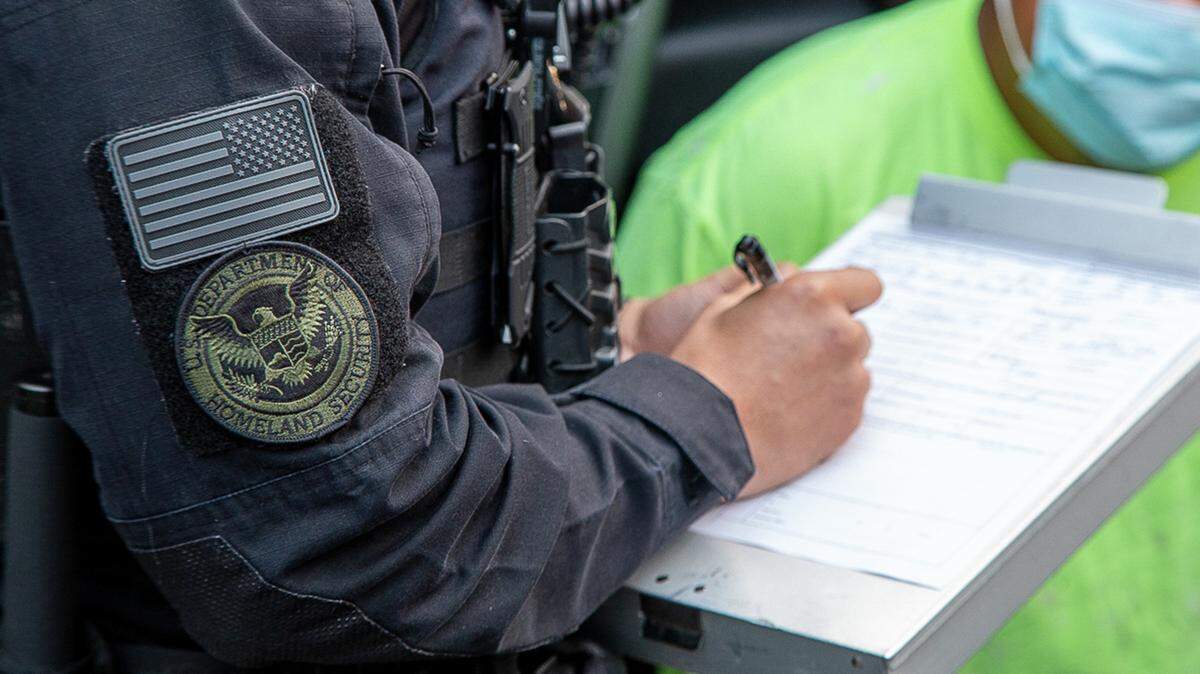
It also specifies that a lawful judicial warrant is required to carry out federal civil immigration enforcement in non-public Port-owned spaces.
“I think (the resolution) has a balance of some things that are both symbolic ... and also some clear guidelines on what we expect moving into the future. I do think this is the right pathway forward. I think this is something where we’re able to show local leadership and being responsive to requests from our community,” Commissioner Michael Shepard said during the June 9 meeting.
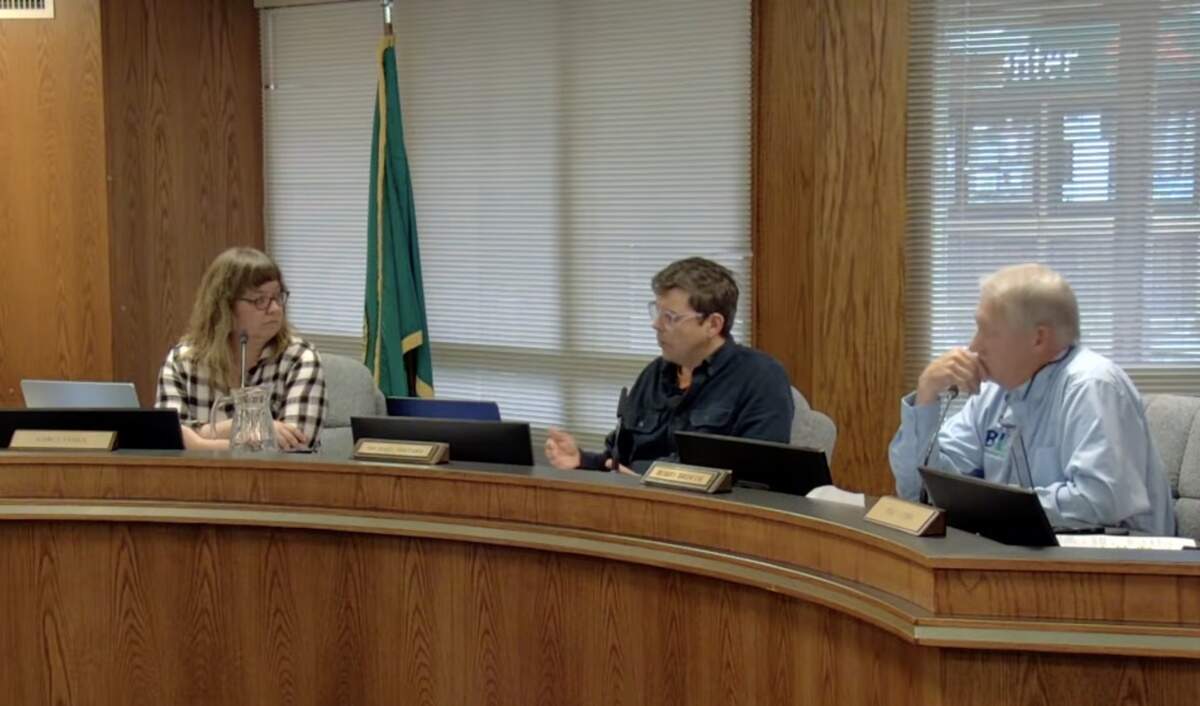
Commissioner Bobby Briscoe voted against the resolution, saying he believed it lacked “teeth.” He said he would not vote to approve an ICE detention facility on Port property if it were proposed, and said he did not see a reason to pass a resolution to do that job for him.
Commissioners Carly James and Michael Shepard voted to adopt the resolution, expressing a desire to respond to community requests and show leadership.
The resolution acknowledges individual “rights to access Port facilities without interference from unlawful civil immigration enforcement” while also recognizing “the important role federal agencies play in carrying out their immigration and customs enforcement responsibilities.”
The resolution states that immigration enforcement practices create “fear and distrust among workers and deter visitors,” therefore resulting in “business disruptions and substantial economic losses.”
Approximately 15.6% of Washington’s residents and 19.8% of its labor force is foreign born, according to data from the American Immigration Council. Immigrants make up 49.1% of the agriculture workforce in the state. They also account for 22.6% of entrepreneurs, 32.8% of STEM workers and 33.2% of health aides in the state.
“I really think it’s not just about keeping people safe. It’s also about protecting our economy here. I think as we protect workers, as we protect community members, as we protect those businesses that operate, we’re enabling their economic success,” Commissioner Shepard said.
The resolution is not intended to conflict with state or federal law or interfere with lawful immigration enforcement activities. It includes a provision allowing any part of the resolution found to be unlawful to be struck, while the remainder of it can remain in place.
The Port is limited in the scope of restrictions it can implement because it accepts federal financial assistance.
The resolution was partly inspired by the Port of Seattle’s Order No. 2026-03, which was adopted in February with similar intent. The Port of Bellingham resolution was also informed by resolutions and orders adopted by other jurisdictions that have either sustained legal challenge or have not yet experienced legal challenge, according to Port lawyer Holly Stafford.
Customs and Border Protection (CBP) has offices at Port facilities, including at the Bellingham International Airport (BLI).
This story was originally published June 11, 2026 at 1:40 PM.


.png)