
Can I record ICE activity in my WA city? Here’s what law, immigration experts say
If you see federal immigration agents in Washington state, what should you do?
Officers with U.S. Immigration and Customs Enforcement and U.S. Border Patrol have carried out mass raids and detentions at cities across the nation, including Chicago, Los Angeles and Portland, Oregon.
In January, federal immigration officers shot and killed two people — Renee Good and Alex Pretti — in Minneapolis, sparking numerous protests, vigils, school walkouts and a national strike.
Other people have died or been injured in dealings with ICE so far in 2026.
Are bystanders legally allowed to record ICE activity in Washington state? What’s the best way to report interactions with ICE?
Here’s what to know:
Can I record ICE activity in Washington state?
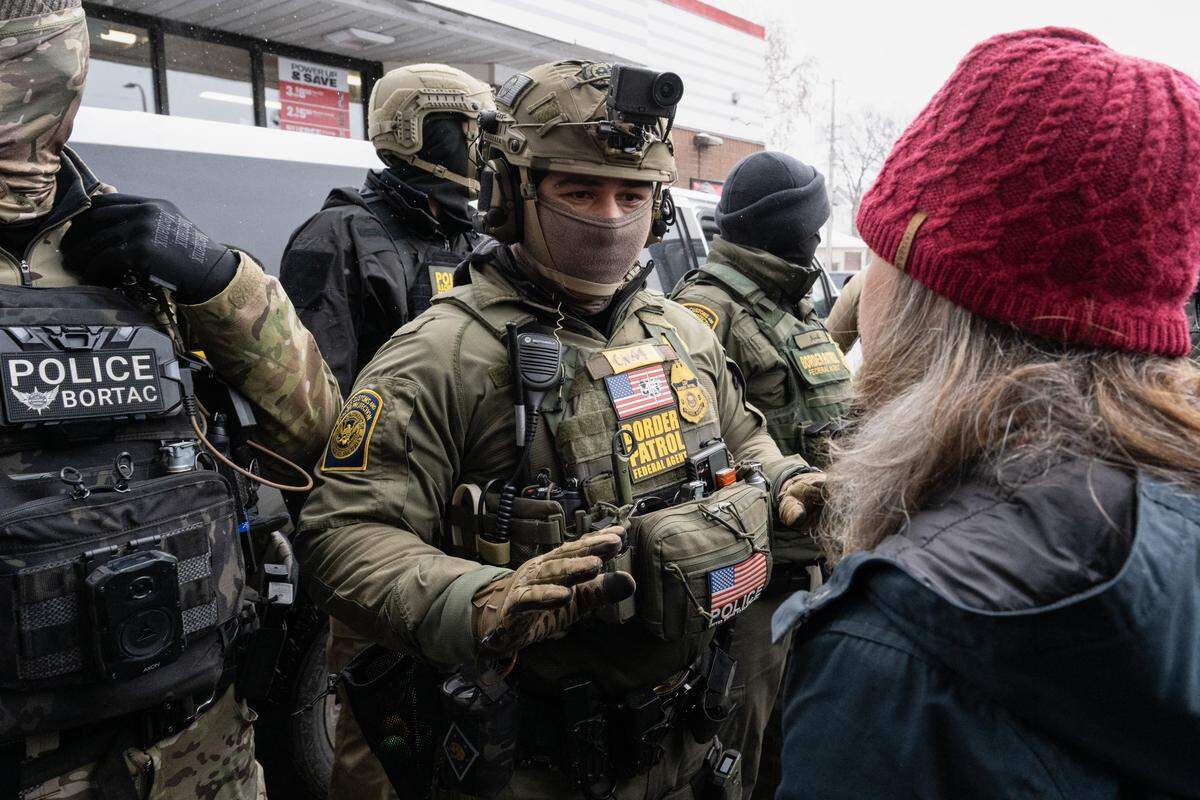
In Washington state, you have the right to record activity and interactions with immigration and law enforcement officers, so long as you do not impede them from doing their job.
“You may record on‑duty police in Washington when you are in a place you have a legal right to be,” Sacramento attorney James L. Arrasmith told a Tacoma resident via Justia. “Your First Amendment rights protect photographing and video‑recording officers performing their duties, subject to reasonable time, place and manner limits and lawful orders addressing safety or scene integrity.”
If you are asked to back up, the Washington Immigrant Solidarity Network and other organizations say you should take a step back and repeat these words: “I am exercising my right to record and document.”
If officers get too close to you, state that you have stepped back and repeat you are exercising your right to record. You want to remain calm, but speak firmly.
Record the entirety of the incident, and narrate your experience. State the date and time while recording.
Once you begin documenting activity, experts say you should disable thumbprint or facial recognition protection on your phone. Using a passcode better protects your evidence and information.
Should I post about ICE activity in my city?
Before sharing information about ICE activity in your city, you should carefully evaluate whether doing so is more helpful than harmful, the Washington Immigrant Solidarity Network said.
Enrique Gastelum, CEO of the Worker and Farmer Labor Association, agreed that it’s important to consider the potential impacts.
“Some people are already going to have nervous or high-charged emotions,” Gastelum previously told McClatchy Media, adding that posting about ICE activity “can sometimes stoke those fears even more if they don’t really know what’s going on.”
“My message for the general public is: Get informed. Do your research. Know what’s happening,” he added.
Government agencies are present throughout the year, so it’s important to differentiate standard activity from raids.
”Don’t be somebody that’s stoking unnecessary fear, because that can also lead people to do drastic things that may not be necessary, like go on the run or go into hiding, stuff like that ...” Gastelum said.
What info should I include in my post?
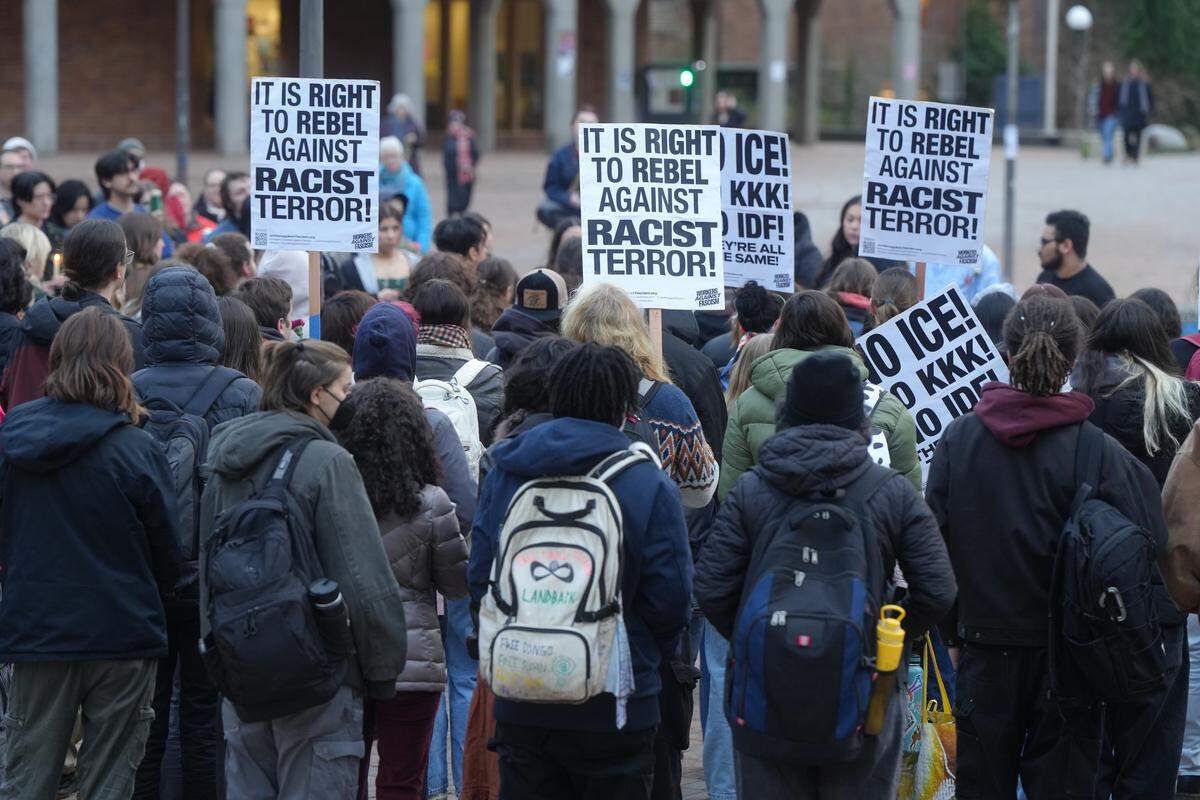
If you’re going to post online, make sure your information is backed up with evidence.
The Washington Immigrant Solidarity Network recommends speaking with a first-person witness if you can.
According to the coalition, any post you make should include:
- Date and time of reported activity
- Street name or specific description of the area
- Pictures and videos with timestamps
What should you not do when recording ICE activity?
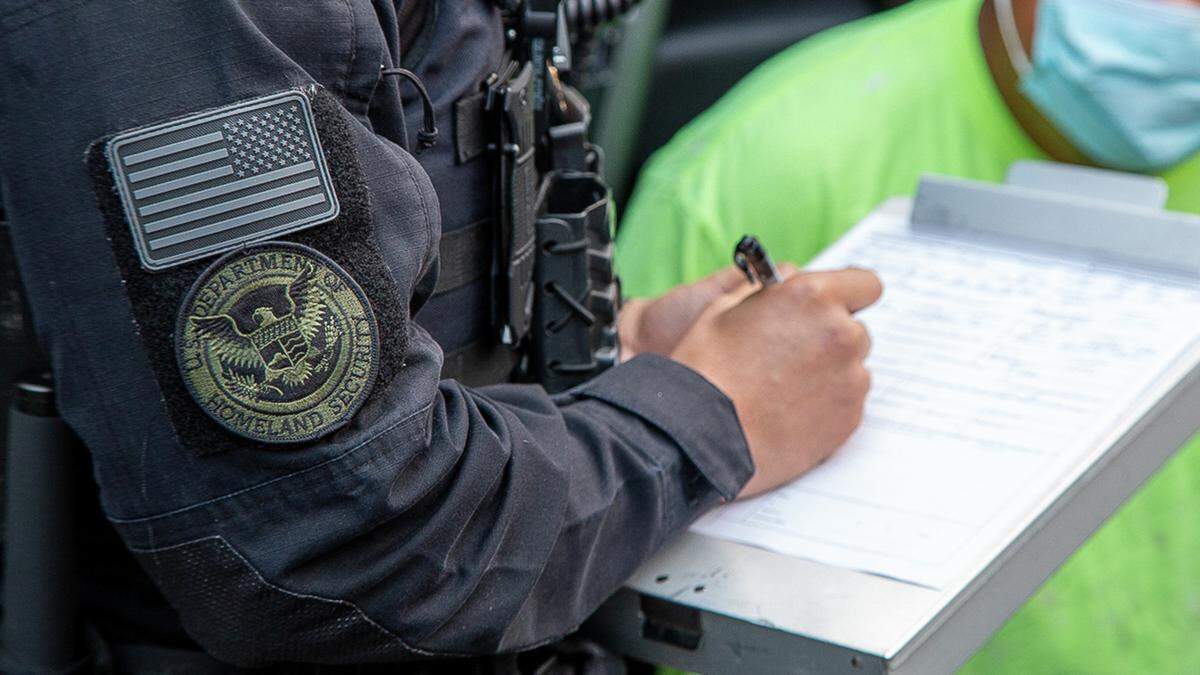
There are actions you should not take as a bystander to ICE activity, according to the Washington Immigrant Solidarity Network.
They include:
- Do not run to social media to post about potential sightings. This can cause panic in a time when accurate information is crucial.
- Do not go live on social media, in order to protect the privacy and safety of anyone being detained.
- Do not disclose anyone’s legal status, even if asked by ICE. You do not have to answer questions about others; you are only required to present your own paperwork when asked by an immigration officer.
- If asked about another person’s status, say “I don’t know” or “I can’t help.” You also have the legal right to say nothing.
Who should I report ICE activity to?
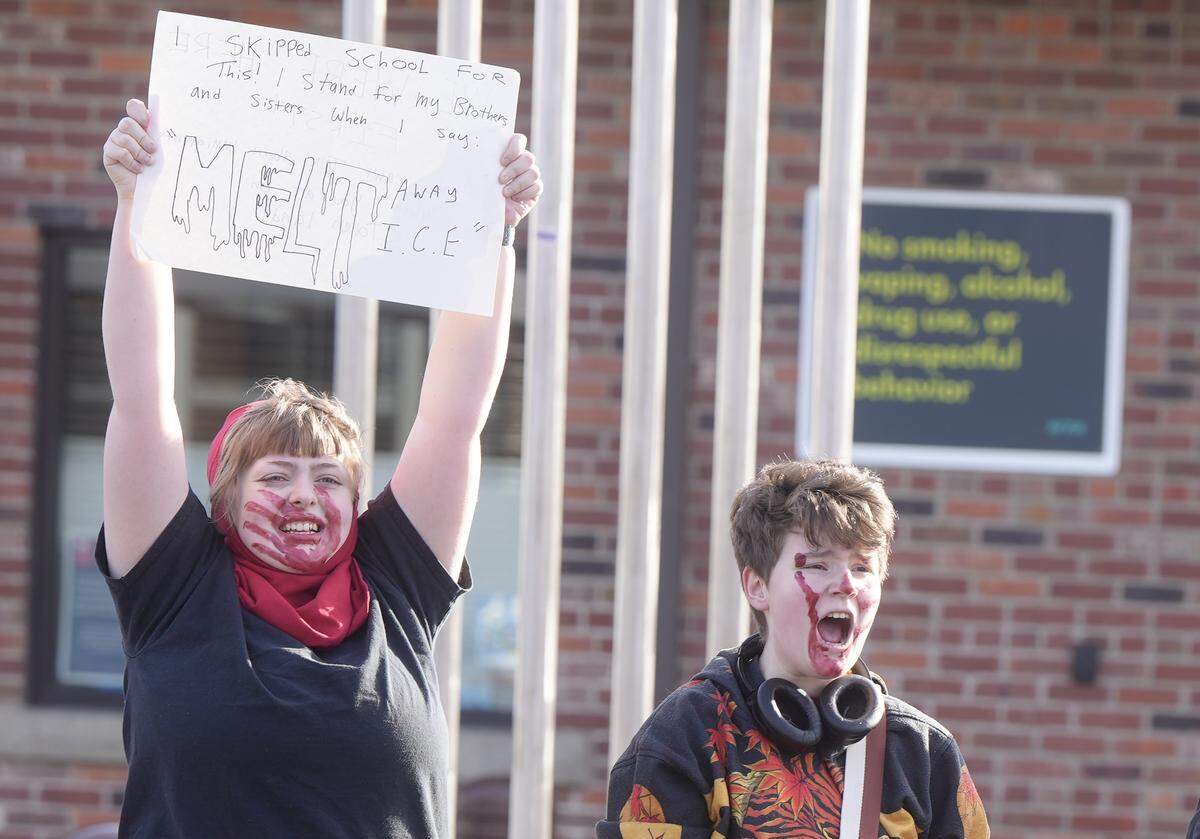
In Washington state, you can call the Deportation Defense Hotline at 1-844-724-3737 if you see potential ICE activity.
The hotline, which is run by the Washington Immigrant Solidarity Network, takes reports from around the state about suspected ICE activity, then deploys rapid response teams to evaluate the reality of the situation.
The teams work to confirm sightings and validate activity, so the network can relay valid information and focus on supporting legitimate threats.
The hotline’s hours of operation are 6 a.m. to 6 p.m. Monday through Friday, but you can still call during off hours. Leave a detailed message and your report will be prioritized during active hours, hotline manager Nedra Rivera said.
The operator taking your report will ask you a series of questions, including:
- What your role in the scenario was
- If you saw the activity firsthand or online
- Which agency you observed
- What officers were wearing
- What vehicles were on site
- How many people were detained, if any
Refer to the notes and videos you took during the encounter. It’s best for the original witness to call the hotline, so the operator can collect as much as information as possible, according to Rivera.
“Once we take the report, we immediately activate our rapid response organizer,” Rivera previously told McClatchy Media. “There are volunteer teams around the state ... that are trained in rapid response to go to the scene, to activate in those cases, to serve primarily, to document, to verify, to share Know Your Rights information with community members, if they are being detained, to film if that’s possible in the situation, and to bring those reports back.”
McClatchy Media’s Rosemary Montalvo contributed to this story.
This story includes information originally published in 2025.
This story was originally published January 30, 2026 at 2:01 PM with the headline "Can I record ICE activity in my WA city? Here’s what law, immigration experts say."