Whatcom County Superior Court to expand remote access in response to ICE arrests
READ MORE
Immigration and Customs Enforcement
Key articles from The Bellingham Herald and our McClatchy partners
Expand All
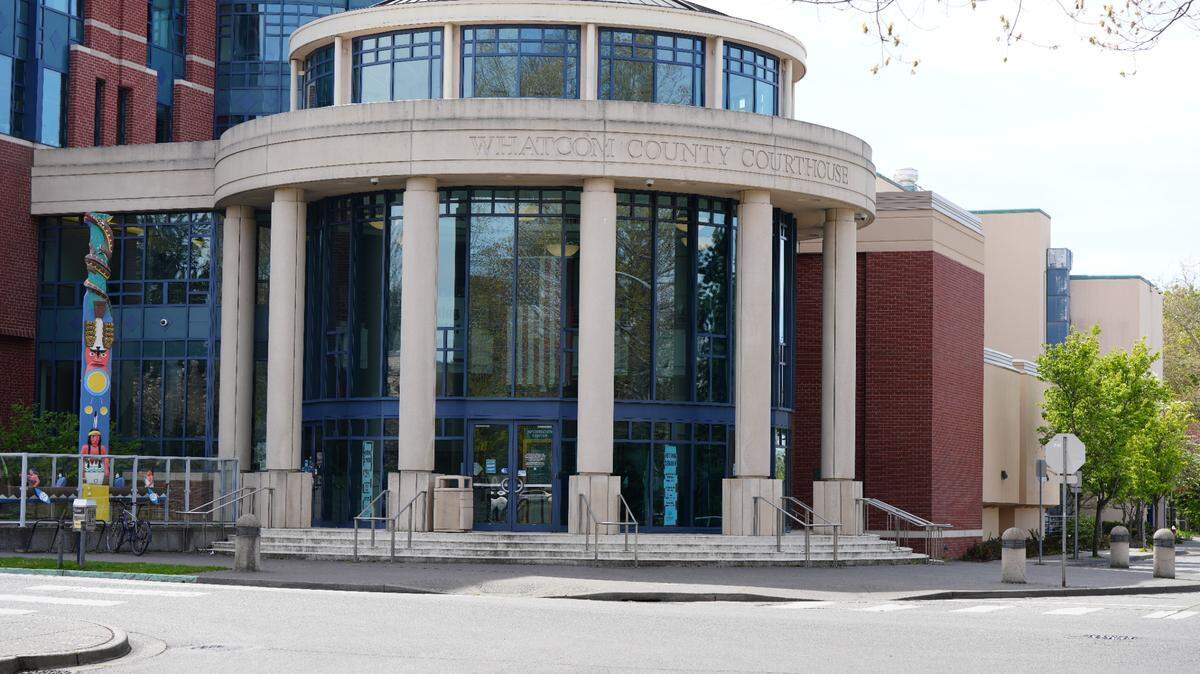
Whatcom County Superior Court is expanding remote public access to court proceedings in response to an uptick in federal immigration enforcement near the courthouse in Bellingham.
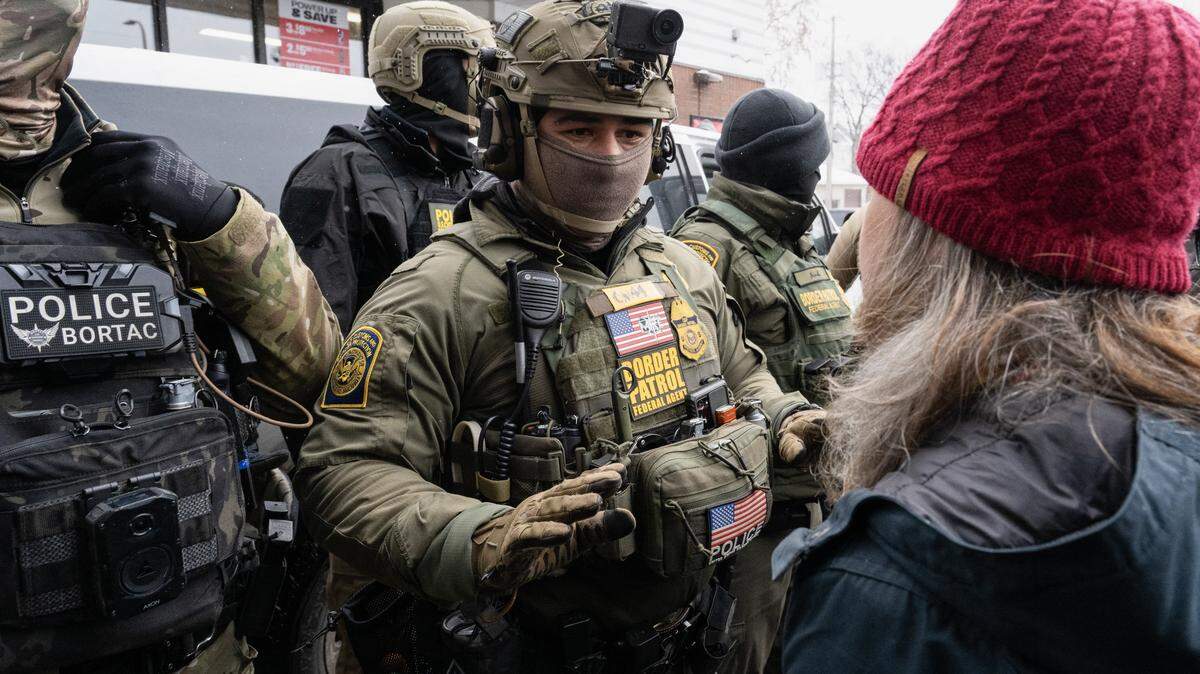
Presiding Judge David Freeman said in a press release Friday that detainments by U.S. Immigration and Customs Enforcement (ICE) around the courthouse — including on the steps of the building, between the jail and courthouse, and on nearby blocks — has been a topic of discussion at judicial officer meetings.
Many of the ICE arrests involve people with hearings in District Court and Superior Court, Freeman said. In at least one case, a law enforcement agent was observing court from a remote viewing room. Law enforcement is required to check in with courthouse security if they are there for a civil enforcement action, but Freeman said he is unaware of any situation where they have done so.
The court reports suspected detainments to the Administrative Office of the Courts. Freeman said he and Judge Jonathan Rands, presiding judge of Whatcom County District Court, have partnered with community groups to improve the accuracy of their reports. They also follow up on tips from the public.
Freeman did not provide any data on the number of federal immigration actions near the courthouse.
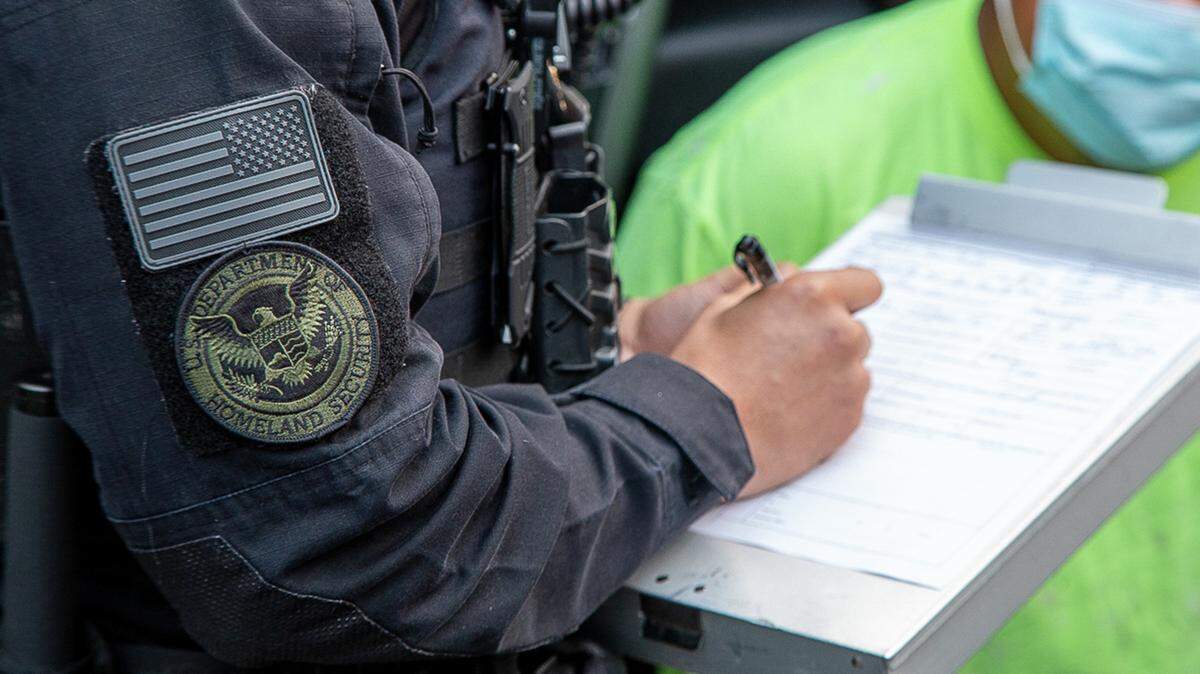
A memorandum to ICE agents from the director of the U.S. Department of Homeland Security states that agents can conduct enforcement actions in or near courthouses when they have “credible information” that leads them to believe that the targeted person is or will be at a specific location. They are instructed to “generally avoid” enforcement actions in areas dedicated to non-criminal proceedings, such as family court.
Whatcom County Superior Court will now provide remote access and appearances for almost all hearings “in an effort to expand options while continuing to provide open and accessible opportunities for participation and observation,” Freeman said.
Freeman said he “will continue to listen to concerned community members and to coordinate with local and state leadership to ensure that our Court remains open and accessible to our entire community.”
This story was originally published April 11, 2026 at 5:20 AM.


.png)