Whatcom County Council sets vote on banning new civil detention centers
READ MORE
Immigration and Customs Enforcement
Key articles from The Bellingham Herald and our McClatchy partners
Expand All
A measure to ban civil detention centers — such as the kind being used by the federal government to imprison people suspected of immigration violations — will go before the Whatcom County Council in two weeks.
On a 5-2 vote Tuesday night, County Council members advanced a measure that creates a one-year ban on accepting or processing applications and permits for new or expanded holding facilities, such as those used by Immigration and Customs Enforcement. A public hearing was scheduled, and a vote is likely when the council meets at 6 p.m. Tuesday, June 23.
Councilmembers Ben Elenbaas and Mark Stremler voted against introducing the ban for County Council consideration.
“All we’re doing is grandstanding in my opinion, and I wish we wouldn’t waste another second on this,” Elenbaas said.
Councilmember Jessica Rienstra drafted the measure to focus on zoning, land-use and other questions surrounding such a large holding facility for people awaiting immigration hearings.
“I really appreciate everybody’s openness to talk about this,” Riensta said. “I certainly understand that it is something that has big opinions and emotions around it. Again, this is not something that I see as abstract or hypothetical. We see people afraid to get healthcare, afraid to report crimes, kids that are afraid to go to the bus to get to school. And if this is a way that we can stand up sand say , ‘We hear you. We see that you’re scared. and we hear you,’ I’m OK standing up and loudly doing that.”
During discussion of the measure in the council’s Planning and Development Committee on Tuesday afternoon, Elenbaas said such a one-year ban is redundant because civil-detention facilities are already banned because they aren’t expressly permitted in county codes.
“We are literally proposing a ban on something that is already prohibited,” he said.
ICE is already Iooking for more places to hold large numbers of people as part of the Trump administration’s crackdown on immigrants, Councilmember Jon Scanlon said.
“The idea behind going with a time-limited moratorium, to Councilman Elenbaas’ point, (is) while we don’t see anything right now, there are areas around the country where the federal government is acquiring land, is buying warehouses, to expand federal civil detention facilities. And there are places around this country that are red, that are blue, that are purple in how they vote, who are standing up and saying no. It’s not a partisan thing,” Scanlon said.
The U.S. operates more than 190 civil detention facilities, the world’s largest such prison network, according to the ICE website. Social justice organizations such as the American Civil Liberties Union and other critics have described inhumane conditions in many of the prisons.
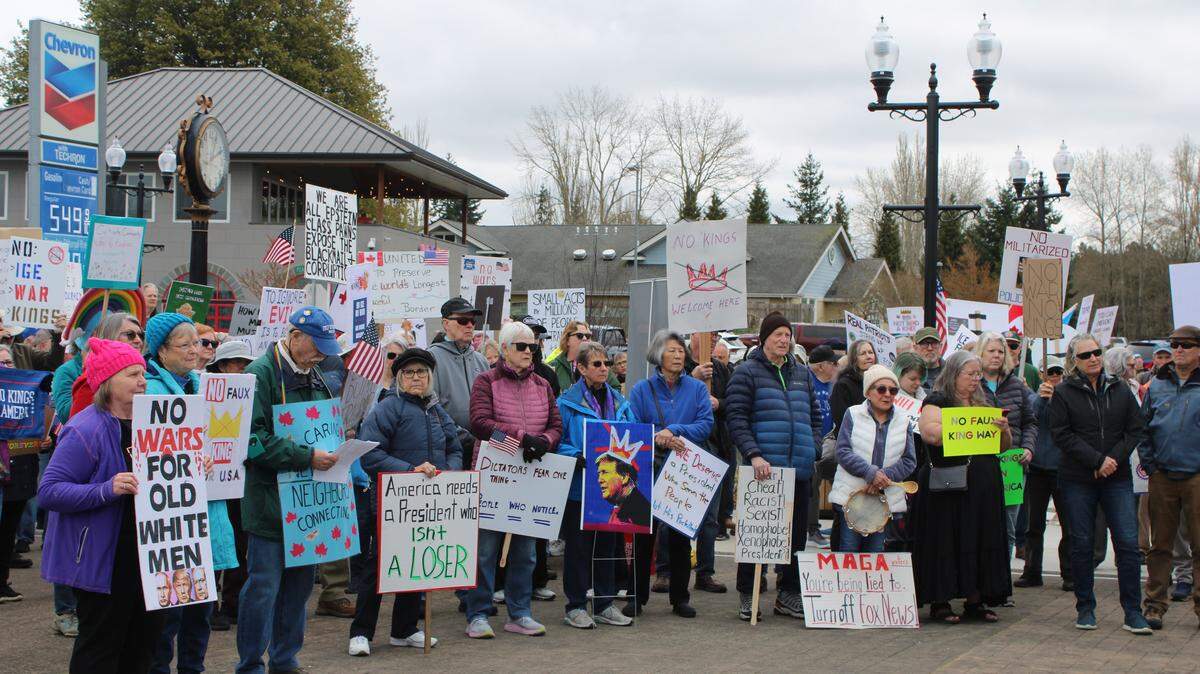
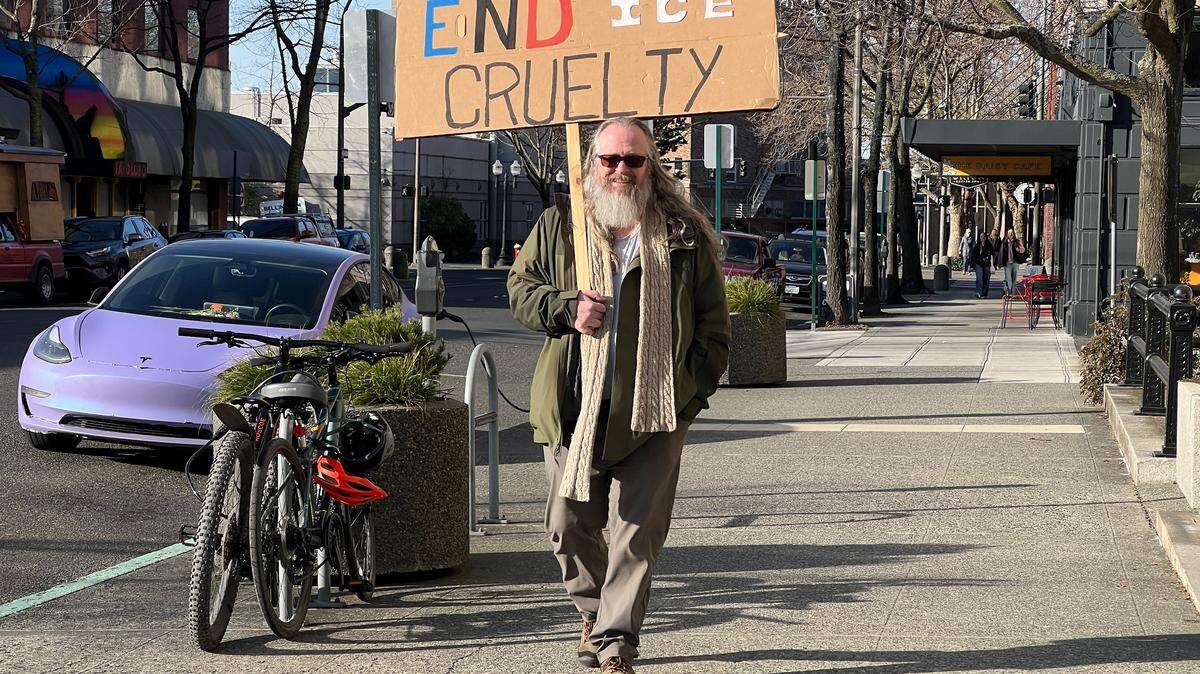
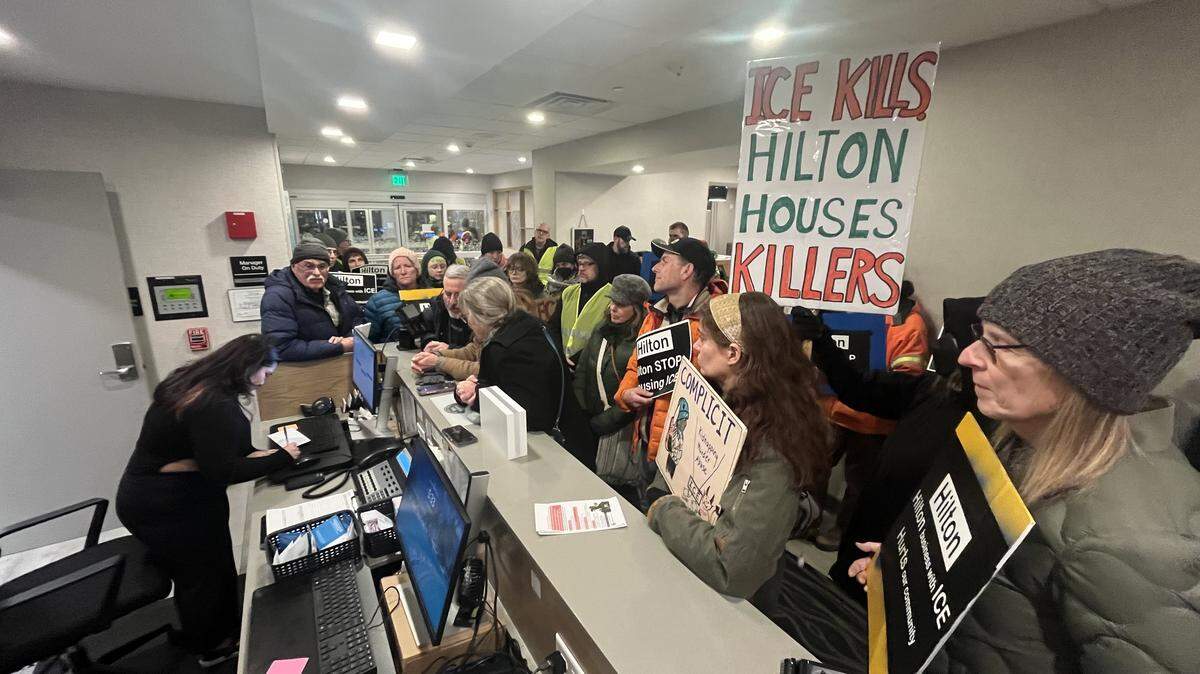
Opposition to the immigration crackdown is being felt around Whatcom County.
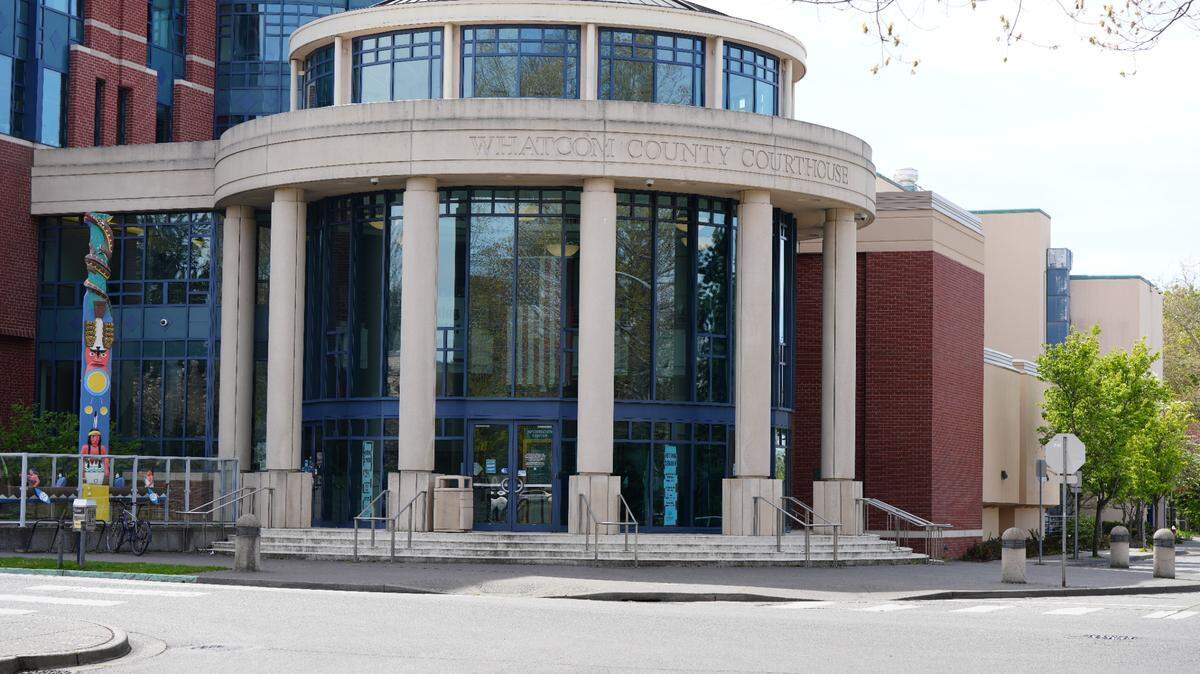
After several people were arrested in downtown Bellingham this year, city officials took steps to ban ICE from using city-owned parking lots to stage those operations. Whatcom County Superior Court is expanding remote access to court proceedings because of increased federal immigration enforcement near the courthouse, according to previous Bellingham Herald reporting. Bellingham has seen several protests focused on ICE activity in recent months.
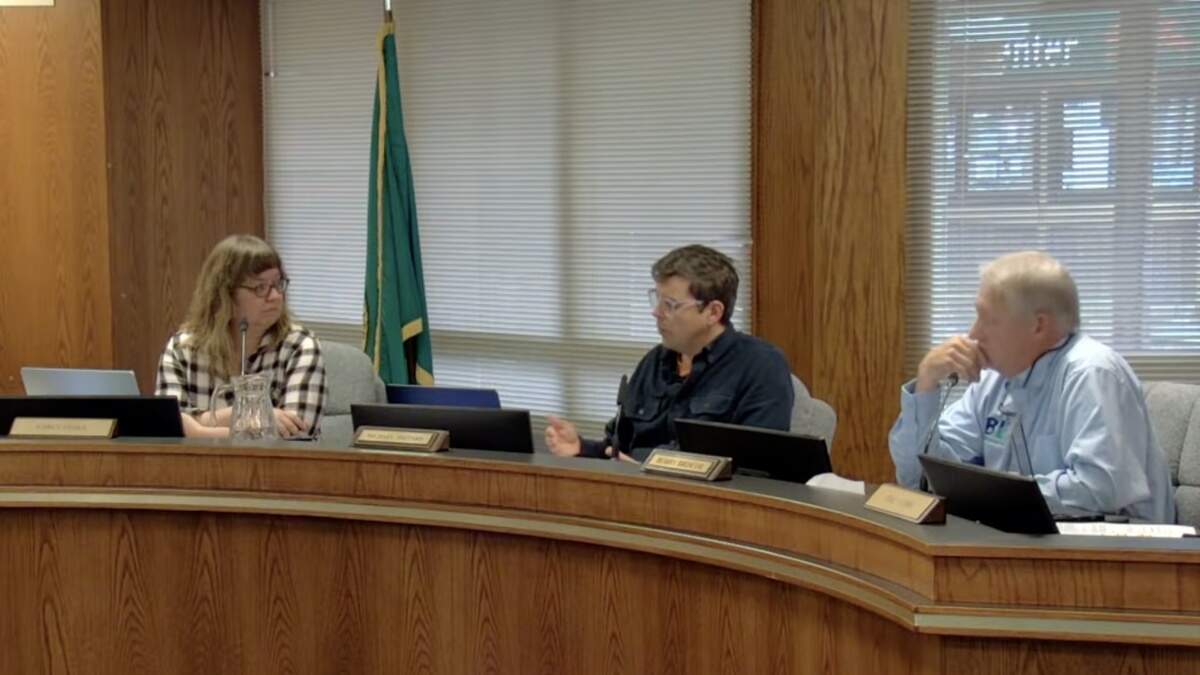
On Tuesday, the Port of Bellingham Commission voted 2-1, with Commissioner Bobby Briscoe opposed, to limit the use of Port-owned property for civil immigration enforcement.
“The (one-year) pause would give Whatcom County time to address gaps in current land-use regulations, which do not specifically account for involuntary civil-detention facilities, while evaluating the potential impacts large-scale facilities could have on infrastructure, transportation, utilities, public safety and surrounding communities. It would also allow the county to study long-term community impacts and develop permanent zoning standards that protect resident welfare,” Rienstra told The Bellingham Herald in May.




.png)