Here’s the best way to keep snow off your Bellingham sidewalks and driveways
Even though public works crews in Bellingham and Whatcom County treat roads with salt, liquid brine or sand when temperatures drop — the same isn’t true for residential sidewalks and driveways.
Wait until it snows before you use salt, sand or a chemical de-icer, said Donald Newman, floor manager at Hardware Sales in Bellingham.
“Cities do that, but you really don’t want to put the ice-melt on before,” Newman told The Bellingham Herald. “It needs to melt through.”
Newman recommends shoveling soon after a snowfall and then using your preferred treatment.
“You need to get after it right way,” he said. “You don’t want to get down to chipping ice. That’s no fun.”
Salt works pretty well but both salt and ice-melt can stain floors, Newman told The Herald during last year’s February Freeze.
Salt and de-icer will melt ice. Sand is good for traction on steep driveways but it won’t melt snow or ice. Each method has its environmental drawbacks.
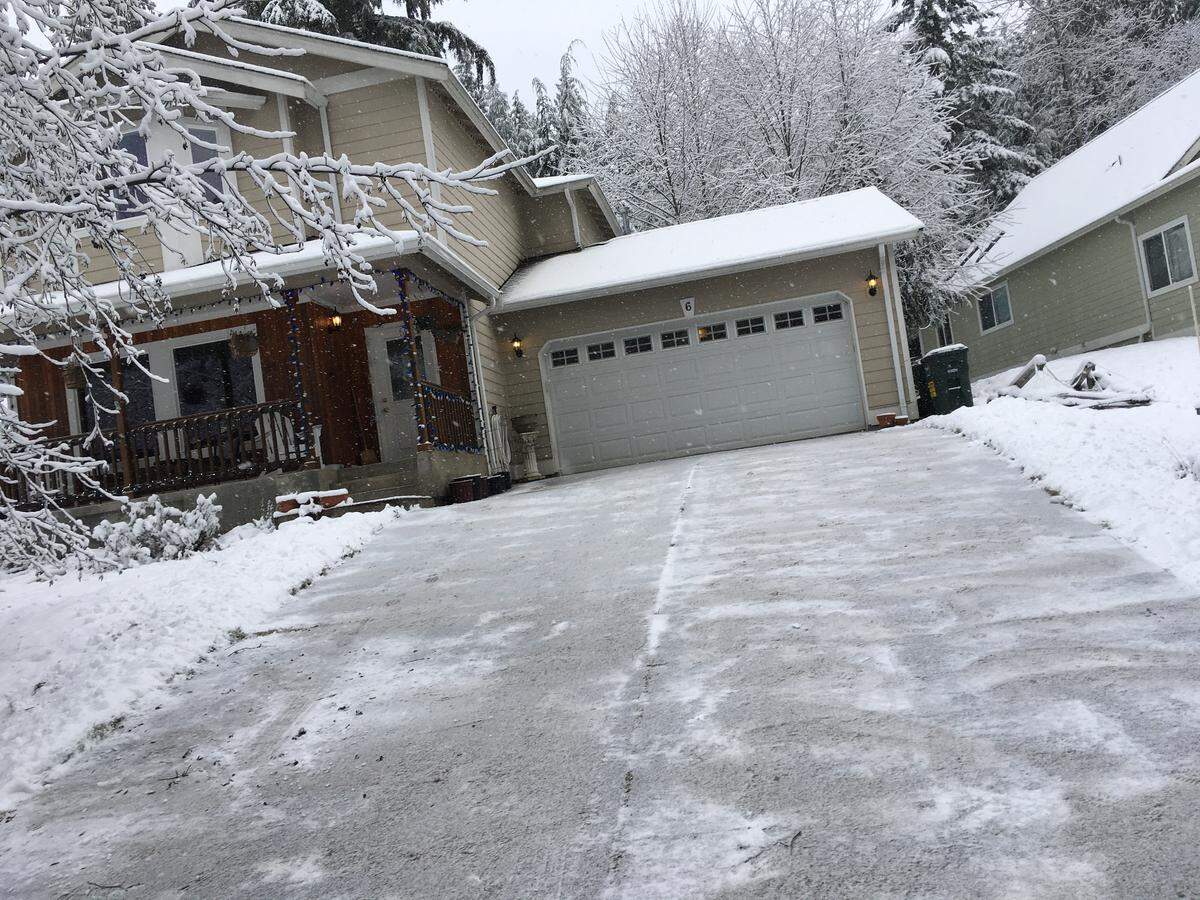
Hardware Sales was well-stocked with deicers, sand and salt — plus gloves, hand-warmers and hats — with more supplies on the way, Newman said Friday.
He said they were low on sleds, though.
As for shoveling, Newman said to push rather than scoop.
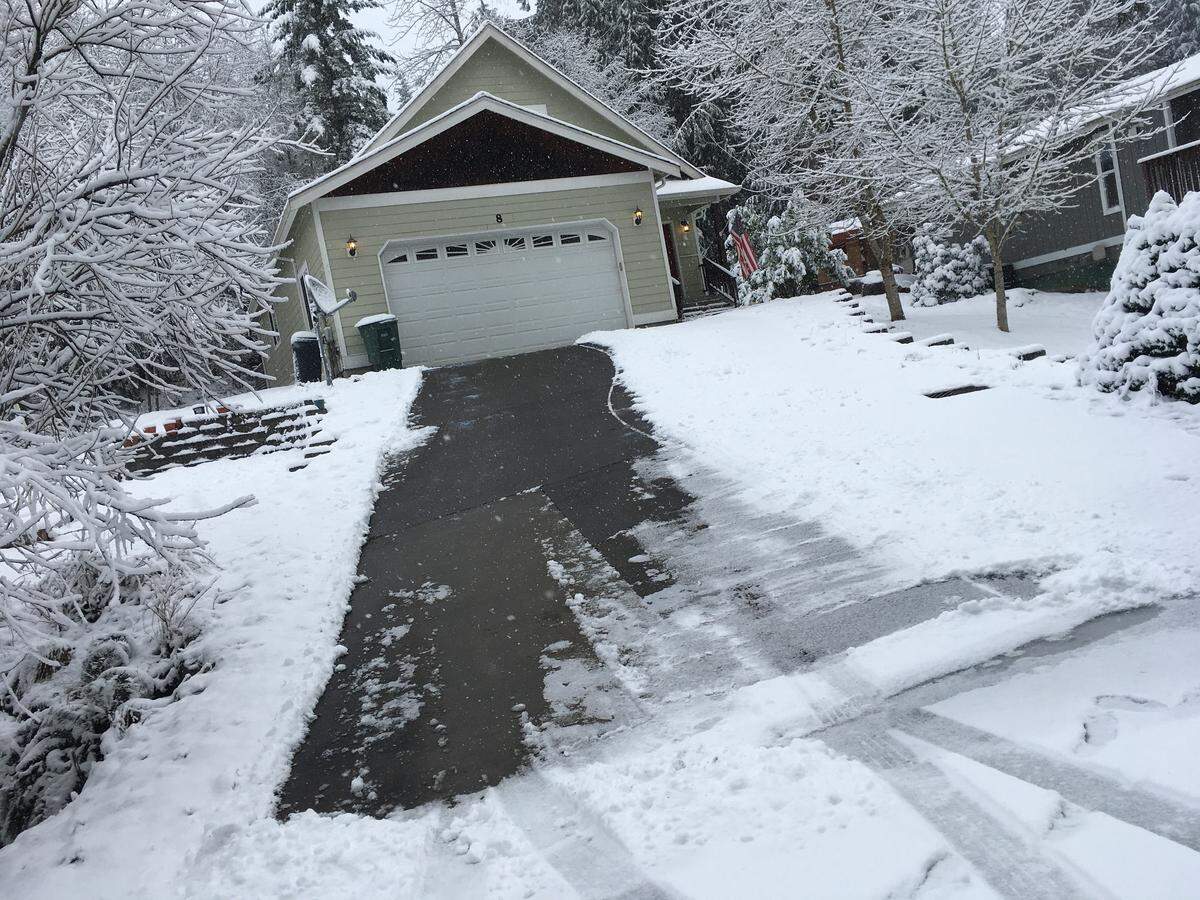
“Try not to lift it. Try to push it if you can,” he said. “Push it. Use your legs, not your back.”
If you pick up a shovel full of snow, toss it forward and not to one side or over your back.
Back injuries, along with shoulder strains, head injuries and broken bones caused by falling are among the most common ailments from snow shoveling, according to a 2017 article by Dr. Marc Harwood for Rothman Orthopedics of New York.
About 11,000 people are examined in hospital ERs every year for shoveling-related injuries, according to the online service Web MD, citing two academic studies.
Some 100 people die every year from heart attacks while shoveling snow, according to the Nations Safety Council.