
Text scam targeting WA drivers is back on the rise. Here’s what you should look out for
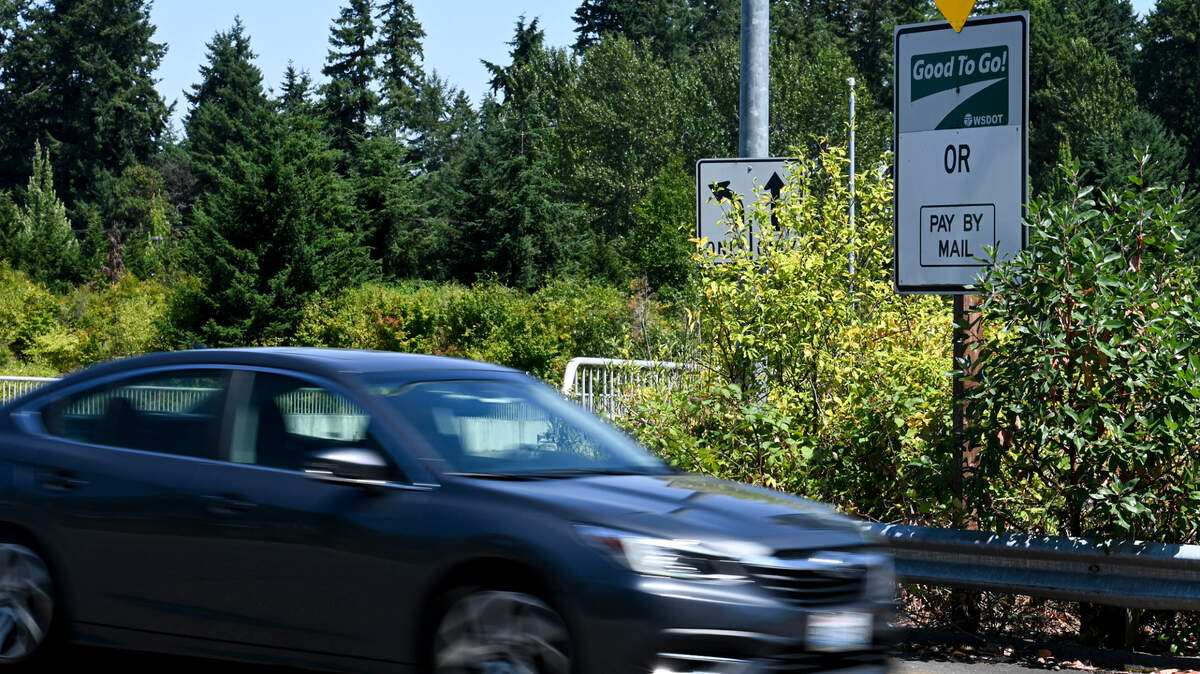
A familiar text scam targeting Washingtonians is on the rise again.
Text messages claiming to be from the Washington State Department of Transportation tell the recipient they owe money on their Good To Go! toll payment account. The messages have been circulating since last year, and according to WSDOT, the state is currently warning drivers to be on the lookout.
“There has been another surge in scam text messages that impersonate Good To Go!,” Lauren McLaughlin, a communications official with WSDOT’s tolling division, told McClatchy in an email.
What do the messages look like, and what should you do if you receive one?
WA scam messages to look out for
According to McLaughlin, the messages are worded slightly differently than previous iterations of the scam.
“These latest messages have made claims like ‘This is an official notification regarding the unpaid toll balance on your mygoodtogo account’ and ‘WSDOT Good To GO Final Reminder’ and have threatened legal action if a payment is not made on fake websites the scammers created,” McLaughlin said.
The most recent texts have included the web address of WSDOT’s Good To Go! portal, MyGoodToGo.com, within a longer URL to make it appear as though the link will take you to WSDOT’s website.
“In the texts this week, the scammers have also been including ‘mygoodtogo.com’ as part of the fake URL,” McLaughlin said.
What if you get a scam text?
McLaughlin said that WSDOT doesn’t send payment reminders over text, so Washingtonians should be suspicious of any texts asking them to pay a Good To Go! toll.
“Our advice to people who receive those scam texts remains the same, Good To Go! would not request payment through text or on any website but www.MyGoodToGo.com. Please don’t click on unknown links in texts,” McLaughlin said.
WSDOT recommends checking your Good To Go! account if you think you might have any tolls you need to pay.
“Anything we’d be texting you about would be visible on your dashboard,” McLaughlin said.
The scam’s resurgence comes at a time when several other states are seeing similar phishing schemes. WSDOT recommends contacting the Federal Trade Commission or the FBI’s Internet Crime Complaint Center if you receive a suspicious message.
This story was originally published March 14, 2025 at 1:01 PM.