Proposed Bellingham initiative would prohibit algorithmic rental price-fixing
A local advocacy group is following state and national efforts to try to ban algorithmic price-fixing of Bellingham rental units.
Community First Whatcom, a group known for proposing local ballot measures aimed at addressing renters and workers rights issues, started gathering signatures last week for its latest ballot initiative proposal.
Initiative 26-01, if passed, would:
- Prohibit the use of paid algorithmic coordinating services to analyze public and private data about the rental market to recommend rental prices, lease renewal terms or occupancy levels to multiple landlords.
- Prohibit two or more landlords from entering into an agreement to establish rental prices.
- Create a private right of action.
- Establish whistleblower and anti-retaliation protections for tenants and employees.
- Authorize civil and criminal penalties.
“Tenants in Bellingham’s already expensive housing economy cannot afford artificial price increases. This initiative will preserve fair competition and proactively protect consumers,” Community First Whatcom Senior Organizer Selena Knoblauch said in an announcement about the proposed initiative.
Algorithmic price-fixing occurs when landlords use software designed to give them recommendations on how to price their units.
Using internal data from clients including current prices, occupancy rates and the number of available units, these services have been found to artificially inflate rent across entire market areas by recommending price increases to multiple landlords using the same program.
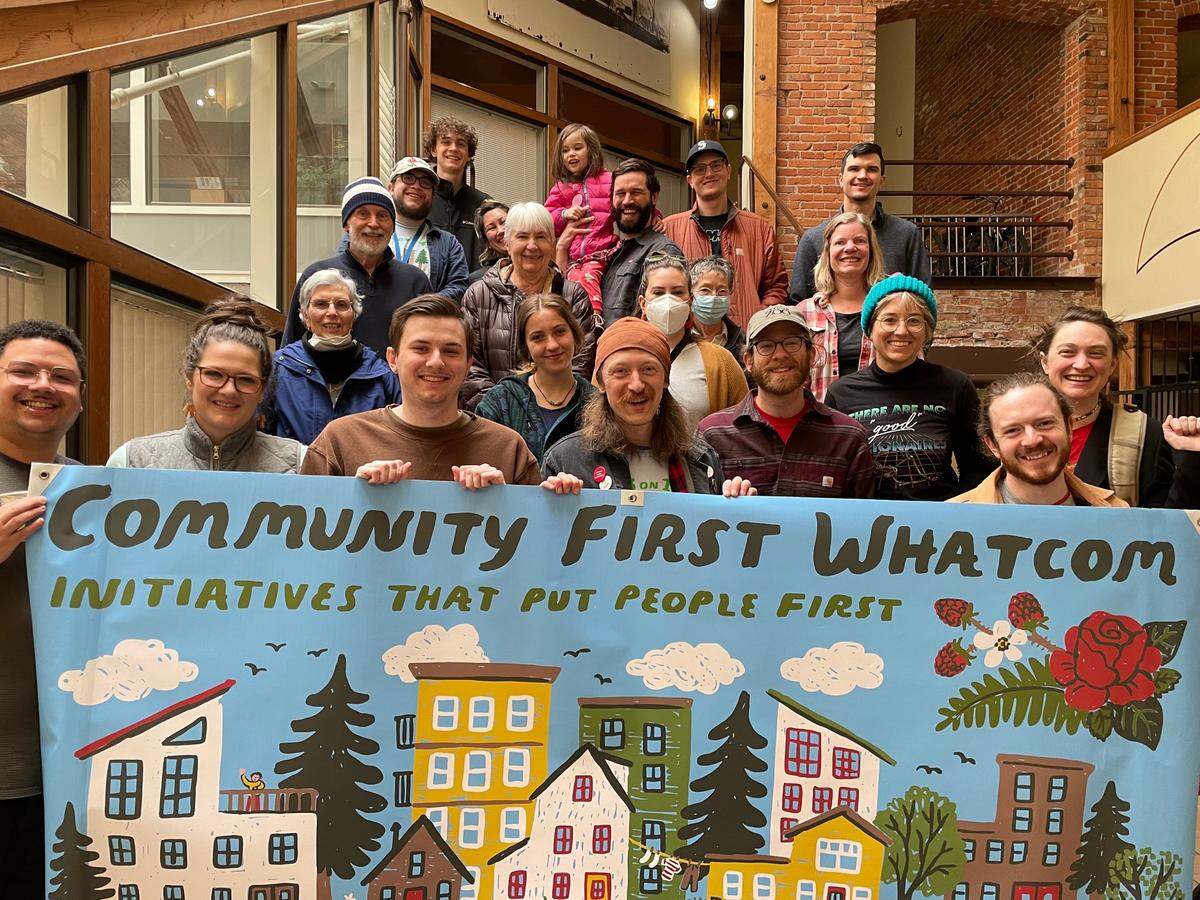
State Sen. Sharon Shewmake of Bellingham said she is endorsing the initiative proposal because if “it is illegal for humans to conspire to drive up rents, it should be illegal for an algorithm to do it, too.”
“Algorithmic price-fixing is terrible for consumers. It’s unfair. It’s anti-competitive, and it’s bad economic policy,” Sen. Shewmake said in an interview with The Bellingham Herald.
Sen. Shewmake told The Herald banning this practice is something that should eventually be done at the state level.
“It’s good to see a city like Bellingham take the lead,” she said.
Algorithmic price-fixing has gained national attention in recent years as software like RealPage gained popularity and rents continue to climb drastically.
The White House Council of Economic Advisors (CEA) released a report in 2024 showing that algorithmic price-fixing, marketed by companies including RealPage, added an average of $70 per month to the cost of rent for units managed by users of these software programs. In 2023 alone, these algorithms are estimated to have cost American renters more than $3.8 billion.
The Department of Justice, in partnership with at least eight states, sued RealPage for antitrust violations in 2024, saying the software’s “pricing scheme” harms “millions of American renters.” That lawsuit was settled late last year, requiring that RealPage no longer use real-time data to determine price recommendations. However, the service was not required to pay any damages or admit any wrongdoing.
The Washington Attorney General’s Office filed a lawsuit against RealPage and nine local landlords in April of last year, alleging the software is “central to a conspiracy and unfair competition by certain landlords that resulted in rapidly rising rent prices for their tenants.”
A growing list of cities, including Seattle, Portland, Minneapolis, San Francisco, Philadelphia and Berkeley, have moved to ban algorithmic rental price-fixing software.
Community First Whatcom must collect a minimum of 3,500 signatures to qualify initiative 26-01 for the Nov. 3 ballot.
This story was originally published April 20, 2026 at 5:20 AM.