Whatcom County is rolling out its next five-year plan for homelessness
AI-generated summary reviewed by our newsroom.
- Whatcom County's 2026–2030 plan expands shelter, housing and funding models.
- New proposals include a 30-unit tiny home village and low-barrier shelter.
- County expects $15 million from new tax streams to fund capital investments.
Whatcom County plans to double down on its existing strategies for addressing homelessness while introducing new tactics over the next five years, according to the draft Homeless Housing Plan for 2026-2030, which was released Friday.
The plan makes recommendations that are intended to address gaps where specific groups are disproportionately underserved, improve system outcomes and improve accountability across the system.
Much of the work already underway across the county will continue under the new plan, including:
- Projects for night-by-night and continuous-stay emergency shelters.
- Permanent supportive housing.
- Rapid rehousing.
- Recovery-focused sober housing programs.
“Homelessness and housing affordability are two enormous issues challenging communities across the United States; locally, we’re doing what we can with our resources to keep these problems from getting worse,” Whatcom County Health and Community Services Housing Program Supervisor Chris D’Onofrio said in an announcement about the draft plan.
“Evidence shows that our projects are generally succeeding, despite homelessness and affordability continuing to be huge challenges in the community. We will improve existing systems where we can and remain open to new ideas in the future,” D’Onofrio said.
Some proposed changes moving forward include:
- Adding a night-by-night low-barrier overnight shelter to reduce the number of people sleeping outdoors.
- Adding another 30-unit tiny home village.
“Whatcom County currently lacks adequate night-by-night emergency shelter options and capacity, as well as sufficient daytime shelter resources for residents experiencing homelessness. Expanding year-round emergency shelter capacity will require both start-up capital costs and ongoing operational funding,” the announcement said.
How are these efforts being funded?
To invest in some of these strategies, the county plans to utilize new funding streams that weren’t available when the last five-year plan was created in 2019.
“A lot has changed since 2019, and one positive change is the addition of new funding streams for capital investments. We now have enough dedicated revenue to make investments with these funds, with at least $15 million expected over the next five years between the two sources,” the announcement said.
One of those funding streams is the Affordable and Supportive Housing Sales and Use Tax, which is a local sales tax of one-tenth of one percent (0.1%) that began in 2021 for affordable housing, homeless shelters, behavioral health capital projects and supportive services.
“Whatcom County intends to set aside a portion of these funds specifically to expand emergency shelter capacity. These funds will also support local organizations creating affordable housing through a ‘braided funding model’ where a local nonprofit, along with support from Whatcom County, receives other funding from city, state, or federal grants to add low-income housing,” the announcement said.
The other funding stream is the Sales and Use Tax For Housing and Related Services. This is a portion of the existing state sales tax that is rerouted to local governments for use in a wide variety of housing programs.
These taxes would be able to fund the start-up costs for things like a new tiny home village or a low-barrier emergency shelter. But funding to support year-round operations of these facilities is missing without reducing funds from other housing projects, according to the county.
The start-up cost for a 30-unit tiny home village is estimated at $3.5 million. Its annual operating costs would total about $1 million. The start-up cost for a night-by-night, low-barrier 60-person shelter is estimated to be between $17 million and $25 million. The annual operating cost for that facility would total between $2 million and $2.5 million.
County officials have been working on a plan to facilitate a year-round shelter locally. Recommendations were submitted to the County Council in May.
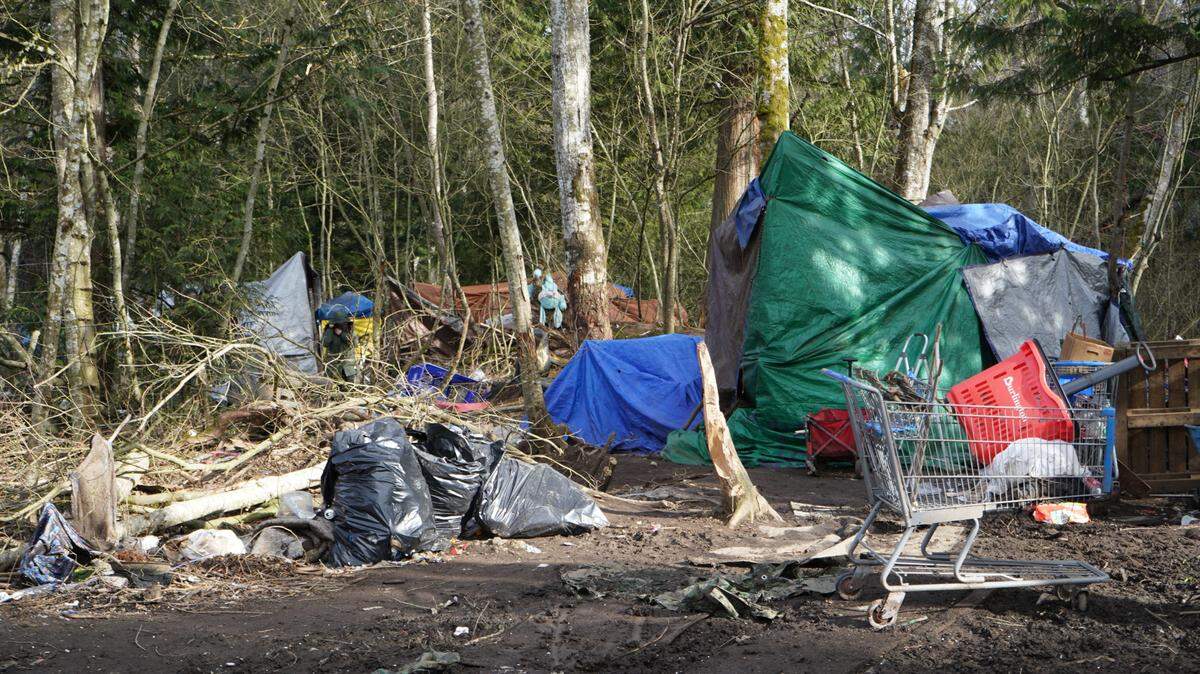
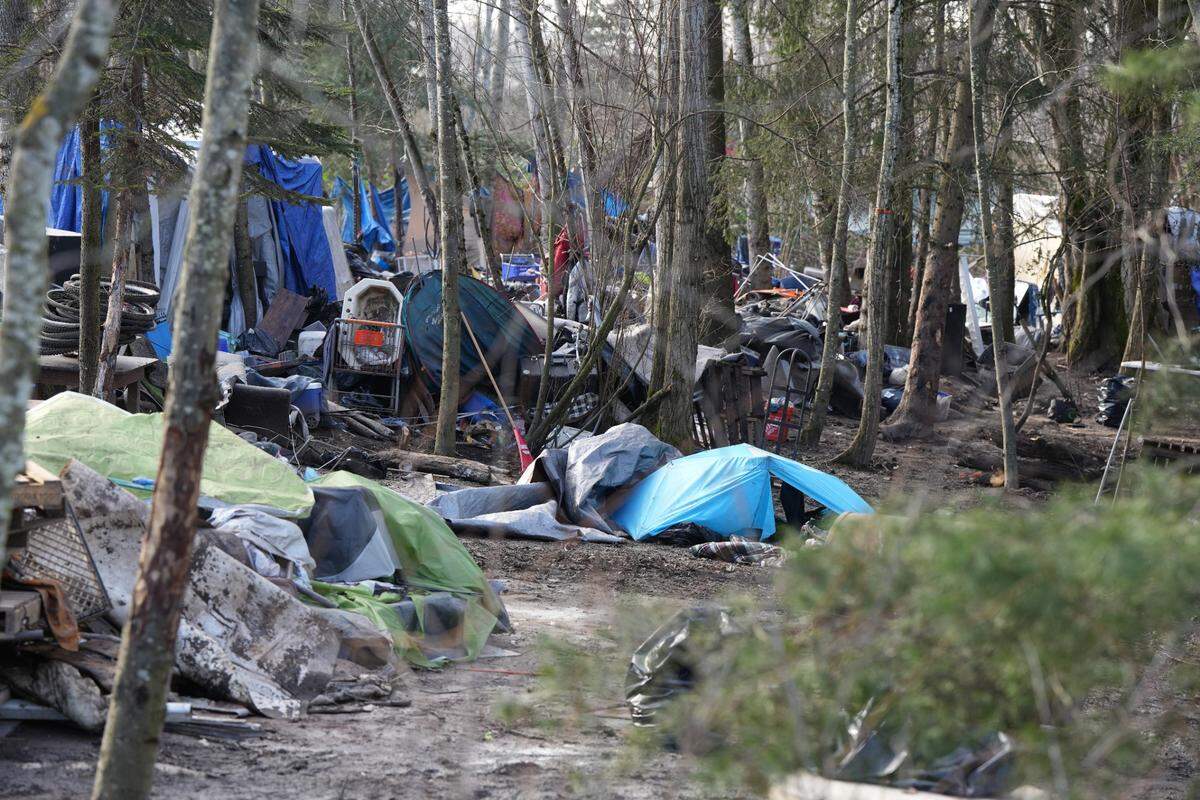
The 2025 Point in Time Count indicated there were 650 households, or 815 individuals, in Whatcom County experiencing homelessness. That included 337 people staying unsheltered in a place not meant for human habitation.
The count of homeless households was an overall decrease from the previous year, but otherwise continued a pattern of a steady rise in homelessness seen in the county since 2019.
The Whatcom County Housing Advisory Committee will consider the draft five-year Homeless Housing Plan for adoption at its next meeting on Oct. 9. Public comment can also be sent via email to housing@whatcomcounty.us.