Whatcom County bracing for 30% population growth over 20 years; here’s each city’s outlook
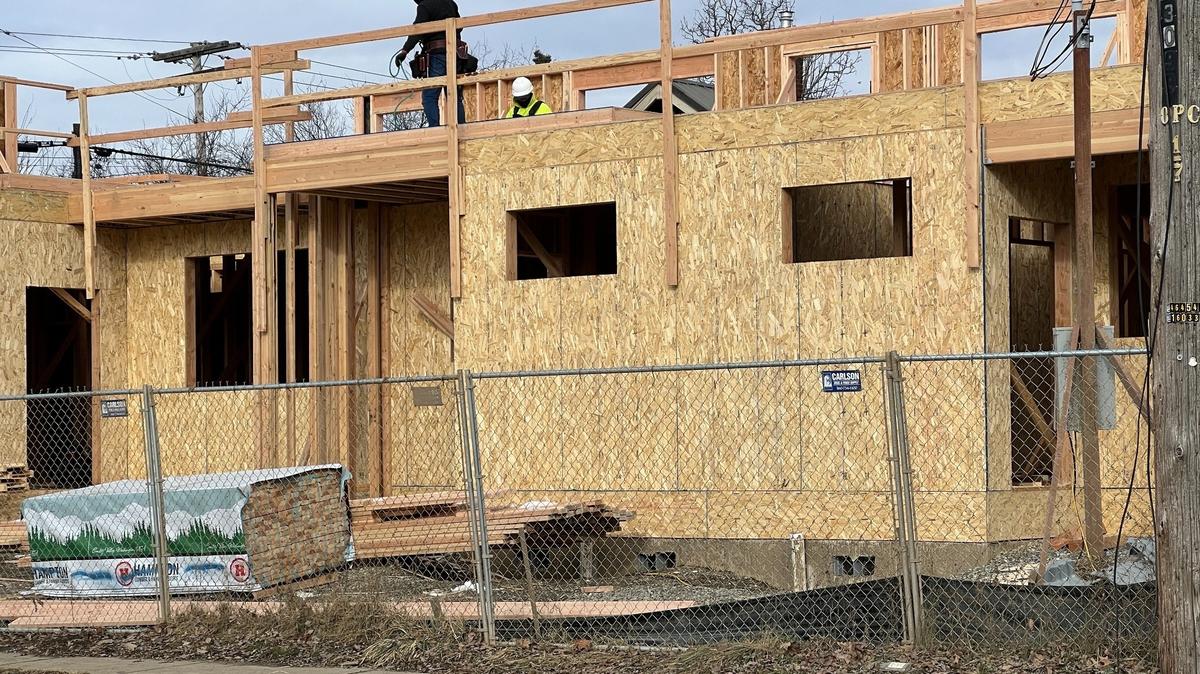
Whatcom County and its seven cities are planning for unprecedented growth through the middle of this century, adding nearly 70,000 new residents for an expected 30% population increase.
Estimates show that Whatcom County will grow by 67,638 from its current population of 234,954 to 303,592 by 2045, according to data being discussed as officials examine how many houses and jobs will be needed to accommodate the influx of people who want to call Northwest Washington their home.
Bellingham alone could see 30,312 new residents by 2045, pushing its population to 127,572 from 97,270. That figure represents about 45% of all Whatcom County growth that’s forecast over the next two decades.
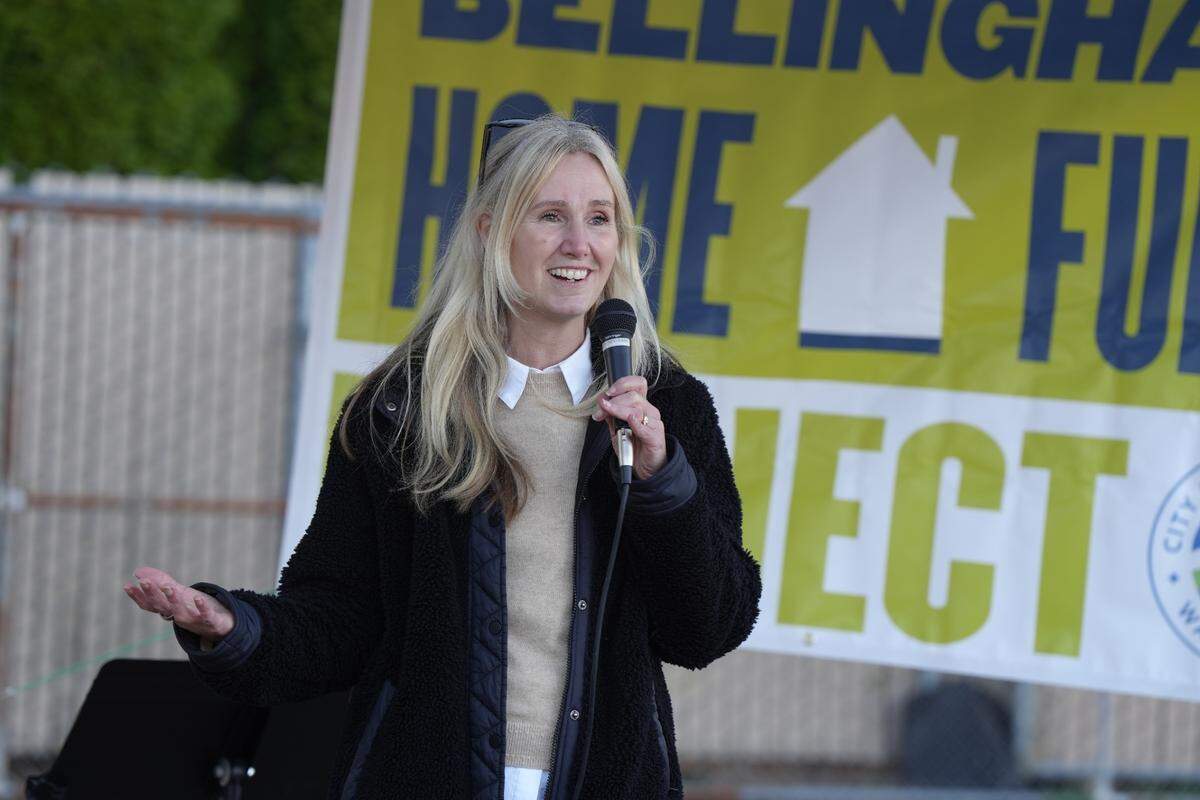
Bellingham Mayor Kim Lund told The Herald that her administration is focused on planning for housing and employing that flood of people — along with their demands on city services such as police and fire protection, parks, drinking water and sewage treatment.
“List after list of ‘bests’ puts Bellingham at the top: best for outdoor recreation, best for natural beauty, best for sustainability, best for travel,” Lund said in an email. “We even beat Seattle and Portland neighborhoods recently to be named as home to one of the top arts districts in the country. Those of us who live here just know these things and experience them daily. And we don’t need to reach the top of a list to tell us how extraordinary Bellingham is.
“But the lists we’re most concerned about are the ones that consistently rank Bellingham as an unaffordable place to live. As we plan for the inevitable growth coming our way in the next 20 years, our greatest challenge is making sure we don’t exacerbate the unaffordability problem. Through this comprehensive plan update, we are thoughtfully planning how to grow sustainably so that Bellingham continues to be a place for all of us, with more housing choices at all scales and income levels, inclusive and healthy economic opportunities, and a network of institutions, services and amenities we can sustainably fund to meet expanding community needs,” she said.
In addition to the expected population growth, city and county officials are looking at the need for between 31,220 and 36,013 new housing units countywide and 32,349 total jobs.
Discussions of population increases and the accompanying housing and job needs are linked to a document called a “comprehensive plan” — a 20-year look into the future that governing agencies must revise every 10 years under the state’s Growth Management Act.
City and county officials reported on their findings at a pair of February meetings with the Whatcom County Council’s Committee of the Whole.
Matt Aamot of the county’s Planning and Development Services Department said that most growth likely will be in Bellingham and other incorporated cities.
“The counties (throughout Washington) have constraints on how much development and the types of development that you can allow in rural areas. We still can’t allow much development in rural areas, and the the type of development — you still can’t have the high-density multifamily housing in most rural areas,” Aamot told the council in a Feb. 4 committee meeting. That’s part of efforts to contain suburban sprawl.
“The changes being proposed for the comprehensive plan are not just about accommodating more people and jobs. They are also about a creating framework to help Bellingham grow into a place that is better for all of us, including those of us who are here today and those who are yet to come,” Lund said.
Bellingham
Most of Bellingham’s growth is expected in its urban growth area, which is mostly north of the city, and in its urban villages such as Fairhaven, Samish Way and the Fountain District, said Chris Behee, the city’s long range planning manager.
Bellingham has been growing about 7% faster over the past decade than the growth that was allocated in the 2016 comprehensive plan. The city has been seeing annual growth of 1,446 people, absorbing 52% of Whatcom County’s new people and providing 62% of all jobs, Behee told the County Council.
“The bulk of the growth that Bellingham is anticipating is going to land in the existing city limits. We’re counting on increased levels of urban density within the existing city in some significant ways and also at the edges,” Behee said.
Forecast show that Bellingham will be growing by 30,310 people and adding 19,384 new jobs by 2045, he said.
The city will need an estimated 18,390 new housing units to serve the population forecast.
Blaine
Blaine has grown by 6% in the past five years, according to census data, and the city is expecting to increase its population of 6,232 by more than 50% over the next 20 years.
Another 3,500 people will be calling Blaine home by 2045, according to the city’s growth projections. They’ll need 1,092 more jobs and 1,461 to 1,774 more houses, townhouses and apartments.
Alex Wenger, director of the Department of Community Development Services, said city officials are mapping out an industrial park and are thinking about rearranging the city’s urban growth areas for more logical planning.
“We don’t really have any flooding issues in the city of Blaine. We don’t have any (agricultural) land that we’re displacing with development. We’re in pretty good shape from an environmental standpoint to receive growth, adding urban growth areas and removing others,” Wenger told the County Council in a Feb. 11 presentation.
Everson
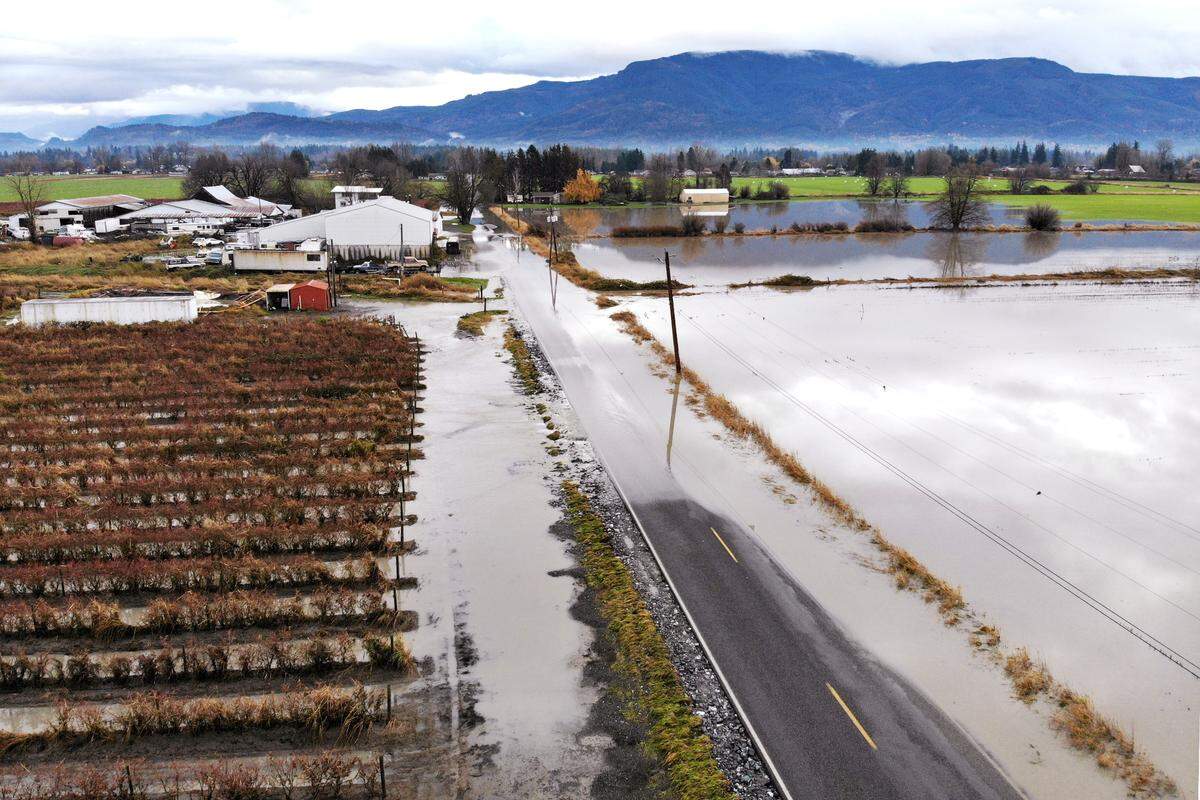
Everson is still recovering from Nooksack River flooding after storms in 2020 and 2021 that killed an Everson man and caused more than $200 million in damage across Whatcom County. Everson, its sister city of Nooksack and neighboring Sumas were the hardest hit locations.
As a result, “the city is looking to move more to the southwest, just to get out of the floodplains,” said Alex Putnam, city of Everson planner.
“Over the past year, the city has experienced a significant increase in development. We are focused on protecting that downtown economic corridor, which also has a lot of residents in it.” Putnam said.
City officials are predicting that 1,408 people will be added to Everson’s population of 3,071 by 2045 and they will need 602 new jobs.
“Smaller communities are really in need of more businesses and jobs to help the economy,” Putnam said.
As evidence of current growth pressures, Putnam told the County Council that 505 housing units planned or proposed in the next 10 years.
Rollin Harper of Sehome Planning, whose firm supports Everson, Nooksack and Sumas, told the council that allowing growth in smaller communities avoids urban sprawl into agricultural areas.
“Everson, Nooksack have been destinations for affordable housing. That’s why they’re booming right now. It’s a destination where people are finding starter homes,” Harper said.
Ferndale
Ferndale was Whatcom County’s fastest-growing city from 2013 to 2023, and the city is well-positioned for what is expected to be continued population growth and economic development, Community Development Director Michael Cerbone said.
“We have been busy little beavers in Ferndale preparing for growth,” Cerbone said.
The city of 15,992 is located north of Bellingham and has railroad access and four access ramps along Interstate 5. It’s also close to Bellingham International Airport and the U.S.-Canada border.
Ferndale recently added new wells and sewage treatment capacity, Cerbone said.
Within the next five years, the city will see construction of a new county “justice center” that includes a county jail and treatment facilities for mental health and substance abuse.
As a result, Ferndale predicts that its population will increase by 10,962 people — a growth rate of nearly 17%. The city will need 3,337 new jobs and between 3,308 and 4,659 new housing units, according to its growth proposal.
With all its growth pressure, city officials are hoping to get help from Whatcom County to annex more land.
Lynden
Growth is expected to slow in Lynden over the next two decades because “a lot of the easy development is gone,” City Planner Dave Timmer said.
Lynden’s population has nearly tripled to 16,551 since 1990, with about 300 new residents arriving annually over the past 16 years, Timer said.
Most growth is expected in the northwest part of the city and “scattered infill” within the city, he said.
“We’re seeing some growing pains. Past growth pressure is placing some demands on transportation and schools particularly,” Timmer said. The city’s remaining land has a high water table, is environmentally sensitive or has key infrastructure needs, he said.
With that slower growth, Lynden is expecting to add 6,665 more people and 1,799 new jobs, and building 3,552 new housing units, according to its growth plans.
Nooksack
Growth in Nooksack — the county’s smallest city at 1,684 — has been increasing sharply over the past two years, with its population up nearly 19% since 2020, City Planner Holly Hamilton said.
Nooksack will add another 17% to a total of 1,984 by 2028, Hamilton said.
“I feel like it’s important to note at this stage that this growth is based on units in construction or approved for development, so these numbers are known and not projections,” she said.
Nooksack is looking at 995 new residents by 2045, with 232 new jobs, Hamilton said.
“The State Highway 9 trucking freight volumes are increasing, creating opportunities for light industrial investment.”
Sumas
Sumas, just across the border from Abbotsford, B.C., is surrounded by agricultural land and entirely in a floodplain. The city was devastated by floodwaters from torrential rain in 2020 and 2021, City Planner Carson Cortez said.
Its current population is 1,835, a figure that’s more than doubled since 1990, and the city will add 1,000 people in the next 20 years, along with 500 new jobs.
“The problem is (that) Sumas doesn’t have the capacity to accommodate all this new residential development. Currently, Sumas only has the capacity to accommodate 269 new people in town — that’s through our land capacity analysis,” Cortez said.
“We have a pretty large industrial base for our size (that) we want to continue to expand and take advantage of because that is the real economic base for the community.”
Whatcom County
Growth outside incorporated cities will be mostly limited to the county’s urban growth areas, which are Birch Bay, Cherry Point and Columbia Valley, Aamot told the council.
▪ Birch Bay is a coastal community south of Blaine with a current population of 8,900 people. The area must “accommodate sea level rise and flooding inevitabilities of climate change” in planning for an additional 2,662 people and 450 jobs, Aamot said.
▪ Cherry Point, a port and industrial area west of Ferndale, generally has no housing. County officials are expecting 1,200 new jobs, especially as site of the former Intalco aluminum smelter is redeveloped.
▪ Columbia Valley, a rural area between Kendall and Sumas, has a current population of 3,577. Officials are estimating 1,137 and 350 new jobs over the next 20 years.
Editor’s note (April 1): A previous version of this article included an incorrect title for Ferndale Community Development Director Michael Cerbone.
This story was originally published March 31, 2025 at 5:00 AM.