Bellingham task force recommends closing two elementary schools
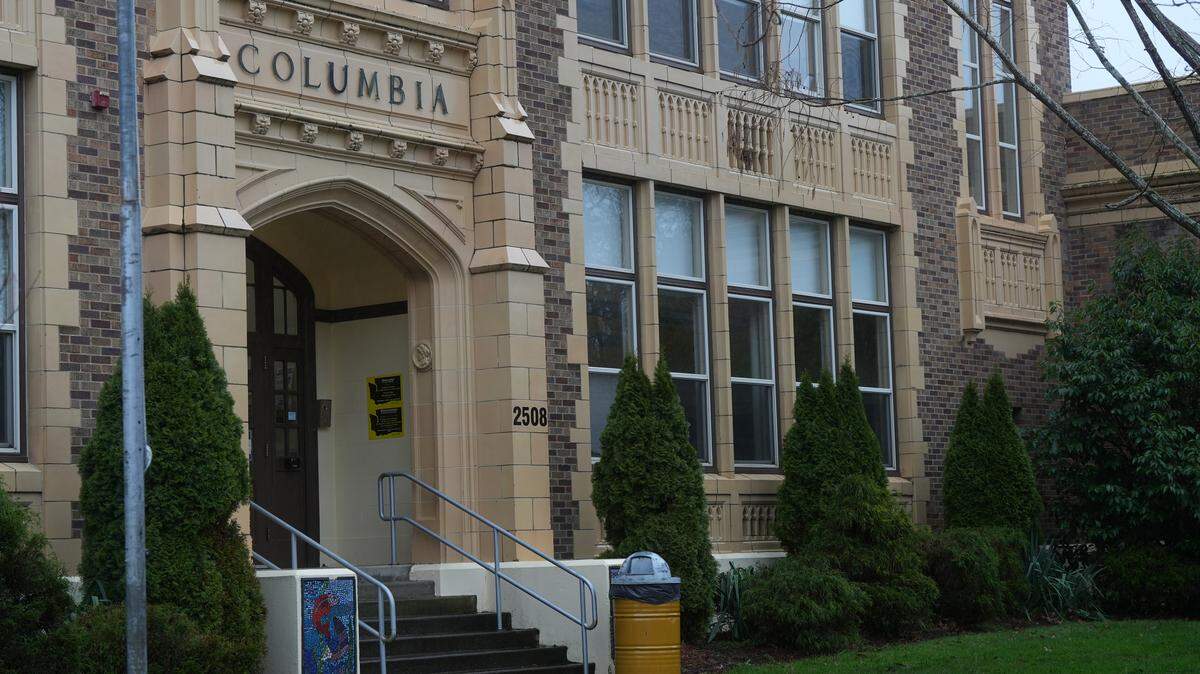
Bellingham Public Schools may close two elementary schools beginning in the 2027-2028 school year as a way of addressing declining enrollment, the district announced Thursday.
A Facilities Planning Task Force made up of more than 30 people including principals, school staff, parents, city staff and district leaders recommended the closure of both Carl Cozier and Columbia elementary schools after meeting eight times this spring to review enrollment trends, school and facility conditions and programmatic needs.
“In order to navigate enrollment declines and ensure a strong elementary program for all students, the Task Force recommends a reduction in the number of elementary schools; while not unanimous, the Task Force expressed general agreement that the District should move forward with multiple schools slated for closure or consolidation,” the task force recommendation report states.
The task force considered whether to recommend the closure of three or four schools, but ultimately recommended the closure of two based on current and future enrollment projections.
The district has seen enrollment drop over the last several years due to declining birth rates and home prices, with a projected total loss of about 1,000 students across its elementary schools between 2018 and 2028.
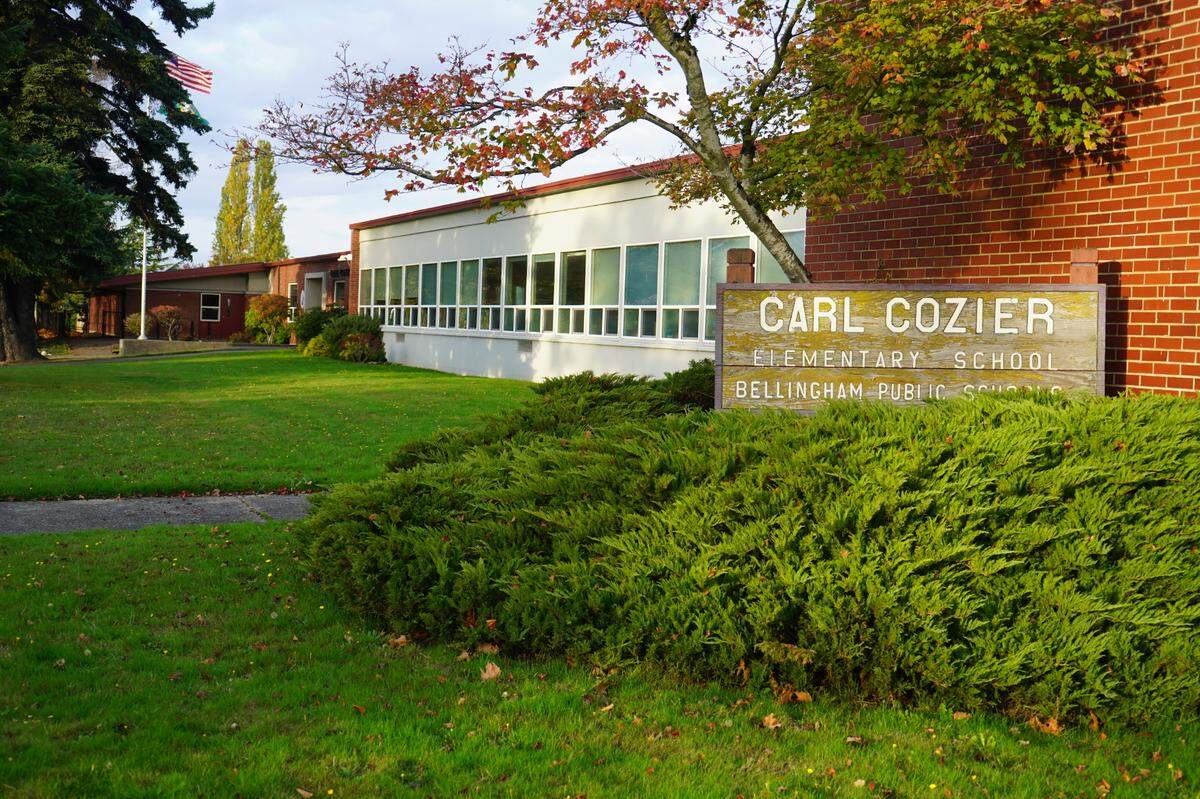
Carl Cozier was recommended for closure do to its declining building condition and location in the future Civic Athletic Complex area. Columbia was recommended for closure due to its “shrinking neighborhood enrollment, coupled with the age and condition of the building,” according to the report.
These schools were recommended for closure over Roosevelt because it is the school “most ready for rebuild among these three,” according to the report. The design work for a new Roosevelt building will be ready to be submitted for permitting by November, allowing the district to benefit from cost savings as permit costs are expected to increase.
In a message from Superintendent Greg Baker to community members Thursday, he thanked the members who served on the task force and said he would be “taking some time to process” the recommendations.
“As you may know, Bellingham is not alone in figuring out issues related to declining birth and enrollment rates. Our funding from the state is tied to the number of children we serve. Districts across the country are engaged in similar work, and we acknowledge it’s challenging,” Baker said in the message.
Baker said he would be considering next steps, including assembling an attendance area committee to help recommend adjustments to school boundaries “so that if we decide to consolidate schools, we are clear where students would go.” This could involve additional work by the task force along with parent representatives from the impacted schools.
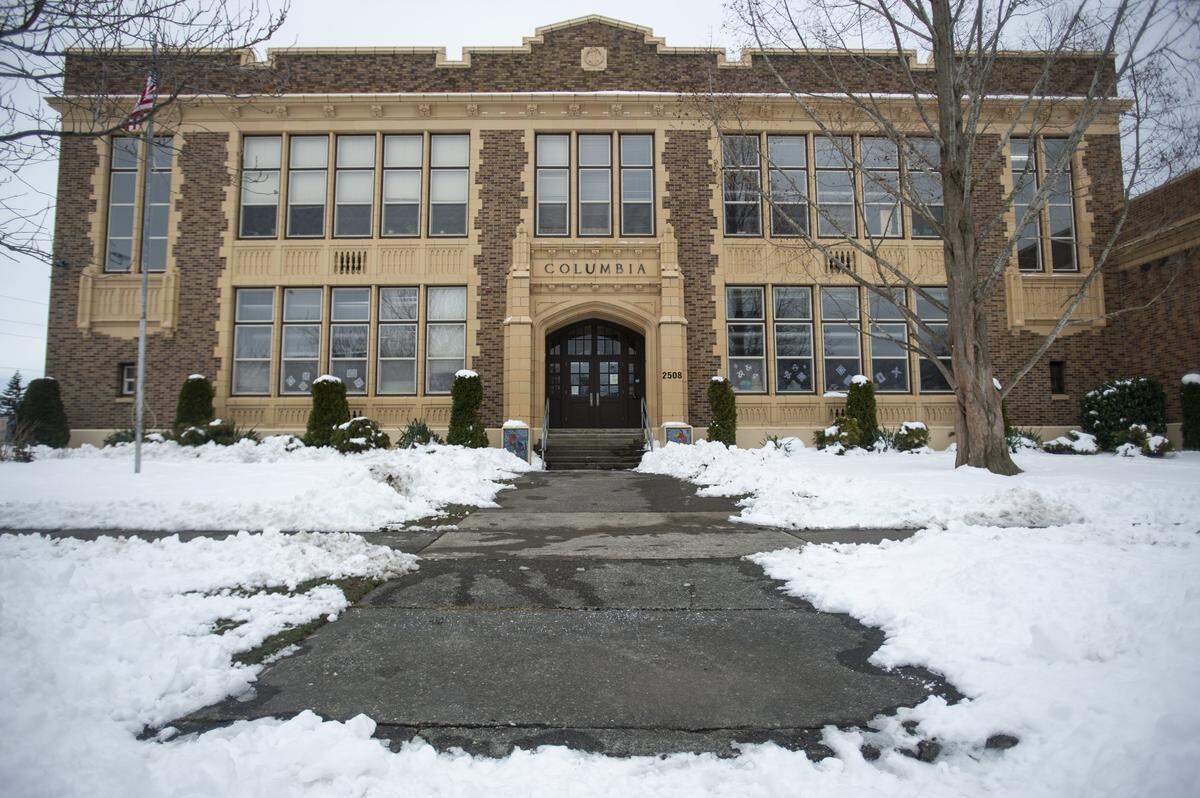
Baker said he will also continue to explore ideas for how to repurpose the schools so they do not sit vacant. The task force did not recommend selling the vacant school sites, as that enrollment may eventually increase.
“Closing schools is a difficult, complex endeavor, and fraught with intense feelings among those communities impacted,” the report states. “Finding a collaborative path forward is important. Currently, we have a smaller number of students in our elementary schools. Even if enrollment plateaus or increases in the years to come, students in elementary school will continue to be part of a bubble of smaller numbers. This will mean programmatic adjustments in middle school and high school. How we manage this current challenge will likely inform how we work together for this whole cohort’s school experience.”
Baker said one of the most “compelling reasons” the district is working to better understand declining enrollment is to continue to be “responsible stewards” of the broader community’s investment in the district and its schools.
“If we have fewer students, we need fewer schools. Fewer elementary schools allow us to be more efficient and better resourced, meaning more robust programs, counselors and music and physical education specialists. This rationale is more fully explained in the task force’s recommendation. Keeping under-resourced schools open would likely result in the loss of jobs and programs, especially if state funding continues to fall short,” Baker said.
This story was originally published May 28, 2026 at 3:43 PM.