Bellingham school closure recommendation: Q&A with Superintendent Dr. Greg Baker
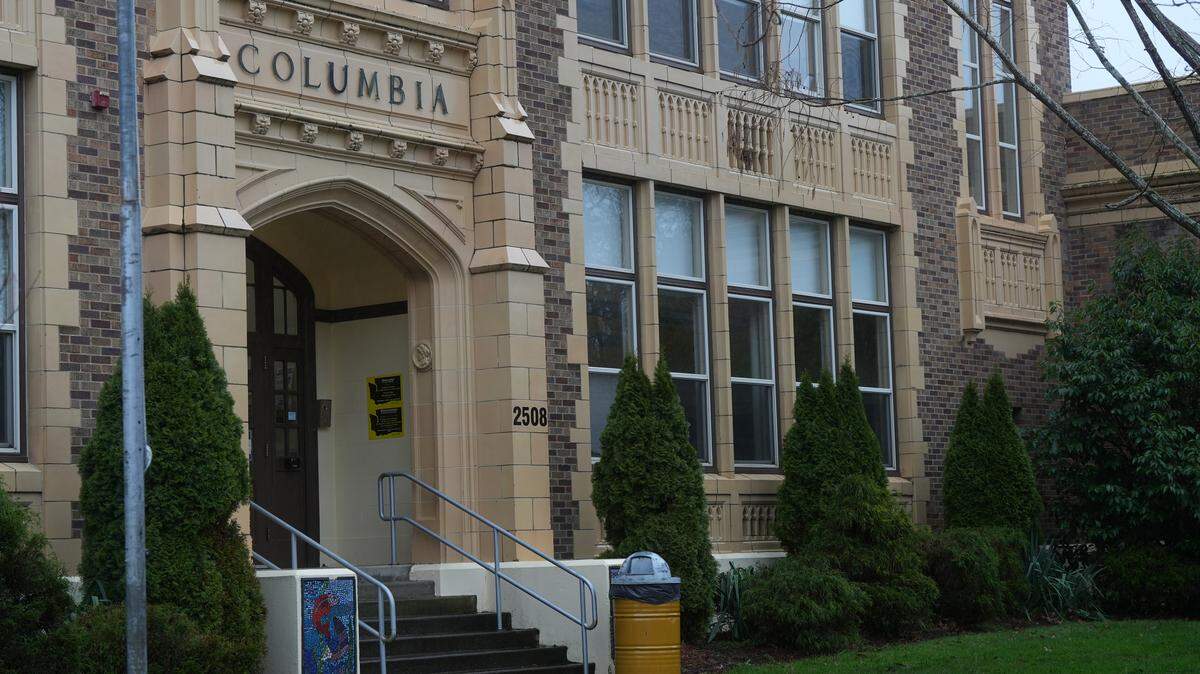
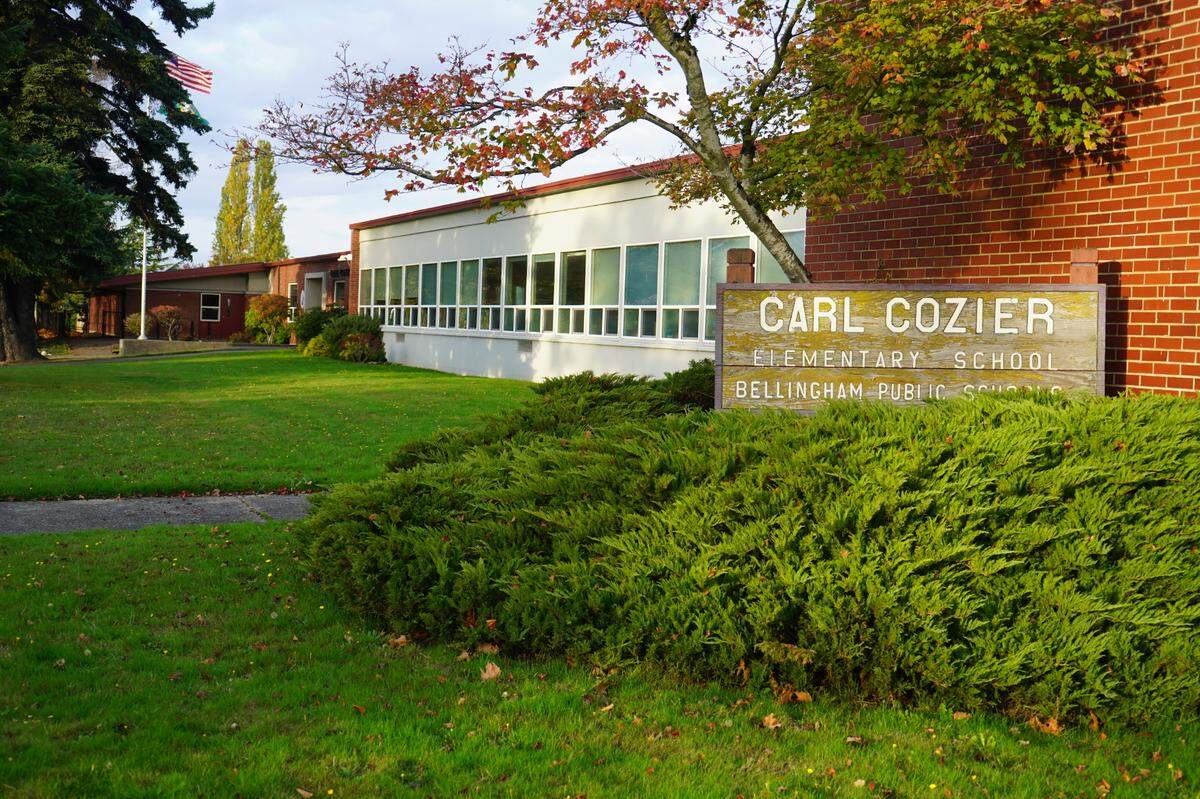
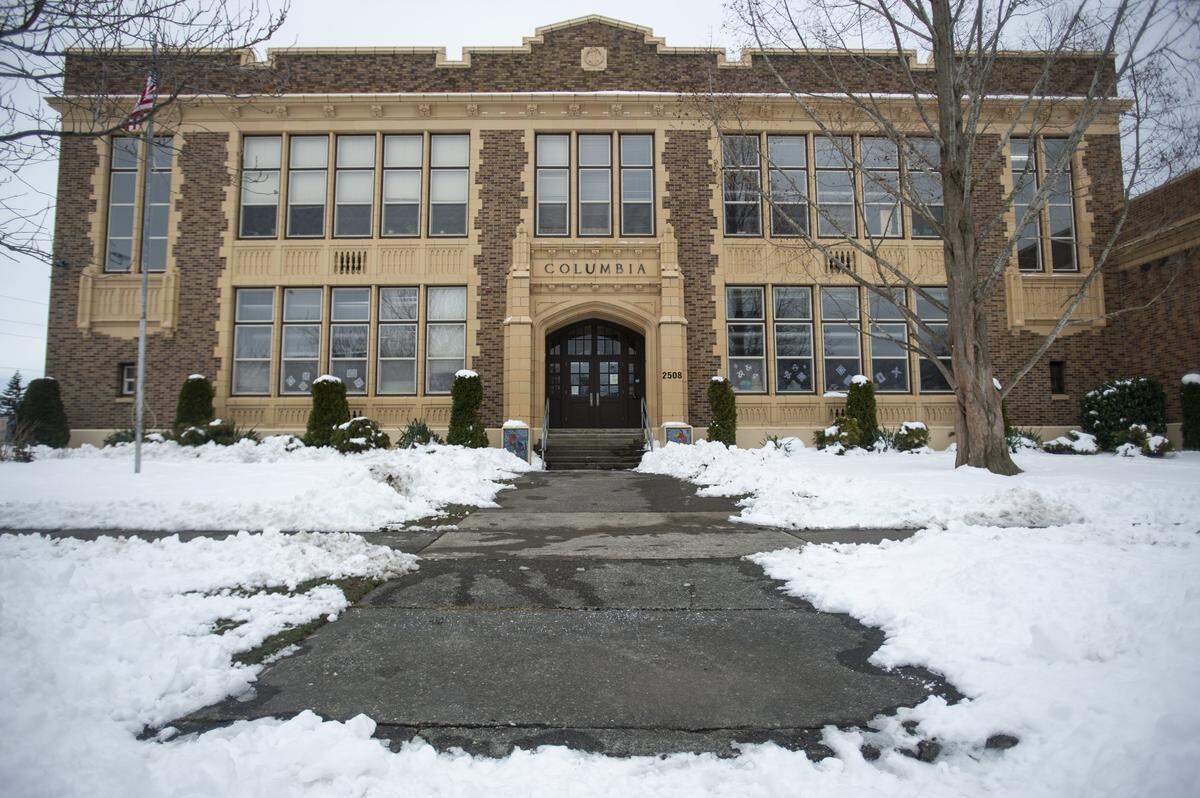
Bellingham Public Schools may close Carl Cozier and Columbia elementary schools beginning in the 2027-2028 school year as a way of addressing declining enrollment.
Although the district has not officially made a decision, the concept of closing schools has become controversial among some parents and other community members concerned about potential negative impacts.
The Bellingham Neighborhood Schools Coalition is at the head of the opposition, going public about making plans to mobilize against possible closures. The group has more than 1,200 followers on its Facebook page.
With so many questions about the recommendation to move forward with closures and what that could like if implemented, The Bellingham Herald asked Bellingham Public Schools Superintendent Dr. Greg Baker to respond to some of the most common concerns we have been hearing from the community.
Q: Why is school closure recommended? Why not redraw district boundaries to keep all schools open with fewer students at each school?
A: School attendance areas (boundaries) will certainly be considered, but with fewer students overall in our schools, it is our responsibility to use district resources like staff and facilities responsibly and to be good stewards of taxpayer dollars.
All of our elementary schools in Bellingham are below the median size for northwest Washington and in some cases are some of the smallest schools in our area. With continued lower enrollment due to birth rates that trend will not reverse.
Our overall district enrollment is down at the elementary level. Enrollment is counted districtwide, and dividing the children differently does not change the downward trend.
Q: Why was a Facilities Planning Task Force used to recommend this decision? How did the district ensure a variety of perspectives were included in the task force?
A: Task forces are a regular part of district operations. We had an open application process for all staff and families, and members were chosen to represent a variety of perspectives and school communities.
Because the group was tasked with a specific look at an elementary facilities master plan, parent members were included from the Columbia, Carl Cozier and Roosevelt communities. And I think it’s good to remember that many of our staff on the task force are also parents of current or alumni students, and bring that lived experience with them to the table.
Task force members and the district also offered many opportunities for people not on the task force to provide feedback and share thoughts about the scope of work. We responded to emails, hosted in-person meetings both large and small, spoke on the phone, and sent out electronic feedback forms. The task force spent time reviewing and discussing questions and feedback as they considered their recommendation.
Q: Demographic data and projections show that enrollment is dropping. What changed? Didn’t the district have plans to rebuild these schools and add another elementary school?
A: Birth rates across the country, including in Washington state and Bellingham, are declining, and we know from historic data that the number of births in Bellingham is a solid predictor of school enrollment five years later.
For at least 30 years the number of kindergarten students enrolled in our schools is consistently around 80% of the number of Bellingham babies born 5 years earlier. This consistent “birth-to-K ratio” can help us predict enrollment information.
We are projected to lose nearly 15% of our current elementary enrollment over the next 5 years. These numbers are solid and predictable, because the children who will be in kindergarten in 5 years have already been born.
We regularly commission a demographic report – usually around every 5 or 6 years – when considering facilities planning, and for other future planning uses like staffing.
Although there had been a dip during the pandemic, previous demographic projections were still for overall steady growth. However, the data we received in fall 2025 showed a different picture, primarily due to birth rates. It warranted action.
Q: How could school consolidation save the district money? What is the estimated cost savings of closing both Carl Cozier Elementary School and Columbia Elementary School?
A: The task force’s general and conservative estimate is $750,000 to $1.5 million per school. Savings will differ depending on which buildings are under consideration, staffing levels, staff experience, transportation implications for redistributing students, and other factors.
The most important factor is our enrollment decline, and cost savings is not the primary goal of the task force’s recommendation, although savings is always helpful and allows us to better serve students or avoid other cuts. Operating buildings significantly below capacity is financially inefficient.
We have been in budget crises for multiple years due to underfunding at the state level, and we continue to seek cost-saving measures. Enrollment decline is a budget issue because school districts are funded based on enrollment. Closing schools is one piece of a larger funding and budget puzzle.
Enrollment decline and shrinking schools affects our ability to provide a robust and equitable educational program for all our students.
Q: How does the district plan to use voter-approved bond money in the future, if it will not be used to rebuild elementary schools? Why should voters continue to support funding Bellingham Public Schools through levies and bonds?
A: We are incredibly grateful for the historic support of the Bellingham community for levies and bonds. It shows the value that our community places on children’s education and well-being, and it is not taken for granted.
This year’s activities demonstrate our commitment to transparency: we shared new information prepared by expert demographers publicly as soon as we had it, and we quickly mobilized to convene a committee to examine the factors we are currently facing, so we can continue to be fiscally responsible. We have continued to make the work of that task force public, as well, through messages, videos, FAQs and our website, and spent dozens of hours meeting and following up with individuals and groups with questions.
We hope our community recognizes that when we had new information, we worked to take action and be the best stewards of their dollars. Continuing down the previously charted path based on outdated data would be an irresponsible and wasteful choice. We take immense care to use our community’s dollars wisely.
It’s understandable that our community has felt surprise—there has not been conversation about closing schools until recently. In many ways, the fall 2025 data was a surprise to us as well – until this winter’s demographic report, even though growth was projected to slow over time, our previous reports did predict enrollment growth, not decline.
We also believe there are many folks who support change when it is necessary, even (especially!) when it is difficult.
We understand and empathize with concerns that people feel like they voted for something that may now need to change, given updated data. Taxpayers voted for the 2022 bond which included four key items for elementary school construction: the building of a 15th elementary school & design planning for Columbia, Cozier, Roosevelt. We had already made changes to these planned projects, when we pressed pause on plans for the 15th elementary school to explore options for Carl Cozier.
Bond projects take years to come to fruition, and construction costs and enrollment can never be perfectly anticipated, so planning is done with the best information available, knowing that it is also our responsibility to pivot if the data or circumstances warrant.
We have transferred bond dollars to other projects before. For example, the 2006 bond contained a plan for the Dupont St district office, and, instead, in 2011 those funds were transferred to the more urgent, student-centered rebuild of Birchwood Elementary School.
For other bonds, our track record of bond project completion of the outstanding facilities our community has invested in over the decades shows that making a change to a bond plan is both rare and rooted in fiscal responsibility.
We will continue to hold a public and transparent process for next steps, and we will continue to evaluate data now and in the future. Options may include transferring the money to a different project or returning the funding to the public. Both options would require public input and school board approval.
Q: How could school closures impact staffing? Could teachers or administrative roles like principals and assistant principals lose jobs?
A: Staffing for teachers and staff like paraeducators is based on enrollment, so no cuts would be made to teaching staff strictly based on school closures. (If 150 kids move to other schools, they will still need teachers, and their FTE would move with them).
Jobs like principal, assistant principal, office staff and so forth would be eliminated and/or absorbed into other buildings. We anticipate that most if not all of this could be accomplished through attrition, given the size of our organization.
Q: What about an impact on students? Could school consolidation mean larger class sizes? How will the district ensure teachers can continue to provide adequate support to students with different needs?
A: Class size in grades K-3 are capped by law, and we do not anticipate closures would cause a major impact to grades 4-5’s class sizes. In fact, though it may seem counterintuitive, larger schools are better able to stabilize and spread out class size per grade.
For context, the state’s model for elementary school is a school with three classes at each grade level and between 300-400 students — we call this the “three-section model.” Generally, three-section elementary schools are better able to accommodate slight enrollment fluctuations and support students of all abilities. Having three sections per grade allows us to spread out class sizes, minimize or eliminate split-grade classes, provide more opportunities for teaming and collaboration, and account for new students who join the school midyear.
At a small school with only one, say, fourth grade class (or a multi-age/split class), if three new fourth graders move into the school attendance area during the school year, there is only one spot to place them. At a three-section school, numbers can be more easily balanced between classes based on the needs of the new student or the existing classes.
Three-section schools are also better able to have full-time, dedicated personnel like assistant principals, deans, counselors, specialists like special education, music and PE teachers, plus all the additional staff who team to support and work with our students.
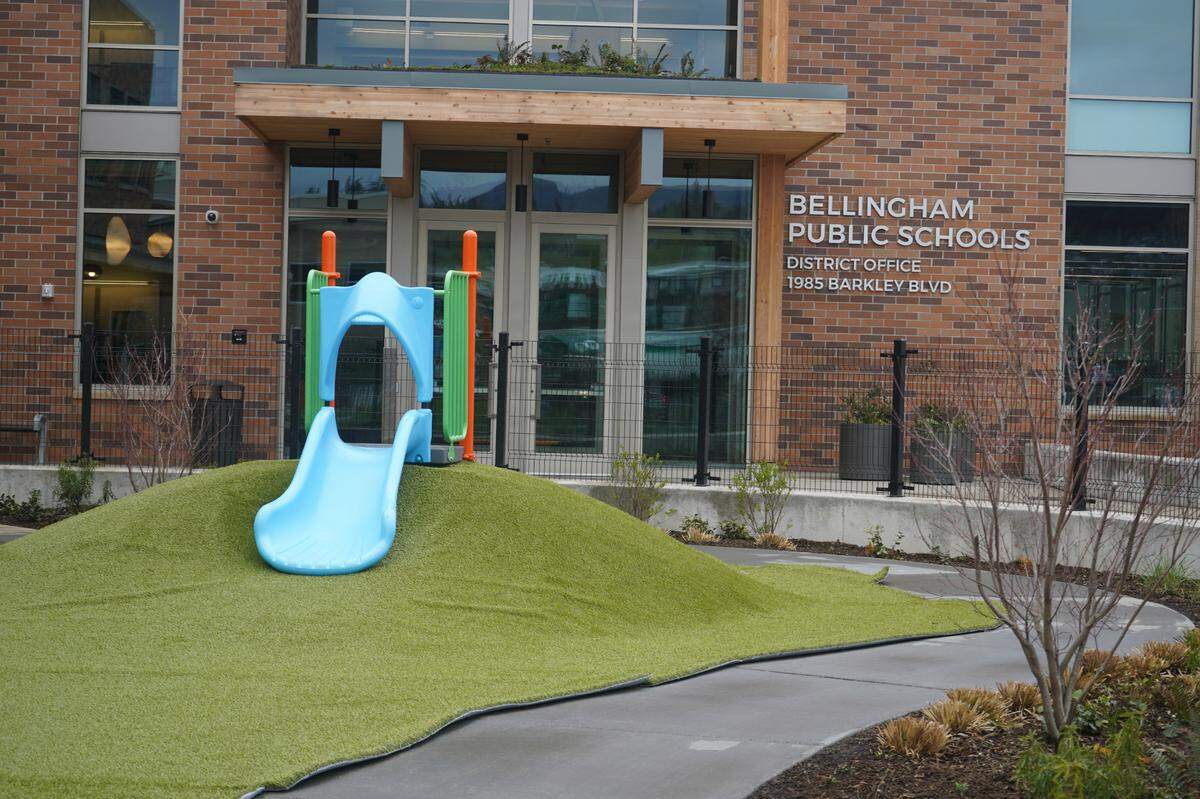
Q: Some parents have expressed concerns about losing the community benefits of neighborhood schools, such as their child’s ability to walk to school or the energy schools bring to neighborhoods. Is the district addressing these concerns?
A: It’s our job to create schools that are welcoming, inclusive and ready for kids to come and learn, and to make sure that all the children in Bellingham have equitable, robust educational opportunities at their schools.
We recognize the role schools play in communities and neighborhoods, and hope that folks would see this as an opportunity to engage in a little wider circle, still within our greater community of Bellingham. As we have done during other transitions of attendance areas, our staff will partner with families and parent groups to create opportunities for connections and community-building, and with groups like SmartTrips to identify and practice walking and biking routes to school. Our educators are expert at helping kids with transitions like moving schools, and in building strong communities.
Our task force conversation centered around maintaining district ownership of properties; we also place a high value on our properties as community assets, and are proud of having playgrounds and fields available to the community outside of school hours. Schools are often used as neighborhood hubs of activity, like parks. We anticipate playground and field access would continue even if a building was not currently being used. The task force also recommends exploring options to repurpose closed school sites, so they do not remain empty, and retaining ownership of any closed or repurposed schools in anticipation of the eventual return of increased enrollment in future decades.