Bellingham schools could face closure as enrollment drops. Parents have concerns
AI-generated summary reviewed by our newsroom.
- District projects loss of about 1,000 elementary students from 2018 to 2028.
- Facilities task force reviews closures, will not recommend fall 2026 shutdowns.
- Parents cite transport, community and social impacts and push for alternatives.
With student enrollment steadily declining across Bellingham Public Schools, the district is considering elementary school closures as a way of addressing the issue. But some parents and local organizations are worried about what that could mean for students and the broader community.
The district has seen enrollment drop over the last several years due to declining birth rates and home prices, with a projected total loss of about 1,000 students across its elementary schools between 2018 and 2028.
A Facilities Planning Task Force made up of principals, school staff, parents, city staff and district leaders is reviewing available information and is tasked with developing a recommendation for the district that could include repurposing some school sites at least temporarily.
Superintendent Greg Baker issued a statement in an email to parents earlier this week, stating no closures will take place this fall.
“We have also been asked whether we would close a school for next school year (2026-27), and the reality is we haven’t gotten to a point in our process of deciding to close any schools, let alone a timeline,” Baker said in the email. “As we have examined variables, the complexity of this work, the time of year and our interest in engaging further with our community, it’s clear that we do not want to rush this work. Therefore, I have shared with the task force that they should not recommend any fall 2026 elementary school closures.”
The decline in enrollment across the district has been stark in recent years.
“When you look just at the numbers, it is really hard to justify how we keep so many schools open with declining enrollment in each school,” Bellingham Public Schools Chief Operations Officer Jessica Sankey told The Bellingham Herald. “Across our entire district, we’ve already in the last five years experienced a loss of 500 elementary school students, which is the size of two full elementary schools.”
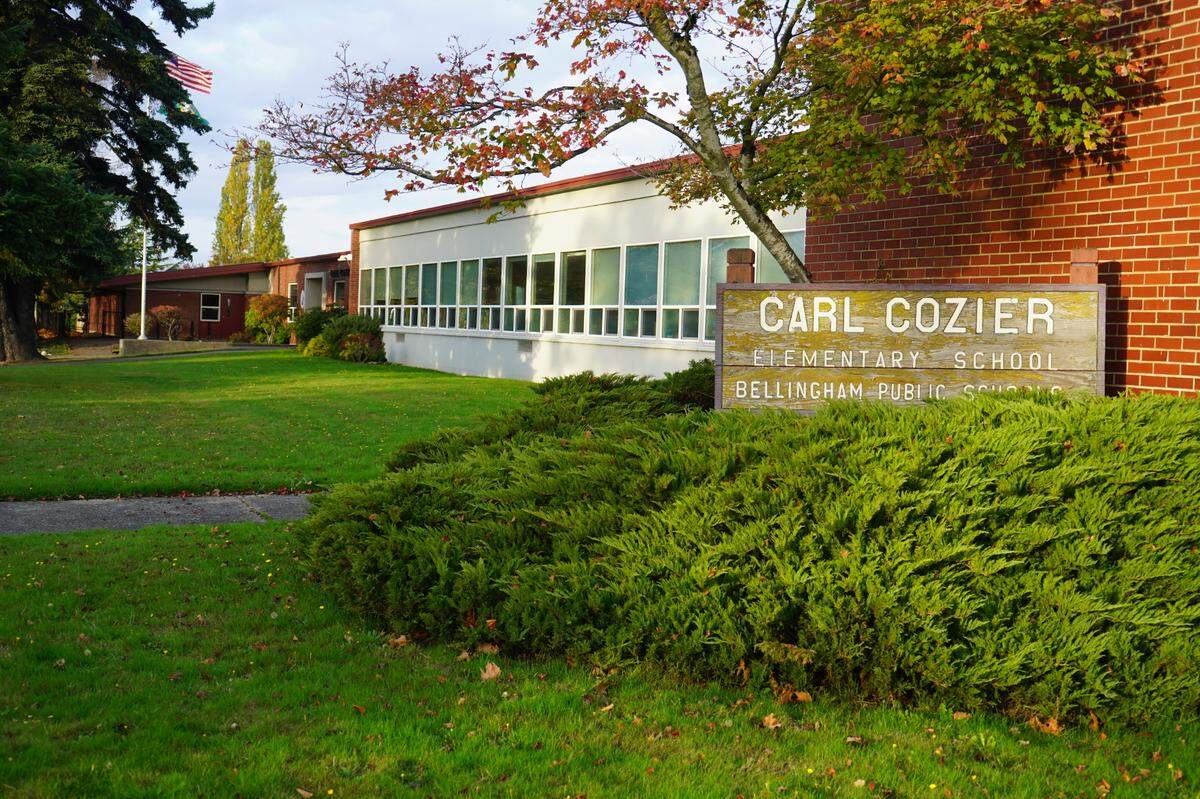
“I think what we’re talking about is making a really responsible decision about how best to house kids every day at school. It could be that the committee very much recommends that the right thing to do would be to not run elementary school in a certain number of schools,” Sankey said.
The task force will not be recommending any fall 2026 closures, and it has not yet been decided which schools could be impacted. But some community members are still pushing back on closures at all, citing concerns over impacts to students and changes to transportation.
“It feels like the most extreme option,” Sachin Pai, a father of three students enrolled in Bellingham Public Schools, told The Herald. Two of Pai’s children are currently enrolled at Columbia Elementary School, one of the schools families fear could be selected for closure.
Pai is one of the main organizers of a newly formed group called the Bellingham Neighborhood Schools Coalition, which has been active in bringing together concerned families and neighbors.
A question of declining enrollment
Pai told The Herald he and his neighbors have questions about the district’s enrollment projections, especially as Bellingham as a whole is growing.
“The decline in enrollment is occurring. I’m not disputing that. What I’m disputing is the district’s drastic projection as to what it’s going to be,” Pai said. “The city is projecting pretty significant growth over the next several years. Much of that growth is supposed to happen in Old Town and downtown. Columbia Elementary is the closest school to that growth — less than a mile away and within walking distance. If we have that growth happening there, where are those students expected to go?”
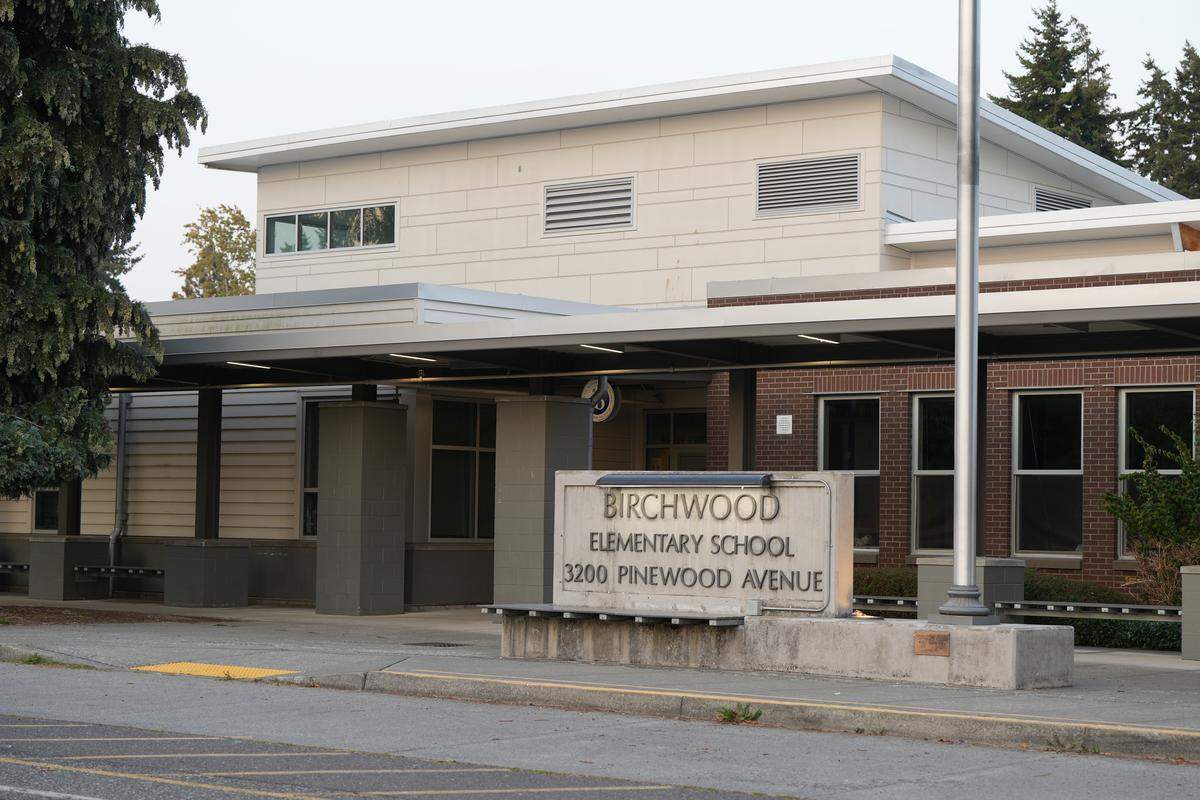
The school district is basing enrollment projections on city development, housing numbers and birth numbers. The data they are reviewing is showing overall growth in the city but declining growth in school-aged children.
The task force’s recommendation is also meant to “account for fluctuations,” according to the district. So if a school is closed, it wouldn’t necessarily be sold in the case of enrollment increasing again later.
“The district could rent, lease or repurpose the building. This gives the district flexibility for any potential growth in the future should other factors affect the accuracy of the projections,” the district’s Facilities Planning Task Force 2026 FAQ page explains.
Could switching schools be challenging for students?
Many parents also have concerns surrounding possible social impacts for students forced to switch schools, potentially losing friends to other schools in the district.
“There is a possibility your best friend could not be with you,” Pai said.
District and Facilities Task Force representatives say they understand those fears and want to help ease any possible transitions. District staff told The Herald that when similar transitions have been made for students in the past, many efforts were made to ensure students and parents felt comfortable and welcomed to that new school.
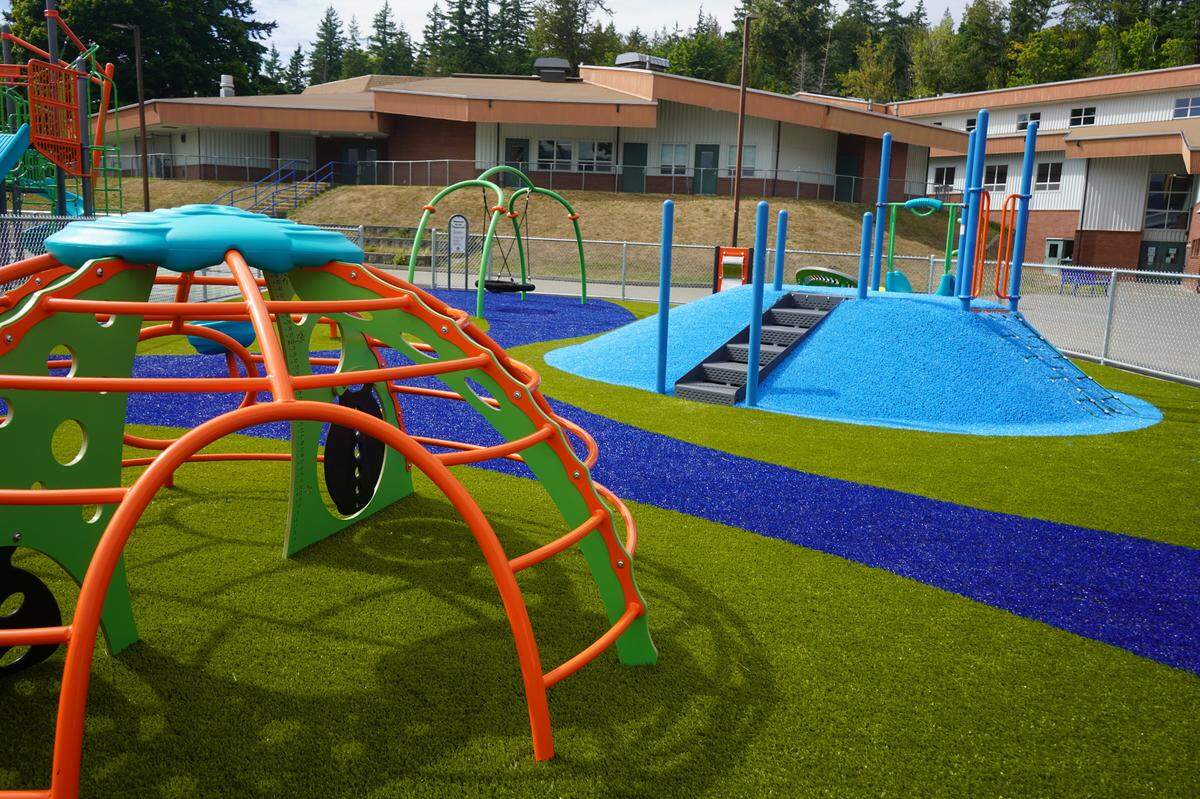
Those efforts have included:
- Play dates for transitioning students at their new school’s playground.
- Tours of the new school for both students and parents.
- Free school-themed merchandise and swag.
- Consistent communications.
“I believe there is a little bit of grieving that happens for families and kids, and sometimes it can be harder for a student in fourth or fifth grade,” said Northern Heights Elementary School Principal Pam Pottle. “There’s emotions that come with this. We have to be really cognisant about paying attention to that and checking in on a regular basis.”
What about transportation?
Pai told The Herald parents are also worried about how their children will get to school if their current one closes. Students of Columbia Elementary primarily walk and bike to school due to their proximity, something nearby families say they value.
Walk and Roll Bellingham, an advocacy group that works to support local bikeability and walkability, sent a letter to the school board outlining concerns about how school closures could disrupt that.
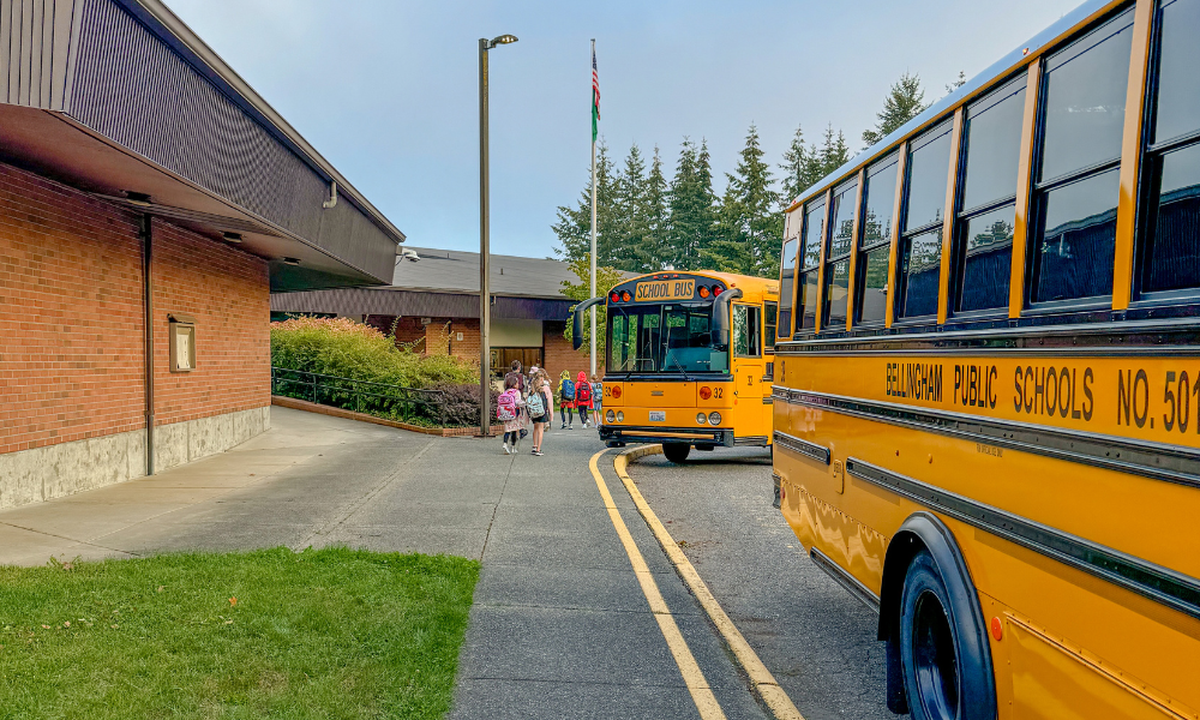
“Because school location strongly influences how students travel to school, we are interested in understanding how transportation and safety impacts are being considered in this process,” the letter states.
Walk and Roll asked the district to look at:
- Current walking and biking rates at schools being considered for closure.
- How student travel patterns may change if schools close.
- Potential traffic and safety impacts at receiving schools.
- Whether Safe Routes to School participation or infrastructure investments could be affected.
“As it is, many schools are placed in locations that force parents to travel on busy arterials. Trying to get families to be able to walk and bike to school is hard enough,” Walk and Roll Board member Sonja Max told The Herald. “With schools potentially closing, families will have to travel further to get to school. We value trying to improve that for families.”
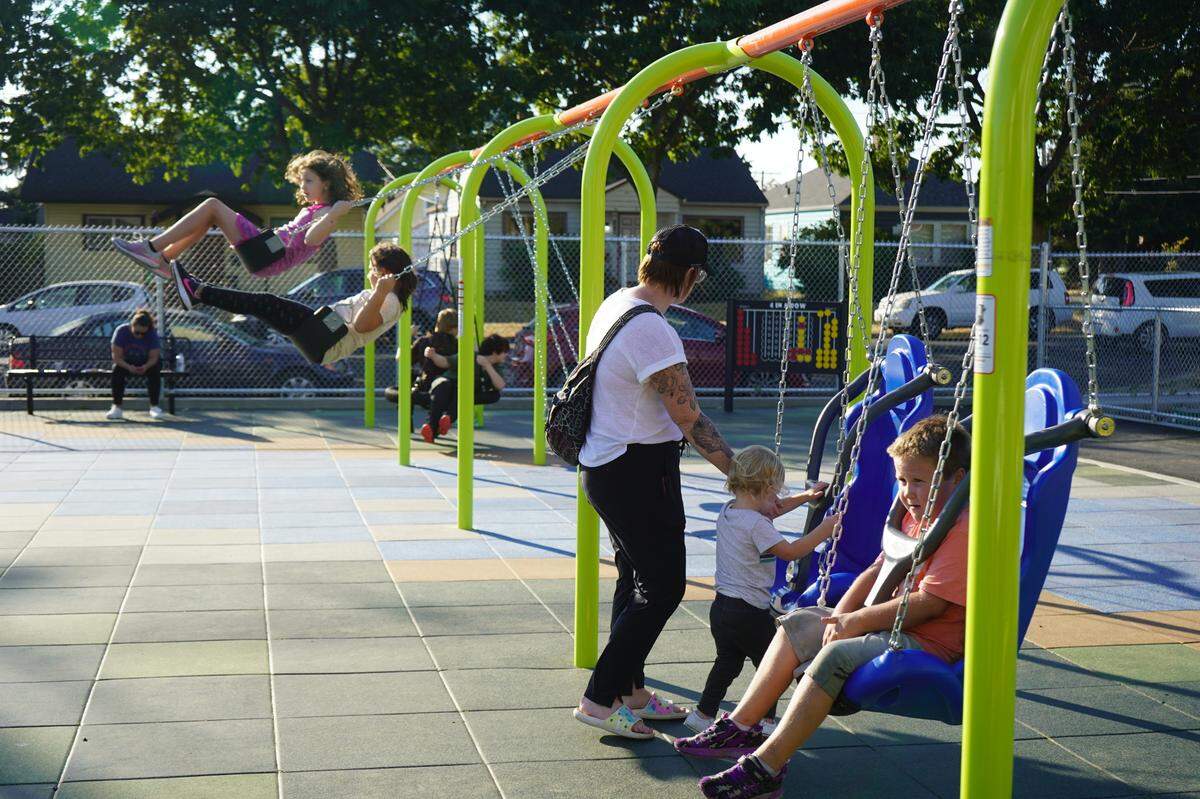
District representatives told The Herald if a decision was made to close schools, all of these impacts would be considered and district leaders would do their best to figure out alternate options for students, such as bussing.
“The transportation question is hard to put any numbers to in the abstract. We really need to look at very specific alternatives to understand what the variables might be,” Sankey told The Herald.
Still, Pai said he fears losing the ability to walk or bike to school could be a huge loss for students.
“Bellingham prides itself on being a walkable, bikeable city. It’s part of our identity — who we are in Bellingham. Closing a school like Columbia would mean taking that away,” Pai said. “Replacing that with more buses coming through our streets, producing a large environmental impact with gas prices going up — this is not the experience we want for all of our kids.”
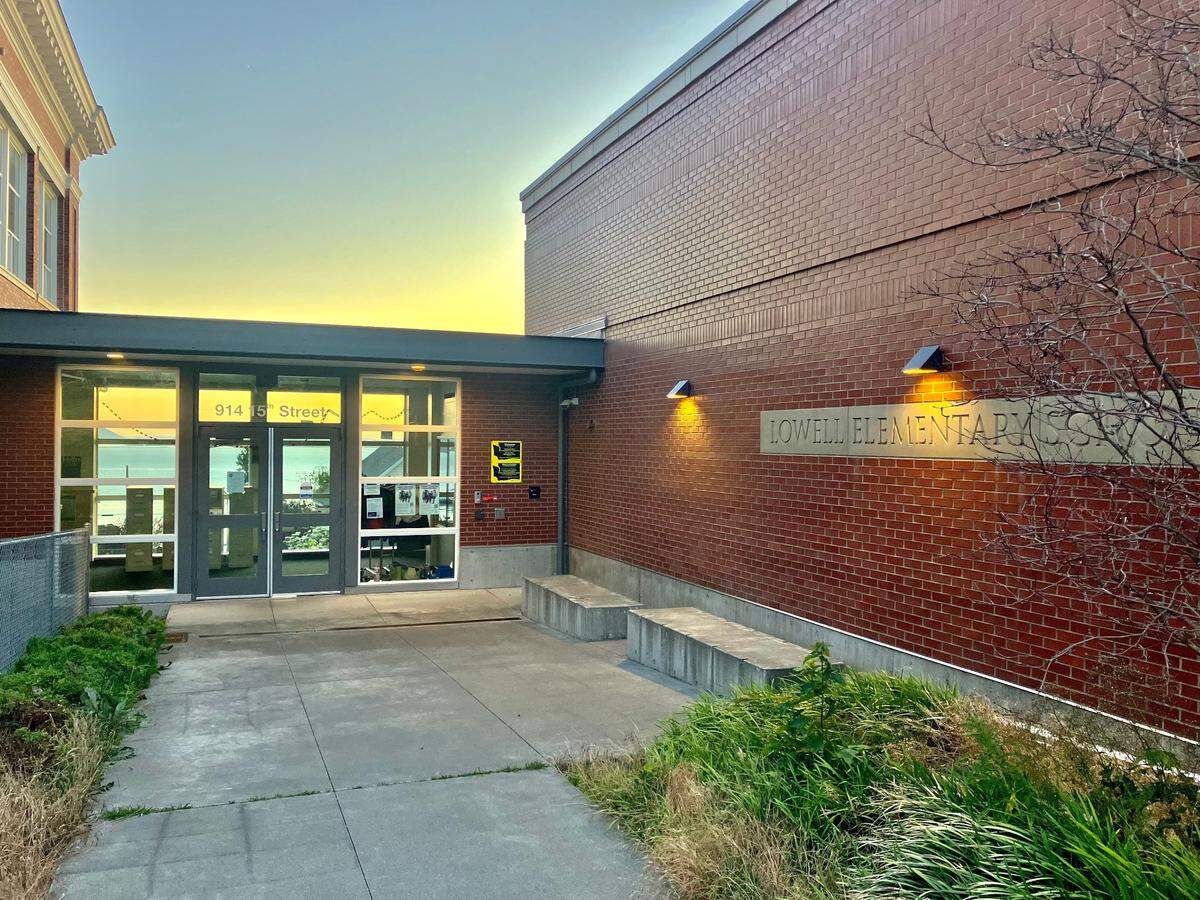
Another family told The Herald they may consider transitioning their students to a closer private school if alternate transportation options do not align with their lifestyle.
“As a parent, you find yourself running to school a lot more frequently than you think,” said Jacob Stewart, a parent to two children enrolled at Columbia Elementary. “It’s a pain to get across town.”
What else could be considered?
Pai said he and his neighbors want Bellingham Public Schools to consider other options such as rezoning the individual school districts. He also suggests moving students participating in the Bellingham Family Partnership Program from the old Larrabee Elementary School to another, more populated school.
“We are not just complaining,” Pai said. “We’re coming with ideas. We want to be helpful and supportive.”
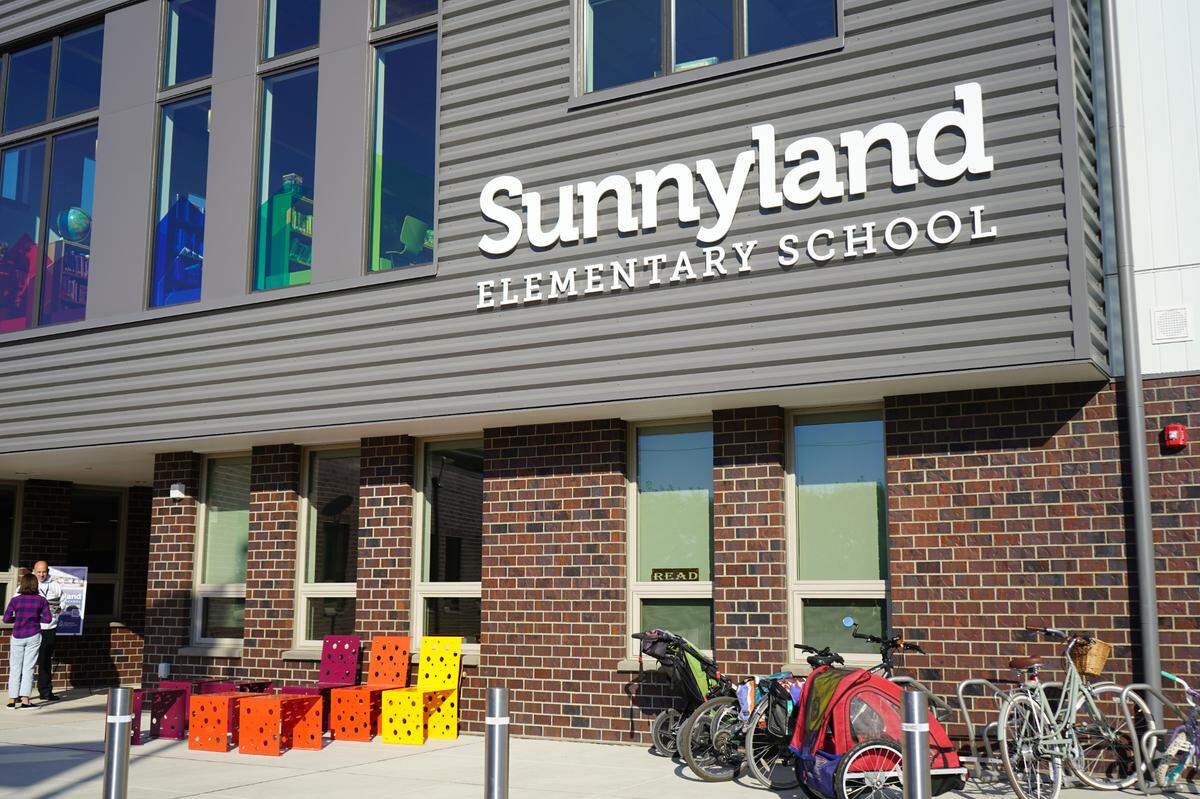
Bellingham Public Schools convenes a facilities planning task force every five years, or as needed, to make recommendations to the district for priorities including repairing, replacing or repurposing facilities.
The 2026 facilities task force has been meeting regularly since February. Its final meeting is scheduled for April 27, although more meetings could be scheduled if more time is needed to make a recommendation. A final recommendation will be provided to the board to make a decision.
Bellingham Public Schools staff will be providing additional information at several upcoming learning sessions at the district office building at 1985 Barkley Boulevard. The meetings are scheduled for:
- Monday, April 13: 5:30 to 6:30 p.m.
- Wednesday, April 15: noon to 1 p.m.
- Tuesday, April 21: 5:30 to 6:30 p.m.
Community members are invited to fill out this form if they are interested in attending.
This story was originally published April 3, 2026 at 5:20 AM.