State data on lead levels in public schools’ drinking water can be misleading
Drinking water sources in Bellingham Public Schools built before 2016 have been tested for lead and then subsequently remediated and retested as required by state law as of 2024, according to the district.
Any drinking water sources that tested above levels considered safe by the Washington State Department of Health — a threshold of five parts per billion — have been either permanently taken out of service or restricted to specific uses. For outlets remaining in use that tested above 5ppb for traces of lead, signage is posted stating, “handwashing only,” according to the district.
The Washington State Department of Health conducts this initial lead testing at K-12 public schools across the state and then provides that data to the public. However, the agency is not required to update its database after a district remediates and then hires a contractor for retesting, leading to discrepancies in available public information.
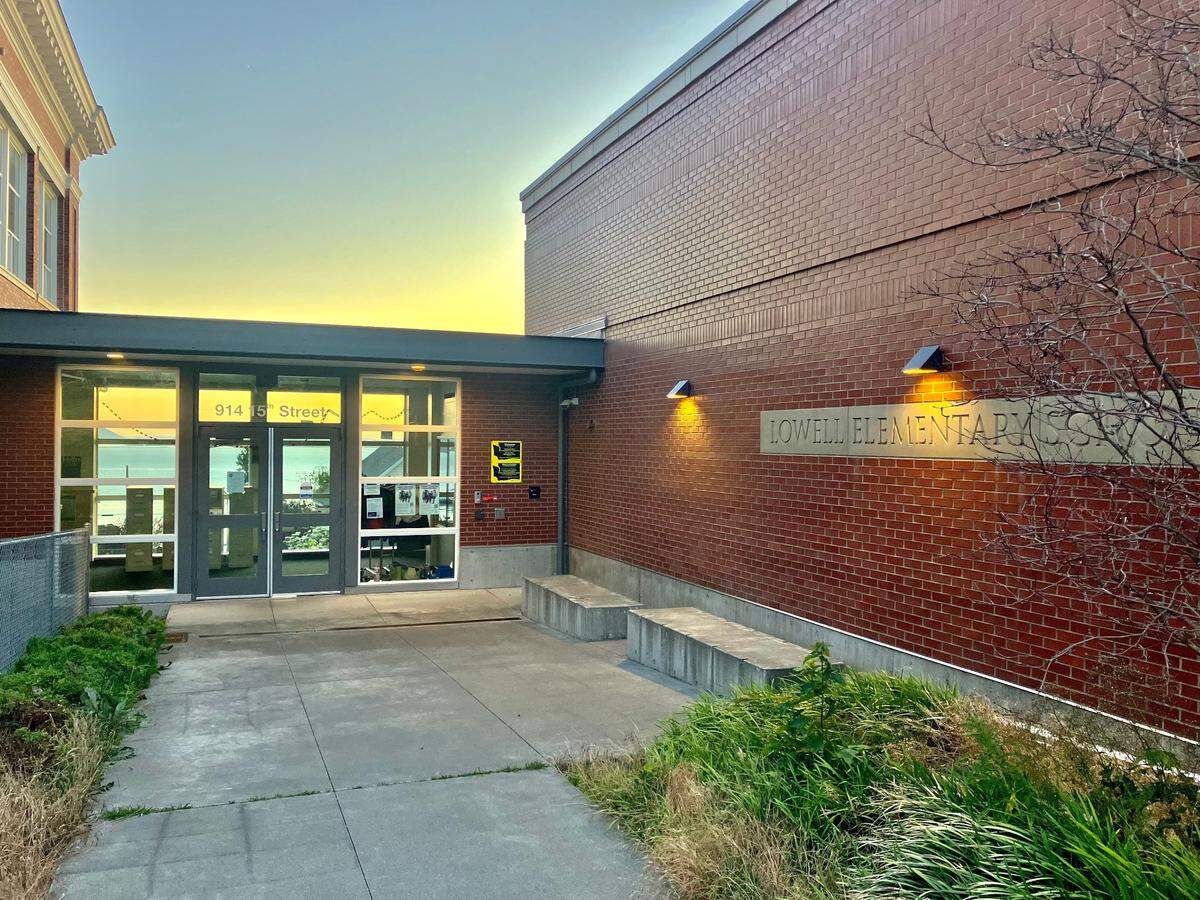
“Although the DOH recommended that we use a contractor for follow-up testing, they do not report on the results,” Bellingham Public Schools spokesperson Dana Smith said in a statement to The Bellingham Herald.
“This means that the state database is incomplete, confusing and potentially misleading. If a community member found this database and searched for a school’s results, they would see only the DOH testing results, not the actions that the district took or any subsequent contractor testing,” Smith said.
Washington State Department of Health Public Information Officer Kara Kostanich told The Herald the agency often lacks the capacity to offer retesting immediately after district’s complete remediation.
She said hiring a contractor for post-remediation testing is a “good option for many districts and allowable,” as the DOH only has 3.5 samplers for the entire state and limited lab analysis capacity. Currently, about 20-25% of DOH sampling visits are for post-remediation.
“Our priority is to make sure all schools have at least one round of lead testing,” Kostanich said.
Contract testing is reviewed by the DOH to ensure it meets the requirements of the law, but the agency does not integrate the new data into its dataset. It is ultimately a “school’s responsibility” to publicly post testing data and their plan for remediation, Kostanich told The Herald.
“Integrating and displaying comprehensive data for each school, including contract testing results, is complex and time-consuming and outside DOH’s requirements,” Kostanich said.
Bellingham Public Schools maintains a specific lead webpage, as mandated by the state, that contains updated and accurate testing and remediation data that differs significantly from the state’s available data.
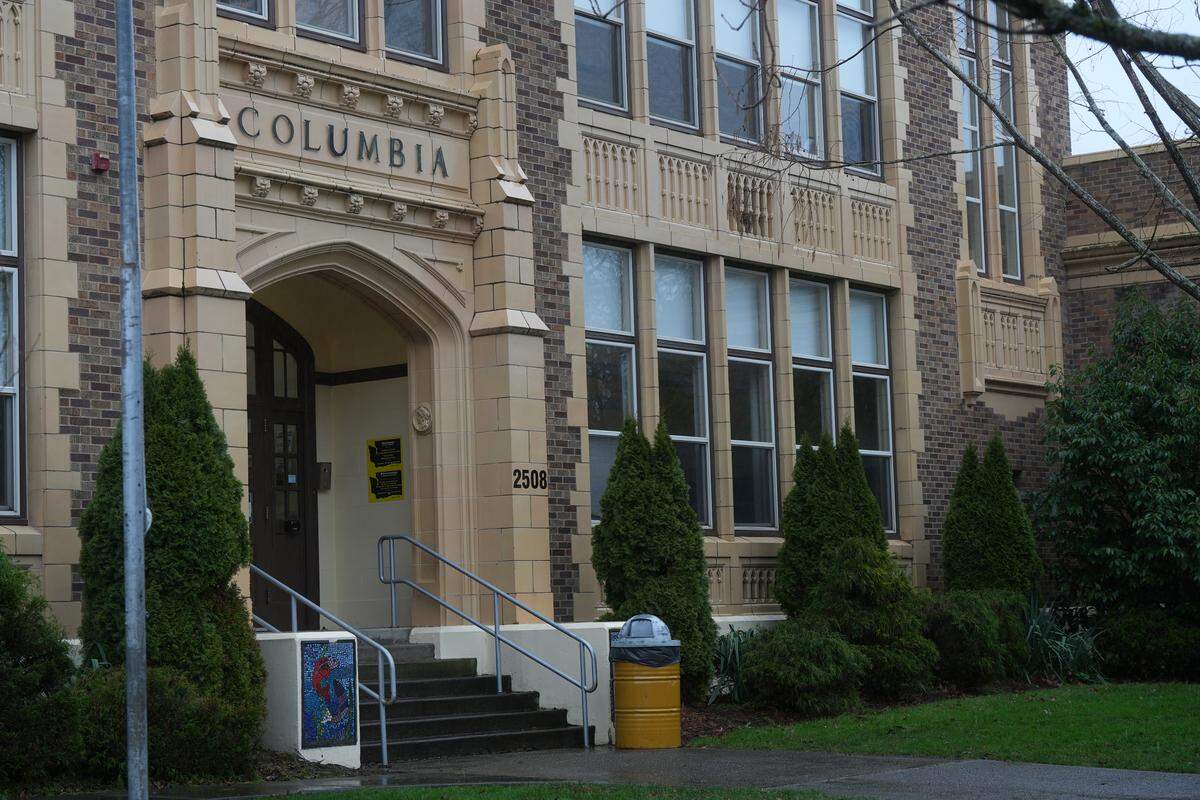
Bellingham Public Schools completed all of its lead testing and necessary remediation work almost two years before the state’s June 2026 deadline. They were also one of the first districts in the state to do so, Smith told The Herald.
“We are really proud of the work that our facilities team did to achieve this milestone,” Smith said.
No testing was conducted at Options High School, Sehome High School, Alderwood Elementary School, Happy Valley Elementary School, Parkview Elementary School or and Sunnyland Elementary Schools since they were all built after 2016.
State and private grant funding was used to replace fixtures at 12 schools in the district. Another private grant allowed for the installation of water bottle filling stations at eight schools, the last of which is expected to be complete by February 2026.