‘This is in jeopardy’: Whatcom County schools’ mental health funds are drying up
Whatcom County school districts are looking for ways to continue to support mental health services for students as current funding is expected to run out in a matter of months.
Local elected officials, school leaders and community health care representatives came together in a meeting Friday to discuss the impact of school-based mental health services and possible solutions to help maintain that care.
“The purpose for being together today is really to look at where we’ve been, where we’re going, and how do we sustain the current level of mental health support that we have in our schools,” Bellingham Public Schools Director of Mental Health Services Laura Cardinal said at the meeting.
“This is in jeopardy,” Cardinal said.
In response to a significant decline in youth mental health, local school districts received temporary funding several years ago to hire staff to focus specifically on social-emotional learning, belonging and mental health.
These funds, totaling about $1.65 million annually, come from a federal grant and excess county sales tax revenue. But with an unstable federal funding environment and a continued reduction in projected local sales tax driven by slowing border traffic, the schools can’t rely on the funding continuing.
“The danger of losing that funding this year is real,” Meridian School District Superintendent Dr. James Everett said.
The funding currently supports 12 mental health support staff and nine school clinicians, along with telehealth and contracted mental health services.
“We are there to help students overcome the internal and external barriers that they’re facing in their life on a daily basis. These are barriers that are preventing them from being happy and productive kids,” said Blaine School District Mental Health Specialist Kevin Kern.
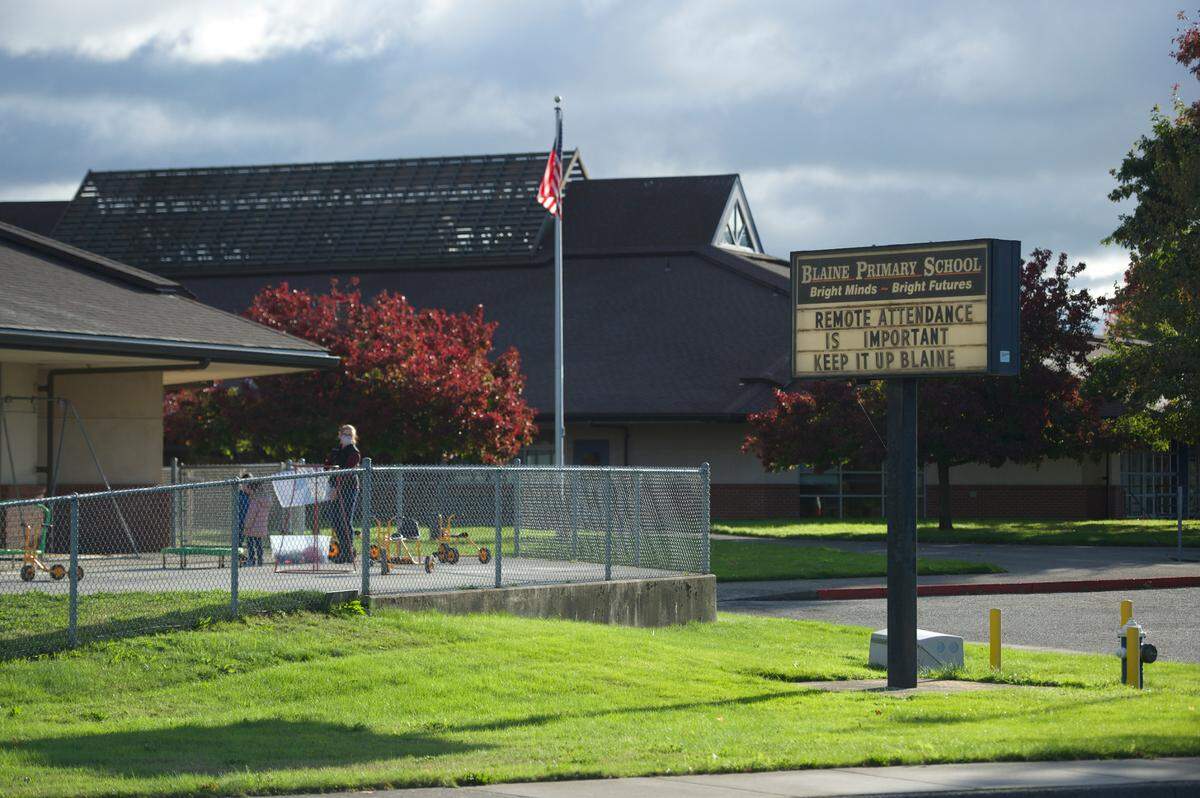
Kern said more rural districts have a unique challenge to help students access available resources, so embedding them in schools is critical.
“We’re there on the students’ good days to celebrate those days with them. We’re there with them on those awful days to pick them up off the floor. This is really important work,” Kern said.

School districts across Washington have been sounding the alarm for years that reductions in allocated state funding has been one of the main reasons for budget shortfalls.
Although overall state spending toward education over the last decade has actually increased, those dollars adjusted for inflation simply don’t reach as far. This has lead to a notable decrease in usable funding over the last five years, according to data from the Washington Office of Superintendent of Public Instruction (OSPI).
Just last month, the Ferndale School Board unanimously passed a resolution urging the Legislature to fully fund public education to support students in the Ferndale School District.
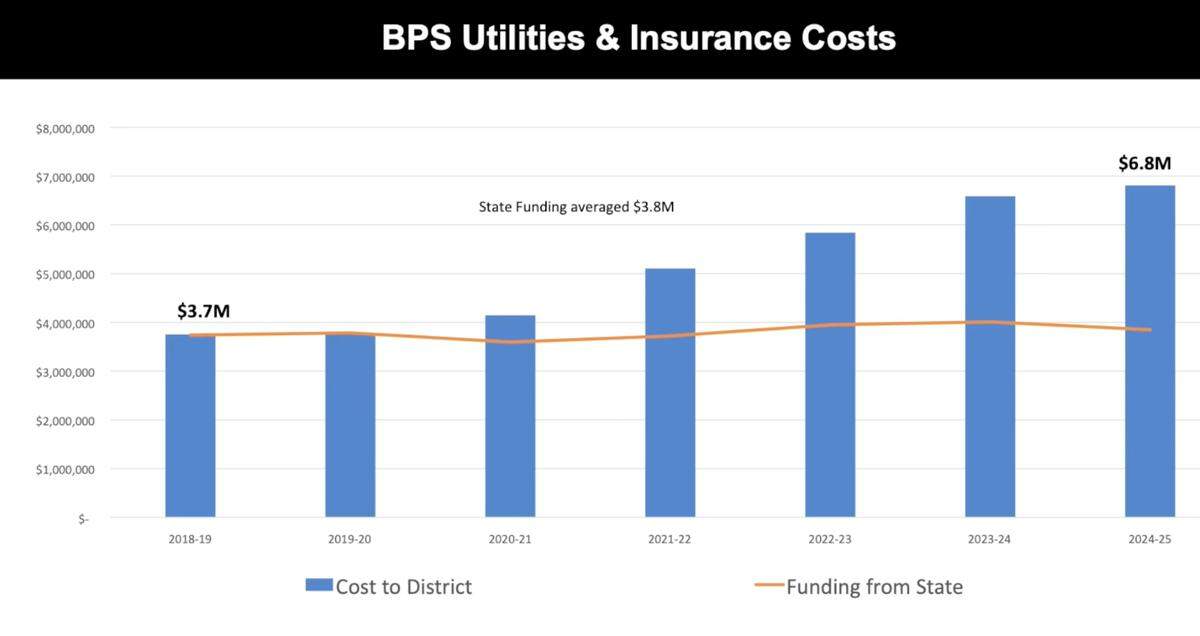
As schools districts already struggle to afford the costs of basic operations like utilities and insurance, finding supplemental funding to support mental health services is tough, school officials said.
“In various ways, all the districts around our county and certainly across our state right now are facing some pretty significant fiscal challenges,” Bellingham Public Schools Deputy Superintendent Dr. Mike Copland said.
Still, educators said replacing funding for mental health services in schools is critical because work over the last several years has moved the needle of overall wellness for hundreds of students.
There are more than 27,000 students in K-12 schools across Whatcom County.