Cold and dark? No problem. Meet the volunteers testing Bellingham’s stormwater for pollution
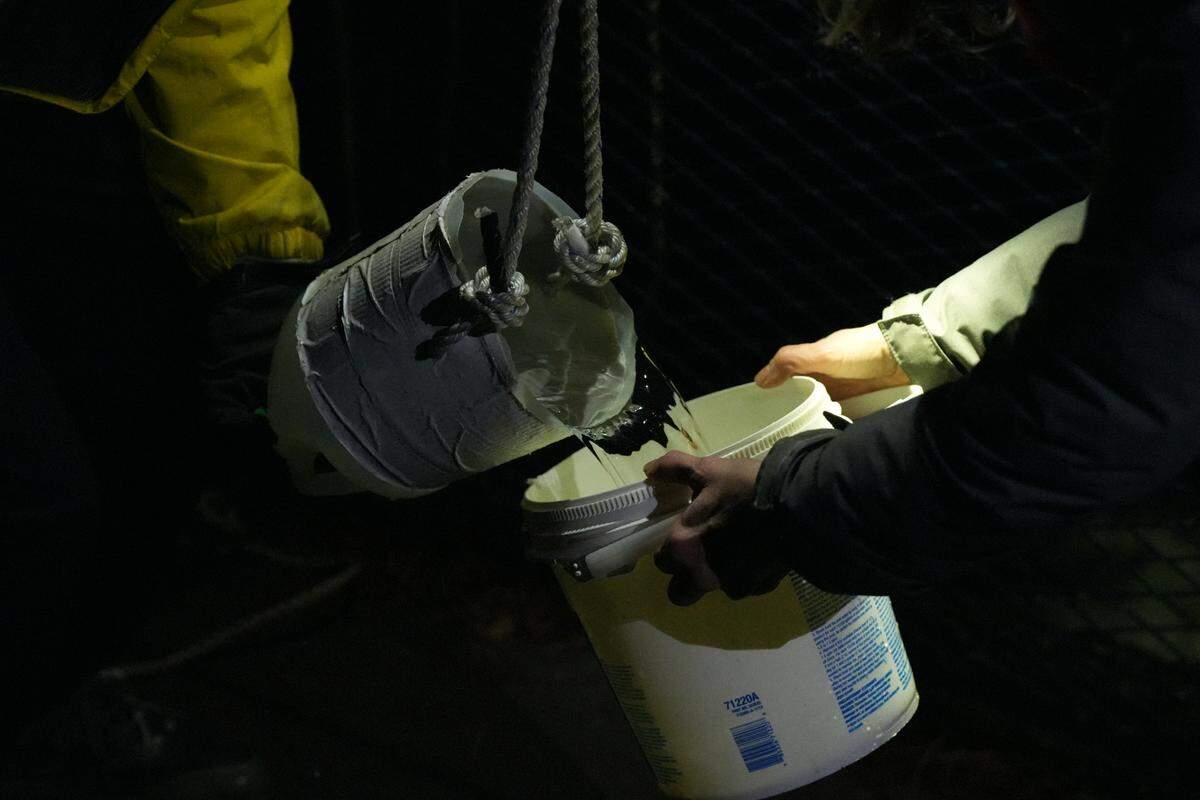
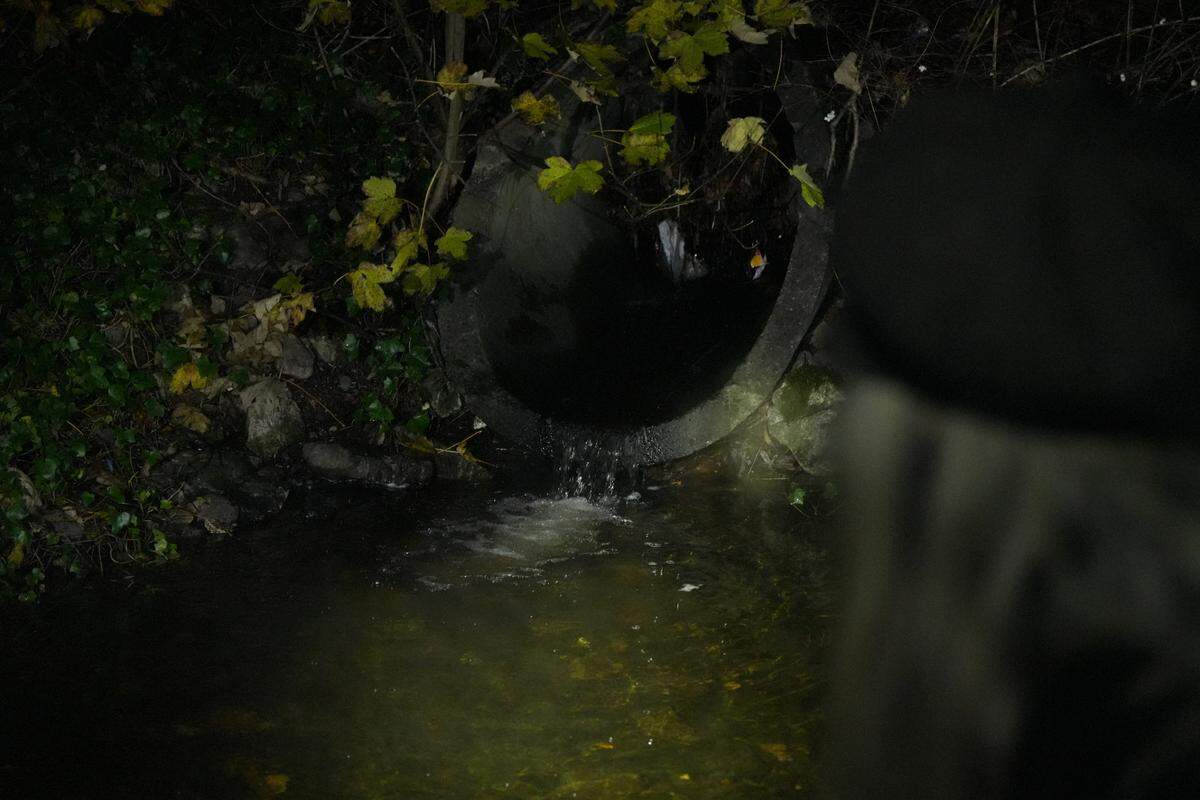
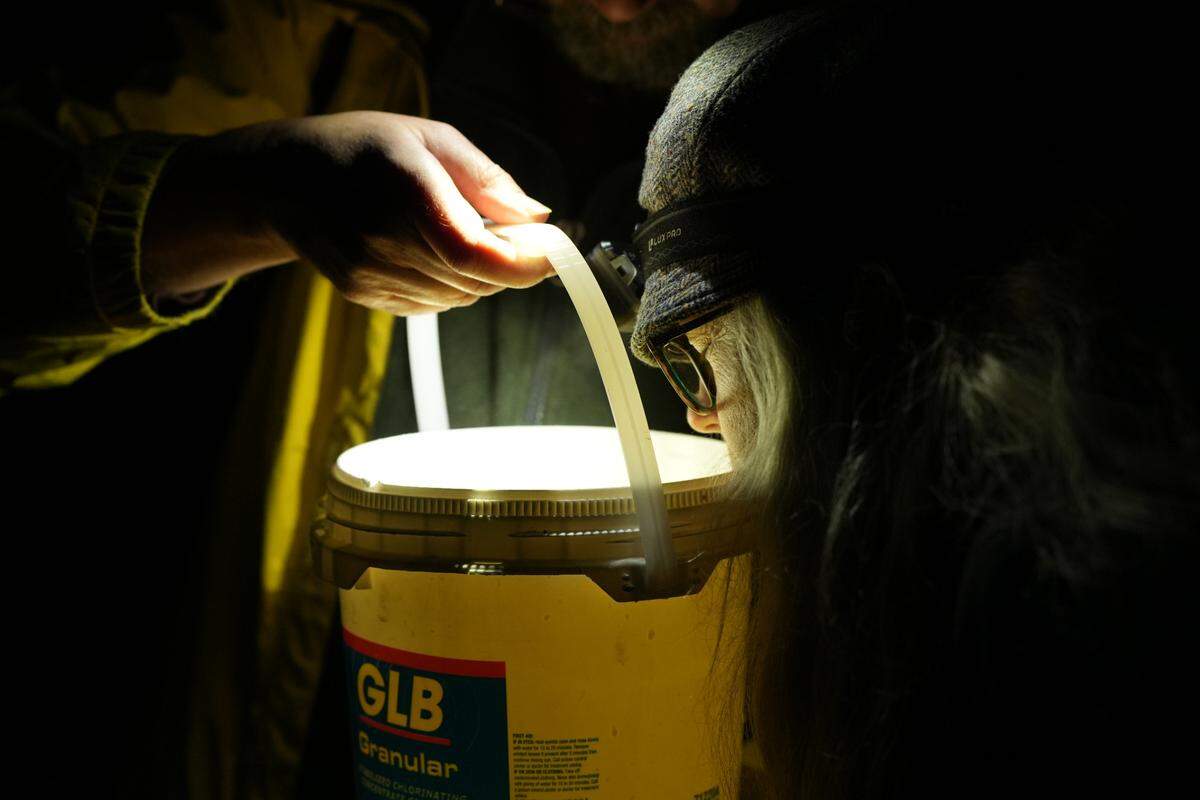
Layered up for the winter weather, donning rubber boots and headlamps, a crew of four volunteers — mostly retirees — headed out on a 43-degree evening in December to test for water pollution at three stormwater outfall pipes in Bellingham.
The volunteers are part of the Salish Sea Stormwater Monitoring Project, a small nonprofit that monitors stormwater for pollution concentrations in seven cities along the northern Puget Sound.
Each volunteer team visits the same sites about once a month to gather consistent data. They have to do this work when the tide is low, which typically means they are working in the cold and dark through the winter. But that doesn’t deter them.
“I was asking myself, ‘What can I do?’ and I found this. It feels good to keep track of what’s going on in these streams. Some problems have been found and others are being worked on. So it’s nice to know we’re making a difference,” said Salish Sea Stormwater Monitoring Project volunteer Henry Pfeffer.

When the groups find elevated pollution levels, they report the discovery to the local municipality, which then starts the detective work to find and eliminate the pollution source. City stormwater departments don’t always have the funding or resources to monitor all of the outfalls regularly, so these volunteers can fill in the gaps.
“In a way, what we’re doing here is pretty simple,” Pfeffer said. “But it can have wide-reaching effects.”
Volunteers at this nonprofit were responsible for finding the elevated E. coli levels present in Bellingham Bay earlier this year — work that alerted officials to a potential health hazard and ultimately prompted cautionary messaging about swimming in certain areas.
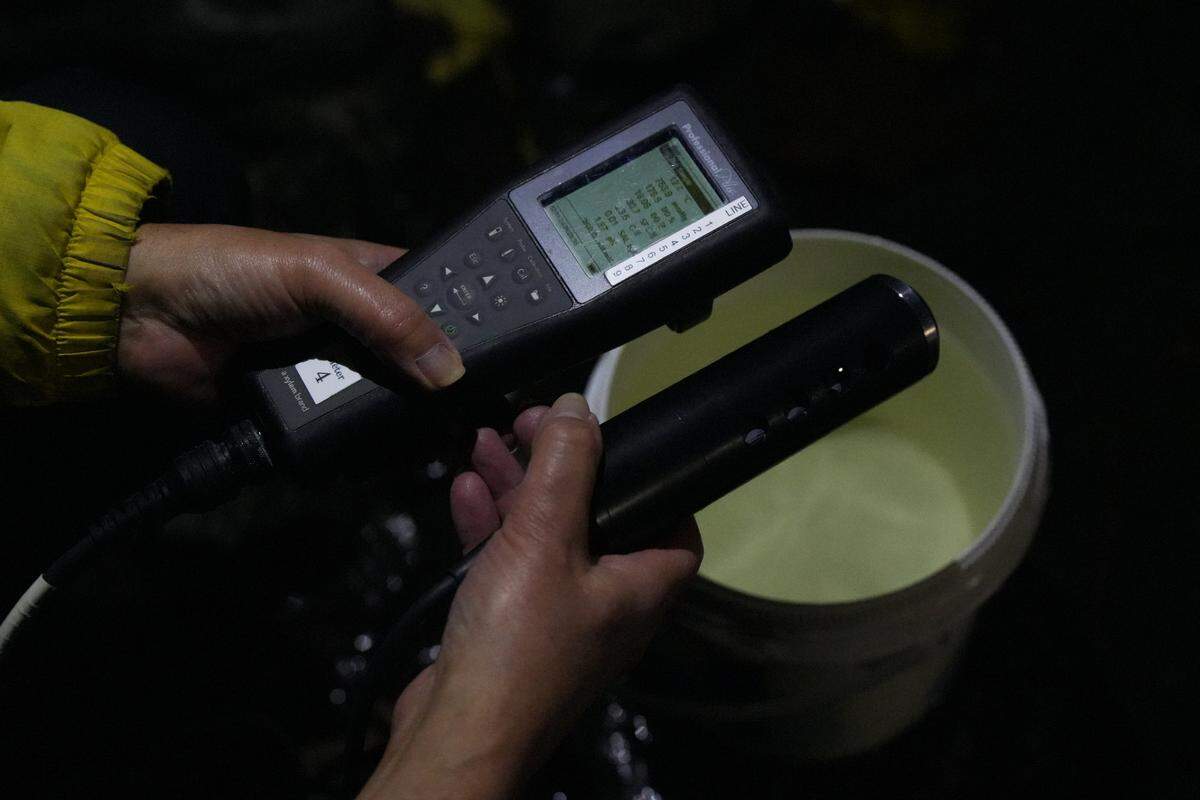
Salish Sea Stormwater Monitoring Project volunteer and chemical engineer Aidan Garcia told The Herald practicing stormwater monitoring helps him make an immediate impact in his community.
“All my work at my job is really theoretical,” Garcia said. “It’s really nice to practice chemistry and make a societal difference locally.”
Stormwater runoff can be hazardous to the environment and is one of the greatest threats to clean water because it picks up fertilizers, oil, pesticides, dirt, bacteria and other pollutants as it moves through storm drains and ditches to our streams, rivers, lakes and oceans, according to the U.S. Environmental Protection Agency.
In particular, the nonprofit aims to help save endangered Chinook Salmon, which are the main food source of Southern Resident Orca Whales. Elevated pollution can contribute directly to species loss — something the group wants to prevent.
“Stormwater is one of the three major causes for the decline and likely extinction of our native salmon population,” the nonprofit states on its website.
While testing the water at an outfall pipe in Little Squalicum Creek, the volunteers spotted what looked to be a small salmon in the stream — a good sign. It’s something the volunteers said they have seen more of in recent months.
“Wow — that’s exciting,” volunteer Janet Higbee-Robinson said at the sight of the fish.
“We try to find them every time. Last month we didn’t see them,” Pfeffer said.
In addition to lessening the environmental impact of pollution, the volunteers at the Salish Sea Stormwater Monitoring Project said monitoring for stormwater pollution has cultural significance.
“The Salish Sea is everything to me and this planet. It’s a unique body of water and has a lot of habitats and biomes,” said volunteer Susie Pevonak. “Knowing that it has been life-giving to the native population here for thousands of years — there’s so much at stake. I see this as a way to give back to the Lummi people, right some wrongs, and stop some pollution if we can.”
“The Salish Sea environment is going extinct. That’s why I do this work because I don’t want it to go extinct. I think my family deserves to live in a healthy, vibrant place,” Higbee-Robinson said.
The organization operates in Bellingham, Anacortes, Oak Harbor, Everett, Edmonds, Mukilteo and Shoreline, with the goal of expanding to other cities along the Salish Sea.
This story was originally published December 18, 2024 at 5:00 AM.