This is how idling container ships in Bellingham Bay could impact the environment
READ MORE
Bellingham Bay shipping
From international COVID-pandemic shipping delays to new initiatives by the Port of Bellingham, there’s a lot going on in Bellingham Bay. Have a question or story idea? Send it to newsroom@bellinghamherald.com
Expand All
Port of Bellingham suggests this may increase container shipping contracts
This is how idling container ships in Bellingham Bay could impact the environment
Glut of container ships expected to keep arriving on West Coast and Bellingham Bay
.jpg)
What’s with all the ship traffic in Bellingham Bay? There could be more on the way
Here’s what’s going on with the new arrival at the Port of Bellingham’s shipping terminal
The increased number of giant ships lumbering through Bellingham Bay and the surrounding waters has sparked concern among environmentalists. Their sources of anxiety are wide-ranging, from how the ships will impact local air and water quality to the vessels’ contribution to global climate change.
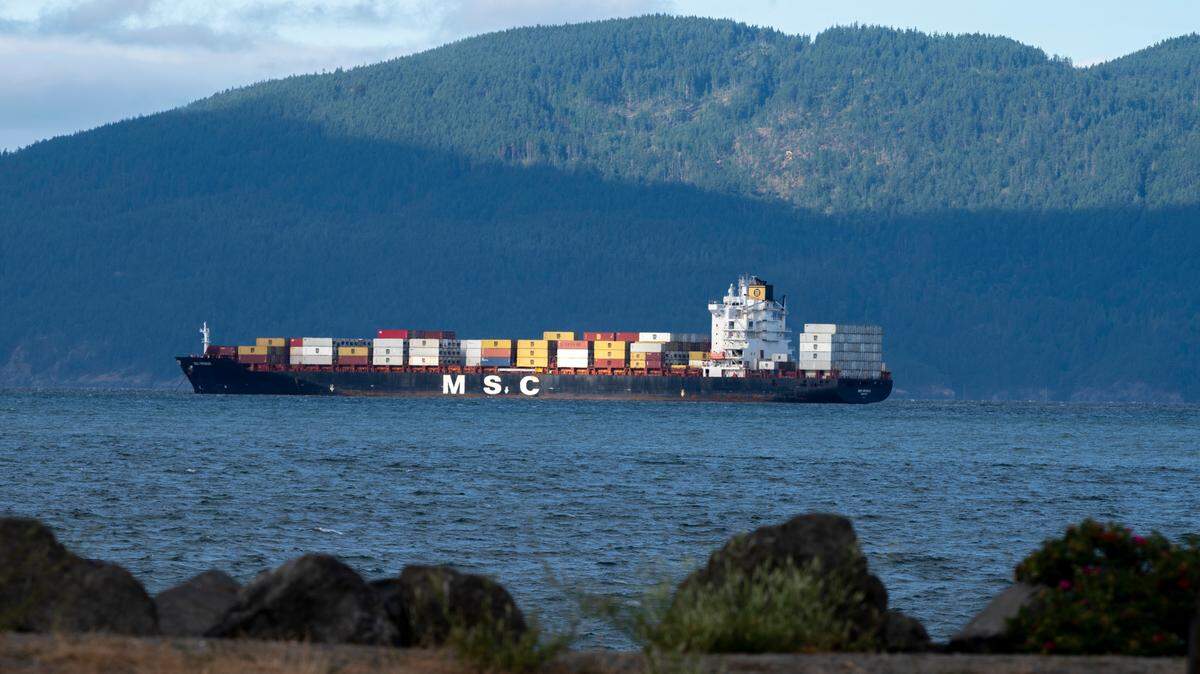
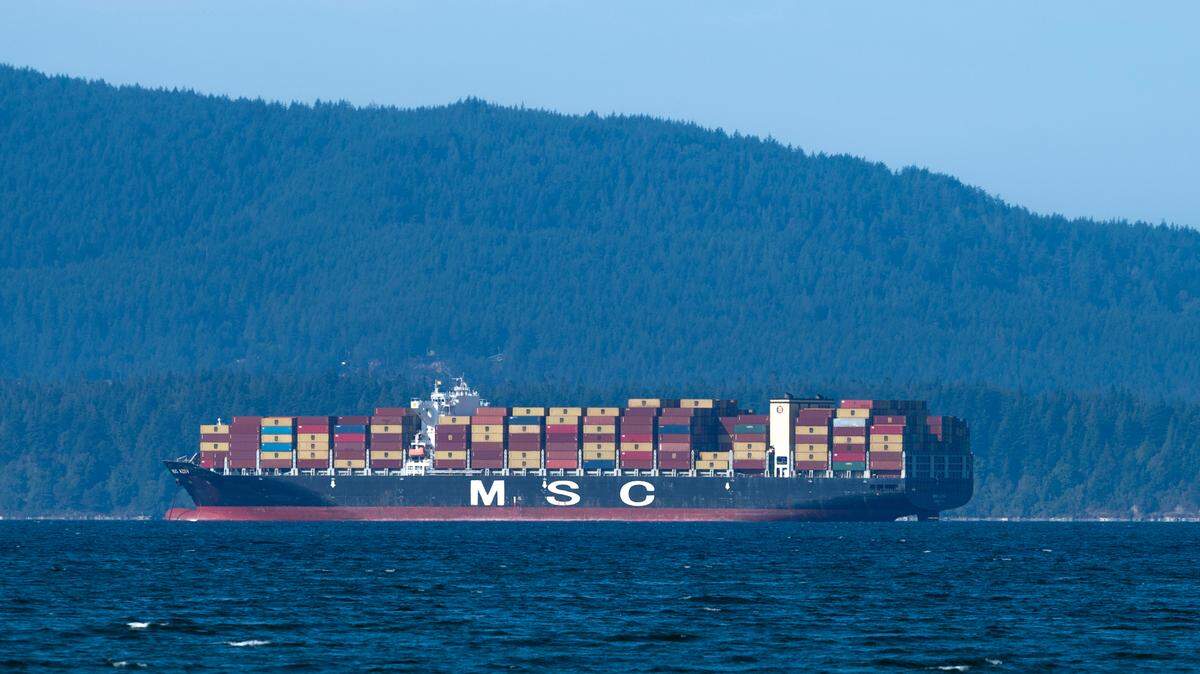
As pandemic restrictions began to lift earlier this summer, West Coast ports became backed up with a glut of ships coming from Asia to deliver goods. Several of these ships have anchored in Bellingham Bay in recent months as they wait to unload at Seattle and Tacoma ports. Last week, for example, Bellingham residents enjoying the waterfront likely spotted the more than 100-foot-long container ship Tianping, which was anchored in the bay for several days.
“This is not something we had even been thinking about until this year,” said Eleanor Hines, North Sound baykeeper and lead scientist for Bellingham-based environmental nonprofit RE Sources. “In the past, we were concerned about shipping traffic, but that’s ships on the move.”
The No. 1 worry is noise pollution’s impact on marine life such as orcas and porpoises, said Blair Englebrecht, boating programs manager for the Puget Soundkeeper Alliance. It’s difficult to determine the exact impact on Bellingham Bay’s marine life, but if observations from Whidbey Island residents are any indication, it can’t be good — several container ships have idled off of the island’s coast this summer, and residents have reported that they haven’t seen any orcas for at least a month, Englebrecht said.
“If animals are migratory, I would presume they are just leaving those areas,” she said. “Generally, marine life doesn’t like that noise. It’s like waking up at 6 a.m. on a Saturday morning to your neighbor mowing their lawn.”
The list of potential environmental impacts of idling container ships goes on, Hines said. The constant light from the ships can make prey more visible to predators and disrupt movement patterns for plankton, which float near the water’s surface during the day and sink deeper into the water column at night. Hines is also concerned that the longer a ship waits in the bay, the greater chance that there is an oil or fuel spill.
Washington state has some of the strongest oil spill protections in the world, according to Brian Kirk, prevention section manager for the state Department of Ecology.
“We worry about any ship or any oil-handling activity causing a spill. It is a concern,” he said. “One thing we do is reach out to arriving vessels and provide information regarding oil transfer and oil spill prevention regulations.”
Oil spills do not typically occur when a ship is sitting at anchor, Kirk said, but if the ship were receiving fuel, there could be increased risk of an accident. That’s why fuel deliverers are required to put up a barrier around the area while refueling a large ship at anchor — if a spill does occur, this containment makes it easier to clean up. Two container ships have fueled at anchor in Bellingham Bay in the past year, both in the past month, Kirk said. One fueled on Tuesday, Aug. 3, and the other did so on Monday, Aug. 9.
Hines also worries about invasive species or diseases escaping from a ship’s dirty bilgewater into surrounding habitats. Typically, these unwanted visitors are killed off in the salty, open ocean, Hines said, but when the ship is anchored closer to land, there is a higher risk of them finding their way into sensitive, near-shore habitat.
Puget Sound and certain surrounding waters, including Bellingham Bay, are in a state-mandated no discharge zone, meaning vessels cannot release any sort of sewage, even if it’s treated. There are several pump-out stations in Bellingham Bay, where commercial ships can dispose of wastewater, according to Amy Jankowiak, who helps manage environmental compliance regarding water quality at the state Department of Ecology.
The local weather has been clear and dry lately, but if container ships are still waiting in the bay when storm season arrives, Hines is worried about the consequences. Strong winds can push ships, causing their anchors to drag along the ocean floor, stirring up sediment and smothering sea critters. Rainwater flowing off ships can wash pollutants and chemicals into the water, although there are state and federal requirements for commercial ships to manage these substances on the surface of the vessel.
“Whether there are a few vessels or a lot, we expect them all to abide by the laws and rules,” Jankowiak said.
That’s not to mention the long-term climate impacts of more idling ships pumping planet-warming greenhouse gases into the atmosphere as they wait. Shipping accounts for nearly 3 percent of annual global greenhouse gas emissions, according to the International Maritime Organization. A recent report by environmental organizations Stand.earth and Pacific Environment estimated that the 2019 shipping imports of the 15 largest U.S. retail companies contributed as much climate pollution to the atmosphere as the energy needed to power 1.5 million homes.
Both Hines and Englebrecht agree that there is no easy solution to the giant idling ships in the Salish Sea. Hines wondered aloud if there was a way for ports to unload ships faster or better coordinate when the vessels come and go.
“The Port of Seattle alone is not going to solve this problem,” she said. “It’s going to take international efforts. But that doesn’t mean we shouldn’t try to come up with local solutions to help.”
This story was originally published August 16, 2021 at 5:00 AM.