Here’s why Bellingham businesses face a tight building market, increasing rent prices
While the recent flooding, pandemic surge and arctic freeze made the fourth quarter a tough one for Whatcom businesses, it hasn’t impacted demand for retail, office and industrial space.
Vacancy rates continued to decrease and rent prices continue to rise for business spaces in Bellingham during the final three months of 2021. For retail spaces like stores and restaurants, the vacancy rate was 3.5% while the average lease rate was $18.96 per square foot, according to a report done by Ryan A. Martin, co-owner and broker at Pacific Continental Realty in Bellingham.
The vacancy rate for Bellingham’s 10.2 million square feet of retail space is lower compared to the third quarter (3.7%) and the second quarter (3.9%) of 2021.
One factor in lower the retail vacancy rate was the addition of one large tenant. Volli Bellingham, a pickleball facility and sports bar, is occupying 24,000 square feet of space in the former JR Furniture building near Whatcom Community College. Owners are planning to open the facility later this year.
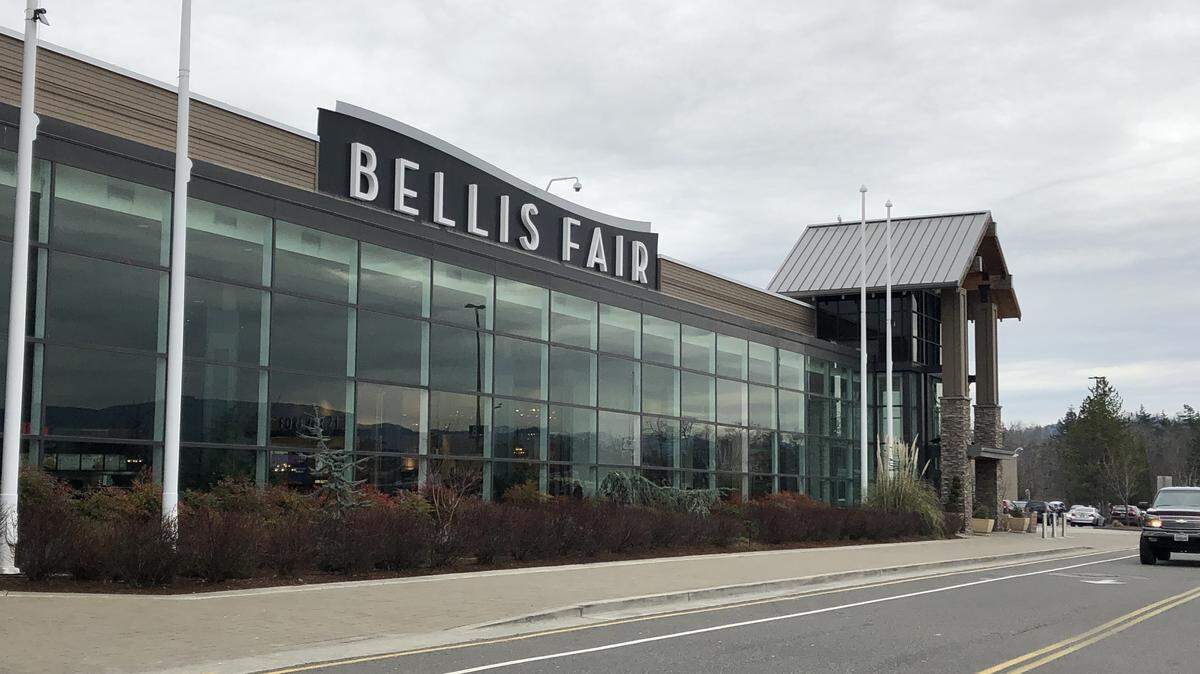
At Bellis Fair, the vacancy rate rose to 14.7% after a seasonal business left the mall. Much of the mall square footage is taken up by the anchor stores that remain in place — Target, Ashley HomeStore, Dick’s Sporting Goods, JC Penney, Kohl’s and Macy’s.
The most difficult space to find in Bellingham these days is industrial. Martin estimates the vacancy rate at the end of 2021 was 0.4 percent, or only around 30,000 square feet out of around 8.3 million.
Despite the pandemic making office work a little chaotic, the vacancy rate in this area also dropped from 4.1% in the third quarter to 3.6% in the fourth quarter.
In an email, Martin said he expects vacancy rates to remain steady in the first quarter of 2022. He believes businesses will be more optimistic toward the end of March, particularly if the current COVID-19 surge winds down beforehand.
As for the industrial space shortage, Martin said banks are not showing interest in lending money to speculative development, preferring to have a tenant in place before development. Land is also limited in Bellingham, particularly for medium- to large-scale buildings.
Don Goldberg, the Port of Bellingham’s economic development director, agreed, adding that a lack of childcare and affordable housing are making it harder to attract companies into the area.
This story was originally published January 9, 2022 at 5:00 AM.