
Community voted to invest in Bellingham schools, not shut them down | Opinion
In 2022, the Bellingham School District asked voters to invest in local education. Many said yes, passing a bond to redesign three aging elementary schools. In 2026, a task force instead recommended shutting two of them down. A final decision will be made by Superintendent Greg Baker and the school board.
My children are not yet school-aged, so in the years after voting for the bond, I admittedly did not pay close attention to the school district. I thought it was enough to vote in support of schools, and I trusted the district was working toward our shared goal.
Unfortunately, what transpired over the past four years is a story of broken promises and misplaced spending priorities.
An opinion piece by State Superintendent Chris Reykdal argued statewide school closures may be a necessary response to declining enrollment and budget challenges. Those challenges must be acknowledged, but what’s missing from the local conversation is a very real concern about how the process unfolded and why so many families feel left behind.
Since its formation in January, the school district’s task force had limited public visibility. The application period was open for just one week, there was no clear indication school closures would be considered, and the committee’s final makeup was largely district administrators. It was only after parents raised concerns that the task force opened meetings to the public and held listening sessions.
Process matters, and when our district operates from the beginning with little transparency and public engagement, it’s hard not to wonder whether the outcome was already decided.
Examples from nearby districts showcase more collaborative ways to approach these issues. When Burlington-Edison School District faced similar challenges, impacted families were brought into the conversation, working with the district to develop options and vote on them. The community had a real voice in the outcome. That kind of collaboration builds trust.
The issue is not whether difficult decisions may be necessary. The issue is whether impacted families are invited to shape those decisions before they’re made. Right now, that’s sorely missing in Bellingham.
Concerned parents are asking Superintendent Baker and the school board to pause a final decision on school closures and work toward a more collaborative process. We want the district to incorporate third-party data analysis and consider other cost-saving options before shutting down schools — like restructuring and removing redundancy in administrative roles, redrawing school boundaries, increasing choice enrollment, or exploring school sharing with community programs.
Closing schools isn’t a neutral decision. It disrupts kids’ educations, strains families and changes neighborhoods. Once a school is gone, it’s usually gone for good. And the changes will be felt citywide as neighboring schools absorb the impacts.
Before making permanent decisions about school closures, our district must be confident it is working from a complete picture. So it feels increasingly fair to ask: is this decision really about declining enrollment, or is it about cherry-picked data and misplaced spending priorities?
District leaders say school closures are unavoidable because enrollment is declining. But projections used by the district’s data analyst show a steep, continued drop in kindergarten through fifth-grade enrollment where county data show a birth rate plateau five years ago. Ironically, the firm hired by the district specializes in school closures and consolidation.
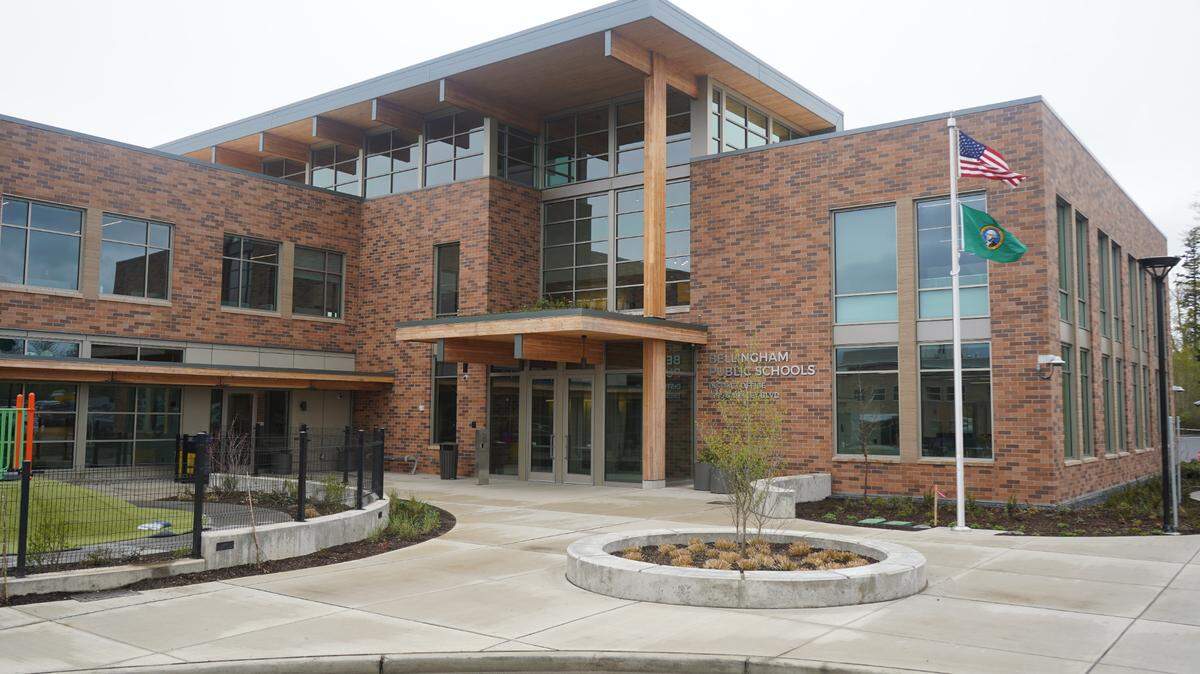
District leaders also point to declining state funding as a major contributor to budget challenges. And while that may be partially true, the district’s own spending tells a concerning story. In the same four years the district went from talking about rebuilding schools to shutting them down, it opened a $32 million administrative building, increased the number of administrative positions making more than $200,000 from 2 to 10, and raised administrative salaries by 37%, or $2.25 million (compared to a 24% increase for teachers).
Ironically, that $2.25 million salary increase alone would surpass the amount the district claims it would save by closing two schools. Why do they need more highly paid administrators if enrollment has decreased so much they’re trying to shut down schools?
If Superintendent Baker and the school board have any hope of operating with the same level of trust voters have shown in the past, they must restart this process in a way that actually brings in impacted families from the beginning. We don’t want to be labeled as emotional for speaking out, and we don’t want our proposed solutions to be dismissed. We simply want to be part of the solution.
Bellingham voters have repeatedly shown up when asked to invest in local education. Before making an irreversible decision to close schools, we ask the district for the same in return: Create a process that puts students and families first, not one that leaves us trying to catch up after closed-door decisions have already been made.
Ginny Roscamp is a 16-year resident of Bellingham. She lives in the Columbia neighborhood with her husband and two daughters.