
A modern neighborhood, antiquated industrial zoning in Bellingham | Opinion
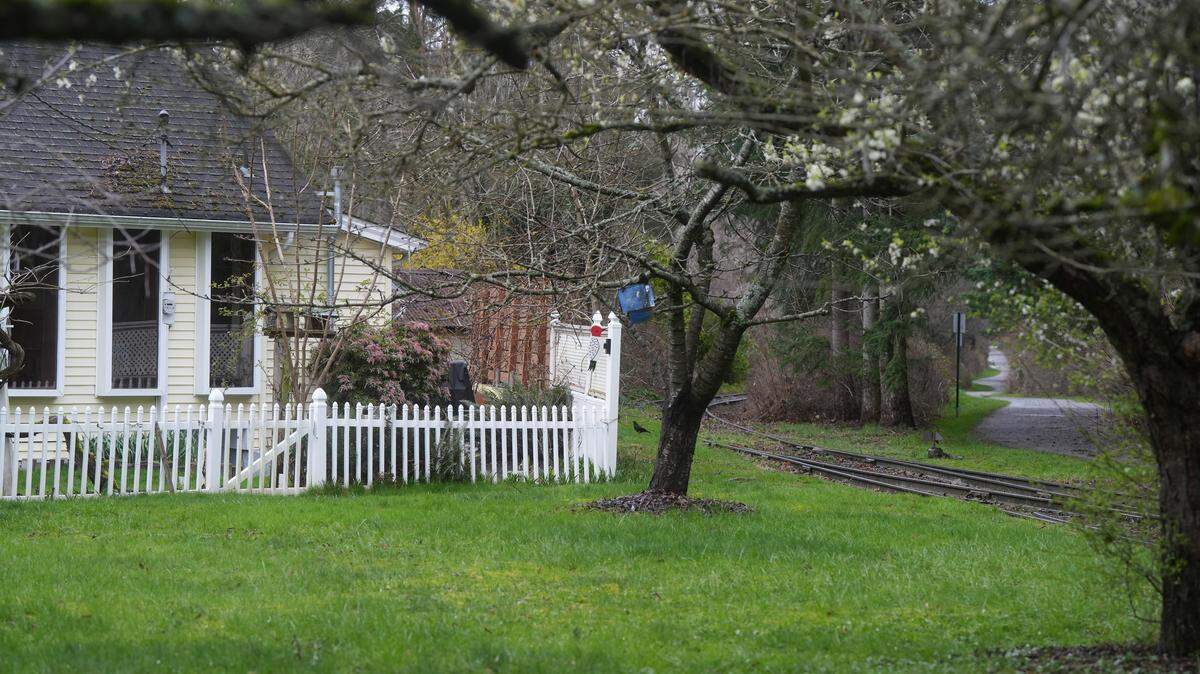
Walk the Bay to Baker Trail through Birchwood and you pass near an industrial site that has been operating along Marine Drive since the 1940s. The Bell Lumber & Pole facility, formerly owned by The Oeser Company, treats wood utility poles. The property is a federal Superfund site, listed on the EPA’s National Priorities List in 1997 because of decades of contamination from wood-treating chemicals. Cleanup, nearly a quarter-century later, is still in progress.
The neighborhood has grown adjacent to Bell and other heavy impact industries and now includes thousands of residents, four schools within half a mile, Little Squalicum Park along the facility’s stormwater pathway, and a heavily used regional trail.
The Birchwood and Alderwood neighborhoods carry one of the heaviest documented health burdens in the state. The Department of Health’s Environmental Health Disparities Map ranks the census tract containing our neighborhood 9 out of 10 — in the second-highest decile statewide. The Map combines indicators across four categories: environmental exposures, environmental effects, socioeconomic factors, and population health measures. That score reflects cumulative factors over many decades from many sources. But it’s relevant context as the Whatcom County Council considers whether to maintain Heavy Impact Industrial (HII) zoning at the only HII corridor inside any city Urban Growth Area in the county.
On April 7, the Washington Department of Ecology issued a Warning Letter to Bell Lumber & Pole stating that the facility is “out of compliance” with its industrial wastewater discharge permit.
In addition, residents have been reporting persistent chemical odors. The Northwest Clean Air Agency measures particulates such as PM2.5 — not volatile compounds relevant to wood-treatment operations. No monitoring data exists that characterizes what is actually in the air.
Birchwood residents near the facility already live much closer to HII than current law would allow today. Under WCC 20.68.552, a new HII facility in this location would have to be set back 660 feet (or more in a UGA) from neighboring properties, depending on the buffer screening in place. Instead, multitudes of residents share a property line with these HI industries or live across the street.
The City Council is now finalizing its once-a-decade comprehensive plan update. The plan includes Policy 2U-11, which directs the County to coordinate with the City to study whether HII zoning still fits this corridor. If rezoning were to happen, it does not put existing operations or jobs at risk but future expansion and new equipment would require a public review. The neighborhoods want a healthy economy and see Light Impact Industrial ((LII) jobs as a far better alternative for this corridor. LII setbacks are less, no fumes are permissible, they do not operate 24/7, they do not impose massive clean up costs onto taxpayers, they hire more people (esp per footprint) and they generate significantly more tax revenue. Heavy Industry groups are pressing the Council to remove Policy 2U-11 and other neighborhood protections from the plan.
The Birchwood Neighborhood Association is asking the County to ensure neighborhood protections in the comp plan. Strengthen them with a timeline and enforce the county’s own existing code protections. This corridor has been a planning disaster. The neighborhood deserves a framework that protects residents, prioritizes housing as well as jobs and advocates for a smarter local economy.
Sarah Gardner is president of the Birchwood Neighborhood Association.