Whatcom County zoning in question as growth continues around heavy industry
Whatcom County industry leaders are at a crossroads with residents living alongside their business operations who are asking local elected officials for zoning changes.
Residents living in the Birchwood and Alderwood neighborhoods within Bellingham and the unincorporated Urban Growth Area (UGA) west of the city have been sounding the alarm for years over their proximity to Heavy Impact Industrial (HII) zones. This zoning supports businesses, including the Heidelberg Materials cement grinding plant and the Bell Lumber & Pole mass timber production facility.
Residents say concerns over industry noise, odors and air quality are driving their push to limit future heavy industrial operations near their homes.
“There’s a zoning conflict that is very problematic. When Lehigh Cement went in on Marine Drive, it was a long time ago, and there were scattered houses,” Birchwood Neighborhood Association President Sarah Gardner told The Bellingham Herald.
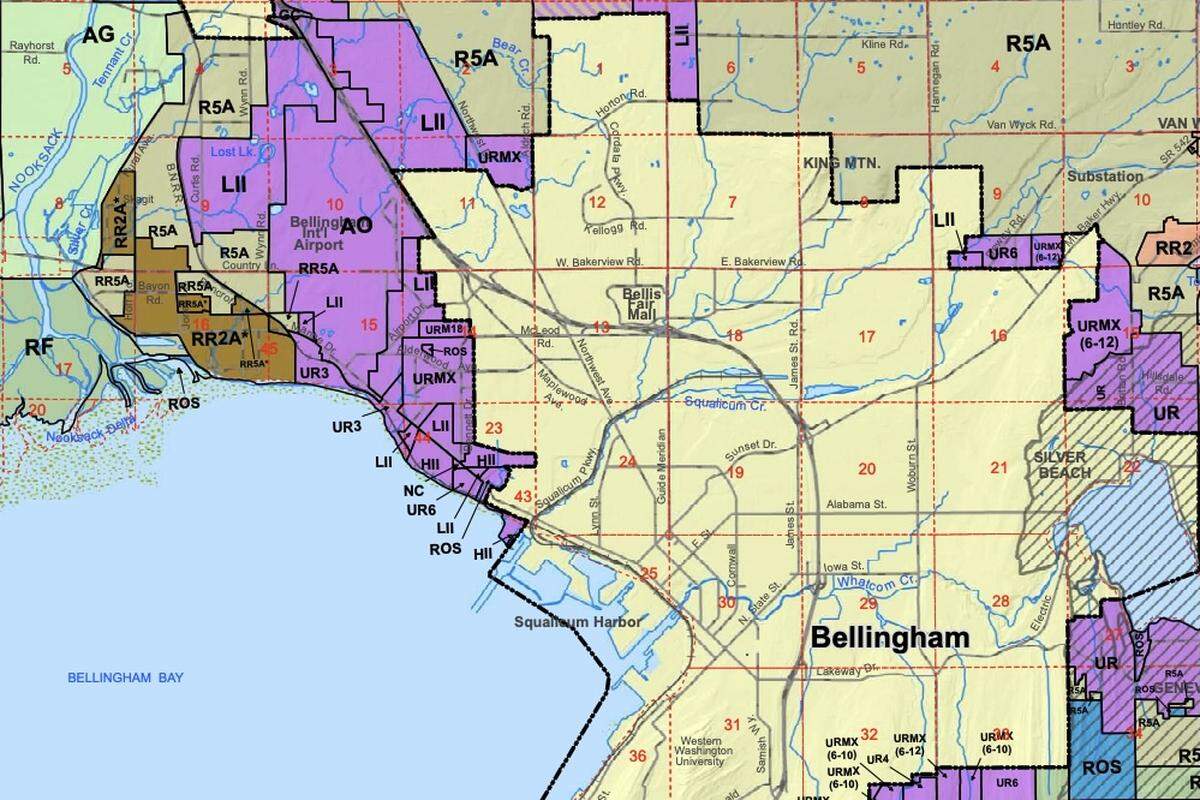
“As the neighborhood grew around it, we began to have these two conflicting issues, which are that we want to densify the urban core, especially in the UGA and Birchwood, where there is a lot of middle housing potential. And we have this entrenched heavy-impact industrial area, which is not designed to be adjacent to residential houses,” Gardner said.
How county policy could enact change
With the Whatcom County Comprehensive Plan due for approval this spring, one proposed amendment Policy 2U-9 would allow the county and the city of Bellingham to look more comprehensively at the possibility of rezoning existing HII areas in the Bellingham UGA to Light Impact Industrial (LII).
The proposal would not automatically rezone any areas, but rather “acknowledge further coordination with residents, businesses, property owners, the Port and the city of Bellingham is needed to address stakeholder’s concerns,” Whatcom County Planning & Development Services Director Mark Personius told The Herald.
It’s a proposal initiated by significant community backlash several years ago in response to the proposed ABC Recycling metal shredder facility on Marine Drive. ABC ultimately withdrew its permit application, and the facility never came to fruition. But its proposal prompted nearby residents to express concerns over potential adverse impacts from existing industry in the area.
“Unfortunately, residences have been allowed to be built up to right next to these industries,” said Birchwood resident Lisa Adam. “There are schools nearby, child care nearby, many people who live in a lot of homes. It really needs to be resolved.”
Whatcom County has adopted some changes to prohibit similar uses to the metal shredder in the UGA’s HII zone. But the county indicated a “more comprehensive look at the issues arising between existing operating industries and the adjacent residential neighborhood would require further study in coordination with the city of Bellingham,” Personius told The Herald.
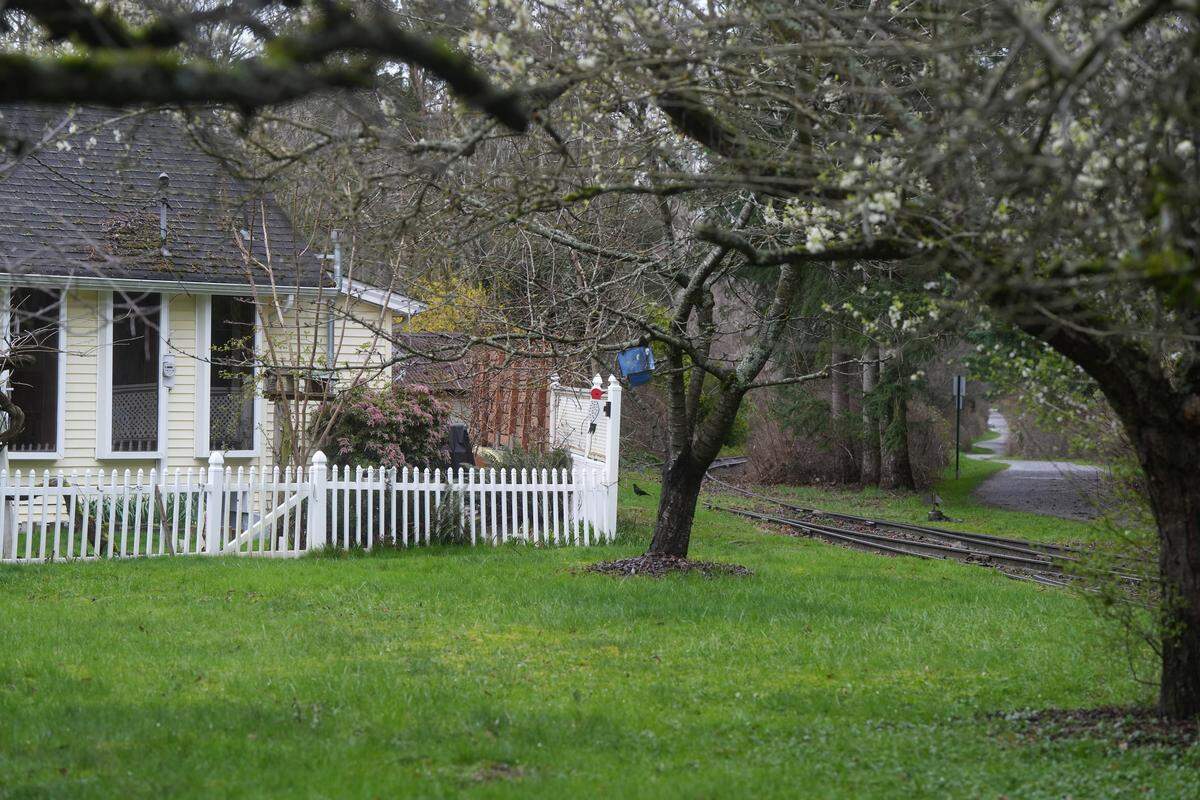
Neighbors want HII zoning within the UGA to be rezoned as LII. They are asking for immediate amendments to the comprehensive plan that they say would allow existing heavy-industry businesses to continue operations through a “grandfathered” status, while protecting residents from the impacts of future heavy industry moving into the area.
These proposals include:
- Rezoning the HII-zoned parcel owned by ABC Recycling, which has no current business operations, to LII.
- Restricting HII operations withing the Bellingham UGA to regular business hours (8 a.m. to 5 p.m. Monday through Friday).
- Allowing Whatcom County Health and Community Services to enforce odor penalties and abatement provisions on HII operations by adding new language to the county code that would consider odors detected beyond the property lines of heavy industry operations a “public health nuisance.”
Industry leaders say ‘downzoning’ is bad for business
Industry leaders are pushing back on any changes, broad zoning redesignations or otherwise, saying they would be harmful to their businesses and the local economy.
Washington Aggregates & Concrete Association (WACA) Executive Director Cory Shaw told The Herald that any moves to downzone the land could “create significant challenges and detrimental impacts” to existing heavy industrial operations.
Shaw said heavy industrial operators could continue operating under grandfathered rights, but with limitations and uncertainties for the long-term viability of the business.
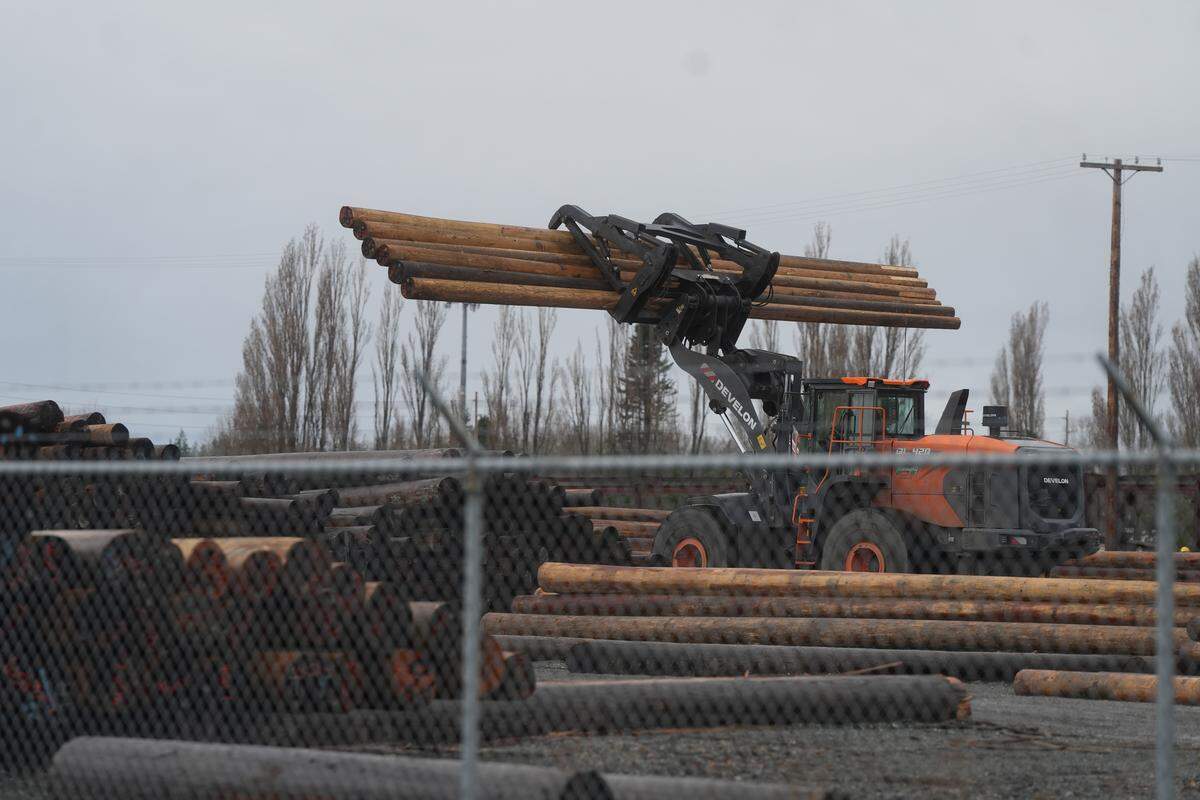
Expansions or updates could come into question, operational restrictions could stunt production and property values could be reduced, she said. Rezoning could also cause businesses to eventually need to move, resulting in high relocation costs, business disruptions, lost revenue or workforce challenges, according to Shaw.
“In essence, while the change may aim to appease a few citizens and agendas, it often burdens current heavy industrial users by constraining their ability to adapt, grow, or sustain operations on-site, potentially leading to displacement or reduced competitiveness,” Shaw told The Herald.
The Port of Bellingham owns and operates industrial land across the county and also has concerns about the impacts of “broad downzoning.”
“Job-producing heavy impact industrial lands are one critical piece of working waterfronts and of healthy and prosperous communities,” Port spokesperson Mike Hogan told The Herald.
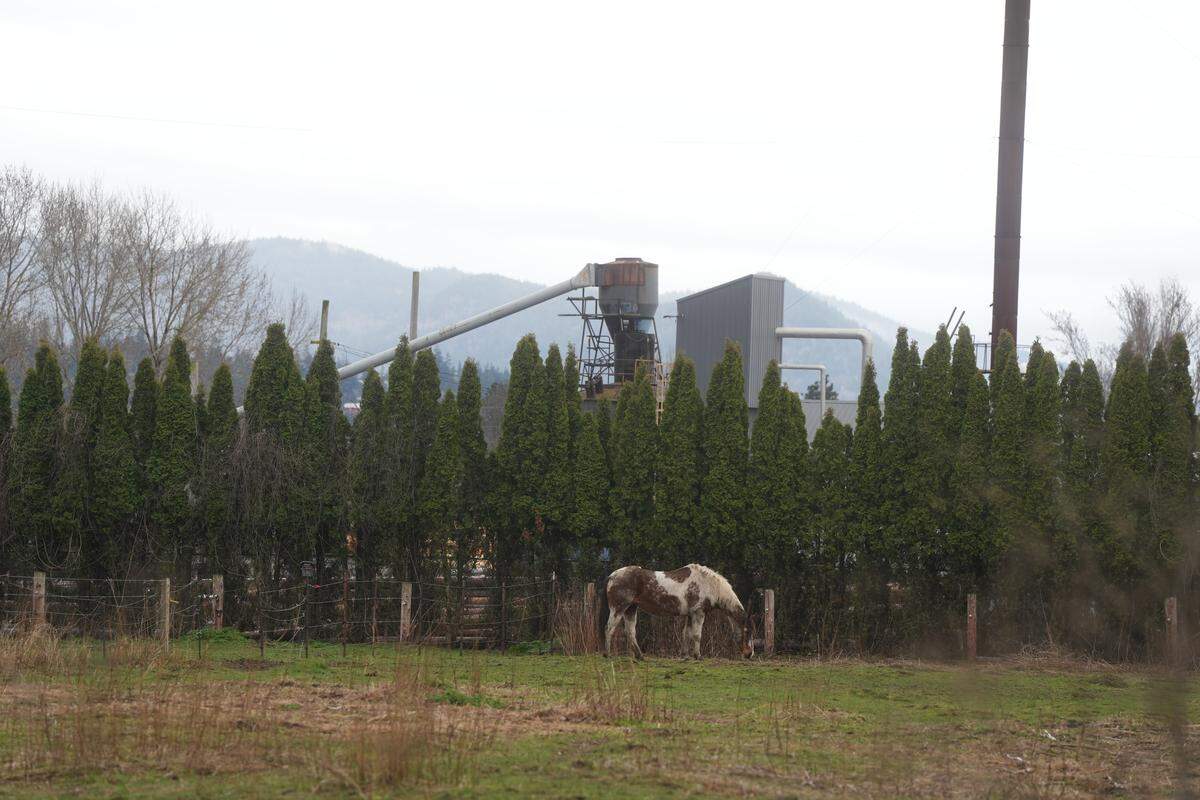
Hogan said port industrial properties support thousands of jobs in the region, and land and building supply is “very limited” to meet demand from expanding tenants or employers wanting to relocate locally. The port’s industrial lands study completed last fall identified significant barriers to developing Whatcom County’s industrial land supply, including inadequate utility infrastructure, constrained parcel sizes and limited transportation access.
“Downzoning the existing supply of high-impact industrial land — without a clear replacement strategy — would constrain current employers, discourage future investment, and reduce opportunities for people to work closer to where they live,” Hogan said.
Hogan said the port recognizes the community interest related to heavy industrial zoning locations as Whatcom County’s population expands. But, he said, Whatcom County’s permitting process is “specifically designed” to evaluate site-specific impacts and ensure projects are appropriate for their locations.
“That process — rather than broad downzoning — is the right tool to address compatibility concerns while protecting family-wage jobs and long-term economic opportunity,” Hogan told The Herald.
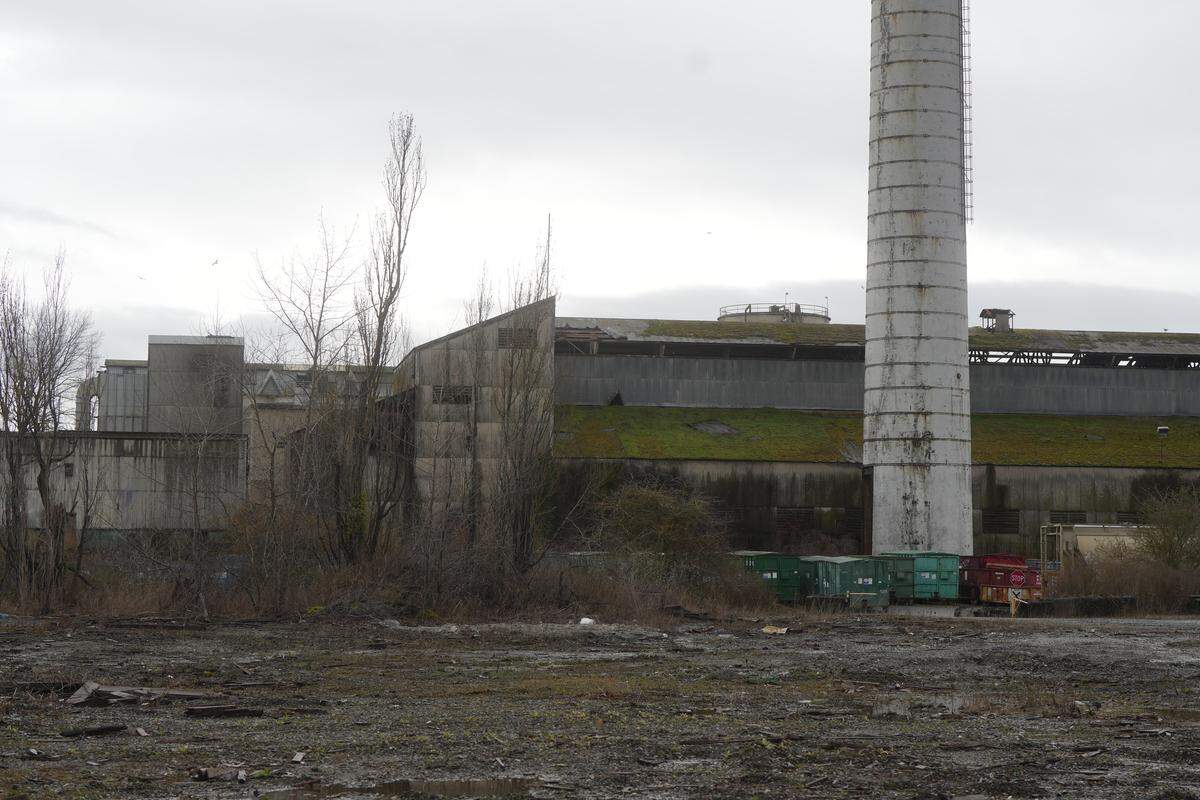
Scott Jones of Save The Waterfront, a local group that formed in opposition to ABC Recycling’s operations and has strongly opposed heavy industrial operations in Bellingham, is in support of proposed Policy 2U-9 and would like to see the ABC Recycling-owned parcel rezoned.
“Following the ABC Recycling fiasco, Save The Waterfront is urging Whatcom County to balance current industrial needs with the safety and health of Alderwood residents,” Jones told The Herald.
Jones said downzoning would not shut down existing industries and called any pushback from industry leaders “fear-mongering.”
“We should not continue to allow new outdated heavy industrial businesses within our neighborhoods. We must prevent ‘bad actors’ like ABC from endangering residents, and without a zoning change it is possible today for a new dangerous business to exist at the shredder site,” Jones told The Herald.
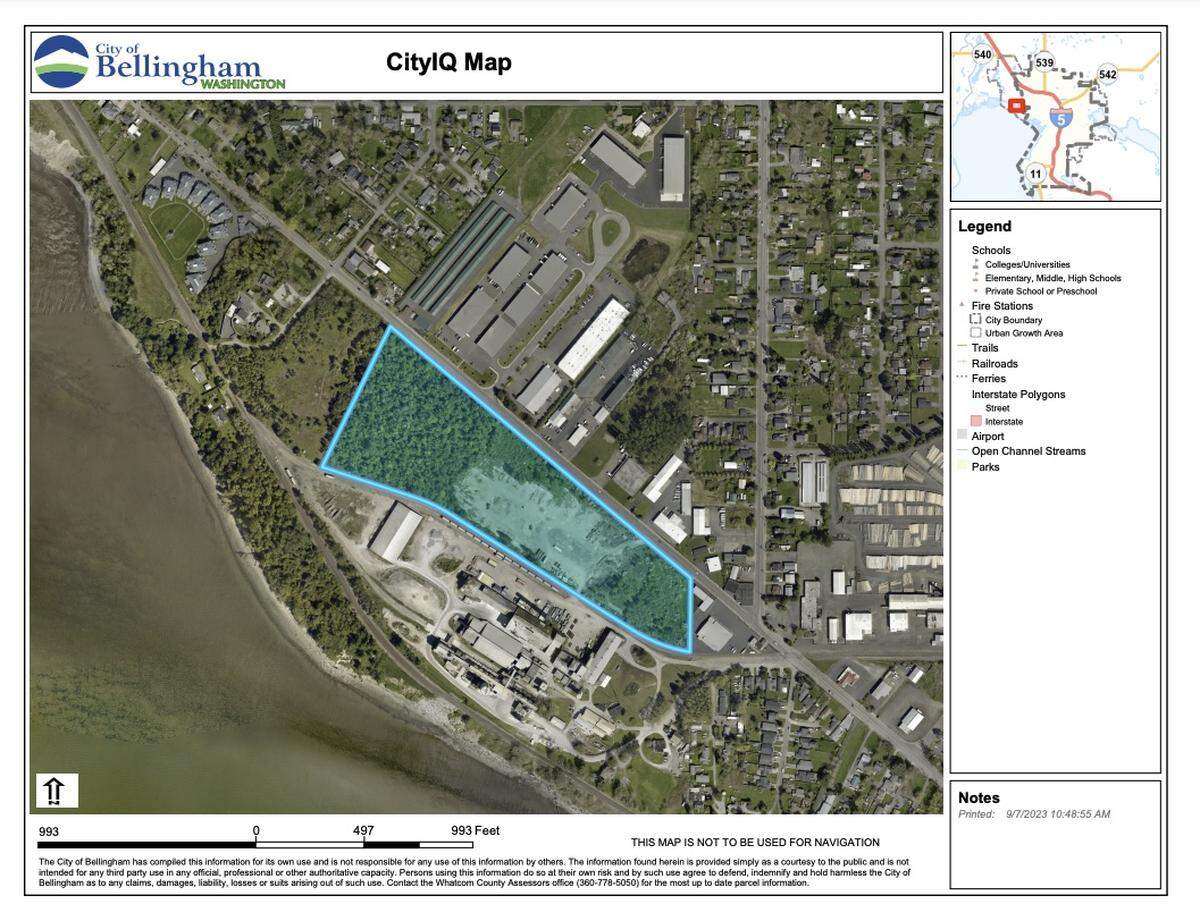
Residents asking for zoning changes said they recognize the value of some of these industry jobs for the local economy and want stakeholders to come to the table with a solution that works for everyone.
“The trick will be to not have those kinds of jobs or businesses right next to residential neighborhoods, which is the problem we have inherited,” said Birchwood resident and retired environmental professional Bill Craven.
The Whatcom County Council is currently in its final review of the Comprehensive Plan with final adoption expected in May.
This story was originally published March 24, 2026 at 5:20 AM.