
Data centers are surging. A WA lab has advice on making them more responsible
With data centers expected to begin using an increasing share of the nation’s electricity, Pacific Northwest National Laboratory in Richland has collaborated on a guide to help data center developers make smart and responsible choices.
“Policymakers, utilities and builders of data centers can find research-backed best practices in this guide for building data centers that keep energy costs low while safely maintaining operations,” said Kieren McCord, a systems engineer at PNNL and the lead author of the guide.
At least four new data centers have been proposed or are being considered in the greater Tri-Cities area in Washington.
The new guide includes information on how to choose sites based on power availability, electricity generation options, local weather and the potential for natural hazards.
It also has information on how to keep data centers cool while lowering energy costs and how to integrate data centers into the electric grid.
PNNL collaborated with the National Electrical Manufacturers and ASHRAE — a global professional society for heating, refrigerating and air-conditioning — to write the guide.
It’s intended to help developers, engineers, utilities and policymakers understand the complexities and best practices of building a data center.
“All customers benefit from these collaborative efforts to ensure that new AI data center customers are good grid citizens,” said Steve Rosenstock, senior manager of customer technology solutions for the Edison Electric Institute.
“The broad participation in this project shows how committed we all are to customer efficiency, reliability and affordability,” he said.
In 2023, data centers in the United States consumed about 4.4% of the nation’s electricity, but that is projected to rise to 12% by 2028, according to PNNL.
Data centers have been used for decades to store data electronically.
But now large tech companies have been building “hyperscaler” data centers that store thousands of individual servers in building up to 1 million square feet.
Part of the increased demand for the centers comes from training artificial intelligence models for industries ranging from tech to manufacturing to research.
The primary drivers of feasibility and schedule risk are the availability of power and grid capacity, according to the guide.
Water availability also may be an issue when picking a cooling strategy for the heat generated by data centers.
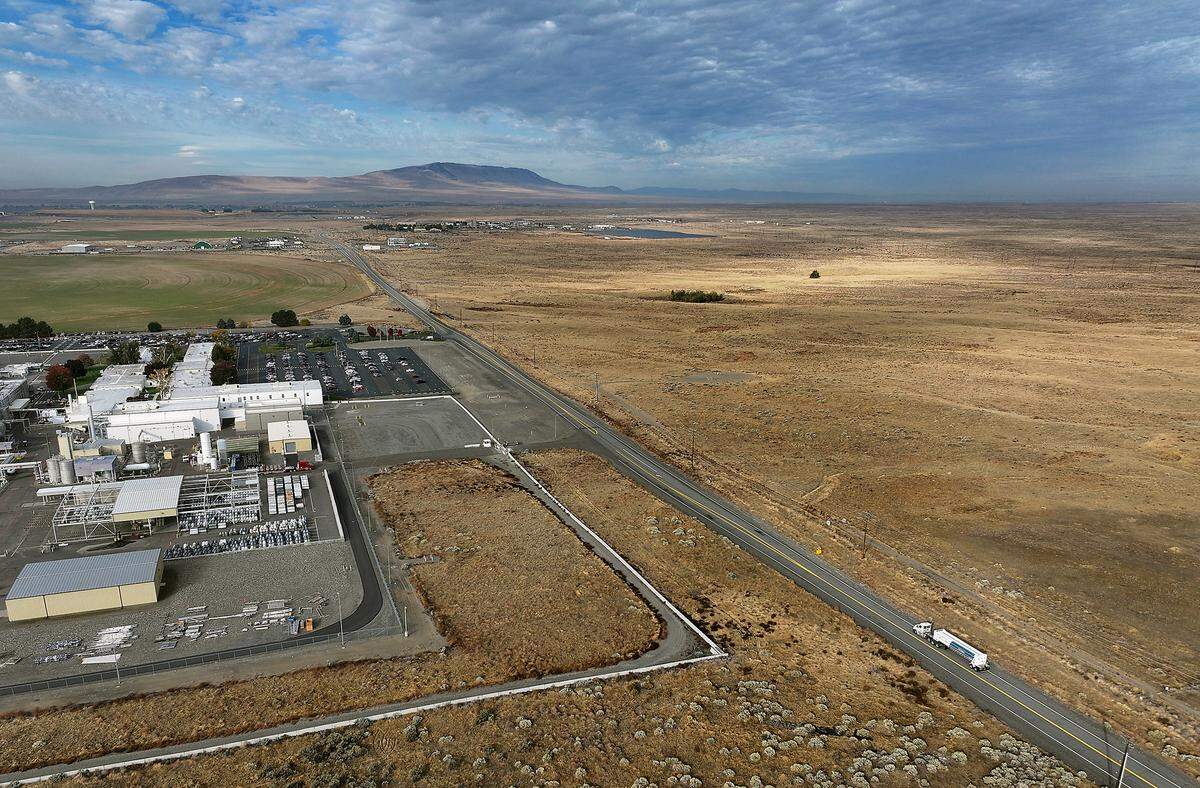
The proposed Tri-Cities data centers include a relatively small PNNL data center with advanced artificial intelligence computing infrastructure to be used for scientific and national government missions.
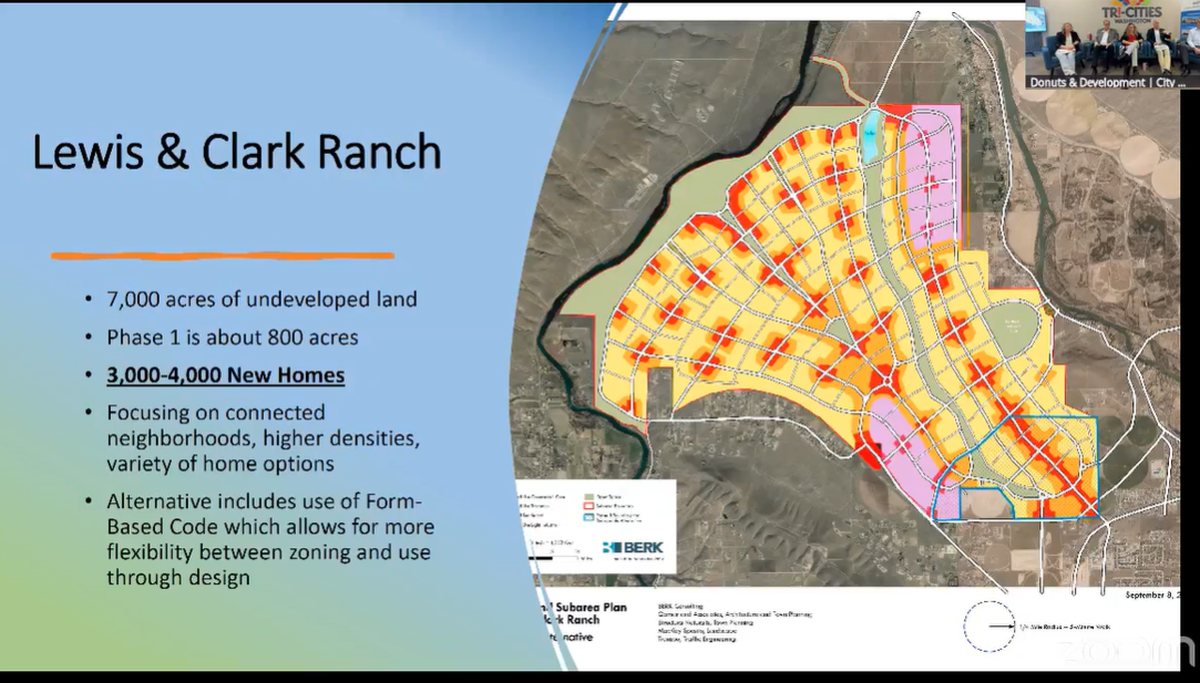
Other proposals are for a cluster of Amazon Web Services data centers at the Wallula Gap Business Park 18 miles south of Pasco; an Atlas Agro data center next to its proposed low-carbon fertilizer plant in north Richland; and a possible data center in the Lewis & Clark Ranch development area in West Richland.
Data centers spend about 20% to 40% of their energy just on cooling as thousands of servers create heat, according to PNNL.
Strategies can include pre-cooling the data center in anticipation of a rise in electricity demand or letting the data center get slightly warmer. Some companies also are working on improving the ways that individual servers can cool down.
Developers also can consider low- or no-water cooling technologies if water use is an issue.
The new guide also pushes a grid-interactive design. Options include using on-site battery systems that can charge when demand for electricity is low and then store energy until demand on the grid is high.
The guide is posted at ashrae.org/technical-resources/ai-data-center-framework.
This story was originally published June 10, 2026 at 4:00 AM with the headline "Data centers are surging. A WA lab has advice on making them more responsible."