Whatcom County voters will select two Superior Court judges. Here’s what to know
Whatcom County voters will elect two judges to the Whatcom County Superior Court bench this election season.
Superior Court judges handle criminal and civil cases and appeals cases that come from the lower courts. It is the highest county court, before reaching a state appeals court.
James Erb and Evan Jones are running for Position 2, which is opening due to Judge Deborra Garrett’s retirement. Judge David Freeman is running to retain his position as judge in Position 4 against Jim Nelson.
Whatcom County has four Superior Court judges. Judges Rob Olson and Lee Grochmal ran unopposed, so they did not appear on the primary or general election ballots and retain their positions. Olson was appointed by Inslee in August 2018 to position 1 to replace the late Judge Ira J. Uhrig who died in May 2018. Grochmal was appointed by Inslee in February 2019 after Judge Charles R. Snyder retired from position 3 at the end of February 2019.
Judicial positions are non-partisan.
Judging the candidates
Snyder said judges have to be people who are independent, either know or have had exposure to all areas of law, are capable of making difficult decisions, have the proper kind of temperament, be unprejudiced and respectful, and will do the work to be prepared for the cases they’re hearing.
Snyder, who was on the bench for more than 29 years, said incumbent judges often run unopposed due to the expense and effort involved in running a judicial campaign. Some attorneys also may not feel comfortable challenging an incumbent, especially if they lose, he said.
Snyder said voters may have a hard time distinguishing between the judicial candidates because, unlike in other races, there are limits to what a judge can say. He said the voters are often left to evaluate the candidates based on their broad philosophies and legal backgrounds. Snyder also said that for many people, they likely won’t appear in a courtroom, perhaps except for a minor traffic ticket or divorce, and most people won’t be involved in lawsuits or litigation, so it’s difficult to evaluate candidates when they haven’t had that experience themselves.
Snyder said it’s essential judges remain neutral and non-political, and only base their decisions on the facts and law involved in the cases before them.
“You can’t have confidence in a judge if they say how they will rule on something during the campaign, because then you might feel like you won’t get a fair shake when you show up in front of them,” he said.
Snyder said voters should examine who supports the candidates, what experience the candidates have in what areas of law and for how long, and what the people who know them are saying about them.
Snyder said he doesn’t believe endorsements impact a judicial candidate’s decision-making if elected to the bench, because that candidate should be ready to remove themselves from hearing cases involving people who endorsed them.
Snyder said voters should try hard to keep politics out of judicial races.
“It’s about a person’s capability, character, knowledge and experience,” Snyder said. “I think the community should take away the satisfaction in knowing they have a role to play in picking people who make those kinds of decisions. It’s a very important decision for individuals, or often the community as a whole, so do the homework and look carefully at the information you can about the candidates and make the best choice.”
The Bellingham Herald interviewed all four candidates about why they’re running for judge. Here’s what they had to say.
.jpg "James Erb handout 2020 (candid).jpg")
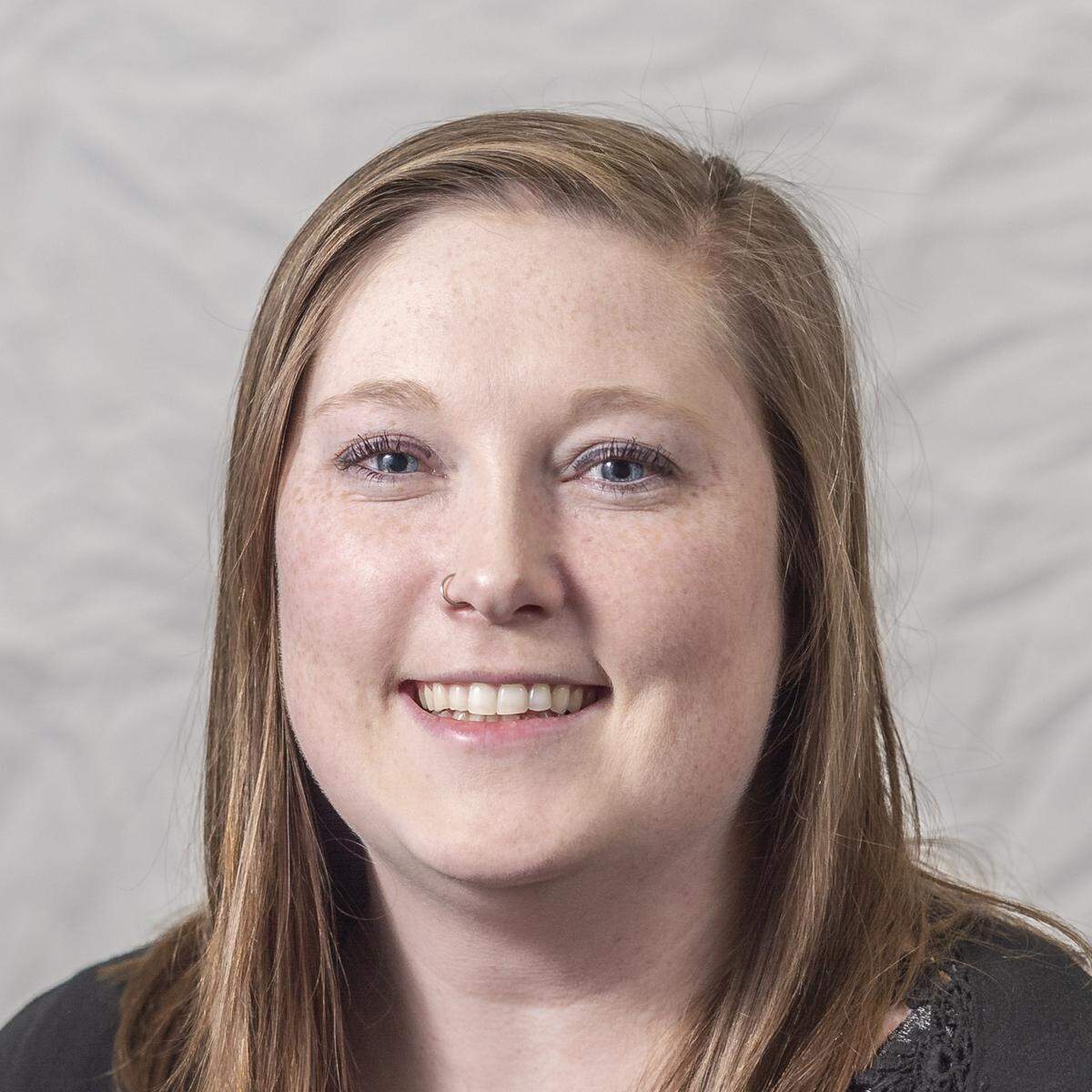
Position 2: James Erb
Erb said he has wanted to be a judge for many years and he believes his experience, independence and integrity make him the most qualified candidate for a Superior Court position.
Erb, who has worked as an attorney for more than 15 years, has experience as a specialty and tribal prosecutor, Indian Child Welfare attorney and currently works as a senior assistant attorney for the city of Bellingham. He is licensed to practice law in two states and in state and federal court.
Erb said the depth and breadth of his experience from working in multiple court systems sets him apart from his opponent and allows him to bring a wide perspective to the bench. He said he hasn’t been practicing law in the county courthouse for the last decade, unlike his opponent, so he won’t be faced with having to remove himself from hearing cases or be the decider among cases brought by people he has worked with and against for the last 10 years.
Erb said the voters should consider whether they feel comfortable with the county prosecutor, sheriff and local law enforcement community picking the next judge — a reference to his opponent’s endorsements — or whether the voters want someone “well qualified and who is independent from those actors.” Erb said he believes this independence is important.
“I think it’s looking at people’s experience, looking at are they qualified, objectively speaking. We want judges to be impartial, we want them to be independent, we want you to act with integrity, and does your candidate do that? And I believe that I do,” Erb said.
Erb said he’s “truly passionate” about making the system fair and just for everyone, and has tried to make that clear to people in the community. Erb said he doesn’t have all the answers, but sees the problems with the criminal justice system, and wants to work to fix them.
In the courtroom, Erb said judges can work to ensure juries reflect the diversity of the community and watch for unfair patterns during the jury selection process. It’s also critically important that judges keep a detailed record, Erb said, so that if a case goes up to a higher court, attorneys can’t “fill in the gaps” from an incomplete record with arguments that might not be true and thus perpetuate systemic issues.
He also said recent national events “underscores the importance of judges that will be fair, that will be unbiased and that will be impartial.”
Erb said he has wanted to be a judge since early on in his legal career. He said he considered not running for Whatcom County Prosecutor in 2018 because of how it might affect his chances to be elected judge.
Erb’s endorsements include Supreme Court Justices, an appeals court judge, several state legislators, a current Whatcom County Superior Court Judge, the Lummi Nation, the Northwest Washington Central Labor Council and the Whatcom and 42nd LD Democrats.
“My endorsements, one of the things I”m most proud of is that they reflect the diversity of the community that we live in, and I think that’s really important for a judge to have that kind of diverse support,” Erb said.
Erb is rated as well-qualified by the Latina/o Bar Association of Washington, Joint Asian Judicial Evaluations Committee, LGBTQ+ Bar Association of Washington (QLaw), the Washington State Veterans Bar Association and is rated as qualified by the Loren Miller Bar Association, Washington Women Lawyers and the Whatcom County Bar Association.
As of Oct. 21, Erb has raised $43,690 and spent $38,505, according to the Washington State Public Disclosure Commission. A list of Erb’s endorsements can be found on his campaign page.
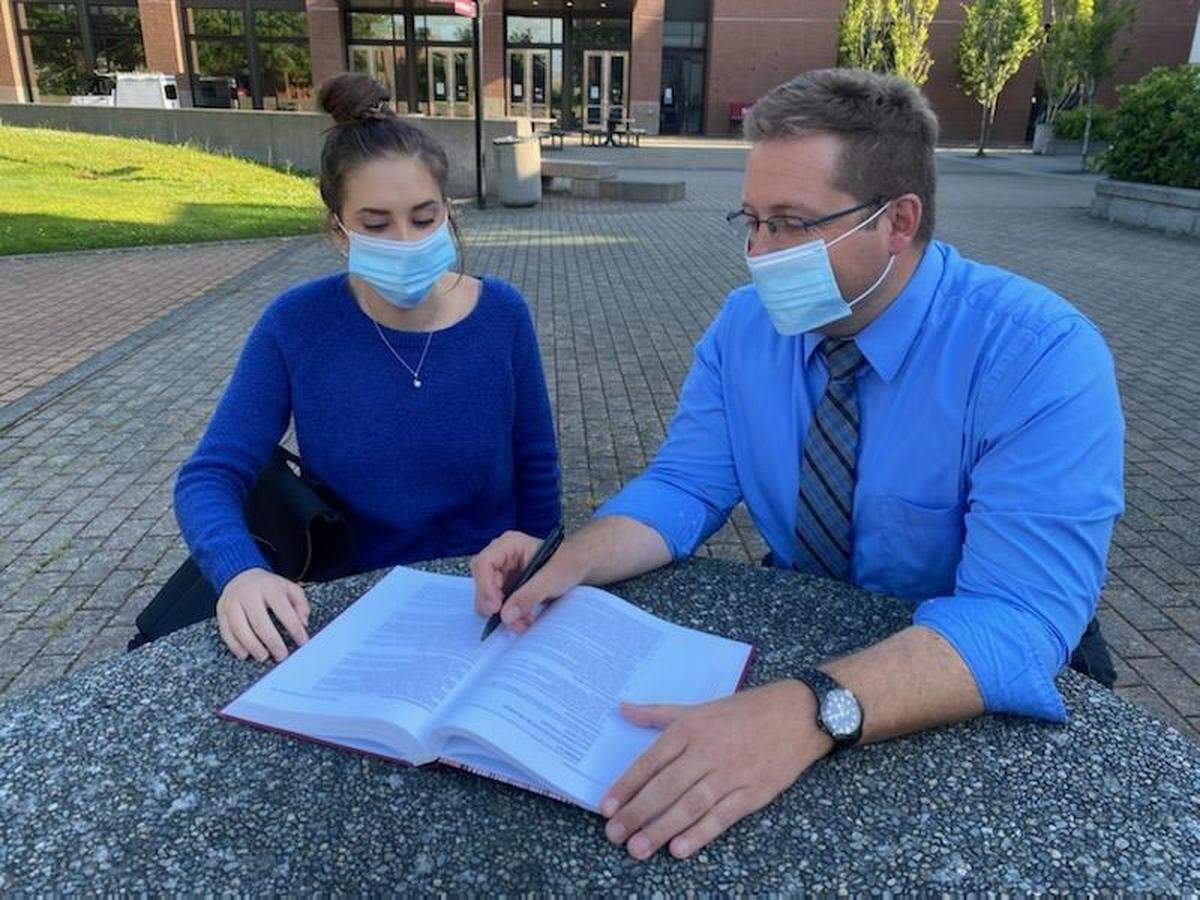
Position 2: Evan Jones
Jones has his foundations in Bellingham and the Whatcom County area, and it’s that strong connection to the community, as well as his belief that he can be fair, that he says made him decide to run for a Superior Court judicial position.
Jones has spent his nearly 15-year legal career working across the various court systems in Whatcom County. He has experience working in multiple city prosecutor’s offices, as a private practice attorney handling estate planning, land use and environmental and business law, as a criminal defense attorney and as a pro-tem judge in a municipal court. Jones currently works as a deputy felony prosecuting attorney in the Whatcom County prosecutor’s office.
Jones said his judicial experience and his background in various forms of law distinguishes him from his opponent. Every candidate comes to the race having previous jobs within various offices in the legal system, Jones said, and what a person has done for a job “doesn’t define who you will be as a judge.”
“I am very confident that if elected, I will be an entirely independent thinker about all of the cases in front of me. And I will work hard to make that clear and express that to everybody in the courtroom,” Jones said.
Jones said throughout his career he’s seen the traditional methods of the criminal justice system and he recognizes where that model isn’t working and where reforms and improvements can be made. He said some of those improvements are things like alternative sentencing and pre-trial release programs. Jones said judges have to open and willing to talk about reforms that make the system better for everyone.
“I can be an ally to the bigger, broader societal discussions that are going on about the criminal justice system and in communities of color. Because I’m aware that it exists. I know about the concept of two systems and the feelings and real experiences of people of color. … I hear these stories all the time from people of color about the inequities that they’ve faced,” Jones said. “I think that awareness and that willingness to be an agent of change is the most important thing I can do as a judge.”
Jones said during his campaign he sought the endorsement of both the Whatcom Democratic and Republican parties. The Republican party endorsed him, while the Democratic party endorsed his opponent. Jones said he’s been working to reach as many people as he can across the county. He said he wants the community to know that he would listen to each and every person as a judge.
“I think what I’m hoping the community understands is that justice is for all of us, and that we can and should elect judges that are for different people. We don’t have to pick sides,” Jones said. “With justice and with the courts, we can pick judges that we can trust to be fair to everyone.”
Jones’ endorsements include Whatcom County Prosecutor Eric Richey, Whatcom County Sheriff Bill Elfo, former county prosecutor Dave McEachran, multiple current and former judges, numerous public and private attorneys, and the police guilds for Bellingham, Lynden and Blaine.
Jones is rated as well-qualified by the Latina/o Bar Association of Washington and the Washington State Veterans Bar Association and is rated qualified by the LGBTQ+ Association of Washington (QLaw), the Joint Asian Judicial Evaluations Committee and the Whatcom County Bar Association.
As of Oct. 21, Jones has raised $27,187 and spent $20,117, according to the state public disclosure commission. A list of Jones’ endorsements can be found on his campaign page.
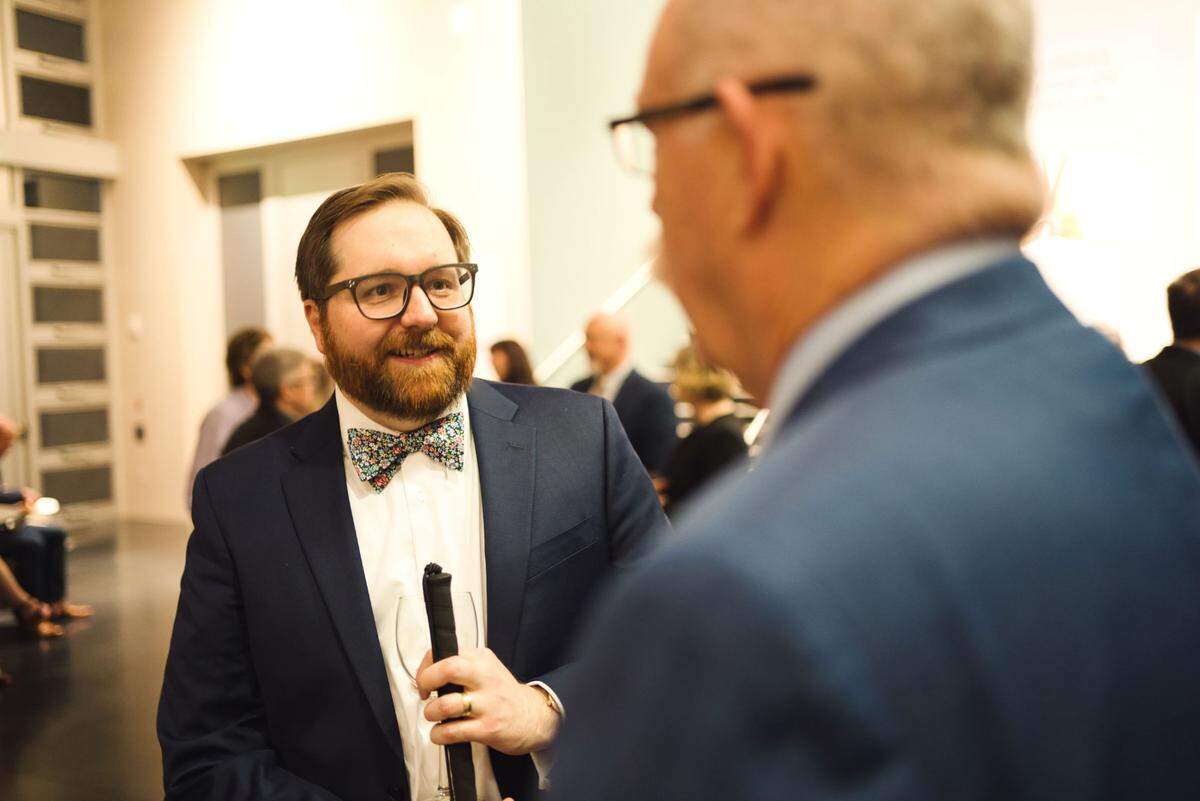
Position 4: David Freeman
Freeman is running to retain his seat as a Whatcom County Superior Court Judge. He said he believes his track record of working as a decision-maker in the legal community for the last decade is what sets him apart from his opponent.
Freeman, who has been working in law for around 15 years, has experience representing children’s interests in dependency matters, as a county prosecuting attorney, as a review judge for Washington state, as a pro-tem judge for all city municipal courts in the county and as a Whatcom County Superior Court commissioner. Freeman was appointed as a Whatcom County Superior Court Judge in January of this year by Gov. Jay Inslee.
“I’ve been a public servant my entire career, and obviously I want what’s best for our community,” Freeman said. “It’s something that I’ve really, truly thought a lot about and wanted to make sure that I was the appropriate fit for this job and to serve my community in this way.”
Freeman said his interest in law happened early on. His father worked as an administrative review judge for several decades before he became severely disabled when Freeman was around 8 years old, Freeman said. His mother, who has the same degenerative eye condition that Freeman does, went back to work to provide for the family. It was her strength and resilience that inspired Freeman, he said.
When Freeman was around 14 or 15 years old, he was diagnosed with an eye condition that makes him legally blind, he said. A blind federal Social Security judge took the time to meet with Freeman, which had a lasting impact. Freeman said after Inslee’s appointment, that judge was one of the first he emailed to thank.
“He told me that I shouldn’t limit myself, as far as my career path and what I wanted to do, and whatever it was that I should follow it,” Freeman said.
Freeman said he doesn’t need his eyesight to evaluate things such as credibility, and that he feels he’s a “very active listener” because he can’t rely on his eyesight. This enables him to pick up more on what people are saying, as opposed to getting distracted by visual cues, he said.
Freeman said he approaches the job with dedication and patience. Because he knows what it feels like to be intimidated by the judicial system, Freeman said he works hard to treat people with respect.
Freeman said judges need to be willing to be a check on power, to not become complacent with the systems that are in place and be willing to do the work to make necessary changes. He said it’s important to make the system less intimidating for those who aren’t actively involved in it.
Freeman said he’s proud of the track record he’s created throughout his legal career, and said the endorsements he’s received reflect that record. Freeman’s endorsements include the Lummi Indian Business Council, 20 current and former Supreme, appeals, Superior, District and municipal court judges, Whatcom County Executive Satpal Sidhu and Bellingham Mayor Seth Fleetwood.
“These aren’t just political endorsements. These are people that have seen my work as an attorney, have seen my work as a judge and they’re vouching for me to the voters. I see it as critical to be providing some sort of objective evidence to go along with my resume,” Freeman said.
Freeman said he also sought and was endorsed by both the Whatcom County Democrats and Republicans, as well as the 42nd LD Democrats. He said these show he’s not biased, is impartial and can be trusted to be on the bench.
Freeman was rated exceptionally well qualified by the Whatcom County Bar Association, the Loren Miller Bar Association, the Cardozo Society of Washington, the Latina/o Bar Association of Washington, the QLaw Association of Washington and was rated well qualified by the Joint Asian Judicial Evaluations Committee.
As of Oct. 21, Freeman has raised $41,898 and spent $33,798, according to the state public disclosure commission. A list of Freeman’s endorsements can be found on his campaign page.
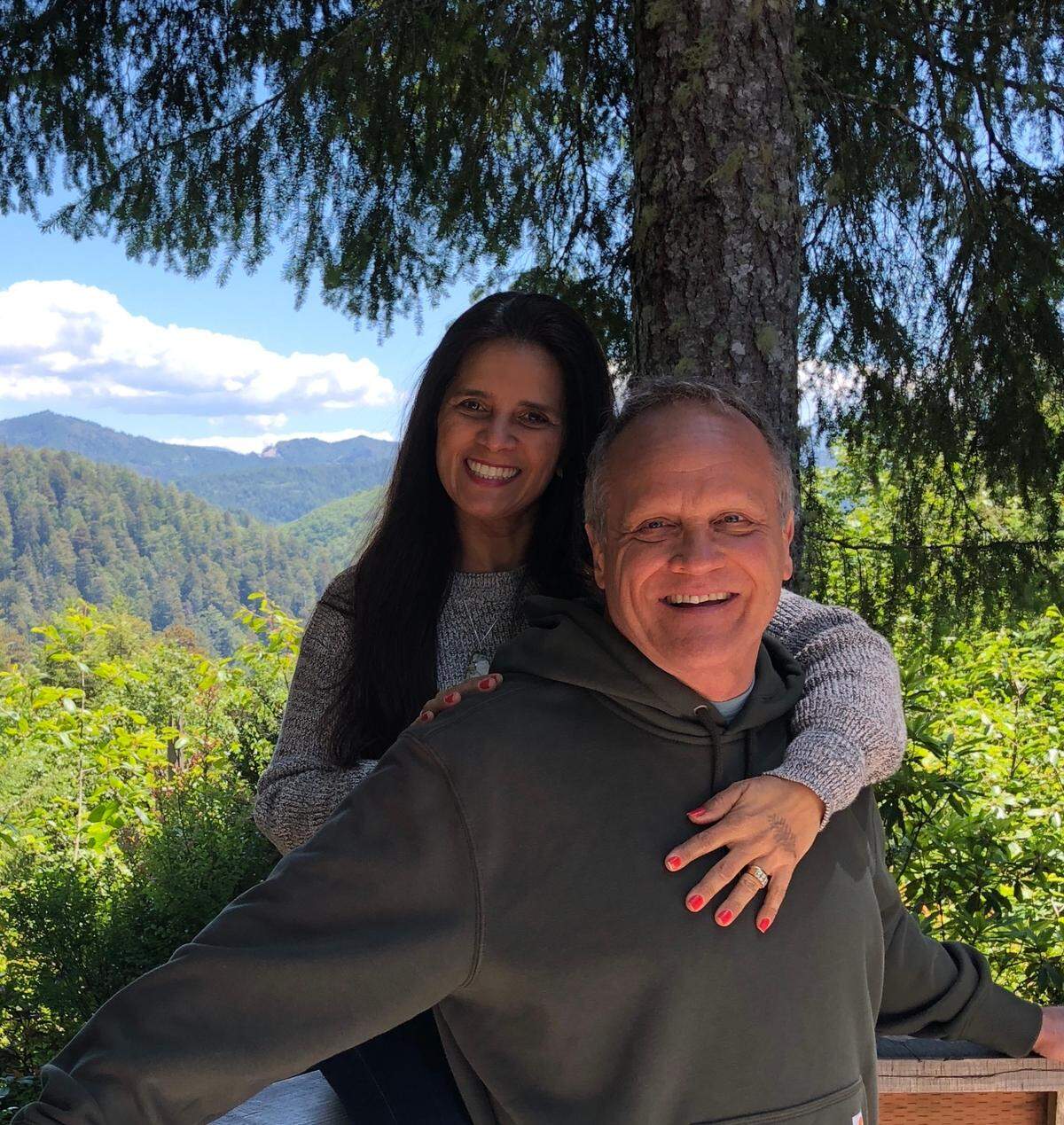
Position 4: Jim Nelson
Nelson said he believes his more than three decades of experience and independence make him the better candidate for a Whatcom County Superior Court judicial position.
Nelson has experience as a county and city prosecutor, in private practice handling criminal defense, personal injury, divorce and landlord/tenant cases, representing parents and children involved with Child Protective Services, and has most recently been working as a public defender in the Skagit County Public Defender’s Office. Nelson has practiced law for 31 years and has worked in five counties.
Nelson said he decided not to seek or accept endorsements or campaign contributions from elected public officials. Nelson said he believes there should be a distinct line between the attorneys, their clients and the judges and there should never be suspicion that the judge is working for one side or the other.
“You need to have that separation between the two and the public needs to know, they need to see it. … You need people to know that ‘I can go to court and receive justice,’ they need to know that. … The only solution is for people to see these endorsements for what they really are,” Nelson said. “I’m kind of an outsider, which I think is kind of a good thing.”
Nelson said his experience working in law is vast and it’s part of what drove him to run. He said it’s imperative that judges have experience representing defendants, something he said his opponent doesn’t have. Having that background allows judges to see the consequences of the decisions they’re making in the courtroom, he said.
“Public defenders don’t really just defend the clients, they’re defending the public at large. Everybody that walks down the street, everybody that drives a car, everybody that comes out in public, I think we defend their right to be left alone by the government,” Nelson said.
When it comes to equal justice, Nelson said there are ways that judges can use their discretionary powers to ensure things like a fair racial makeup that’s representative of the community on juries, or that someone isn’t being dismissed as a juror for an unfair reason.
“Courts are there to settle disputes so that people can get on with their lives, and if they settle them in a fair way, then they can get on with their lives,” Nelson said. “We’re just talking about keeping the process fair for every minority group. If you keep that process fair for people who are minorities, then the process becomes more fair for everyone as well, so it becomes a win-win situation.
Nelson said voters be paying attention to their local judicial races, and should work to get to know each of the candidates and their differences.
“The judge has the power to take away freedoms, the judge has the power to disperse your property, the judge has the power to … grant you a divorce, the judge has the power to hear condemnation hearings, code violations … Judges have a tremendous amount of power,” Nelson said. “The judge’s election is going to affect community members way, way more than the Presidential election simply because the judge is more directly involved in the community and in their lives where they live. So we need to take these elections much more seriously than we have been.”
Nelson did not seek ratings from the various bar associations, he said.
As of Oct. 21, Nelson has raised $14,165 and has spent $14,165, according to the state public disclosure commission. A list of Nelson’s personal endorsements can be found on his campaign page.
More online
The candidates’ answers to these questions are available to subscribers at our Voter’s Guide online:
How will you ensure that your decisions are equitable and fair, particularly in regard to race and ethnicity of defendants?
What criteria would you use to impose or affirm sentences outside of standard ranges or alternative sentences?
What is your primary consideration for setting bail amounts?
Describe an ethical dilemma you recently faced and explain how you solved it.
What can be done to ensure juries represent the community?
What do you consider your implicit and explicit biases and how will you address them?