Action planned for Bellingham encampment as King Mountain neighbors demand fixes
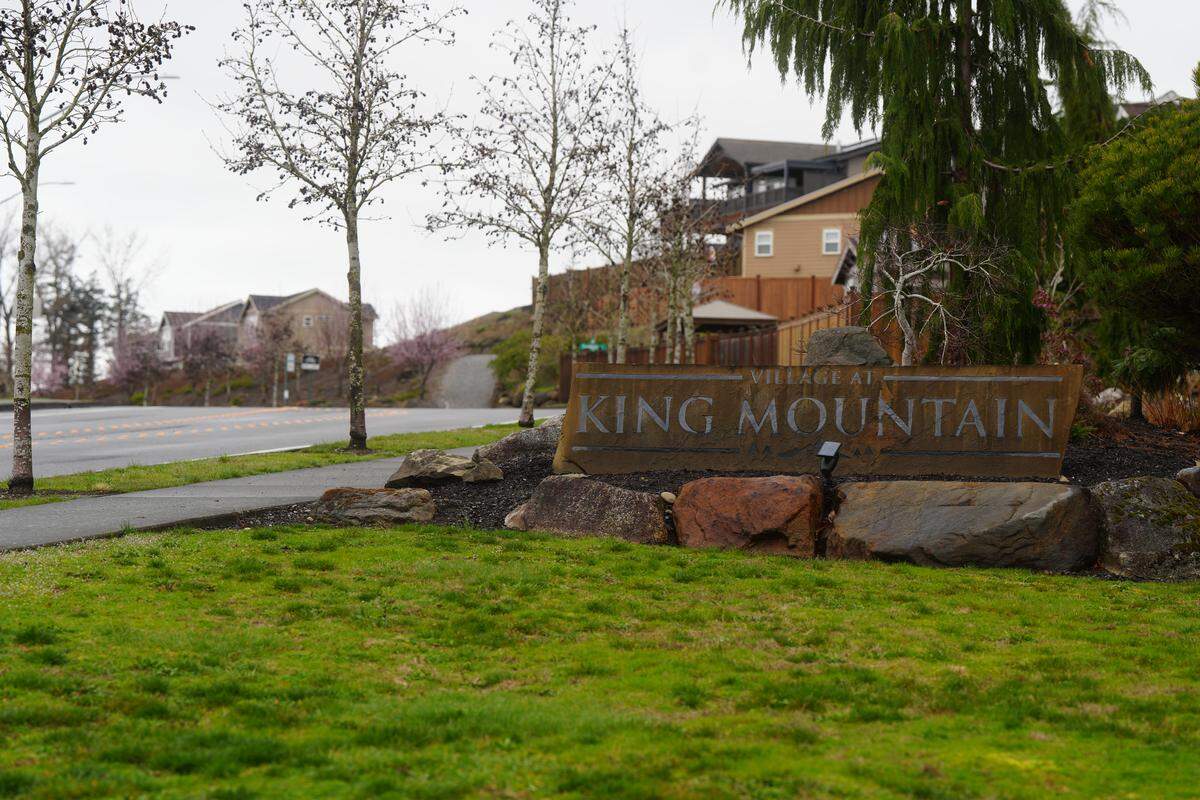
Bellingham city officials say they are on track to “take action” this summer on a growing encampment in the King Mountain neighborhood as nearby residents, property managers and developers continue to push for solutions.
Over the last two months, The Bellingham Herald conducted independent interviews with six neighbors and listened to public testimony from dozens more about how individual lives and businesses have been impacted by encampment activities.
The encampment spans dozens of acres of forested, private properties east of Meridian Street and north of E. Kellogg Road. It’s an extension of what has been known widely as the Walmart encampment off E. Stuart and Deemer Roads, where dozens of unhoused individuals were known to be living for more than a decade.
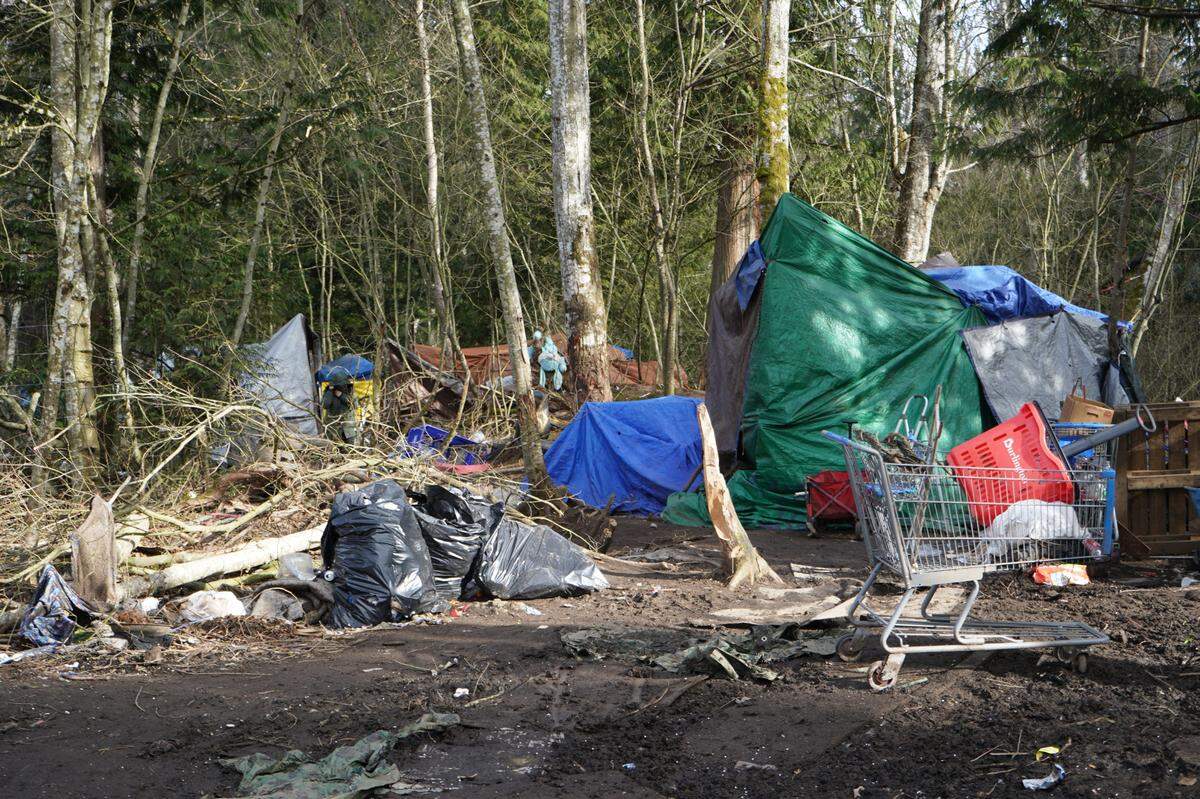
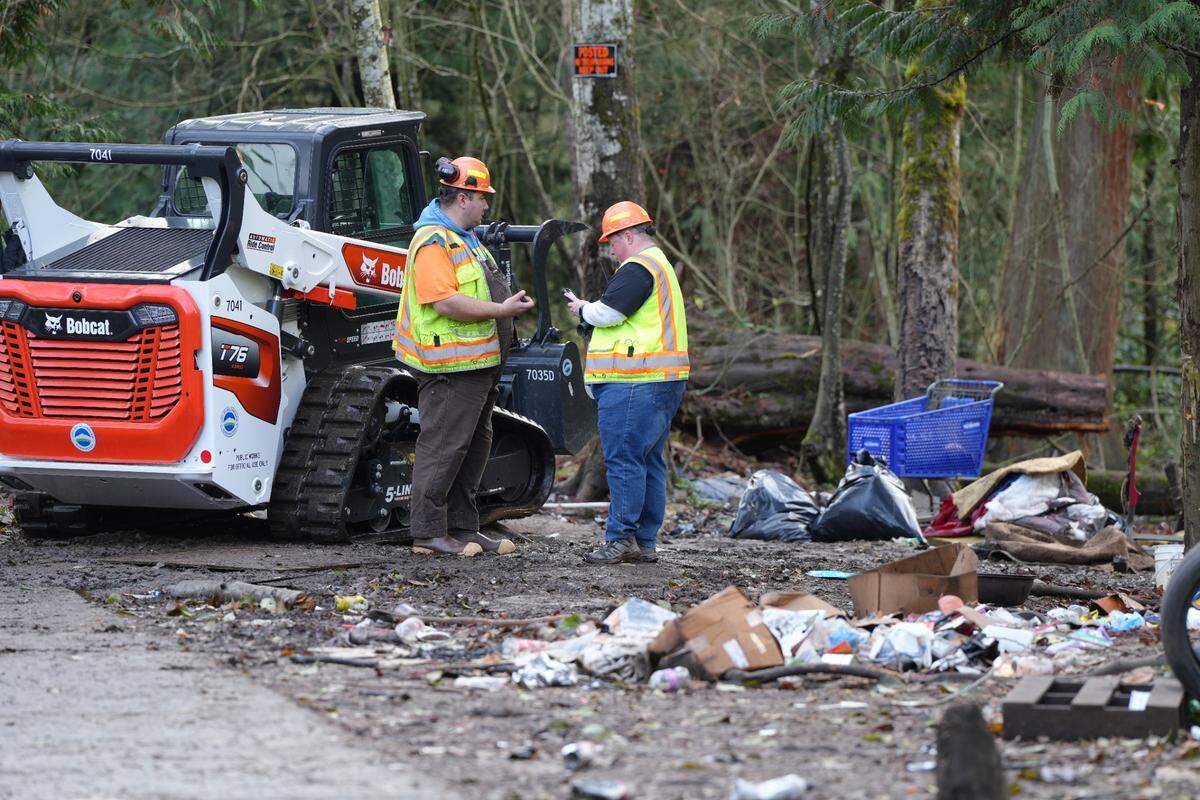
The encampment size and population has increased significantly in recent years, leading the city to take legal action in 2024 against one of the property owners, Li-Ching Fang. A judicial “nuisance” determination authorized city staff to enter the 20-acre property to begin cleaning it in November of that same year after Fang did not address it privately.
Cleanup and mitigation efforts there “could take several more years and many millions of dollars” due to the large volume of waste and environmental degradation on the property, according to the city.
One of the goals of clearing the Fang property was to protect nearby businesses and residents who had been expressing concerns for their health and safety due to ongoing theft, property crime, violence and environmental hazards. But due to the size of the surrounding wooded area, much of the encampment activities are still close by, causing impacts to continue for other residents and business owners.
Financial burden on private property owners
The on-site property manager of a nearby apartment complex — whose name we are omitting due to concerns over possible impacts to business — told The Herald she has seen consistent encampment impacts over the last 24 years she has worked there.
She said it wasn’t until more recently that things got out of hand.
“About seven years ago, it turned into chaos,” the property manager told The Herald during a walk around the complex in March.
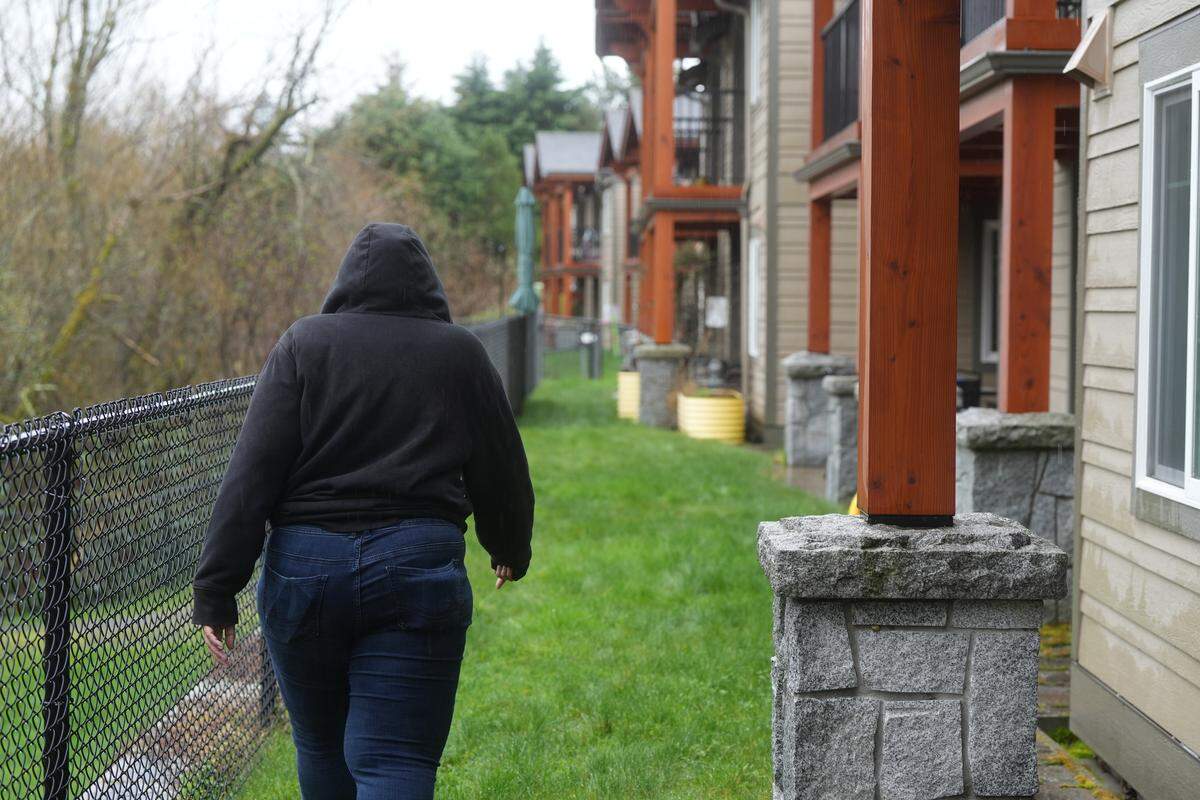
As the encampment has grown, the manager said she has had to deal with frequent drug activity, dangerous drug paraphernalia, theft, trash and human waste on her property. She’s been personally threatened and chased with a knife. The property manager said she and her residents have had to suffer the impacts of toxic smoke from fires burning in the woods nearby.
With more than 100 residential units and dozens of children living on the property, the manager told The Herald she does everything she can to protect the residents.
She and her staff walk the property daily to clean up waste left behind and move people off the property. She estimates they’ve spent more than $100,000 on security, fencing, alarms and lighting.
“Financially, it’s cost us a lot,” the property manager told The Herald.
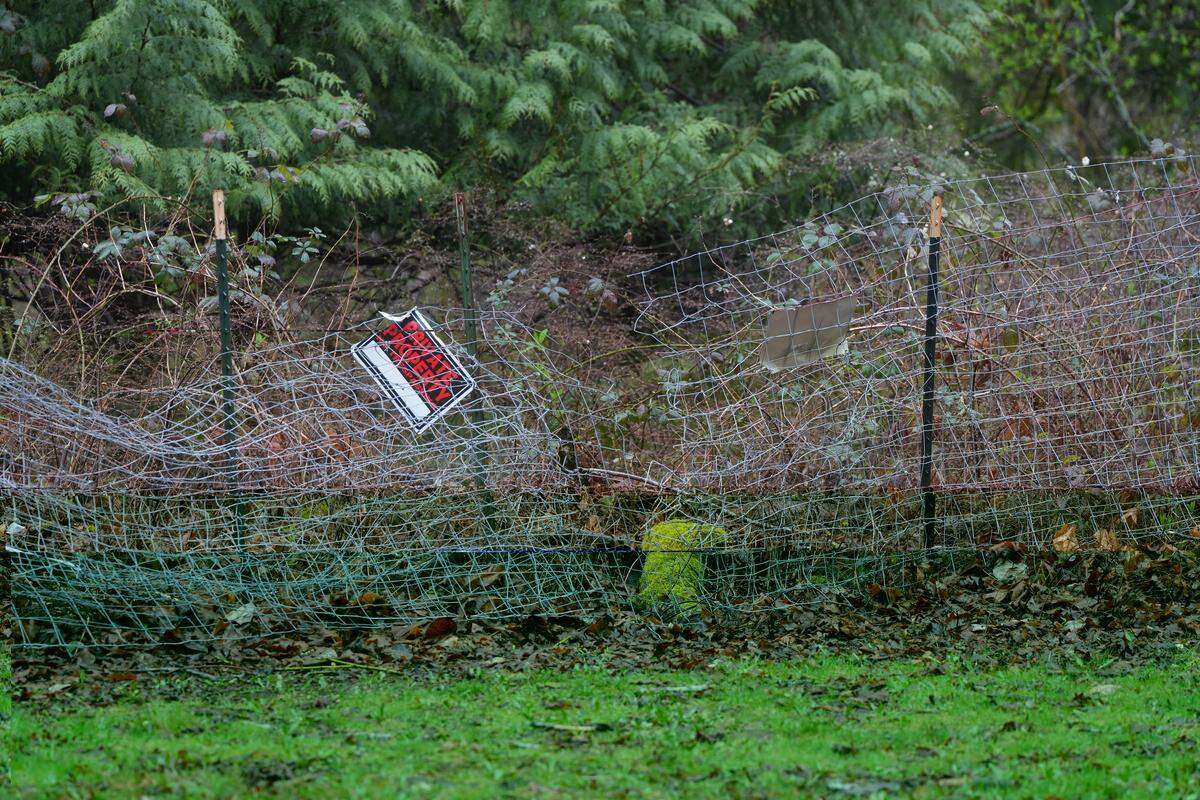
The property manager said it feels unfair to foot the bill for the impacts of the encampment.
“We’re trying to make sure we’re doing the right thing. But we need help,” she said. “If we can’t all get on the same page, this is never going to get better. This should not be my problem alone.”
Impact on housing development and occupancy
Nearby on Tull Road, Bellingham developer and real estate broker Scott Rorvig has been having a challenging time filling his newly built townhome rental units due to the encampment activity.
“Every day while we were building this, we would show up and we’d been broken into,” Rorvig told The Herald in a March interview. “They would smash windows and bulldozers, steal anything they could.”
As someone who was born and raised in Bellingham, Rorvig said he felt surprised by the challenges they were facing.
After countless insurance claims and calls to the police, Rorvig said they weren’t getting much help. They had to hire private security, add fencing and protect assets with specialized containers. He estimates they had about $25,000 of materials stolen during construction.
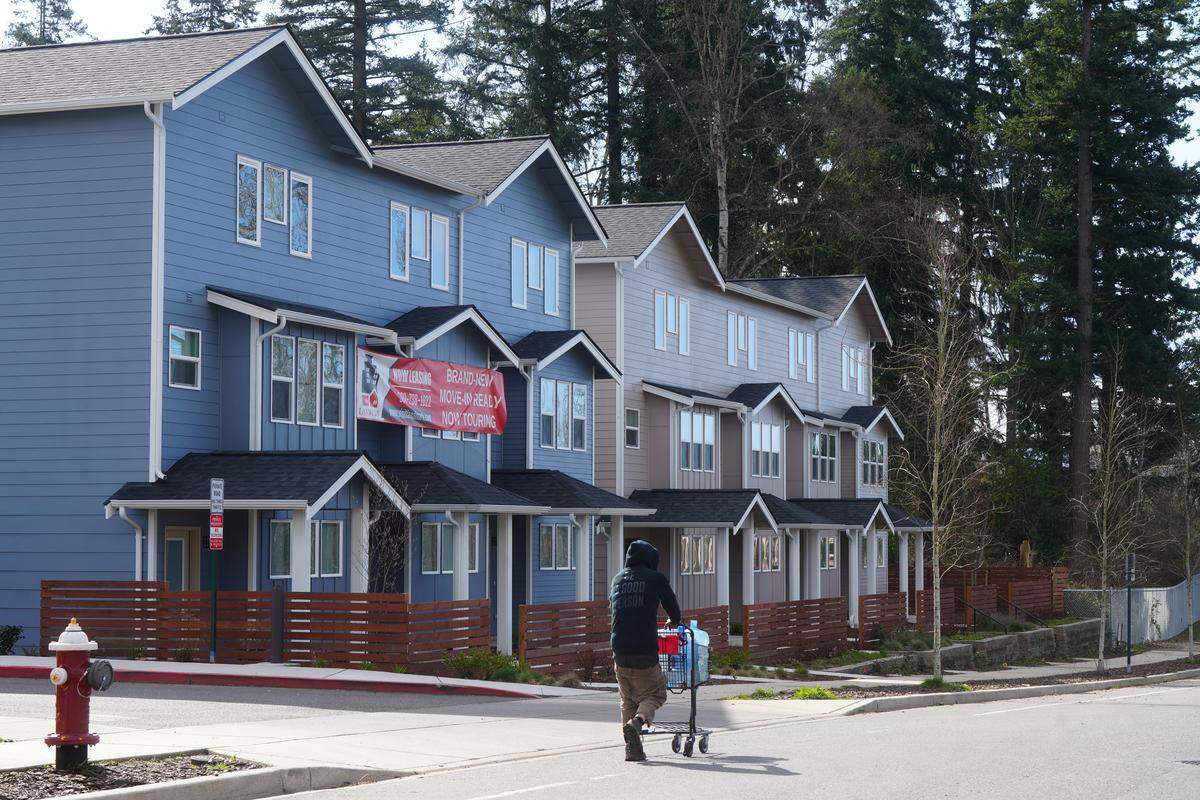
“It was just a battle for four to six months,” Rorvig said. “Unfortunately, you have to learn to deal with it.”
The townhome complexes were built in two phases, with the second phase completed last fall. The 32-unit complex that was built first is fully occupied, while only about 60% of the units in the later-built, 34-unit complex are occupied.
Rorvig told The Herald that many people have come by to look at the available units, but the encampment activity has been a deterrent. He said the townhomes are spacious and priced competitively. They’re even offering incentives to prospective tenants such as one month of free rent and a free television.
“But when people come and look, if there’s a huge homeless population around here, it isn’t maybe at the top of their list to rent at that complex,” Rorvig said.
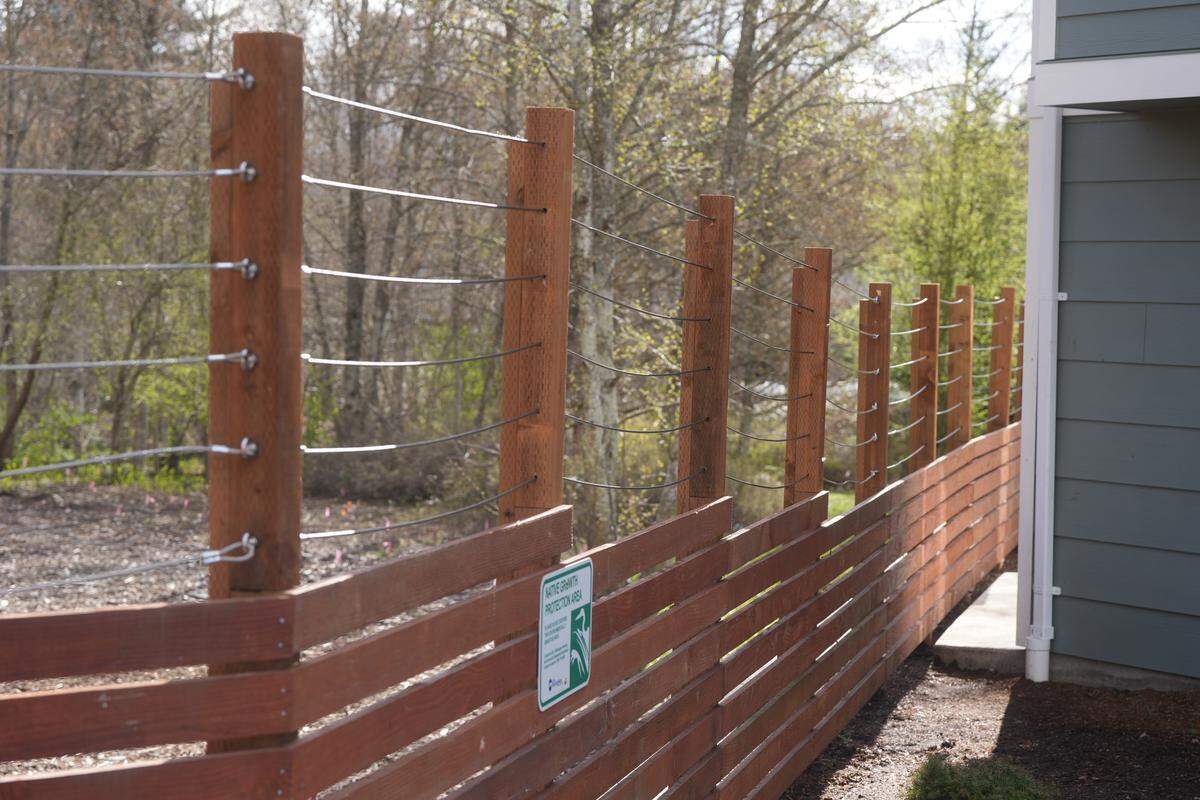
Rorvig said he and his partners are moving ahead with building more housing across the street, but he worries about the long-term development outlook without any plans in place to tackle the homelessness crisis.
He said he feels compassion for the folks living in the encampment, and wants solutions that help them while also supporting hard-working business owners and nearby residents.
“If you want more investment in this neighborhood — and we need housing in Bellingham — this is a way to drive it out. It’s already hard to deal with buying property, going through the process to develop it, the time you have to wait to do it. ... It’s not easy, and it’s getting nothing but harder. People are going to throw their hands up and go somewhere where it’s easier. This place is just going to get more and more expensive to live,” Rorvig said.
Residents fear for their personal safety
Meanwhile, King Mountain resident and homeowner Julie Jansen told The Herald her neighborhood has changed drastically in recent years.
She grew up on the street she lives on today and said her neighborhood has become dangerous from the nearby encampment activity.
“This is not the Whatcom County and Bellingham that I was raised in. We have to endure smoke, smells of garbage, smells of burning feces. This is not OK. This is not how anyone should have to live, including the residents inside the encampment. There are vulnerable people in there being taken advantage of daily,” Jansen told Bellingham City Council members at a meeting in April.
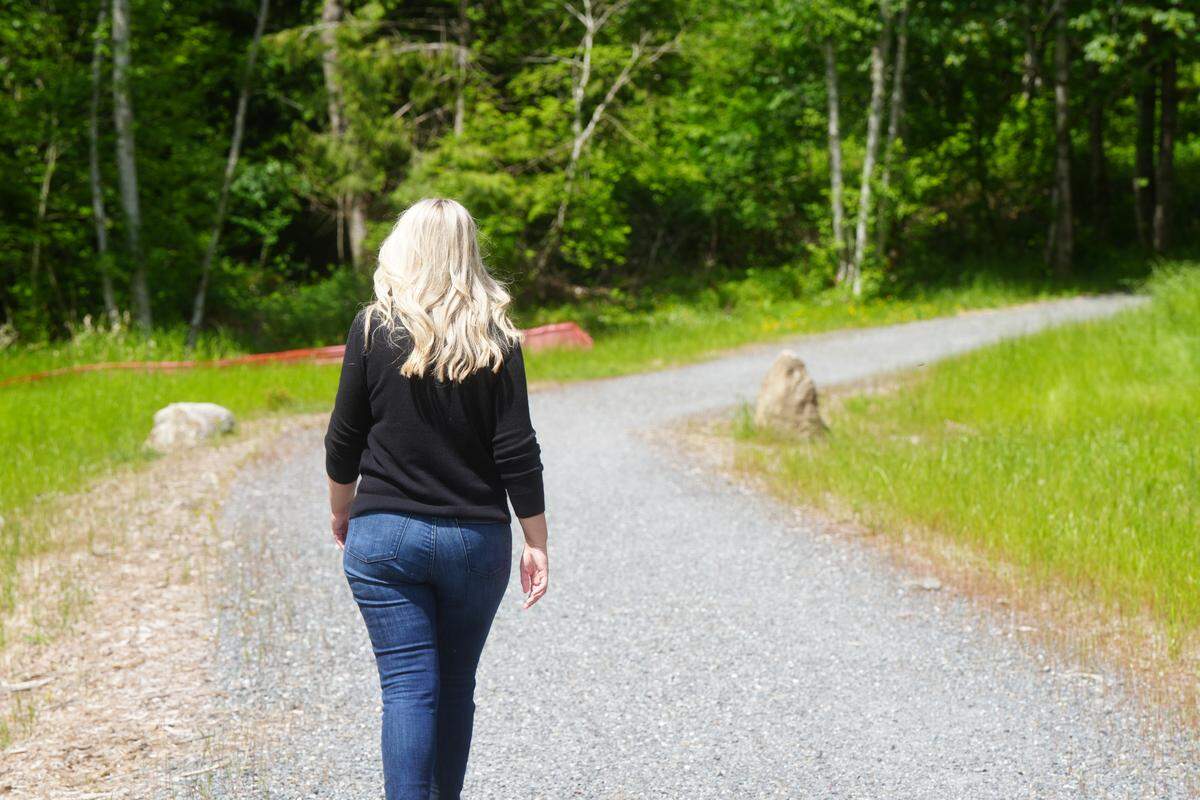
In the last eight months, Jansen said both she and her husband have been granted protective orders against two individuals connected to the encampment. She said one stole property from her home and threatened her life with weapons, and the other drove recklessly in her neighborhood and then physically assaulted her husband.
“I should be able to go for a walk with my husband, hold hands, enjoy my community. That is being taken from us in the King Mountain neighborhood. We have a level of criminality that is happening up there because of the large encampment,” Jansen told council members.
She and her neighbors have recently seen an increase in property theft, open drug activity outside of their homes and break-ins, she said. She and her husband told The Herald they won’t let their young son ride his bike in the neighborhood because they fear for his safety.
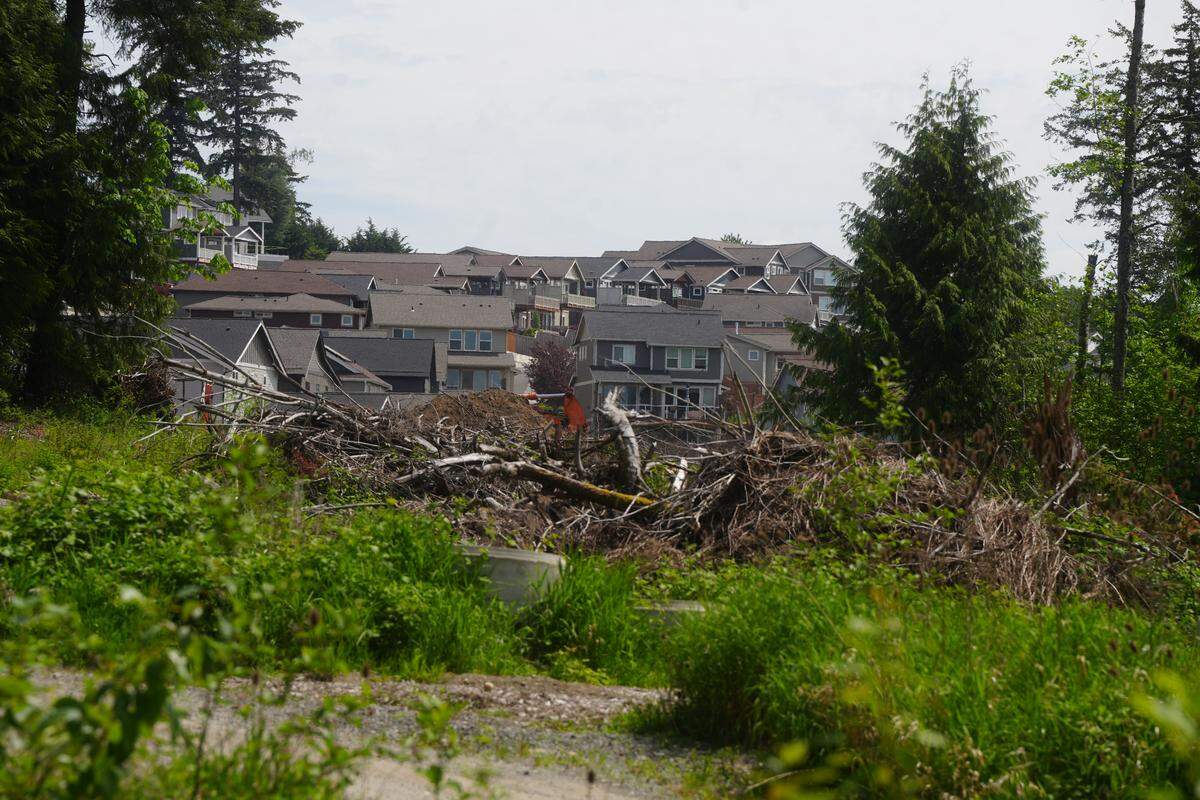
“People in this community are tired of being told to normalize what would have been unacceptable a few years ago — repeat theft, open drug use, encampments tied to crime, vandalism, warrants going unenforced because there is nowhere to hold these offenders accountable,” Jansen told Whatcom County Council members at a May meeting.
Although she said she is grateful for the quick response and actions by law enforcement to make arrests, she fears significant criminal activity inside the encampment is too often unchecked due to its location on private property.
Jansen said some of her neighbors have already decided to list their homes for sale to get away from the criminal activity. Jansen said without significant change soon, she isn’t sure she and her family can continue to live in Bellingham.
Coordinated response by local officials
City of Bellingham Communications and Community Relations Director Melissa Morin told The Herald the city has “been working hard behind the scenes on long-term solutions for this encampment,” but said none of those updates are ready to be shared publicly.
Several city staff, including police officers, recently walked through the encampment to observe current conditions, and the city is on track to take action on the encampment this summer, according to Morin.
BPD continues to respond to calls about criminal activity associated with the encampment, she said.
“We know it’s difficult not to see visible resolution to the effects of the encampment right now,” Morin told The Herald. “At the same time, it’s a necessary reality of our approach, an approach that’s been effective in resolving other, similar encampments.“
In a recent letter addressed to King Mountain neighbors from Bellingham Mayor Kim Lund, the mayor said she wanted neighbors to know that city leaders “hear and understand the frustration” many neighbors are feeling.
“These are challenging, complex problems with very real impacts on community members. As a city we are acting with diligence and compassion to address your public safety concerns,” Lund wrote in the letter.
Mayor Lund said the city is working from many angles to address the issue, including putting pressure on property owners to secure their properties, planning additional city action on the Fang property, advocating at the state legislature for new options and funding, and investing in services to address the root causes of encampments.
“These are difficult problems with no quick fixes. The city is committed to acting with both urgency and care — protecting public safety while treating everyone involved with dignity,” Lund stated in the letter.
This story was originally published May 27, 2026 at 5:20 AM.