Bellingham tenant advocates, landlords support statewide rent stabilization bills
Two statewide renter protection bills moving through the House and Senate right now are gaining support from elected officials, tenant advocates and landlords in Whatcom County.
Companion bills HB 2114 and SB 5961 are designed to provide rent predictability and stability for renters across Washington mainly by preventing economic evictions as a result of limiting rent increases.
Here is a breakdown of the bills’ main propositions:
▪ Limits rent increases at 5% annually for existing tenants. Landlords can adjust rent freely between tenancies.
▪ Requires landlords to provide six months’ notice for rent increases of 3% or more. Tenants may break a lease and move if the increase is 3% or more.
▪ Limits late fees to $10.
▪ Limits all move-in fees to no more than one month’s rent.
▪ Prohibits different treatment of month-to-month leases than fixed-term leases in terms of rent levels and fees.
▪ Extends ‘for-cause’ eviction protections to tenants with a long-term lease.
▪ Provides enforcement for unlawful rent increases and other violations with a private right of action, penalties, or through action by the State’s Attorney General’s Office.
▪ Creates a landlord resource center to support landlords with model leases, state resources and important updates.
Tens of thousands of tenants across Washington are subject to excessive and unsustainable rent increases by landlords. U.S. Census Pulse Survey data from October shows that 496,961 Washingtonians felt pressure to move in the previous six months due to a rent increase and 28% did move because of that pressure.
Nearly 860,000 renters surveyed by the Census Bureau in October reported receiving a rent increase in the last 12 months of over $100 per month. More than 104,000 reported increases of $500 or more.
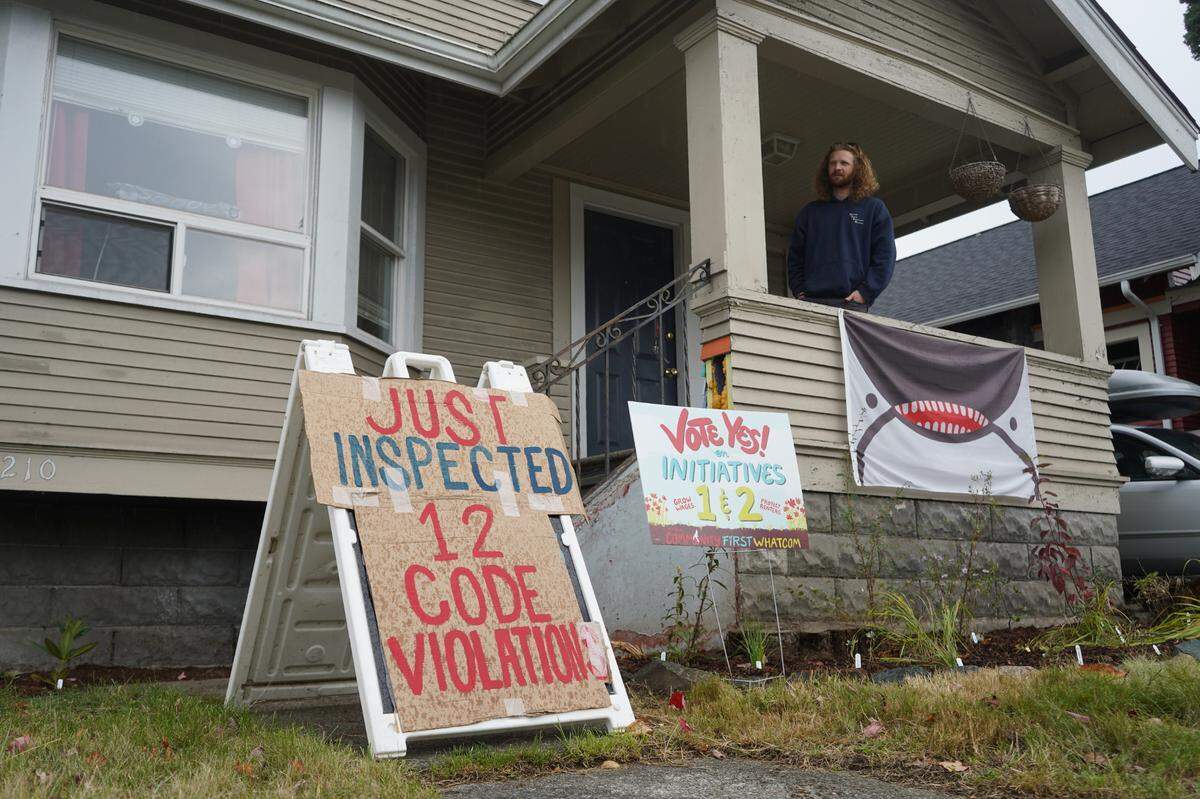
According to Washington courts data gathered by the Washington Low Income Housing Alliance, as of September, evictions in Washington were on pace to be up by over 34% from 2022.
Rent in Bellingham and Whatcom County continues to increase. Studies show a direct correlation between rent increases and homelessness.
More than 36% of the residents in Whatcom County are renters, with 52% being cost-burdened due to high rental prices. As of 2020, 54% of Bellingham residents were renters, with a similar percentage of them being cost-burdened.
As of December 2023, the average rent for a one-bedroom apartment in Bellingham was $1,525, according to data from Zumper. Rent prices for one-bedroom apartments in Bellingham have increased by 7% in the last month and have increased by 9% in the last year, according to rental listing service Zumper.com.
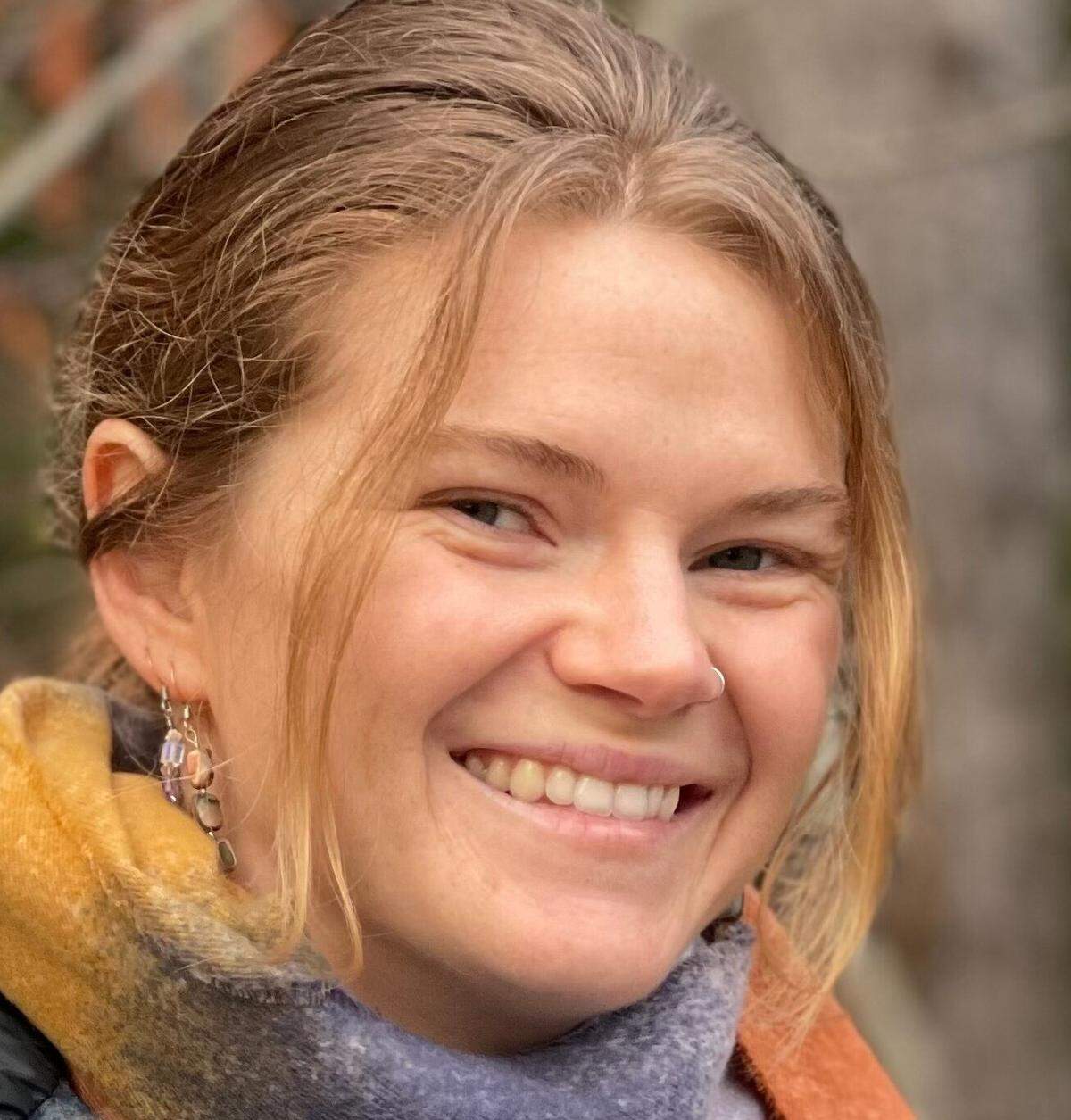
Kerri Burnside is an organizer with the Bellingham Tenants Union and the president of the Silver Beach neighborhood association. She lives at Old Mill Village, where she has experienced years of what she feels are excessive rent increases. She said she knows how harmful they can be to tenant stability.
Burnside told The Bellingham Herald she has seen her family members and neighbors consistently be priced out of their housing over the years. Burnside saw a $500 rent increase — a 23% rise — in her own rent this year. She said every resident’s rent at Old Mill Village has doubled since 2017.
“It’s been really taxing on my family — these rent increases — and trying to have some stability and plan for it. It’s scary when you don’t know for sure what to expect at your next lease renewal,” Burnside said. “I would like to just come home and relax. Unless you’re a renter living it, you don’t understand how it really derails every part of your life.”
Burnside was very active in getting recent renter protection ordinances passed locally. She says these state bills are important because they go further in giving stability to renters while also supporting landlords.
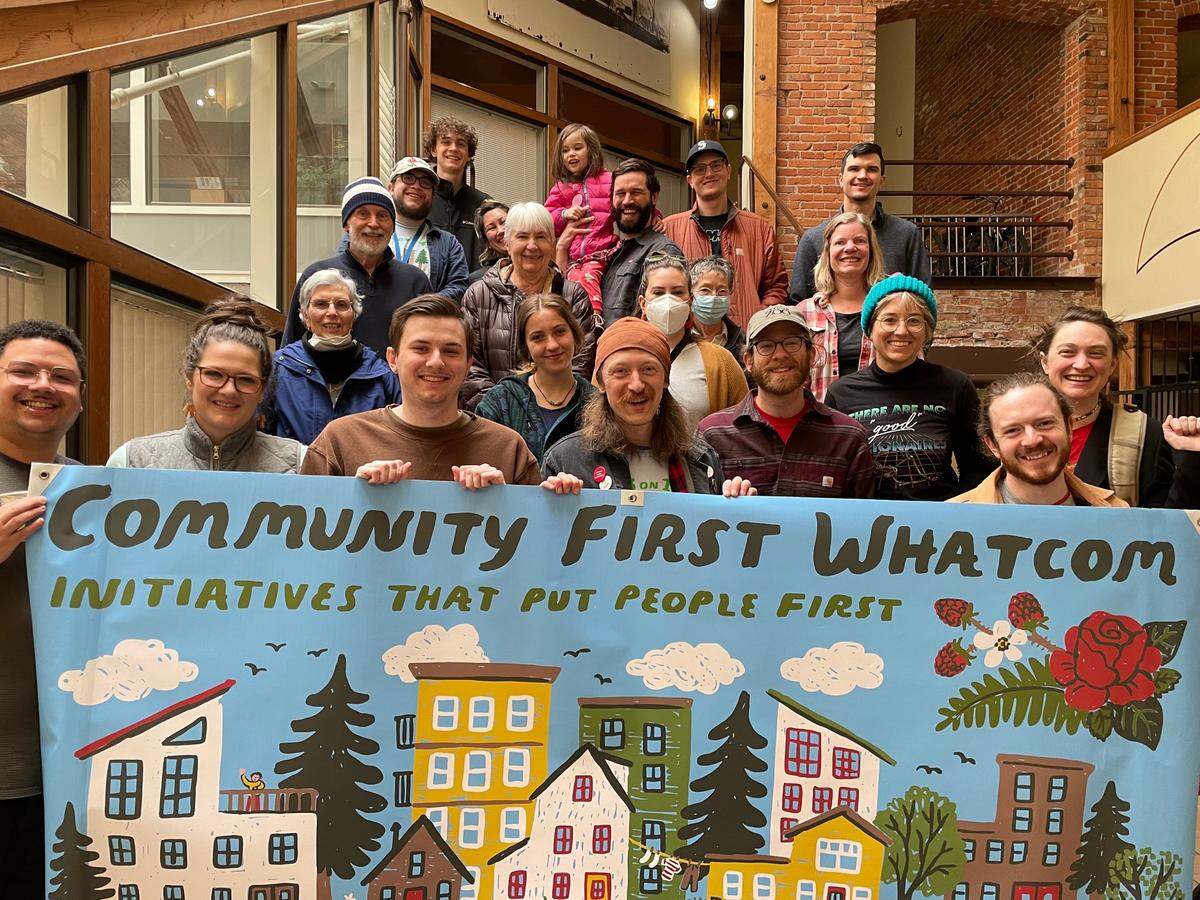
Michael Parker has worked in housing and homelessness for more than a decade and is a small landlord with a property in Bellingham who also supports the bills. Parker told The Herald that these bills strike a fair balance of acknowledging that profit is important for small landlords while affirming that rent stabilization is needed to protect renters.
“I see a market that is completely out of balance and it is completely skewed for landlords,” Parker said. “I’m standing up and saying, ‘It doesn’t need to be this way.’”
Parker said he would still make enough money on his rental property to cover costs and make a profit with the 5% annual limit on rent raises for continuing tenants. He said his increased yearly fees as a property owner have never exceeded that amount.
“The bill has been carefully negotiated and carefully crafted to protect the most amount of renters it can while also fostering a really positive business climate for landlords,” Parker said.
Whatcom County Council Chair Barry Buchanan spoke in support of the rent stabilization bills at a virtual briefing Thursday.
“Our council has endorsed this rent stabilization measure and we’ve been through quite a lot up here,” Buchanan said, speaking of the local housing and homelessness crisis.
The Whatcom County Council passed a resolution in 2023 affirming that housing affordability and homelessness are a public health crisis. Between 2022 and 2023, the number of unsheltered individuals in Whatcom County increased by 91%, and the number of unsheltered households increased by 110%. Over the last three years, an average of 88 households annually were families with children experiencing homelessness.
“Stabilizing rents will give our residents greater security and predictability in their lives, and contribute to the economic health of our community,” Buchanan said.
This story was originally published January 28, 2024 at 4:00 AM.