Museum worker swimming in river spots washed away sand — and makes medieval discovery
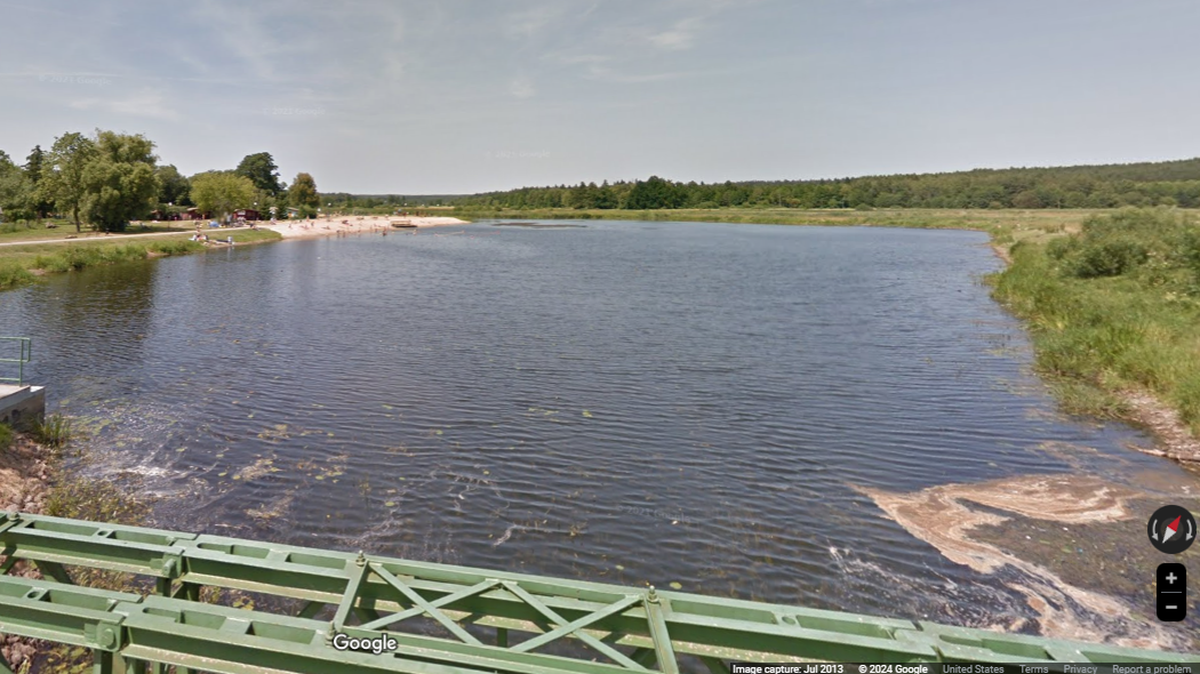
On a Sunday evening in August 2022, Szczepan Skibicki went for a swim.
The Military Museum employee dipped into the Supraśl river in eastern Poland, something he enjoys in his free time. Skibicki learned the curves of the river, the shape of the banks and the flow of the river bottom.
But during this swim, he noticed an area that used to be covered in sediment was clear, the scummy bottom washed away, he said in a Nov. 29 Facebook post from the Military Museum of Białystok.
Below him, about four feet down, Skibicki noticed something glinting.
Then the shape of a sword came into focus.
He screamed for joy underwater, Skibicki said, and called for back up.
Now, two years later, that discovery is being returned to the very museum Skibicki works, according to a Nov. 30 news release from the Poland Ministry of Science and Higher Education.
Skibicki, who is lauded as one of the most experienced museum employees, contacted the local governmental archaeological office and put the sword in distilled water to make sure it stayed preserved until officials could arrive, according to the release.
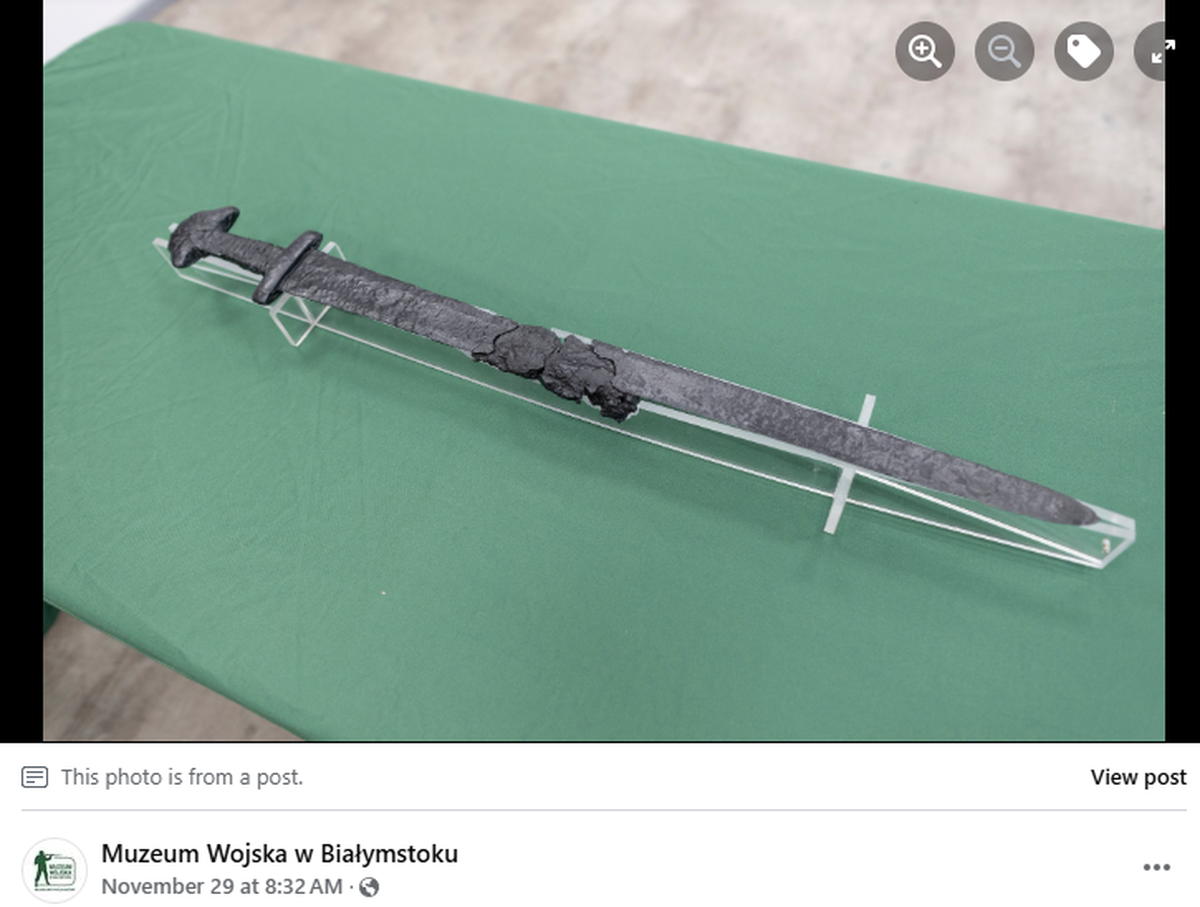
The sword was dated to the 9th or 10th century from Poland’s medieval period, officials said. The style is similar to that of the Vikings or the Baltic people.
Researchers called the sword unique and very unusual because only three or four similar weapons have been found in Poland, according to the release.
The water preserved the sword relatively well, but it still needed a lot of restoration, officials said.
Part of the sword had mineralized, researchers said, including the middle section about halfway down the blade.
This would have been where the blade took the greatest amount of hits, officials said, creating micro-cracks, scratches and splintering that led the metal to react over time.
The hilt, however, was much better preserved and the organic material used to make it was largely intact, according to the museum.
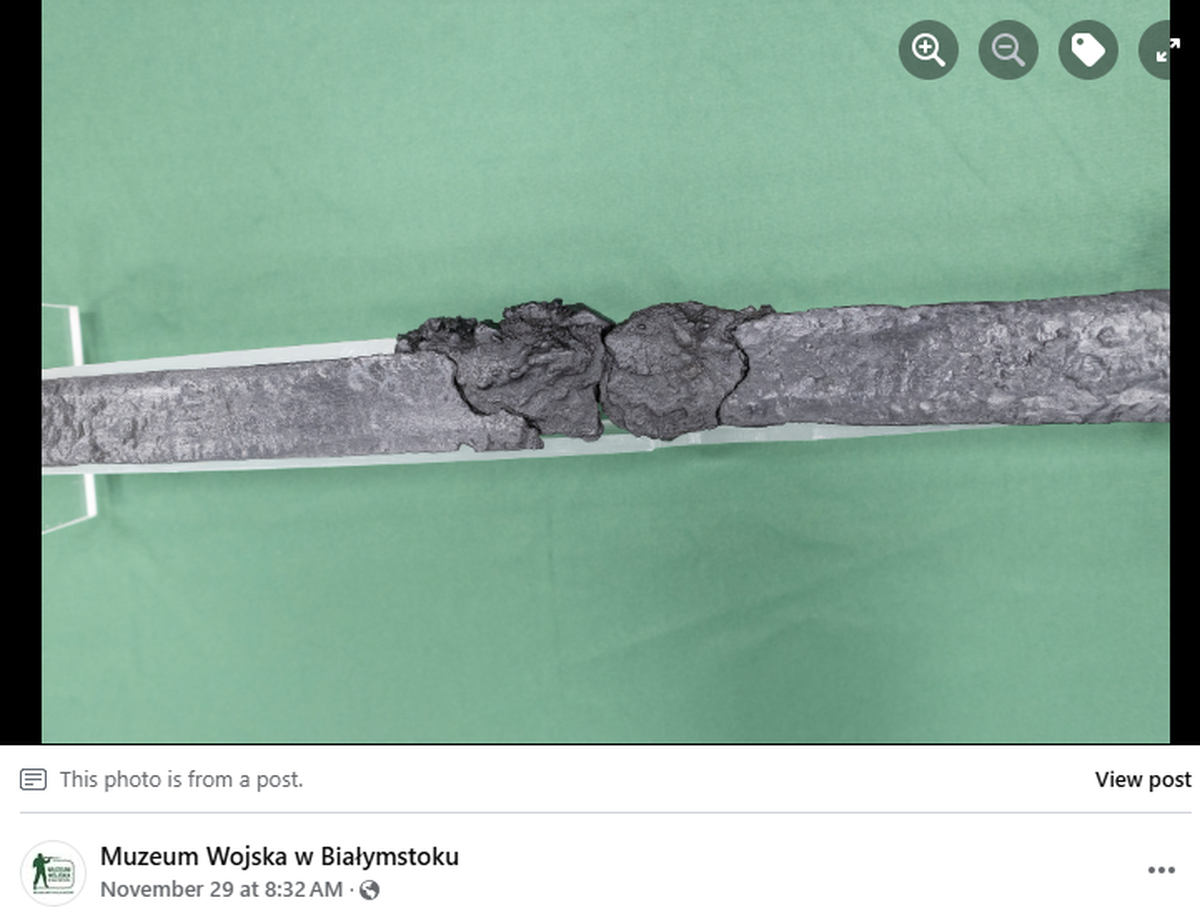
The monthslong restoration and removal of mineralized coatings had to be completely conducted underwater in order to maintain the preservation, researchers said. Damage could be done to the sword by letting it dry out.
Archaeologists said the sword was most likely lost around the same spot it would later be found around 1,000 years later.
Its wielder may have dropped it into the water while crossing the river, or someone holding the sword during an armed fight might have died in the water, according to the release.
The Military Museum of Białystok has one other similar sword found in the same river in the 1970s, and it was dated to the 11th century, according to the release. Though the sword is younger than the new discovery, its leather and handle were not as well preserved.
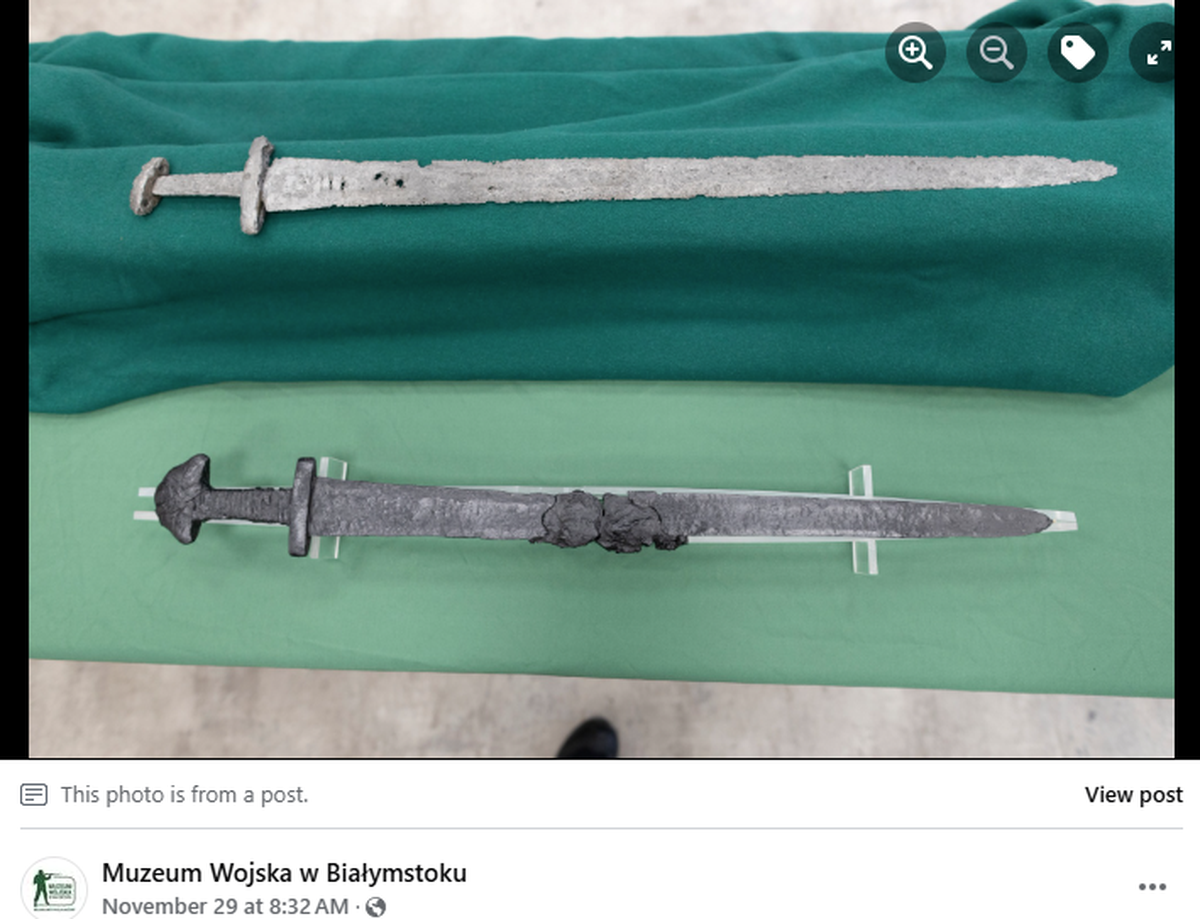
Skibicki said finding the sword was like hitting the lottery, and a study of the sword is expected to be published next year, according to the museum.
The Supraśl River is northeast from the city of Białystok in eastern Poland, about a 135-mile drive northeast from Warsaw.
Google Translate and Facebook Translate were used to translate the news release from the Ministry of Science and Higher Education and the Facebook post from the Military Museum of Białystok, respectively.
This story was originally published December 2, 2024 at 9:49 AM with the headline "Museum worker swimming in river spots washed away sand — and makes medieval discovery."