Centuries-old treasure — from political war — found by dad and son in Poland. See it

In a Polish village just north of Warsaw, an amateur searcher’s organization set out on a mission to find an ancient Roman road.
Through stories, it was rumored that a major trade road went through a forest outside Pomiechówek, but it had never been searched for fears of uncovering hidden explosives from World War II.
Polish Husaria Searchers’ Association, as the group is named, ventured into the forest armed with metal detectors and ambition on Nov. 3. They didn’t find the Roman road, a spokesperson for the organization told McClatchy News in a Facebook message.
Instead, a father and son found something much more valuable.
The group’s leader, Mateusz Sygacz, was walking through the woods when his phone rang, he said. Silver coins had been found nearby, and Sygacz thought they were most likely Russian kopecks because Russians were in the area during the second world war.
However, when he got closer, a young searcher named Szymon Milewski ran up to him, shouting that he and his dad, Sławomir Milewski, had found something much larger.
Sygacz ran to the duo and saw six coins as large as half of a hand on the ground, he said. The Milewskis said more signals were being picked up by their metal detectors, so they continued to dig.
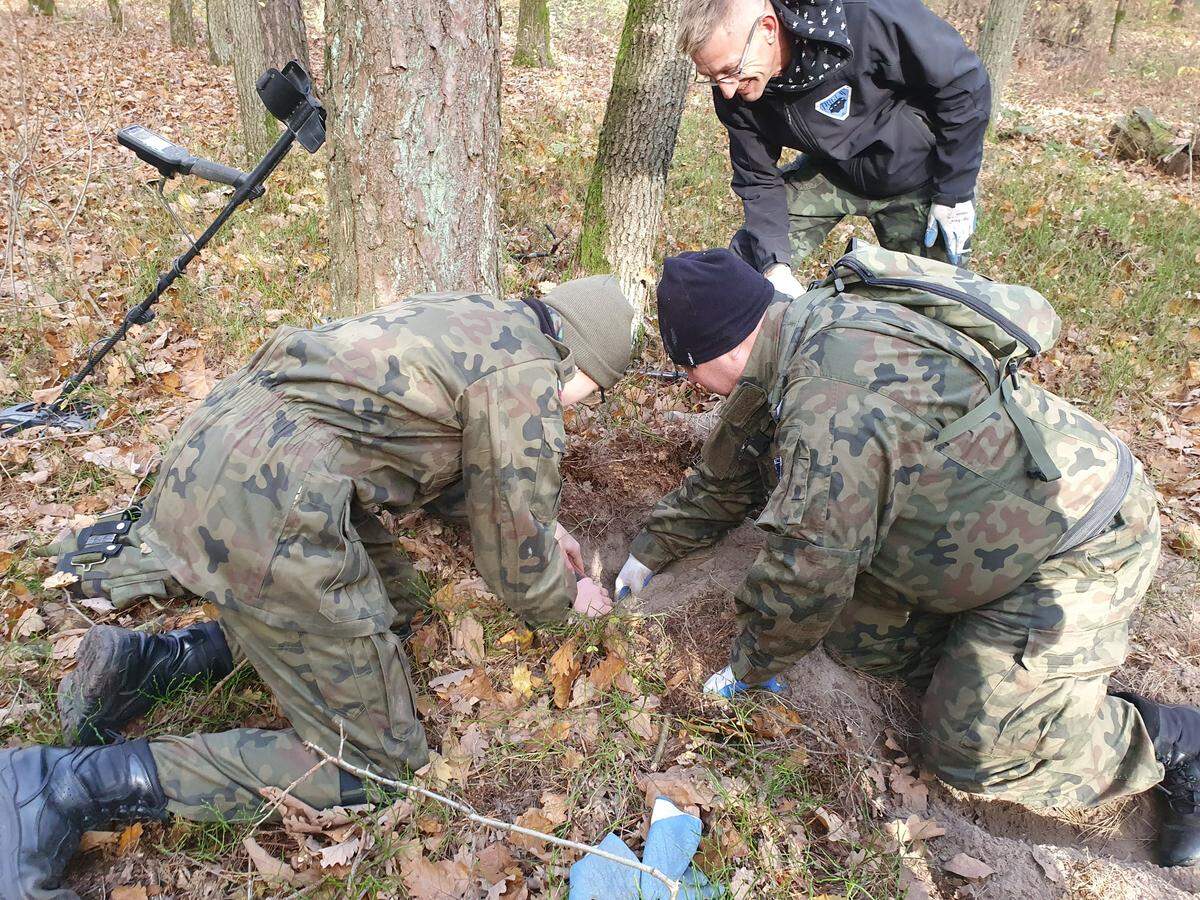
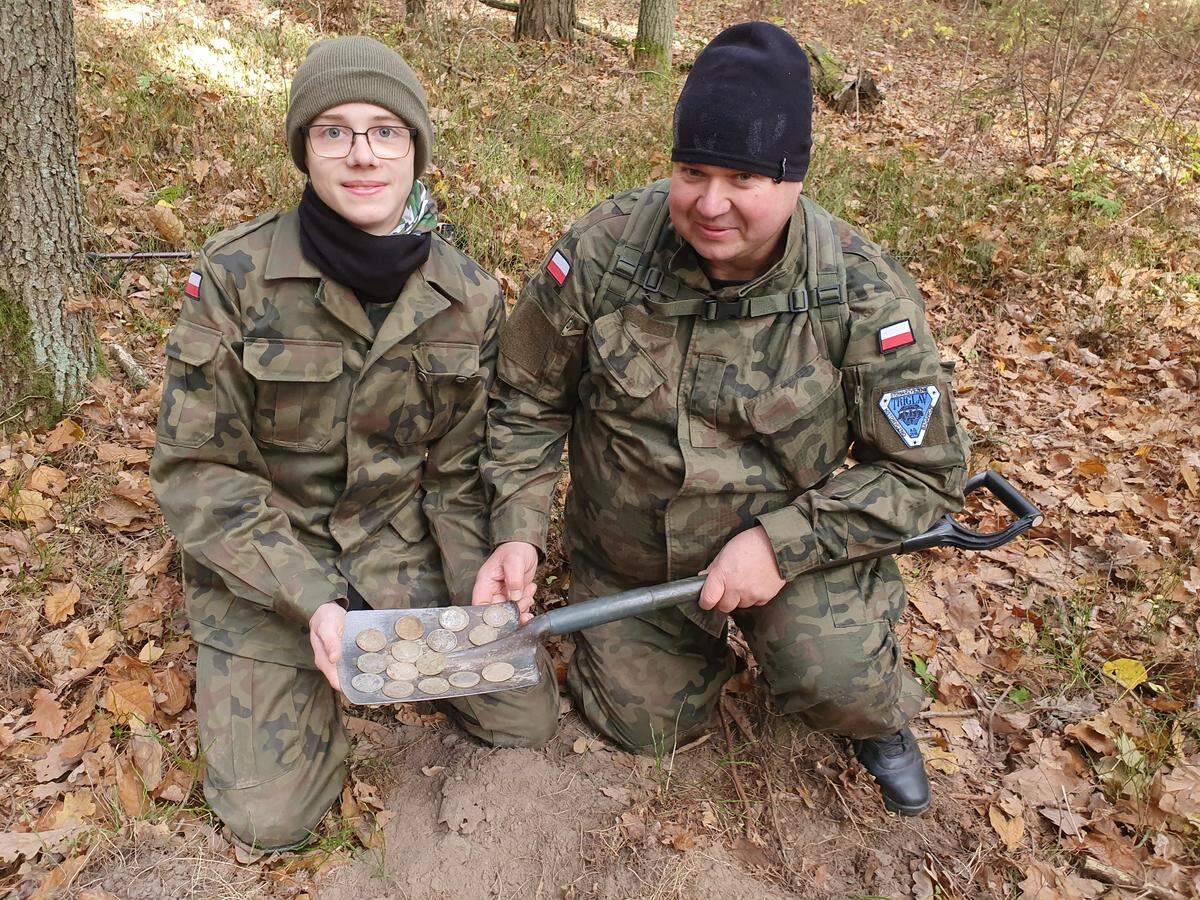
Sygacz said there were cries of joy as more and more coins were unearthed from the soil. He called the local archaeologist, Piotr Duda, who arrived 15 minutes later. One by one, 17 well-preserved coins were presented.
While the site may have been traversed by the Romans, the coins originate from centuries later, the searcher’s organization said.
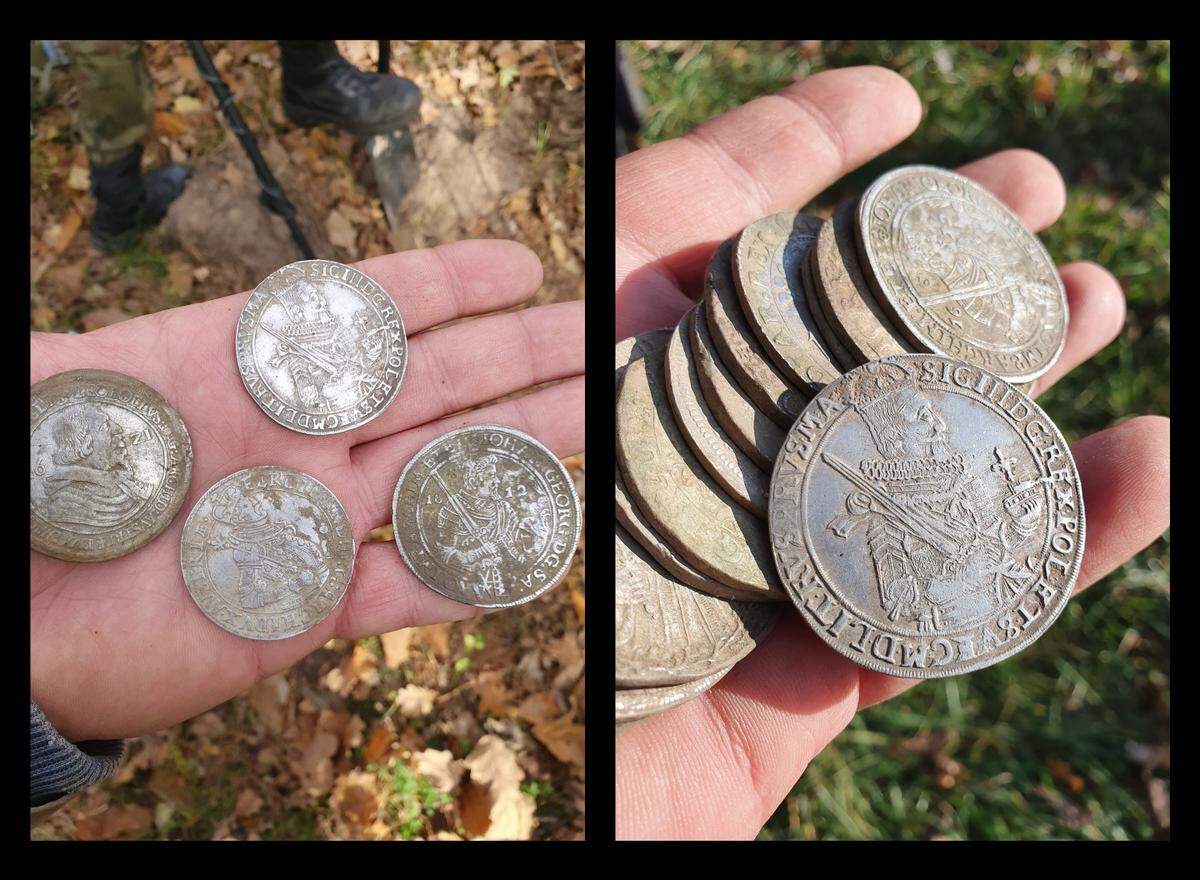
Based on preliminary identification, the oldest coin was dated 1604, and the newest had a mint date of 1641, though some of the coins did not have legible numbers, the organization said. The coins came from the Spanish Netherlands, Prussia, the Duchy of Palatinate-Zweibrücken, Austria and Saxony.
Some of the coins could also be identified as specific currencies, including thalers and patagons, but other coins were so rare there were not any examples in historical catalogs to compare with the artifacts, Sygacz said.
There are a few possibilities for how the centuries-old treasure landed underground in a Polish forest.
First, a wealthy merchant may have been on their way to stay at an inn believed to be built nearby, the organization said. The merchant may not have wanted to enter with such a large sum of money and buried it before going into the inn, then never came back.
Another possibility is that the hoard belonged to a soldier fighting in the Thirty Years’ War raging from 1618 to 1648, and the soldier could have buried it for safe-keeping.
The coins could have also belonged to a personal collector who was hiding the high-value hoard during a warring period, the organization said.
Sygacz said they will likely never know exactly how the coins got there, but the history and context make the find invaluable.
This is potentially one of the largest treasure trove of this kind ever found in Poland but definitely in the region of Mazovia, Duda told the Ministry of Culture and Higher Education in a Nov. 5 news release.
All of the coins in total were valued at around PLN 500,000 (Polish złoty), or about $123,000, Sygacz said.
The Masovian Voivodeship Office for the Protection of Monuments in Warsaw was notified of the find, and the organization reached out to the Modlin Fortress Museum about possibly donating the coins. Sygacz believes the value of the find will prevent it from being placed in the museum and said it will likely be kept with the protector of monuments.
The hoard was found in Pomiechówek, about 25 miles northwest from Warsaw.
Google Translate was used to translate the messages from the Polish Husaria Searchers’ Association and the news release from the Ministry of Culture and Higher Education.
This story was originally published November 6, 2024 at 2:31 PM with the headline "Centuries-old treasure — from political war — found by dad and son in Poland. See it."