Medieval coin — minted in Middle East — found under noble’s manor in Poland. See it
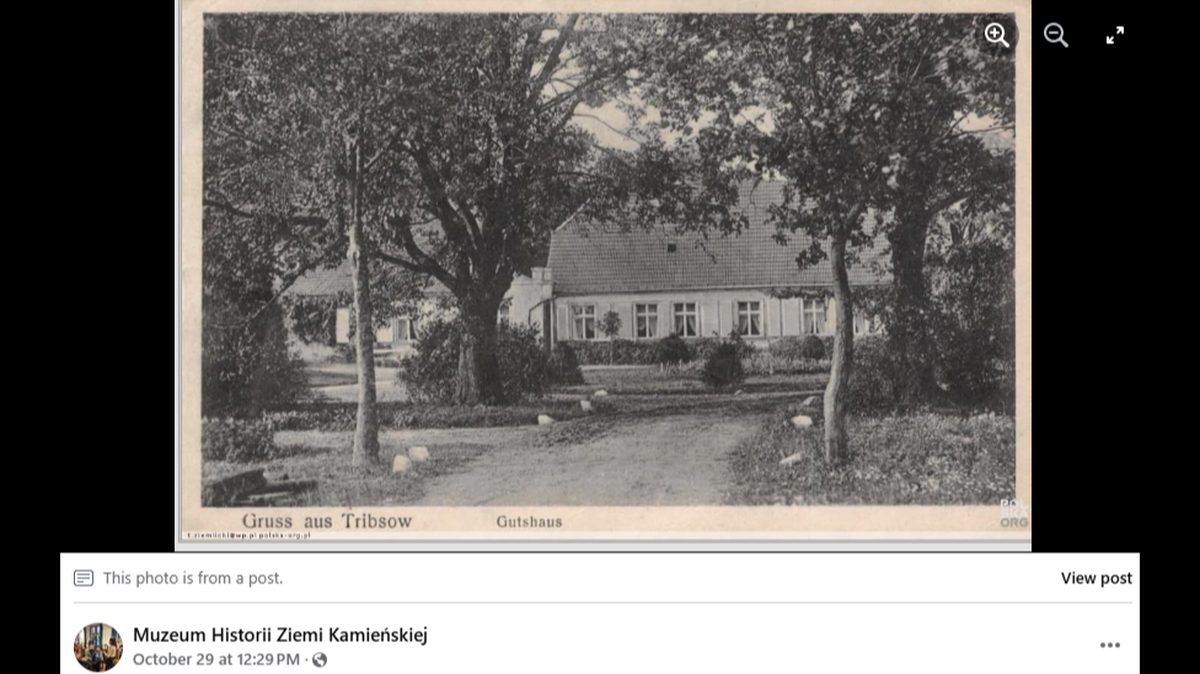
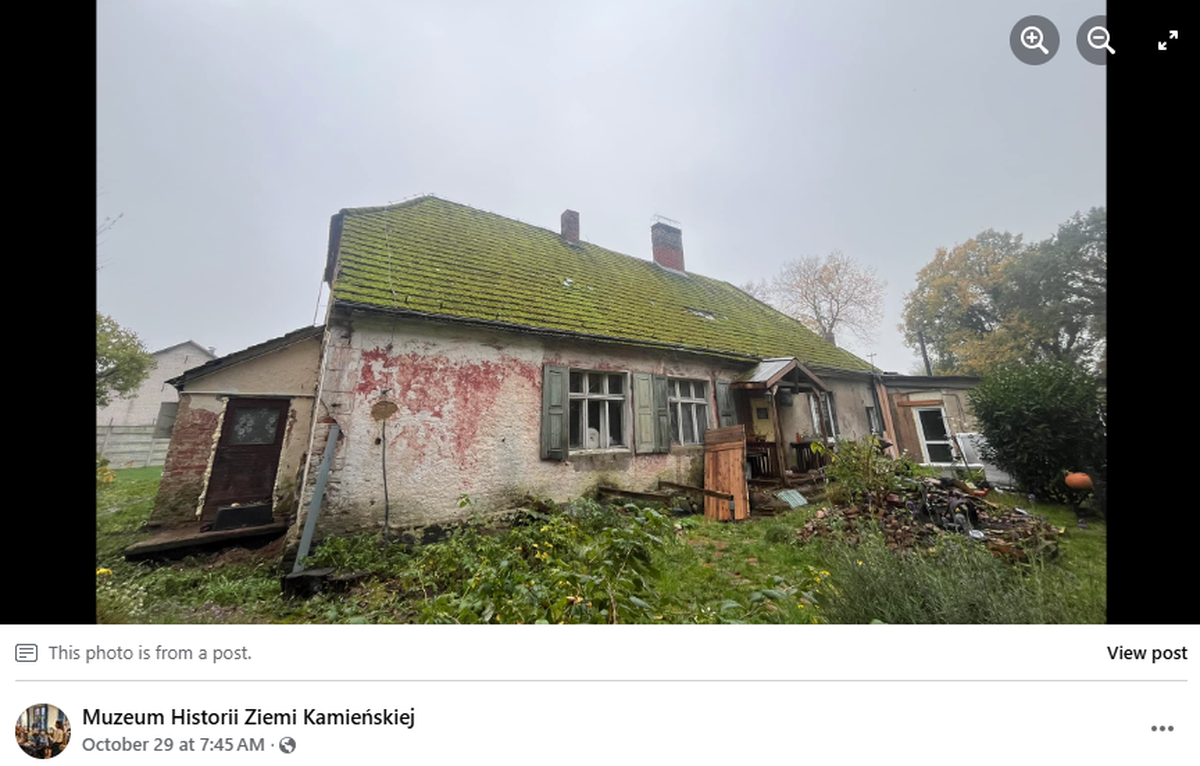
For centuries, a manor house near the coast of the Baltic Sea in Poland was owned by a powerful family, the von Wittens. Today, that home has fallen into disrepair after the glory years of the knightly and noble family.
Archaeologists and historians with the Museum of the History of the Kamień Region are working on renovations at the site, and they recently made a significant discovery under the manor’s floor, according to an Oct. 29 Facebook post.
Shining in the dirt was a chunk of a medieval coin, cut from a full circle into an intentionally-sized section, researchers said in a Nov. 2 news release from the Ministry of Culture and Higher Education.
It’s called a dirham, or a chopper, which was used as payment when full coins were hard to find, with certain sizes corresponding with a set value, archaeologists said.
Dirhams are made of silver, a precious metal, and could sometimes be cut into near-microscopic pieces, Grzegorz Kurka, director of the museum, said in the release. When they are found in hoards around Poland, they are predominantly chopped up.
The ninth and 10th century coins were minted in Muslim regions, including the Middle East, and occasionally in Central Asia, historians said.
Its presence under a Polish home suggests there were significant trade routes between the “Slavs” and the Middle East, according to the museum. The trade routes crossed the Baltic Sea, connecting Europe with the Middle East, but archaeologists don’t believe the coin arrived in Poland directly from its source.
Kurka said discoveries of dirham are rare in Poland, most likely meaning the coin reached Poland through intermediaries and smaller traders.
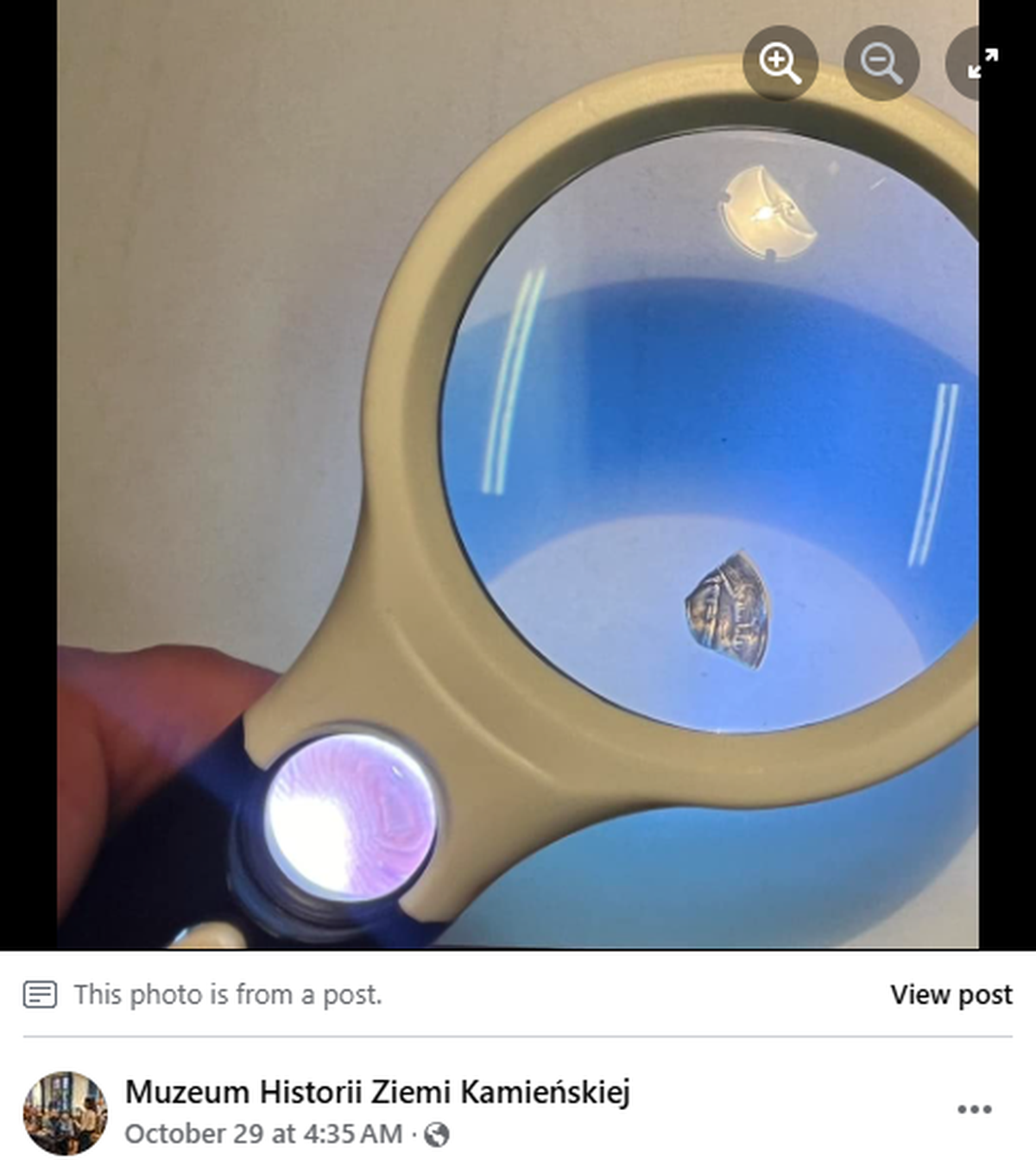
The coin itself is decorated in the style of its Islamic roots, archaeologists said. Dirhams do not depict any images of people or animals, a principle in Islamic art.
Instead, one side of the coin includes an inscription of a confession of faith, or a shahada, the museum said. This phrase would have been accompanied by another inscription, including the year it was minted or the place it was issued.
The other side of the coin has a calligraphic inscription with the name of the reigning Islamic leader, historians said. It could also have a short religious statement or more information about where the coin was minted.
The von Witten manor house is located in Trzebieszewo, in northwestern Poland near the border with Germany and the Baltic Sea.
Google Translate and Facebook Translate were used to translate the news release from the Poland Ministry of Culture and Higher Education and the Facebook post from the Muzeum Historii Ziemi Kamieńskiej, respectively.
This story was originally published November 4, 2024 at 10:40 AM with the headline "Medieval coin — minted in Middle East — found under noble’s manor in Poland. See it."