Bellingham tenants who filed suit over unsafe living conditions reach settlement
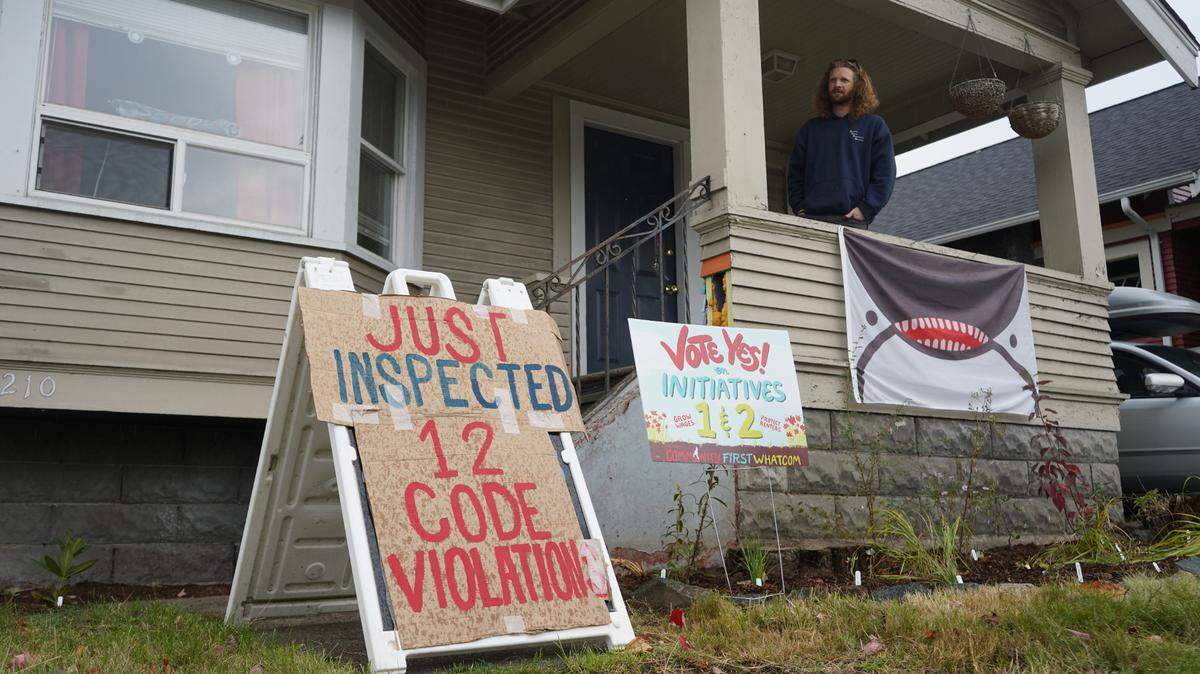
A group of Bellingham tenants who sued their property management company over dozens of code violations and habitability concerns in their rental unit are now sharing their experience after settling out of court.
Kara Henry, Aidan Hersh, Chuck Tookey and Joey Williams sued Lakeway Realty, their former property management company, in October 2024 after going public with their concerns just one year earlier.
“Ultimately, it seemed worth going for because if we were successful in it, then we would be able to have this pathway and example laid out for how tenants would be able to hold their landlords accountable for renting unsafe homes and taking advantage of tenants,” Tookey said in an interview with The Bellingham Herald.
In February 2026, the tenants settled for an undisclosed amount of money they said they feel satisfied with.
Although their case didn’t go to trial, the tenants told The Herald they want others to know this legal route is possible. They said their case sets a precedent for other renters in similar circumstances.
“We really wanted this to be a way that people in situations like ours — and worse than ours — can hopefully find some sort of avenue to justice and fairness,” Hersh told The Herald.
A history of extensive disrepair
The tenants lived for years at 1210 Ellis St. in Bellingham’s York neighborhood, a home with documented issues dating back to 2015, when it was damaged by fire and subsequently condemned by the city of Bellingham.
The house was re-registered as a rental in 2016. But the legal complaint claims it was never properly repaired, and the tenants allege that led to many of the additional damages they dealt with during their tenancy years later.
“In short, the significant problems stemming from the 2015 fire damage were never addressed, merely patched with new carpet or a coat of paint and left to affect the lives of unsuspecting new tenants,” the complaint states.
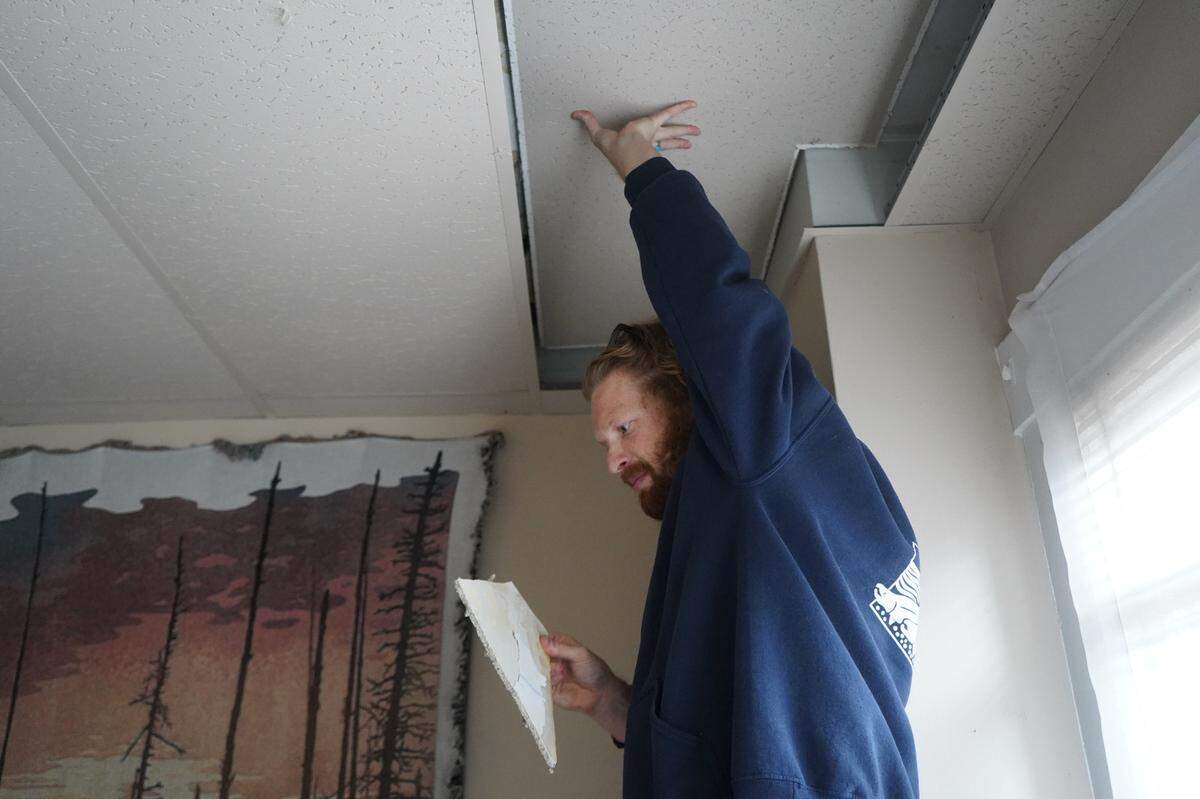
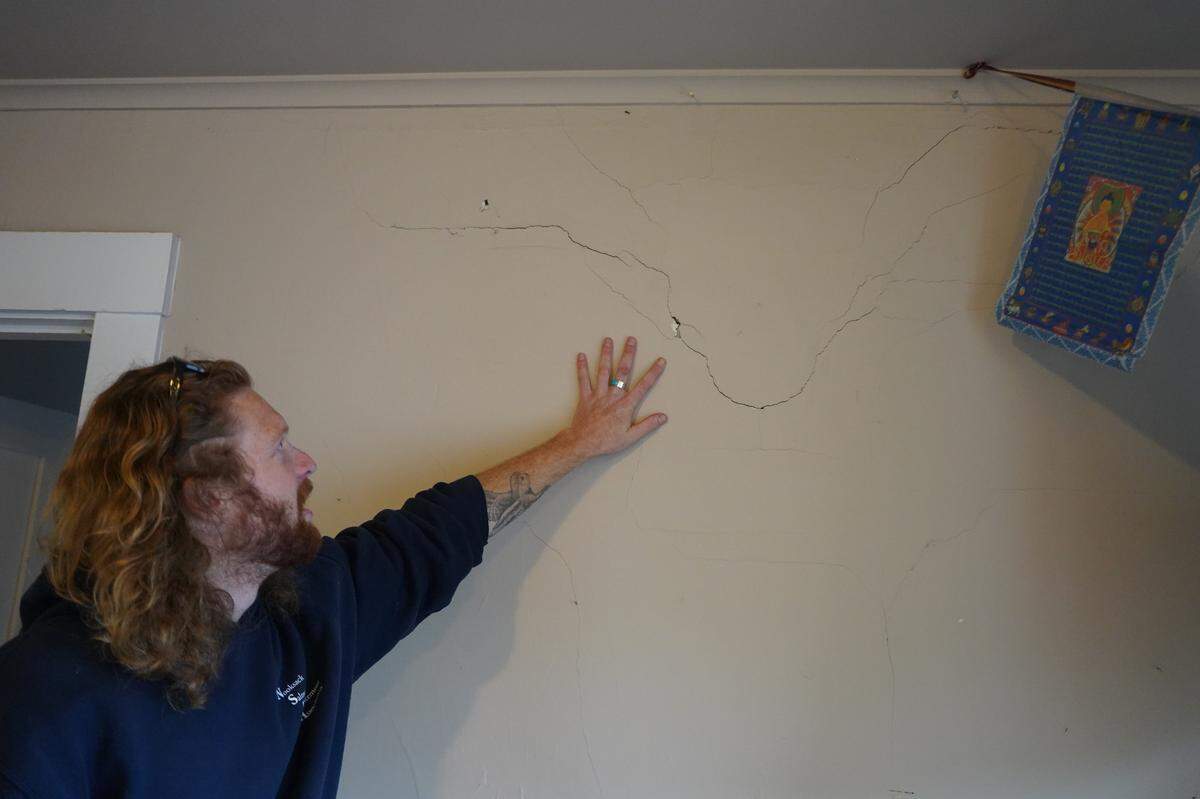
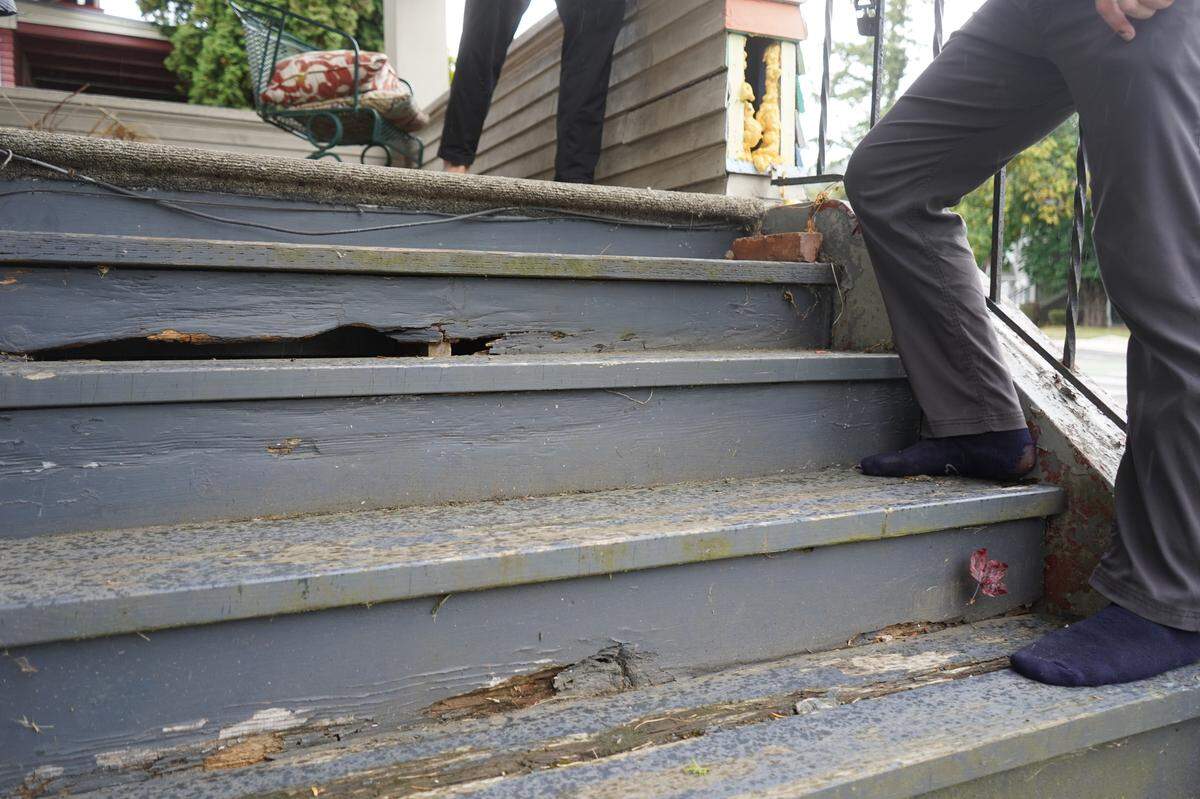
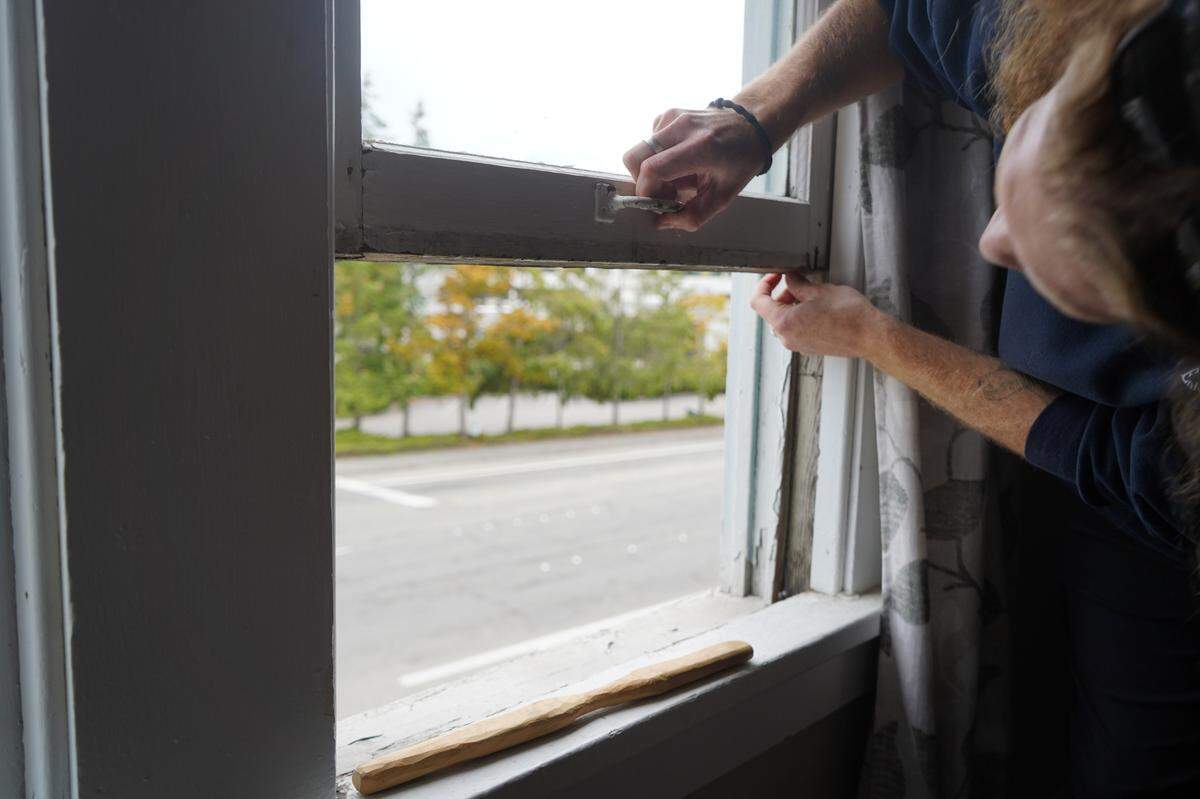
The tenants lived with extensive water leakage throughout the home, single-pane windows that froze on the inside of the glass, a leaky water heater, a leaky washing machine, rotting wooden steps and significant mold growth, causing one tenant to be diagnosed with mold-related illness, according to the complaint filed with Whatcom County Superior Court.
“Any doctor that I went to about it said I needed to move out of the house as soon as possible. That was the medical advice across the board,” Henry told The Herald.
At one point during their tenancy, an upstairs bathroom leak burst through the ceiling of the bedroom below, causing water-soaked tiles to fall on a tenant’s possessions and make that bedroom unlivable, according to the complaint and tenant testimony.
When tenants requested repairs, they were made to live in an active construction zone while “unlicensed and unqualified contractors” were hired to perform the work, the complaint states. The property management company did not provide proper notice that work would be performed, nor was construction debris consistently cleaned up or removed after the work, according to the complaint.
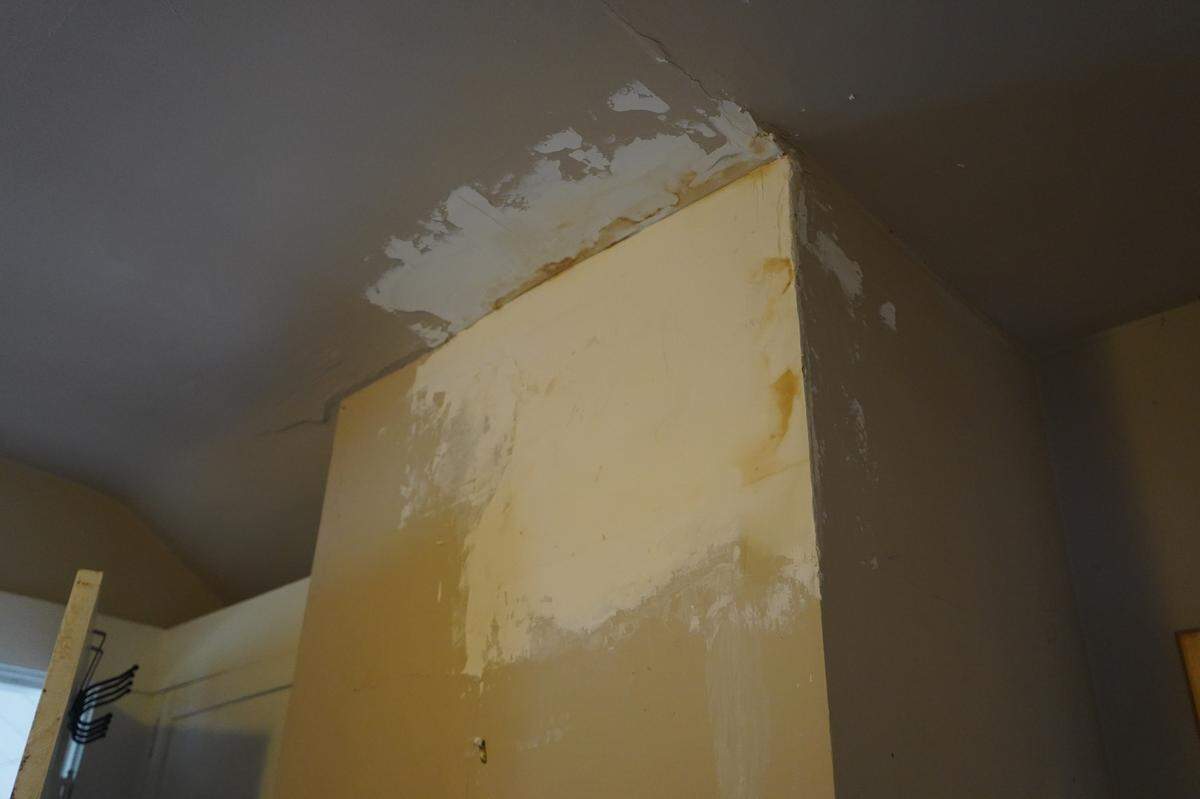
“Despite these violations and numerous complaints, defendants continued to accept rent payments, increased rent, and asserted that the property was perfectly safe, all while failing city of Bellingham inspections and maintaining the house in a condition not fit for habitation,” the complaint states.
Between July 2022 and July 2023, the property failed five rental registration inspections. Thirty-five total code violations were identified and not addressed in a two-year period, according to the complaint.
Legal action was the final avenue for justice
The tenants told The Herald that their decision to pursue legal action was the only route left for them after exhausting every other possible option to improve their living conditions.
After years of trying to work directly with their property management company to make the necessary fixes in their house, the tenants said it was clear they needed to escalate the situation to see change. The group spoke publicly at city council meetings, invited city council members to their house, gave house tours to tenant and housing advocates, and even spoke to multiple media outlets before deciding to sue.
“Basically, every avenue we had for recourse aside from suing them, we tried to use,” Henry told The Herald. “None of them were effective. There just weren’t any teeth behind the way the system was built.”
Although the tenants were able to successfully settle out of court, they said the process was not without its challenges.
The legal pursuit was time intensive, stressful and risky, the tenants told The Herald. The tenants also recognized they were privileged to be able to have the energy and knowledge to pursue legal action at all, something they said many renters are unable to do.
“For real, lasting change to happen, problems like this need to be addressed as a collective,” Hersh told The Herald. “As good as this felt for us personally, especially having gone through all of it, there are dozens of people still going through this — and worse.”
The tenants said they want individual renters to feel empowered to take the same action they did. They also agree, however, that renters alone cannot make the level of systemic change needed to tackle this issue at its roots.
“It really sucks that it is the norm and accepted to live in these houses that are falling apart,” Tookey said. “The way to change it is by getting more people to hold their landlords accountable.”
“People need to talk to each other about what’s happening and understand that they aren’t alone. Their issues are collective issues being experienced by many people. Nothing will change if we just keep acting as individuals against companies. It has to be a systemic change,” Hersh said.
A catalyst for future tenant-landlord cases
Bellingham attorney Zach Mumford of Mumford Law Firm represented the tenants in this case. He said tenant-landlord disputes can be challenging to take on, but this situation checked all the boxes to file a lawsuit.
“It really became clear that there was a serious violation of the law going on here and that the property management company and the landlord needed to be held accountable,” Mumford told The Herald.
Mumford said one of the things that really helped the tenants be successful in this case was their motivation to improve living conditions across the board for renters in Bellingham.
“I thought it was coming from a really good place, a really ethical place, a place of desire to do something good and powerful for the community to hold somebody accountable for being a really poor landlord and not taking care of the tenants according to either the lease agreement, the laws of the state of Washington, or the local ordinances,” Mumford said.
His advice to both renters and landlords in disputes is to practice good, frequent communication from the beginning and maintain documentation. Mumford said what made this case so powerful was the sheer volume of documented, unmet requests. If a dispute escalates or continues to go unresolved, he said, coming with the receipts gives a case strength.
“It will always be less painful to work things out with your landlord than it will be to get an attorney involved and litigate a case through to the end,” Mumford said.
Although the case ultimately did not go to court, Mumford said it created a roadmap for how other attorneys in Bellingham can negotiate similar cases.
“I believe in holding landlords accountable. Landlords should be held accountable for bad actions, and I’ll keep bringing these cases as long as there are bad landlords, which, unfortunately, I think will be for the foreseeable future,” Mumford said.
Attorneys representing the property management company in the case have not returned requests for comment from The Herald.
This story was originally published May 21, 2026 at 5:20 AM.