Bellingham bike, walk advocacy group pushes back on waterfront parking plan
Walk and Roll Bellingham, an advocacy group that works to support local bikeability and walkability, is pushing back against the installation of additional parking along Bellingham’s waterfront.
The group sent a letter to the Port of Bellingham expressing “serious concerns” about the planned 109 parking stalls being installed along Granary Avenue just north of the existing parking lot at the downtown waterfront area.
The letter, sent April 26, calls the project “old-school thinking,” and urges the Port to pause it in favor of investing in multimodal access improvements. The letter states the project is in “direct conflict” with the Port’s Waterfront District Sub-Area Plan and its 2023 Climate Action Strategy.
“Extensive Port-led planning efforts acknowledge that surface parking generates more vehicle trips, increases impervious stormwater runoff, degrades pedestrian environments, and creates conditions that make walking, cycling, and transit use less comfortable, less inviting, and less safe,” the letter states.
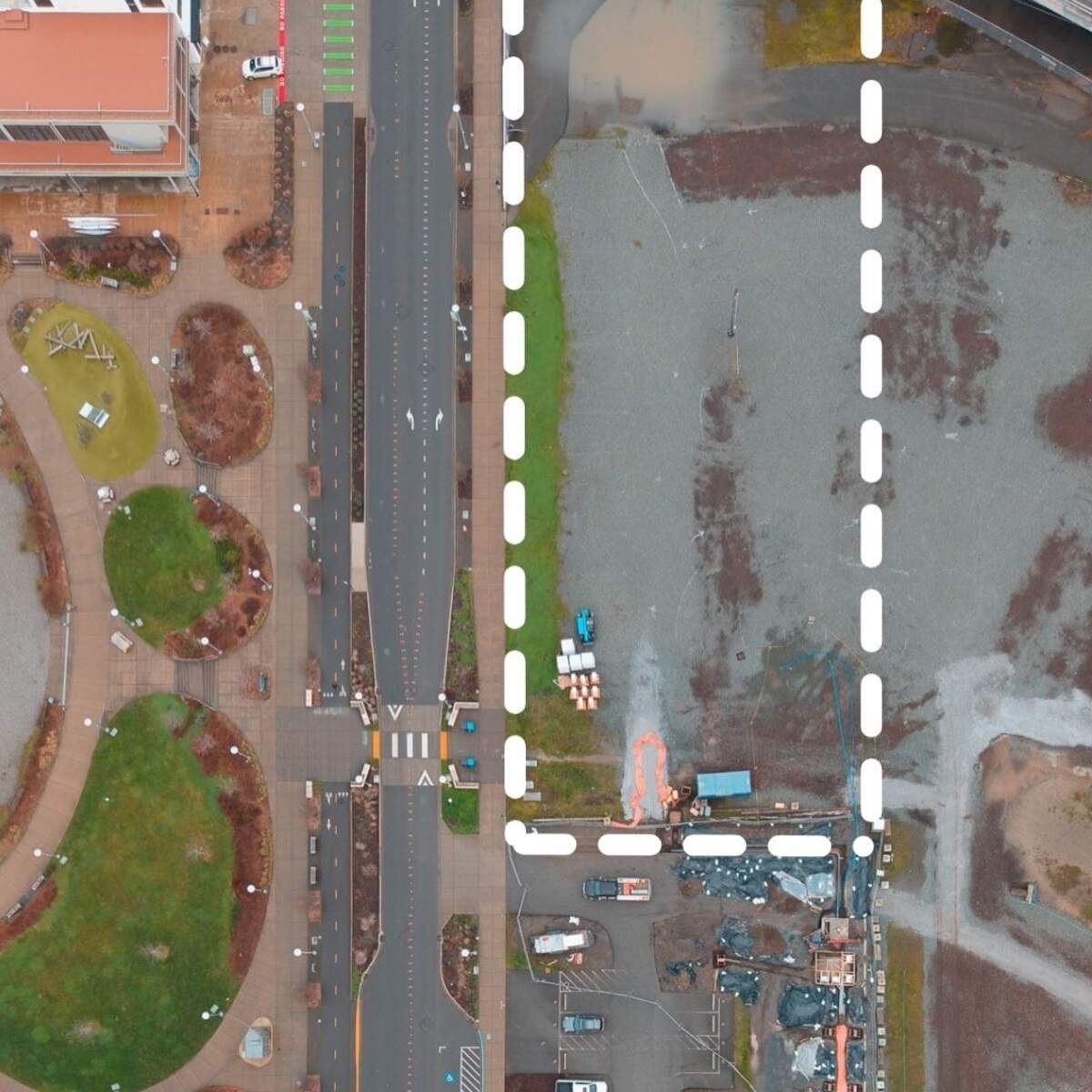
The Port awarded a $247,000 contract to local contractor Henifin Construction to complete the project, according to Port spokeman Mike Hogan.
Hogan told The Herald that the parking lot is a temporary solution, with future plans to potentially redevelop the site with infill development or open space. Parking would later be accommodated through garages, on-street spaces or integrated into buildings, Hogan said.
“This approach aligns with the Waterfront District Sub-Area Plan, which prioritizes a pedestrian-friendly environment, supports transit use, and supports temporary surface lots to accommodate public access, support future businesses and attract private investment,” Hogan said in a statement to The Herald.
Walk and Roll said that adding parking runs counter to Port commitments to:
- Promote a pedestrian-friendly waterfront environment.
- Encourage transit ridership.
- Reduce greenhouse gas emissions.
- Build safe bicycle and pedestrian routes to Port properties.
The letter acknowledges accessibility challenges as an issue, but sites studies showing that added surface parking in urban areas make access problems worse by inducing more vehicle demand, worsening congestion and reducing the desirability of walking and cycling.
“Surface parking entrenches car-dependent access patterns on land that will eventually need to be freed for buildings, parks, and infrastructure. Every dollar spent on asphalt today is a dollar spent to prevent the ‘vibrant, mixed-use neighborhood’ our community has envisioned for the waterfront,” the letter states.
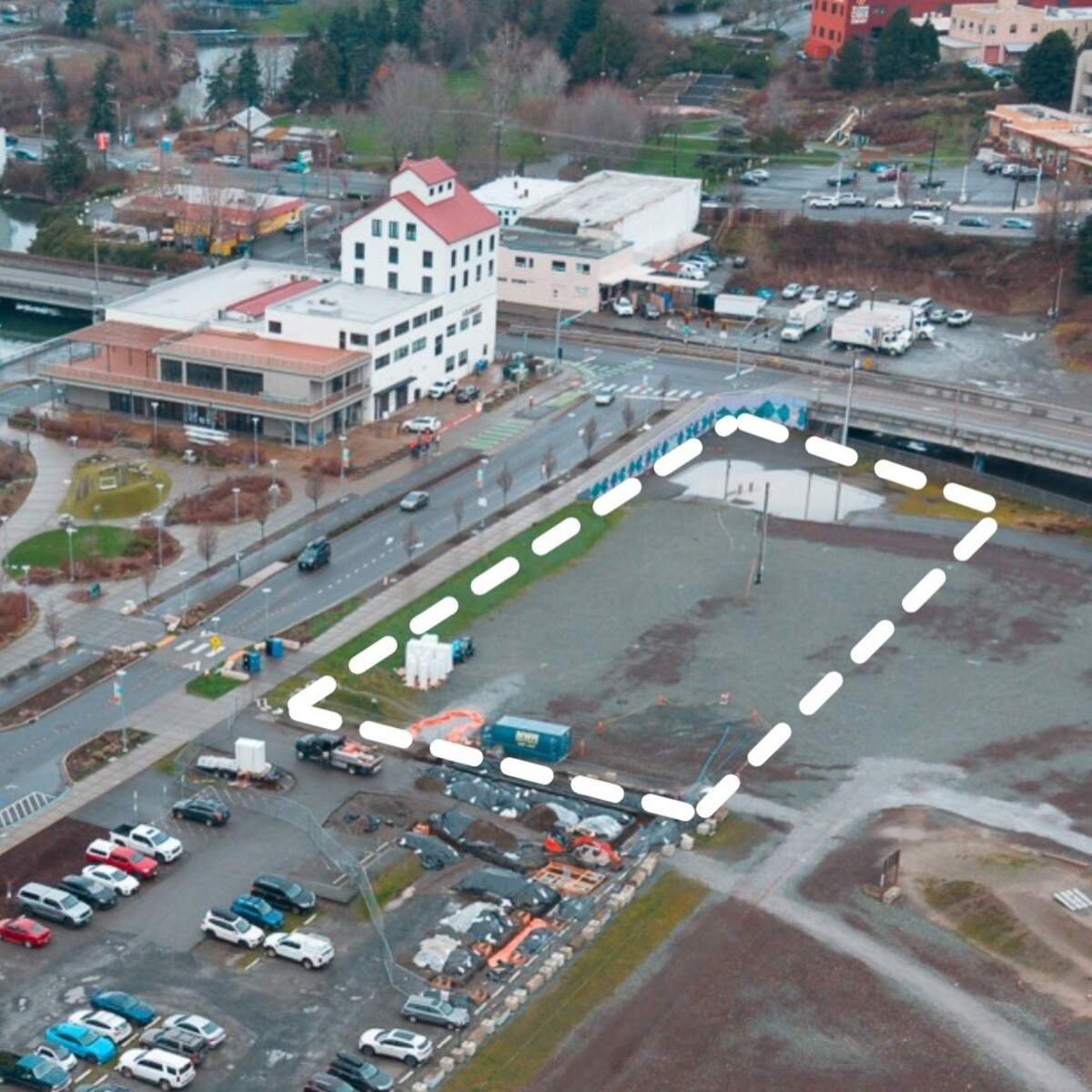
Walk and Roll’s letter argues that the investment being made for parking could alternatively be used to fund:
- Hundreds of secure bike parking stalls.
- Improved pedestrian lighting and wayfinding.
- A more inviting Granary Building patio or retail experience.
- Protected bike connections from downtown to the waterfront.
- Programming that makes arriving by bus, bike, or foot a rewarding experience.
“These investments would align with the Port’s climate strategies and waterfront plans and would create active, people-filled public spaces that make waterfronts economically and socially successful. Building more vehicle parking while leaving these multimodal improvements unfunded is a planning failure,” the letter states.
Hogan told The Herald the Port is continuing to improve pedestrian connections throughout the downtown waterfront by enhancing walking paths, adding new lighting, and supporting stronger pedestrian connections to nearby neighborhoods.