Residents want more say in the process as Bellingham neighborhood densifies
AI-generated summary reviewed by our newsroom.
- Residents oppose 18-unit St. Clair Street infill, citing loss of neighborhood character.
- City advances middle housing policies to increase supply and diversify housing types.
- Neighbors report poor notification and limited say in projects affecting safety.
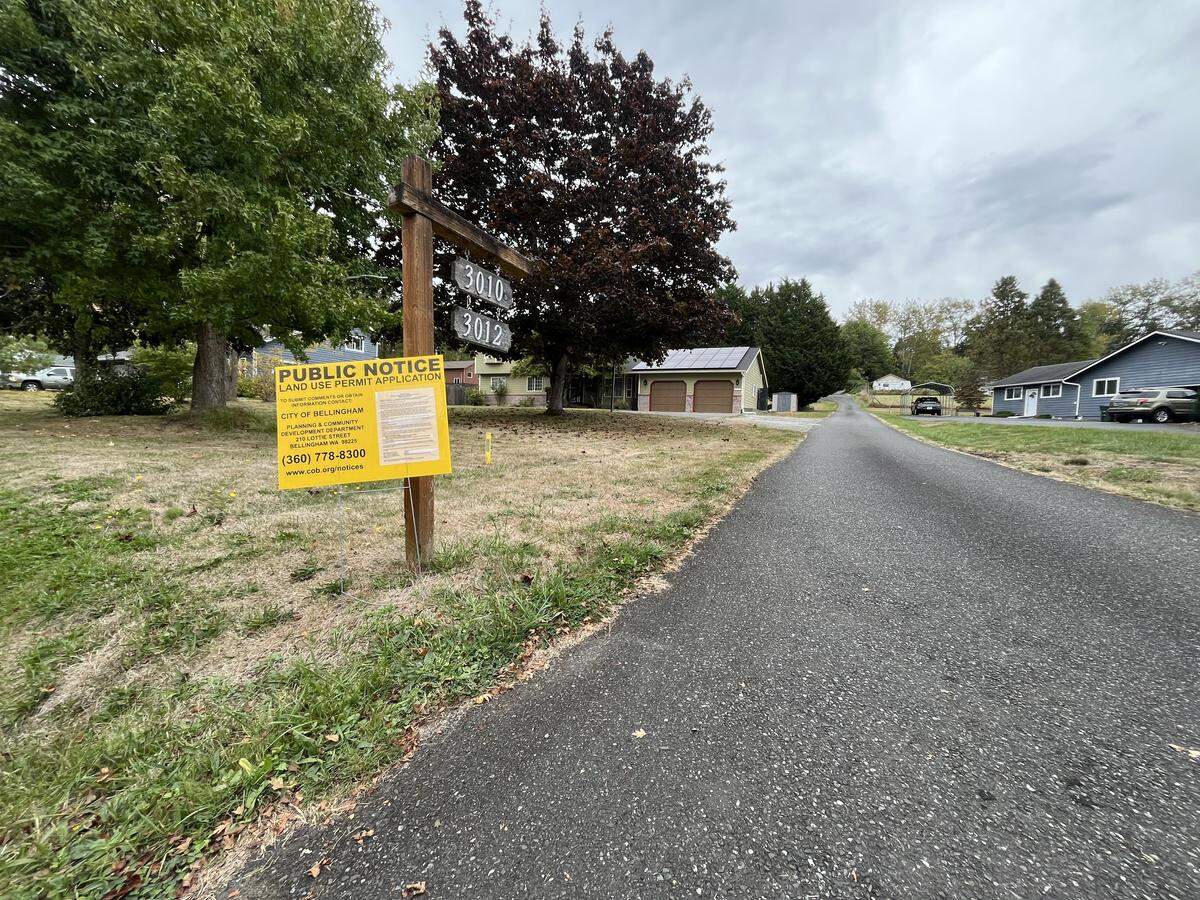
St. Clair Street is fairly quiet. It’s a dead-end road off Alabama Street in Bellingham’s Roosevelt neighborhood.
It’s a neighborhood with mostly single-family homes. Many of the lots are on the larger side, full of green space and trees. Kids ride their bikes in the middle of the road, which connects to the popular Railroad Trail.
The street doesn’t have sidewalks but residents say that’s not currently much of an issue for how slow-paced the neighborhood feels.
“It’s got a pretty quiet, pastural feel to the neighborhood, with single houses on lots. You can walk down the middle of the street,” resident Jon Ransom told The Herald.
Several residents told The Herald they moved to the area for exactly those reasons. They appreciate the peaceful energy of the neighborhood and expected it would stay that way.
Now those same residents say they are concerned about development plans for an infill project that would add 18 residential units to the neighborhood — nine primary dwellings, each with an accessory dwelling unit (ADU).
The proposal is to subdivide a 1.7-acre parcel into nine lots, according to project documents.
“Where this lot is, putting 18 units there clearly will disrupt the character of the neighborhood,” Ransom said.
Residents say the neighborhood has homes of a variety of styles and sizes that include options for families to grow and make changes over time. They worry this project won’t offer this same kind of long-term flexibility, essentially changing the area’s sense of community.
“The planned infill houses lack this variety,” resident Vaughn Wine told The Herald. “They are all very small and have multiple stories, making them perfectly suitable for young families. But we fear they will outgrow them quickly and need to move on after three or four years. There are no ramblers for older residents, and we’re not sure how much these units can be customized over time.”
“We have a fairly tight-knit group of owners currently who look out for each other and are genuinely concerned for each other’s well-being. I fear that we will lose much of what makes living here so exceptional,” resident Tom Wolf told The Herald.
The project aligns with state and city goals to prioritize something called middle housing, which describes home types at various price points and scales between single-family homes and larger scale, multi-family buildings.
Middle housing forms, as outlined by the city, include:
- Townhouses
- Cottages
- Small lot single-family homes
- Courtyard housing
- ADUs
- Duplexes, triplexes, fourplexes, fiveplexes and sixplexes
“Bellingham, like many communities across the country, is in a housing crisis, and a big reason people can’t find homes they can afford is because there aren’t enough of them. Bellingham needs more homes and a larger variety of them, including more affordable housing types, to meet our community’s needs,” City of Bellingham Planning and Community Development Director Blake Lyon told The Herald.
In 2023 the Washington State Legislature passed legislation to help increase the availability of middle housing.
Mayor Kim Lund signed an executive order in November 2024 that included actions supporting middle housing. In May, the City Council adopted an interim ordinance to allow middle housing in all areas of Bellingham that are zoned predominantly for residential use, except on property in the Lake Whatcom Reservoir.
But some property owners told The Herald they feel left behind in these policy changes.
“State laws and municipal codes are not offering protection to long-term homeowners and taxpayers.” Wine said. “Old city plans that captured neighborhood character and had appropriate zoning are a thing of the past. Now developers can claim density bonuses and optimize their potential profits without worry of community resistance.”
“Ideally, our state laws and municipal codes should encourage developments to enhance the environment, preserve neighborhood culture and historic elements, improve safety, and create public gathering places and community centers. We just don’t see developers sacrificing to make any of this happen,” Wine said.
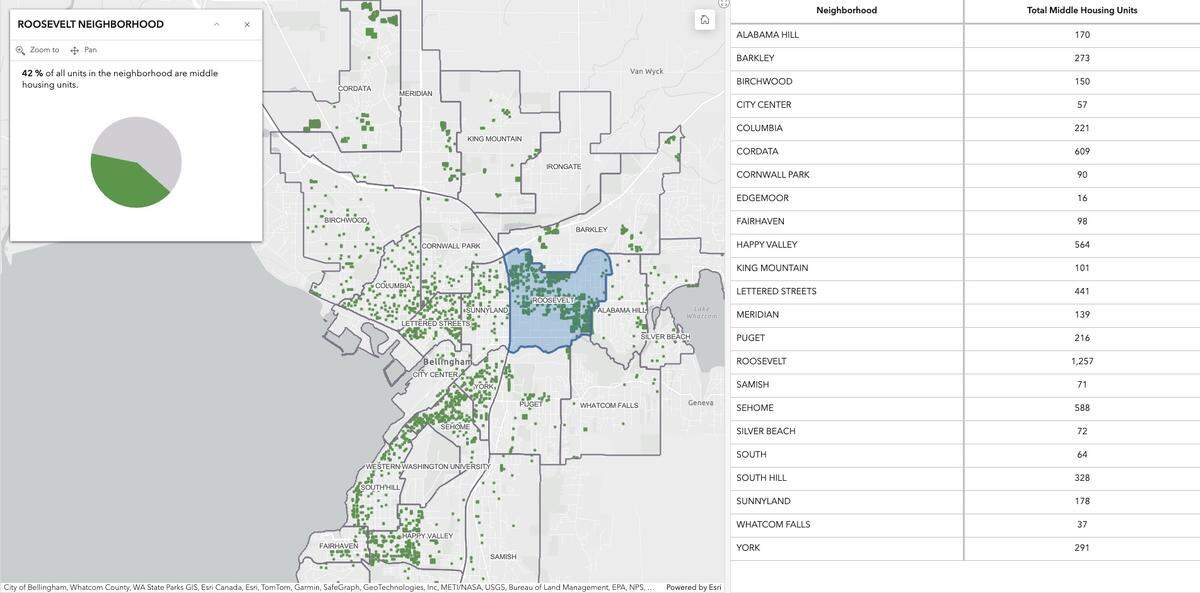
The Roosevelt neighborhood has been a popular location for this type of housing development in Bellingham. As of October, it had 1,257 middle housing units, more than twice the amount of any other neighborhood in Bellingham, according to the city. About 42% of all units in the neighborhood were classified as middle housing.
“We know that new state and local rules will result in a changing landscape for our community – and that it’s what our community is asking for,” Lyon said.
In Bellingham’s 2023 Housing Preference Survey, 58 percent of respondents said they would prefer to live in small-scale residential or urban residential areas, with diverse housing mixed with commercial services, good bicycle and pedestrian connectivity, and access to transit.
Several residents living near the proposed St. Clair Street development told The Herald they recognize the importance of additional housing in the city and would support a project with less impact on the neighborhood. Still, they cited concerns over infrastructure capacity and safety.
“We feel like some neighborhoods that are planned for higher density — like the area north of Costco or around the northern end of Cordata Parkway — they can have appropriate community spaces (parks and gardens) and can be designed for walkability and safety. We certainly see the need for all kinds of housing in Bellingham,” Wine said.
“Density should be appropriate to the neighborhood. There are neighborhoods that have the supporting infrastructure to have more density, like in north Bellingham,” Ransom said. “The more traffic and residents there are, I think there is more risk of accidents and kids getting hit.”
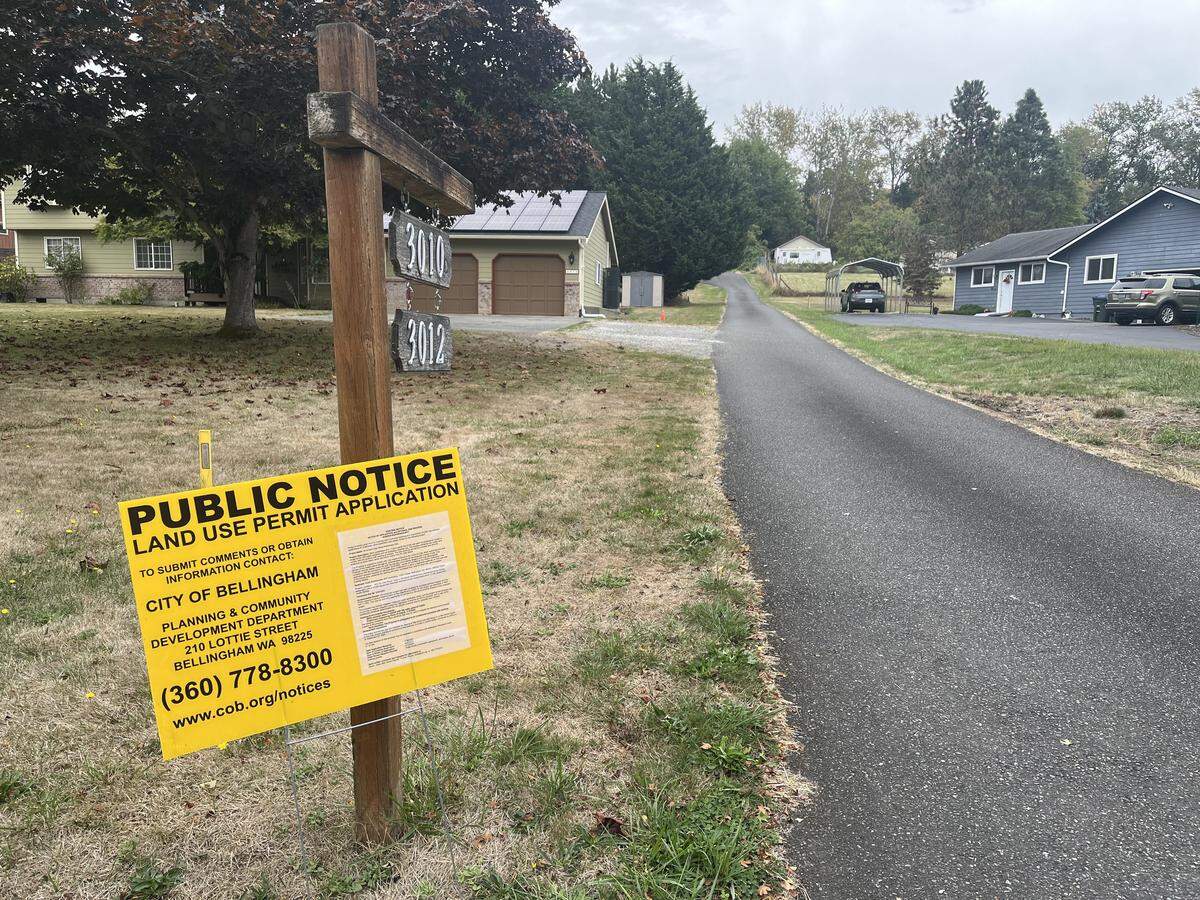
Residents also said impacted neighbors didn’t feel they received adequate notification about the project to sufficiently participate in the development process, and that when they were able to speak up, their concerns felt unheard.
“The people who already live here — it didn’t feel like we had any say,” Ransom said. “I would just want to suggest a less dense development.”
Some residents closest to the new development are faced with having to make changes to accommodate the project. They’ll adapt and cope with the changes, they said. But it won’t come without challenges.
“As for our home, this project means we will have to change our address. We will lose part of what’s been our yard for over twenty years. We might lose a large Lawson cypress tree on the edge of our property. We’ll have to put up a fence for privacy and noise abatement,” Wine said.
Lyon said additional density in a variety of housing types and price points helps the city deliver more options for its residents while also supporting walkability, protecting environmentally sensitive areas and making the best use of already-made investments in roads, water lines, schools and other infrastructure. It also gives people the opportunity to live closer to goods, services, activities and each other, he said.
“These options mean people can remain here as their needs change, young people can stay in the community where they grew up, and we can welcome in new people with new talents and perspectives that help enrich our community,” Lyon said. “There’s only so much room for Bellingham to grow on the edges, so properties within our existing city footprint that have capacity to accommodate denser housing are critical to supporting our community’s growing housing needs.”
This story was originally published October 28, 2025 at 5:15 AM.