
Rush to Whatcom County food banks begins as suspension of SNAP benefits looms
AI-generated summary reviewed by our newsroom.
- SNAP suspension set for Nov 1 will remove about $4M monthly in Whatcom benefits.
- Whatcom food banks report visits up 20%–300% and expect sharp, sustained demand.
- State redirects $2.2M weekly to food banks; leaders call for donations and advocacy.
Food banks across the country are bracing for the likely suspension of the federal Supplemental Nutrition and Assistance Program (SNAP) on Nov. 1 that will come as a result of the government shutdown that began Oct 1.
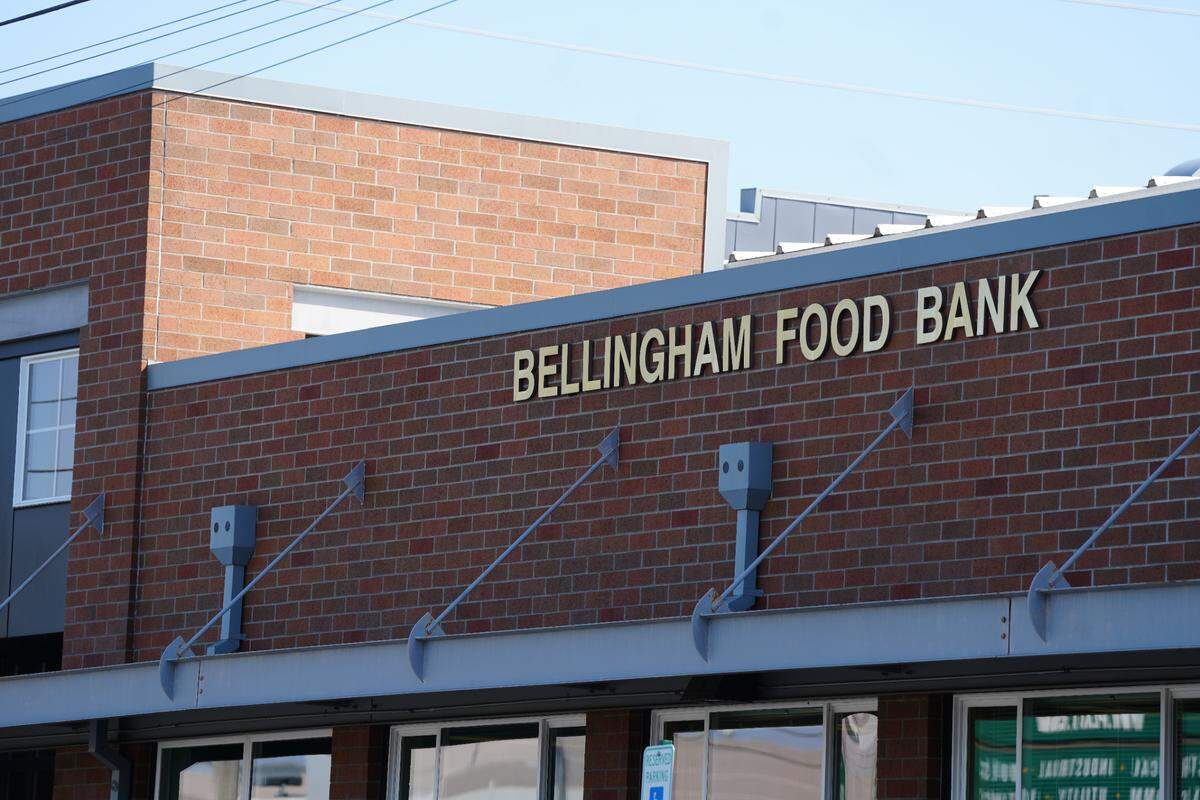
“It’s going to be a horrific loss for those SNAP families, and we are not going to come close to covering that gap,” Bellingham Food Bank Executive Director Mike Cohen told The Herald. “We are stretched really thin already because of the need in Whatcom County and how profound it is, and we are gonna still have that same need when SNAP returns in mid-November or December — whenever this game of political football ends.”
SNAP benefits, formerly known as food stamps, bolster the grocery budget of low-income families across the country. Roughly 12% of the U.S. population and about 10-12% of the population in Washington relies on SNAP benefits, according to the USDA.
In Whatcom County, that number is closer to 15%, or about 35,243 people, according to the Bellingham Food Bank website. That translates to about $4 million a month in SNAP benefits used in Whatcom County alone, according to Cohen.
On Tuesday, Washington Gov. Bob Ferguson directed the state Department of Social Health and Services to shift nearly $2.2 million per week to the Washington State Department of Agriculture, which sends the money directly to food banks across the state. The first transfer will be made Nov. 3, according to an Oct. 28 news release from Gov. Ferguson’s office.
“I’m incredibly thankful that the governor’s office is taking this essential step, but at the same time I just think we need to remind people that this is an emergency response, and it does not begin to fill the void created by the suspension of food stamps that will likely happen on Nov. 1,” Cohen told The Herald in an Oct. 29 phone interview.
In the last week, Whatcom County food banks experienced a 20% increase in shopper visits, and the Bellingham Food Bank had its largest day of service ever on Monday, Oct. 27, as people prepare for the suspension of SNAP, Cohen said.
Ferndale Food Bank estimates show 30-50% of the 2,500 households that depend on the food bank each month also receive SNAP benefits, according to Executive Director Sierra Crook. The Ferndale facility expects an increase in visits by about 50-70% at their food bank when SNAP ends.
“People are already coming to us at elevated levels because they are preparing for what is gonna be very difficult,” Crook said. “As much as what we are preparing for, the people we are serving have a really scary road ahead of them and are already using services to fill in gaps and to maintain stability and those are now threatened.”
Cohen said no amount of fundraising or food purchasing will be able to replace the gap created by SNAP in Bellingham.
Food banks are not designed to be a family’s only source of food, but rather to aid a struggling family that needs some help. However, with the possible loss of SNAP benefits at the end of the week, food banks are preparing to be some people’s only source of food, according to Foothills Food Bank Executive Director Henry Fisher, whose facility serves about 350 households every week around Maple Falls, covering about the same area as the Mount Baker School District.
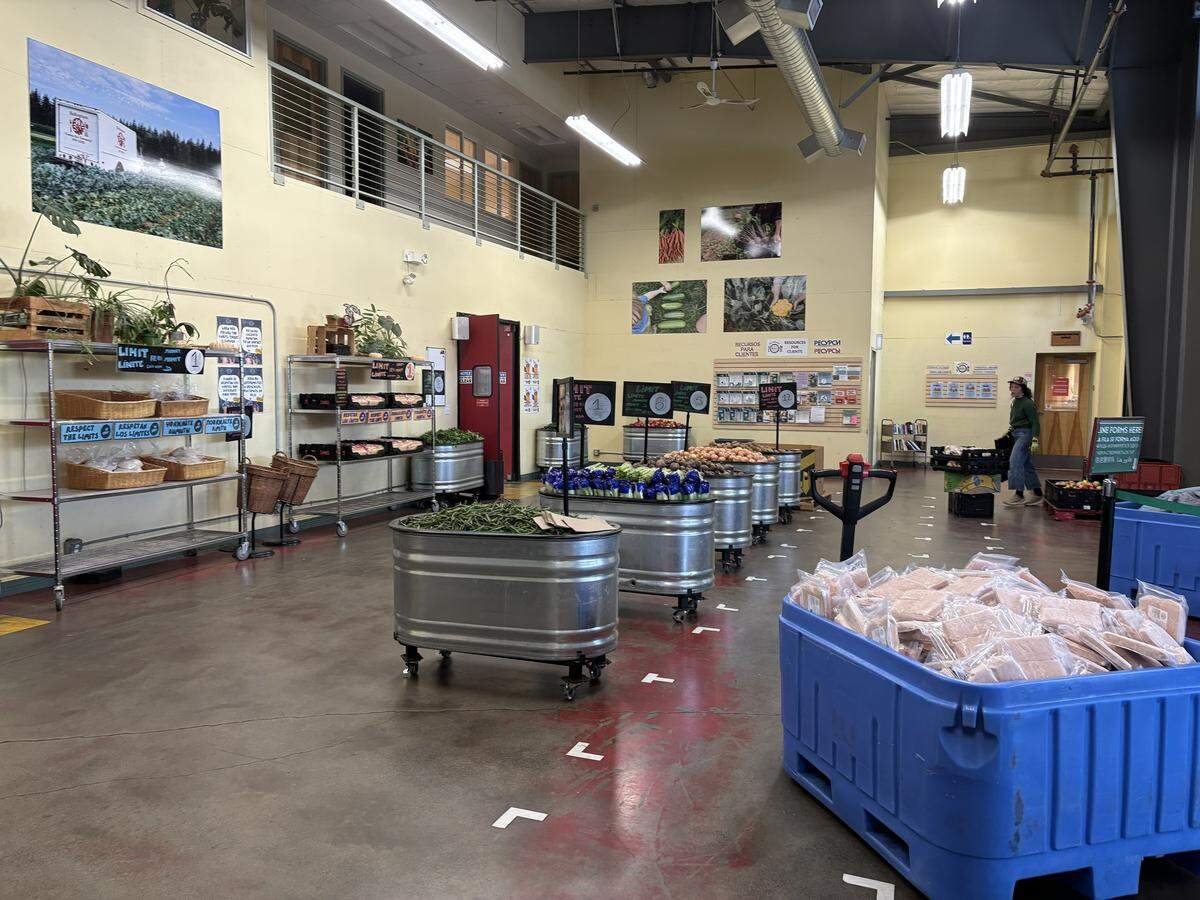
“While myself, and other food banks across the county, have been doing a really good job of rolling with the punches and meeting peoples’ needs, we have all been doing it under the assumption that what we are offering is a supplement,” Fisher said. “If SNAP goes away, then we’re not really able to be a supplement anymore. We have to expect we have to meet folks’ needs to a greater extent than we already have, and that’s significant. And that’s really scary.”
There has also been an increase in the families in need of the food bank’s services, as 40 more households have joined Foothills in the last month alone, according to Fisher.
“More people are coming in than ever,” Fisher said. “When things were a little more stable, we were looking at maybe five to 10, but this figure of 40 new households is much more similar to our rates during COVID, when food insecurity was rapidly increasing.”
For Bellingham and Ferndale, the number is larger. Before the COVID pandemic, the Bellingham Food Bank had served about 1,500 households a week. Since then there has been about a 300% increase in visitors. The Bellingham Food Bank is currently serving about 5,000 households weekly, Cohen said.
While the suspension of SNAP benefits is critical, it’s just one more crisis for food banks, according to Cohen.
“It is a new crisis, but there was a massive one there before,” he said. “I’m just nervous that folks, when this is no longer a news story, they are gonna forget that there are still 5,000 households coming to the Bellingham Food Bank every single week.”
The Trump administration abruptly cut $500 million from the U.S. Department of Agriculture’s Emergency Food Assistance Program (TEFAP) last spring. The federal program helps supplement the diets of people with low income by providing them with emergency food assistance at no cost. USDA provides 100% American-grown USDA foods and administrative funds to states to operate TEFAP.
“This (TEFAP) is sort of the primary source of no-cost food for emergency food service providers across the United States,” Fisher said. “So these cuts are impacting any food service providers that were TEFAP eligible.”
While TEFAP wasn’t the only source of no-cost food, it was the largest source for the Foothills Food Bank, which is seeing an estimated $7,000 a month funding gap caused by federal funding cuts in the spring. That number represents about a quarter of the food purchasing budget for the food bank, according to Fisher.
“I have been working my butt off to write grants and pursue community donations so that we don’t have to reduce our food availability to clients,” Fisher said. “I would say I have generally been pretty successful at that.”
Fisher is asking for donations from people to help provide fresh produce to households in the Maple Falls area.
Since the government cuts in the spring, the Foothills Food Bank has been funded primarily through state and private grants, with help from individual private donations. Fundraisers are also held every year, according to Fisher.
Fisher said he would like to make more partnerships with Bellingham businesses since the Foothills Food Bank is in a rural area.
Despite the troubles facing the food bank, Fisher wants people to know they are always welcome. He said there are many people who are eligible to use the food bank, but are worried they are taking food out of the hands of people who need it more.
The directors from three food banks in Whatcom County agree people should take advantage of the services provided by their food banks, and that they won’t be taking the food away from others who need it more.
“The food bank is absolutely for everyone. If you have ever thought: ‘Should I use the food bank?’ then you should probably use the food bank,” Crook said. “Even the decision to say ‘I can skip this meal,’ if you are making those decisions, then you should come use the food bank. We have lots of different ways of getting food. You won’t be taking anything from anyone.”
Those looking to donate to food banks can do so through their websites. While food banks will not turn down a food donation, they prefer monetary donations as they usually have greater buying power than individuals, according to Fisher.
Cohen also suggests people consider calling their federal representatives regarding the suspension of SNAP benefits, and to help out people in their community.
“Taking care of the people closest to them can help more than one thinks. It won’t solve the problem but can build and strengthen relationships with neighbors, family, work peers, etc.,” Cohen said.
Whatcom County food banks
- The Bellingham Food Bank is open from 10 a.m. to 6 p.m. Monday, Wednesday and Friday at 1824 Ellis St.
- The Ferndale Food Bank is open 9 to 11 a.m Monday, Wednesday and Friday at 1671 Main St. in Ferndale.
- The Foothills Food Bank is open 8 to 11 a.m. Tuesday and 4 to 7 p.m. Thursday at 8255 Kendall Road in Maple Falls.
- The Lynden Food Bank is called Project Hope and is open 9:30 a.m. to noon Monday and Friday, and 3 to 6 p.m. Tuesday at 205 S British Columbia Ave. in Lynden.
This story was originally published October 29, 2025 at 11:25 AM.
.jpg)