How Whatcom County contained two measles cases and prevented an outbreak
AI-generated summary reviewed by our newsroom.
- Whatcom County contained two measles cases through rapid response and protocol.
- Health officials identified 33 contacts and spent 320 hours on containment efforts.
- Low MMR vaccination rates in kindergartners leave region vulnerable to outbreaks.
When Dr. Meg Lelonek got a phone call telling her that the staff at a Lynden doctor’s office might have seen a patient with measles, a flood of thoughts rushed through her head.
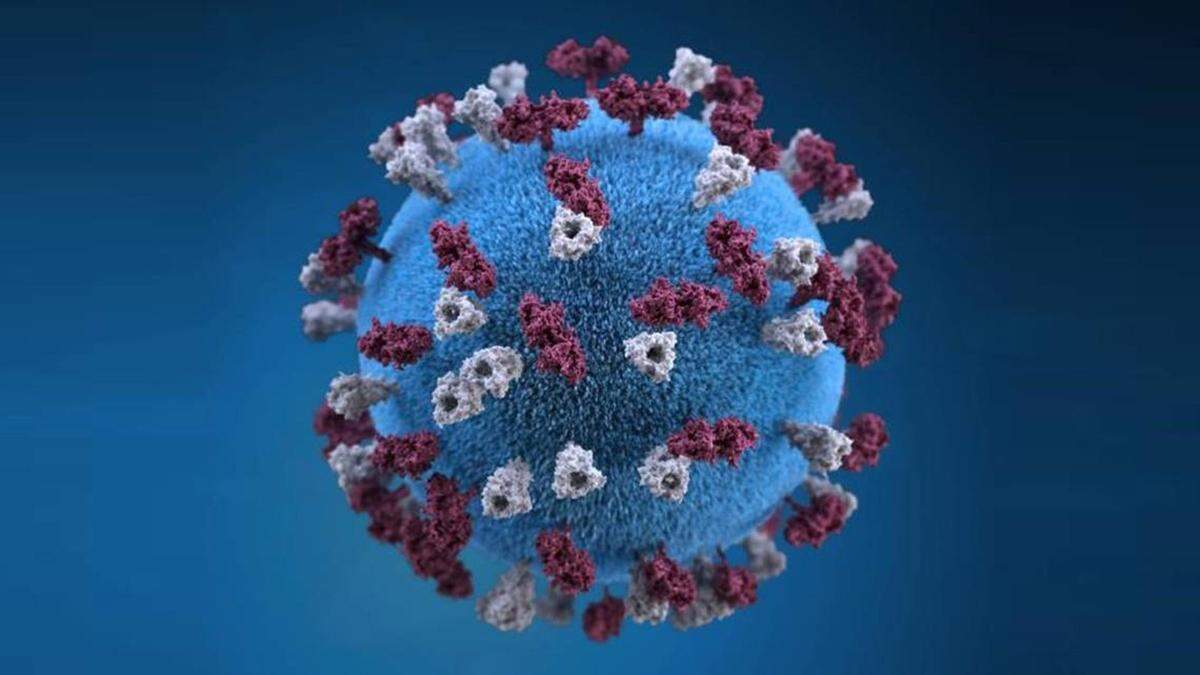
It was 9 p.m. June 18, the night before a three-day holiday weekend and barely a week after school let out for the summer. Measles is one of the most contagious of all infectious diseases and can have life-altering consequences. It’s a nasty little bug, an airborne virus that lurks in a room for two hours after the carrier leaves. It can be transmitted for four days before and four days after the classic rash develops, and symptoms can lie dormant in an exposed person for up to 21 days post-contact.
Lelonek tried not to wonder if things were already out of control. Instead, she remembered her training.
As one of Whatcom County’s two health officers, Lelonek would be a key part of the effort to prevent an outbreak — which is defined as three or more cases. In a recent meeting of the Whatcom County Council and in an interview with The Herald, Lelonek described how a team of local medical professionals and others found and isolated people who might be infected. Their efforts over the first 48 to 72 hours were crucial, and by July 9 the scare was over.
To fend off an outbreak, they relied on trust they built with the patients and lessons they had learned during a recent tabletop scenario.
“My first thought was probably a word I shouldn’t say in County Council. It was like, ‘Oh no!’” Lelonek said Monday, July 28 in a presentation to the council, acting in its dual role as the Health Board.
Then she started to go through the checklist of steps that would be required to avert a public health nightmare like the one unfolding in Texas, where more than 750 people were infected, two children died and several others were hospitalized.
“If there was one initial thing I would say, I’m really glad we prepared for this,” Lelonek told The Herald.

Going by the book
Things went by the book from Day One through three full weeks of watching, waiting and “checking every box” of steps laid out in the disease management protocol, Lelonek said. Things went right from the beginning, as staff at Family Care Network’s urgent care clinic suspected that the symptoms could be measles and ushered the patient from the waiting room to an exam room. They made sure that everyone involved in patient care was taking precautions and closed off the exam room after the patient left.
“I was really impressed by how (Family Care Network staff) handled the situation. They immediately recognized the situation and followed the appropriate infection-control procedures to limit any spread,” Lelonek told The Herald via Zoom.
Family Care Network’s chief medical officer, Dr. Deborah Roessler, told The Herald the medical group “proactively” reviewed its policies earlier this year and provided additional training for recognizing measles and other communicable illnesses.
“Our staff and clinical teams did an excellent job responding to the measles case. They immediately and correctly identified concerning symptoms and followed established protocols, ensuring the patient received the care they needed while also protecting others. We also worked closely with Whatcom County Health and Community Services, who provided a high level of support and guidance throughout the response,” Roessler said in an email.
That cooperation and a resulting climate of trust proved critical to isolating the two measles cases.
Was it measles?
To isolate the cases, Lelonek first needed to confirm that they truly were dealing with measles — a step that required a nasal swab. Meanwhile, she went through a checklist of steps to take, people to notify and resources to muster.
“Unfortunately, we weren’t able to obtain a sample during our first visit with this person, but we were able to really mobilize right away,” Lelonek said.
Health Department staff members and officials with the Whatcom County Sheriff’s Office Department of Emergency Management were brought into the loop. They sought guidance using the Incident Command System, a government protocol for managing wildfires, earthquakes and other natural disasters.
And they got to work — they had identified 33 people who may have been infected.
Lelonek reached out to the affected family’s “primary medical provider” — it’s unclear if that was a physician or nurse practitioner or physician’s assistant — who persuaded the family to have faith in Whatcom County health officials. They got a nasal swab.
“The household that was involved really didn’t want to speak with us at first,” Lelonek said. “It’s not completely surprising. If the government or health care calls, not everybody wants to answer their phone, right? Not everyone wants to start those conversations with us.”
Entering Day Two
It would be another day before Lelonek would learn whether they actually were dealing with measles. Still, there was no time to lose. Health Department officials already had a checklist for moving forward:
- Report the suspected infection to the state.
- Interview the patient(s) and get a history of their health and movements.
- Contact people who may have been exposed in the clinic waiting room and other places.
- Evaluate each patient’s risk.
- Notify the public.
- Provide support and guidance for the patient, the patient’s family and others who were faced with isolation during the three-week quarantine period.
On Day Two, the measles infection was confirmed and the first announcement was made at the Whatcom County government website and on its social media.
“The individual is currently isolating at home and is not believed to pose a continued risk to the community,” the notice stated. “Exposed individuals are being contacted through WCHCS, and the risk to the public is considered low at this time. Whatcom County Health and Community Services will share more details as this case develops.”
Total cost: $24,000
A crush of effort was required in the first few days from nurses, managers, the communications team and others, but within a week things returned almost to normal. Ultimately, Lelonek and her staff spent 320 hours and $24,000.
“This is a really conservative estimate of how much money we spent during this time,” Lelonek told the County Council. “Any non-urgent work gets dropped. This is a lot of time. This is a lot of things that we took off our plate or pushed aside so we could really work through this investigation.”
Due to medical privacy laws and customs, no personal information about the patients was released, including their names, ages, genders, vaccine status and where they live.
However, it is known that two people from a single Whatcom County household were infected and that they contracted measles from an international visitor who showed symptoms after leaving the home. No one else who was in contact with them was infected. Neither patient was hospitalized, and both have recovered.
This year there have been 10 confirmed measles cases in Washington across three counties (King, Snohomish and Whatcom), according to the state Department of Health. There have been no outbreaks in Washington this year.
Herd immunity lacking
This summer’s measles scare could have been much worse, and still could be.
With an 82% vaccination rate in 2024-25 among kindergarteners for MMR — which prevents measles, mumps and rubella — Whatcom County is far below the 95% benchmark for so-called herd immunity. In Texas, the vaccination rate among kindergartners is 82%, according to The New York Times.
Whatcom County vaccination rates at kindergarten age for both doses of the MMR vaccine range from 90% in Blaine to 81% in Bellingham and 72% in Nooksack Valley, according to data from the Washington State Department of Health.
Many people tend to think measles is a benign childhood illness but it can include serious health complications, including pneumonia — the leading cause of death among patients — and it can lead to brain infections, vision problems, hearing loss or deafness, said Dr. Amy Harley, the county’s other health officer.
Before a vaccine was invented in 1963, measles killed 4 million people every year worldwide and about 500 in the U.S. The measles vaccine is safe and almost 100% effective and adverse reactions are rare.
“I think our county is vulnerable to a measles outbreak due to our vaccination rate in kindergartners,” Harley told The Herald in February.