Measles found in King County. Low vaccination rates mean Whatcom County risks an outbreak
With a deadly measles outbreak in Texas, health professionals in Whatcom County are reminding residents that the best defense against the disease is vaccination, a metric that’s been lagging here for some time.
Measles was confirmed Thursday in a King County infant, health officials said. An unvaccinated school-age child is dead and 18 people are hospitalized in Texas, where at least 124 people are infected with the painful and highly contagious disease.
Measles, which kills 1 to 3 people of every 1,000 who are infected, was declared eradicated in the U.S. some 25 years ago. A vaccine recommended for young children can prevent it, but low vaccination rates mean that occasional outbreaks are inevitable, local and federal health officials said.
“I think our county is vulnerable to a measles outbreak due to our vaccination rate in kindergartners,” said Dr. Amy Harley, a pediatrician who is Whatcom County’s health officer.
There’s even more concern about measles and other preventable diseases because vaccine skeptic Robert F. Kennedy Jr. was confirmed recently as secretary of Health and Human Services.
In Whatcom County, rates hover at 81% for both doses of the measles, mumps and rubella vaccine — well below the federal target level of 95%, according to data from the Washington State Department of Health.
In Texas, the vaccination rate among kindergartners is 82%, according to The New York Times. It’s at 87% for 2-year-olds in King County.
Not many places around the United States are even close to the 95% vaccination rate that’s required for “herd immunity” — meaning that Whatcom County isn’t alone, said Jake Brandvold, an epidemiologist with the Whatcom County Department of Health and Community Services.
“So far, there hasn’t been a resurgence of it, but it’s not necessarily a risk that is new in public health,” Brandvold said in a Feb. 13 Zoom interview with Harley.
Sporadic outbreaks of measles are seen in the U.S., mostly imported cases and in areas where vaccination rates are low. Most recently, a 2019 outbreak in Clark County sickened 71 people.
“Most of the measles cases occur in those who are unimmunized or under-immunized during these outbreaks,” Harley said.
Measles isn’t just like a cold — it is painful and carries health risks such as pneumonia, encephalitis and other neurological disorders that can lie dormant in a measles patient for years.. More than 100,000 people die of measles every year around the globe, Harley said.
“Hospitalization is common and severe complications can occur, like pneumonia and brain inflammation,” she said.
Required vaccines
According to the Washington state Department of Health, the following vaccinations are required for school attendance, unless a waiver is obtained: chickenpox, diphtheria, German measles (rubella), haemophilus influenzae type b, hepatitis B, measles, mumps, pneumococcal disease, polio, tetanus and whooping cough.
A region’s or school district’s vaccination rates can vary depending the age range of people in the data, and the disease that’s being tracked, Harley said.
Blaine schools lead Whatcom County with a 93.6% overall vaccination rate among kindergartners in the 2023-24 academic year, according to state figures. Nooksack Valley is last with 77.8%. Bellingham stood at 82.2%.
Whatcom County stands at 86% vaccination for children in kindergarten through high school, state figures show.
“Before the introduction of the measles vaccine in 1963, there were about 500,000 cases per year in the U.S. and 500 measles-related deaths,” the county Health Department’s Ron Warner told The Herald in an email.
What is measles?
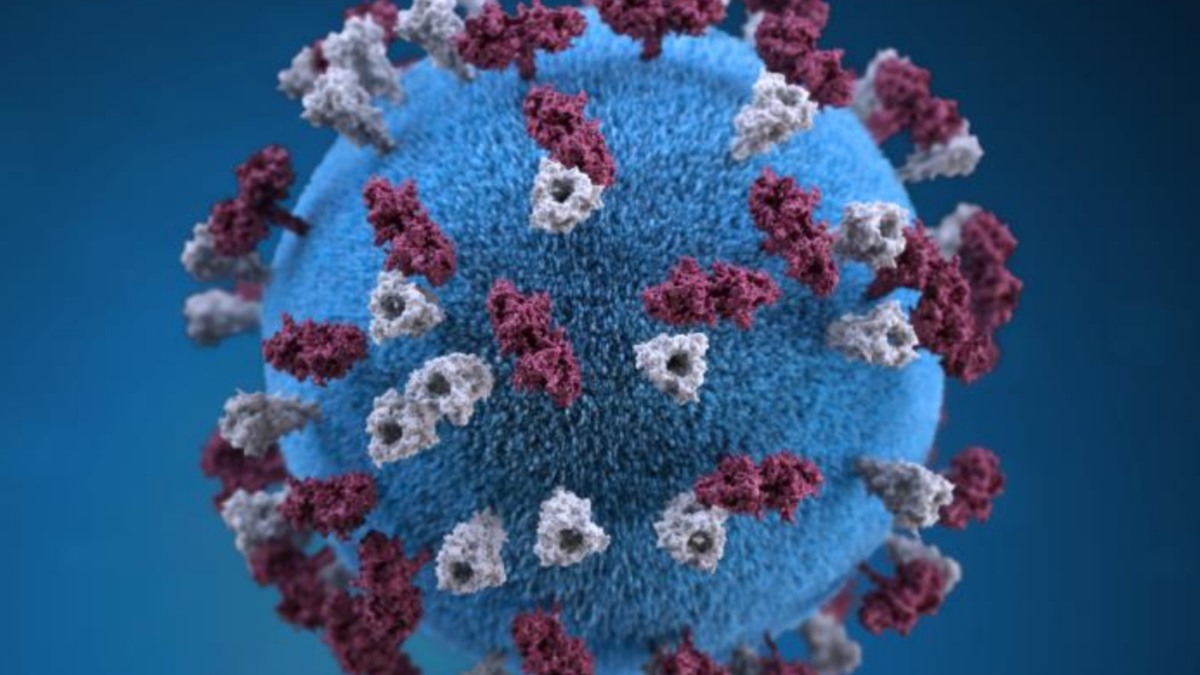
Measles is a viral infection that’s serious for small children but is easily preventable by a vaccine that’s about 98% effective, according to the U.S. Centers for Disease Control and Prevention.
The disease spreads through the air by coughing or sneezing. An unvaccinated person can catch measles up to two hours after an infected person has been in the room.
One person with measles will infect 12 to 18 people, according to Johns Hopkins University. By comparison, one person with COVID-19 will infect about three people, according to the National Institutes of Health.
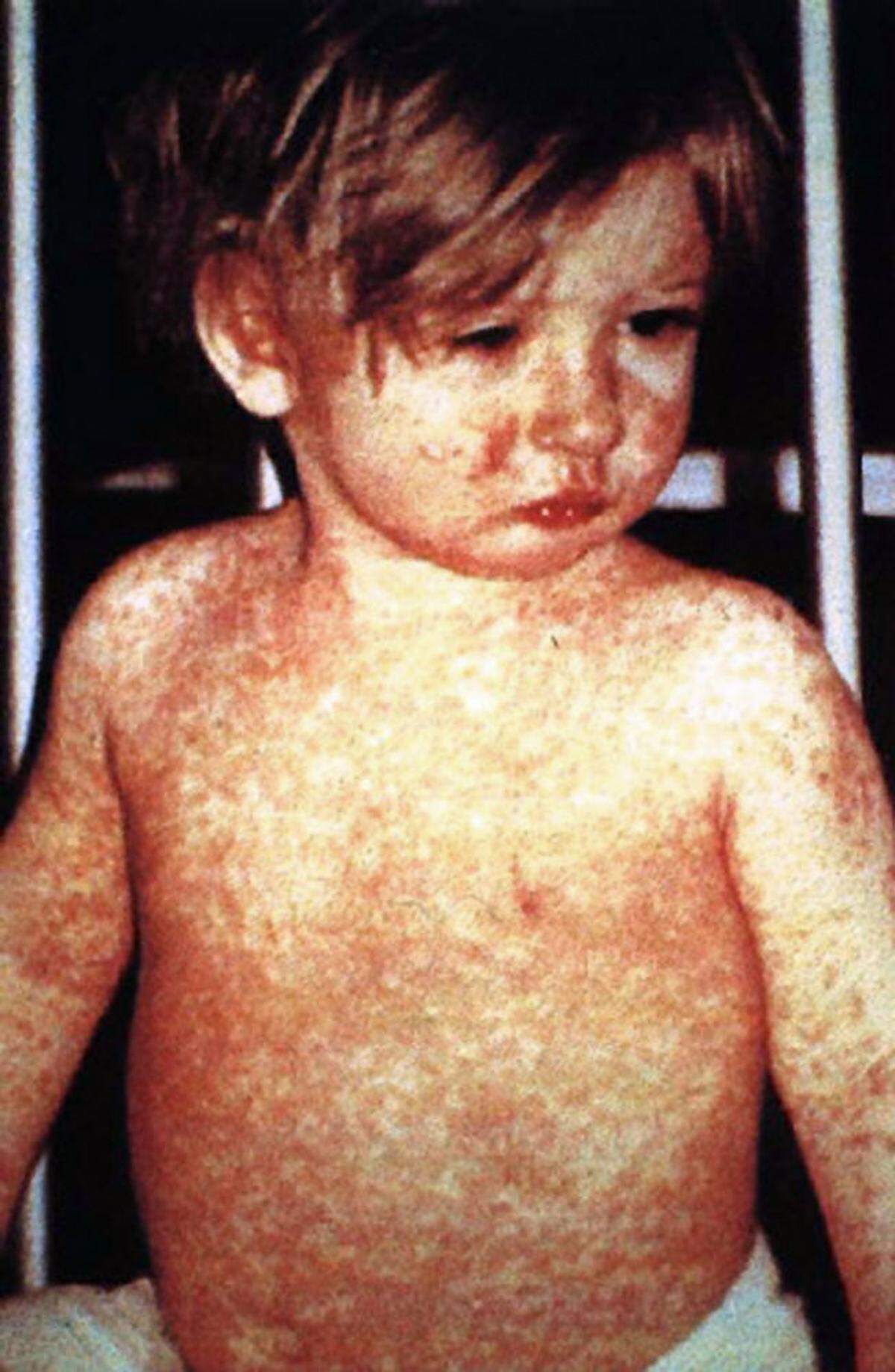
Symptoms start to appear seven to 14 days after exposure. They include coughing, runny nose, inflamed eyes, sore throat, high fever and a red, blotchy skin rash.
There’s no treatment, but over-the-counter fever reducers or vitamin A may help with symptoms.
Available vaccinations
Vaccines against childhood diseases are free for those up to age 18 in Washington, and Whatcom County offers free clinics for those who can’t afford or don’t have access to a doctor.
The state Health Department’s Care-A-Van program also visits Whatcom County regularly, providing no-cost vaccines to those who qualify.
Two doses of measles vaccine are recommended, starting at one year to 15 months, with the second dose at four to six years. Two doses provide the best protection.
“According to data from the schools, 87% of Whatcom County kindergartners are up to date on their measles vaccine versus 91% in Washington state,” Warner said.