Whatcom County again preps to operate severe weather shelter for unhoused
AI-generated summary reviewed by our newsroom.
- Whatcom County will again operate a winter shelter due to lack of outside partners.
- Officials plan to hire temporary staff, reduce beds, and increase guest services.
- The county has $550,000 in state funding to support shelter operations in 2025.
No organization has stepped up to operate a severe weather shelter for unhoused people next winter, so Whatcom County officials will be tasked with the project for a third straight year.
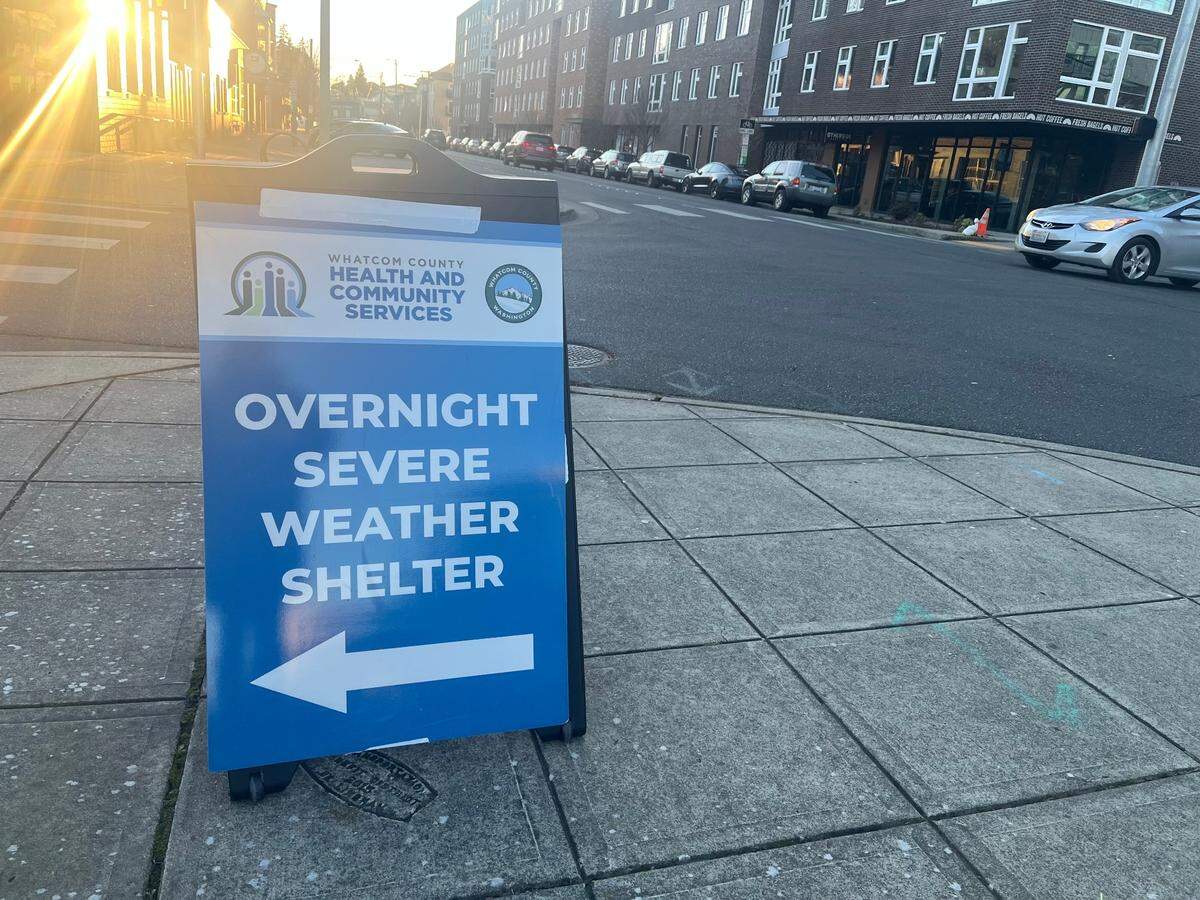
In an online statement Wednesday, the Whatcom County Department of Health and Community Services Department said it is in talks to lease a site for its severe winter shelter. It plans to hire and train staff for the winter season.
“We are committed to filling this need for the coming winter as best we can by providing a safe and compassionate space for our unhoused neighbors during the coldest nights of the winter. We recognize this added capacity will not fully meet the need, but will be able to provide a layer of added shelter capacity during our coldest nights,” the Health Department said in its statement.
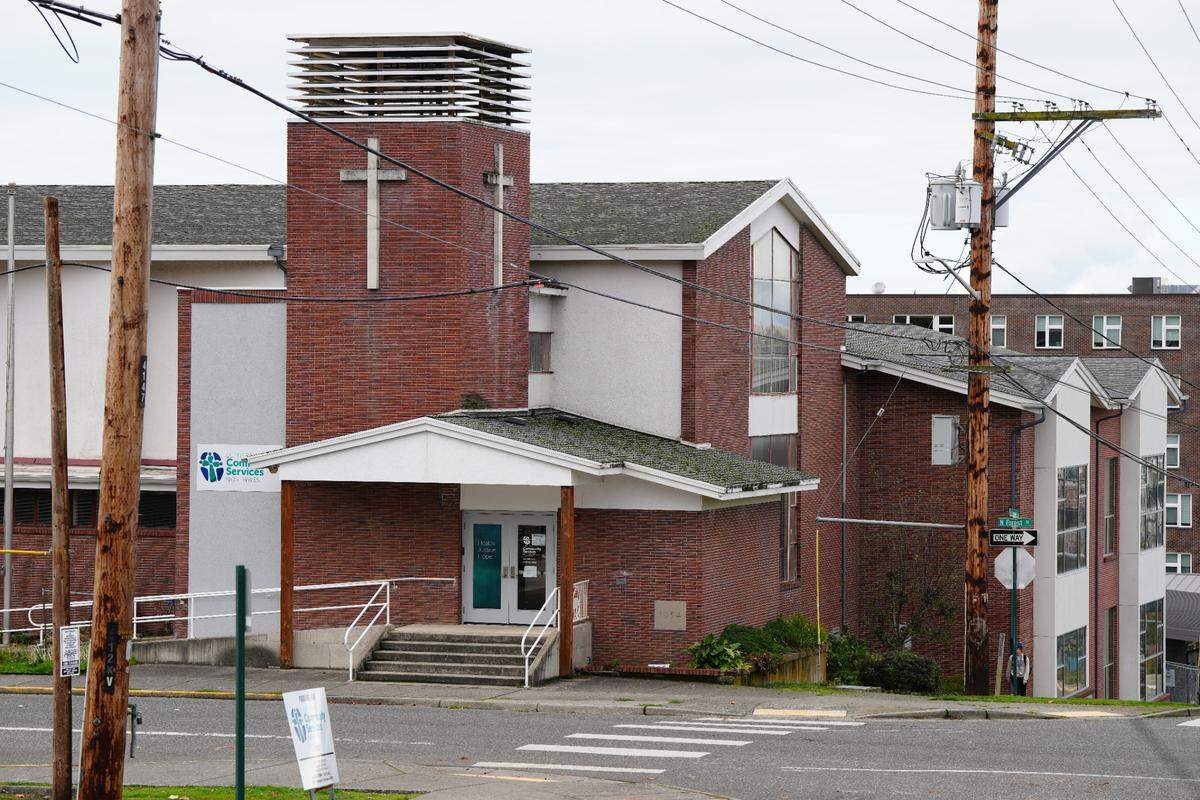
A location for the shelter wasn’t announced since the contract isn’t final. That was expected by September.
Whatcom County had $550,000 to spend on shelter operations in a grant from the state Department of Commerce, the Health Department’s Ann Beck said in a Tuesday presentation to a meeting of the Whatcom County Health Board and the Public Health Advisory Board. The Health Board is composed of County Council members.
“It is a giant undertaking and it takes a toll,” Beck said.
Over the past two years, the county has used its own employees and volunteers to staff the shelter, which opens during extremely cold weather.
But the county is hiring and training staff now for temporary full-time work and it will be more expensive, Deputy Executive Kayla Schott-Bressler told the Health Board.
“We can’t continue to stretch our staff so thin in the operation of the winter shelter. We have had folks up all night and then coming in to do their day jobs. So we are likely looking at a more expensive model,” she said.
In addition to hiring more staff, the Health Department plans to:
- Have morning transportation so overnight guests can leave the shelter and access daytime services. Last year, neighbors complained about guests lingering near the shelter after overnight operations ended.
- Increase its food donation program.
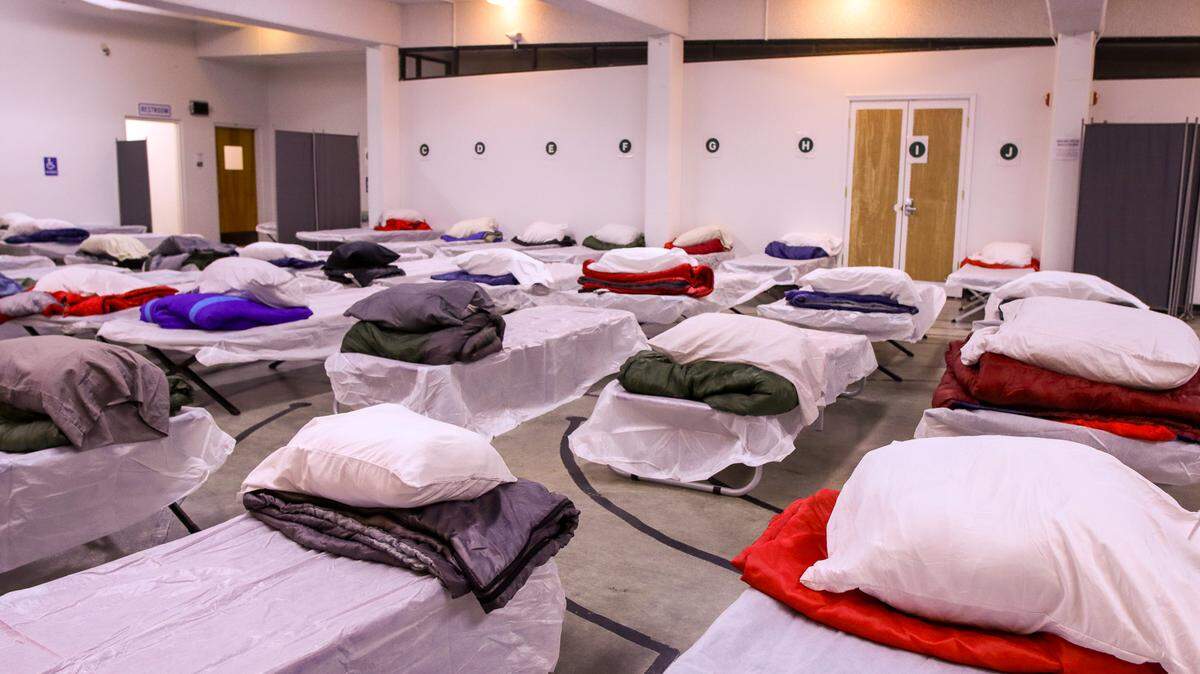
- Reduce the number of beds from 80 to 60 “to increase safety and sustainability and allow the shelter layout to include more space for on-site services.”
Last winter, the county-run shelter had 2,287 overnight guests over 27 nights, according to data that the Health Department reported.
It was filled to capacity for 24 nights, and held 104 people on its busiest night, including people in cots and those who warmed themselves in the lobby.
Its criteria for opening was a forecast low of 32 degrees or colder for four hours or more. Wind chill and the possibility of rain or snow was taken into account.
Staffing included 20 people hired for the season, 24 full-time Health Department employees who worked overtime, and 45 volunteers.