Surplus food? Sustainable Connections delivers it to Whatcom hunger relief organizations
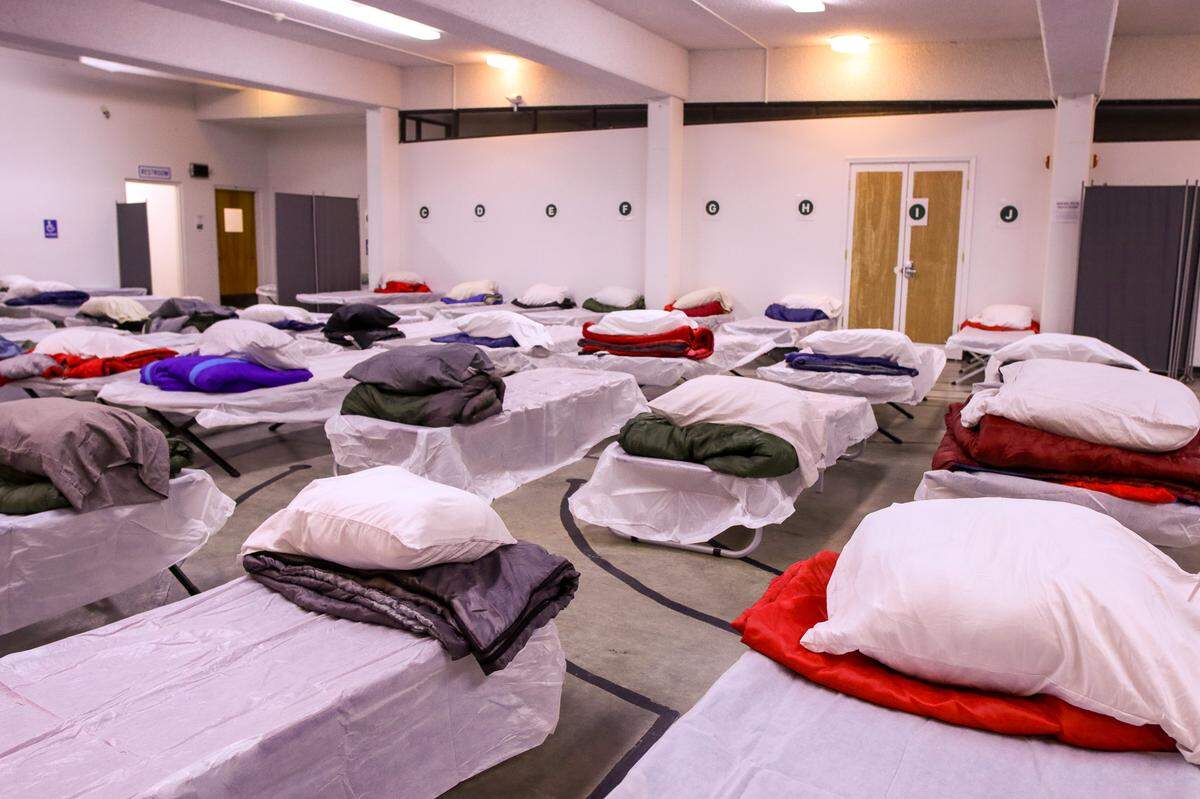
Whatcom County’s Severe Weather Shelter is open during the cold season between November and March. It can serve about 70 people when overnight temperatures are expected to fall to 32 degrees Fahrenheit or below in Bellingham.
The unhoused individuals staying at the shelter this year are also getting hot meals for free thanks to a partnership between Whatcom County Health and Community Services, Bellingham Public Schools, and local nonprofit Sustainable Connections.
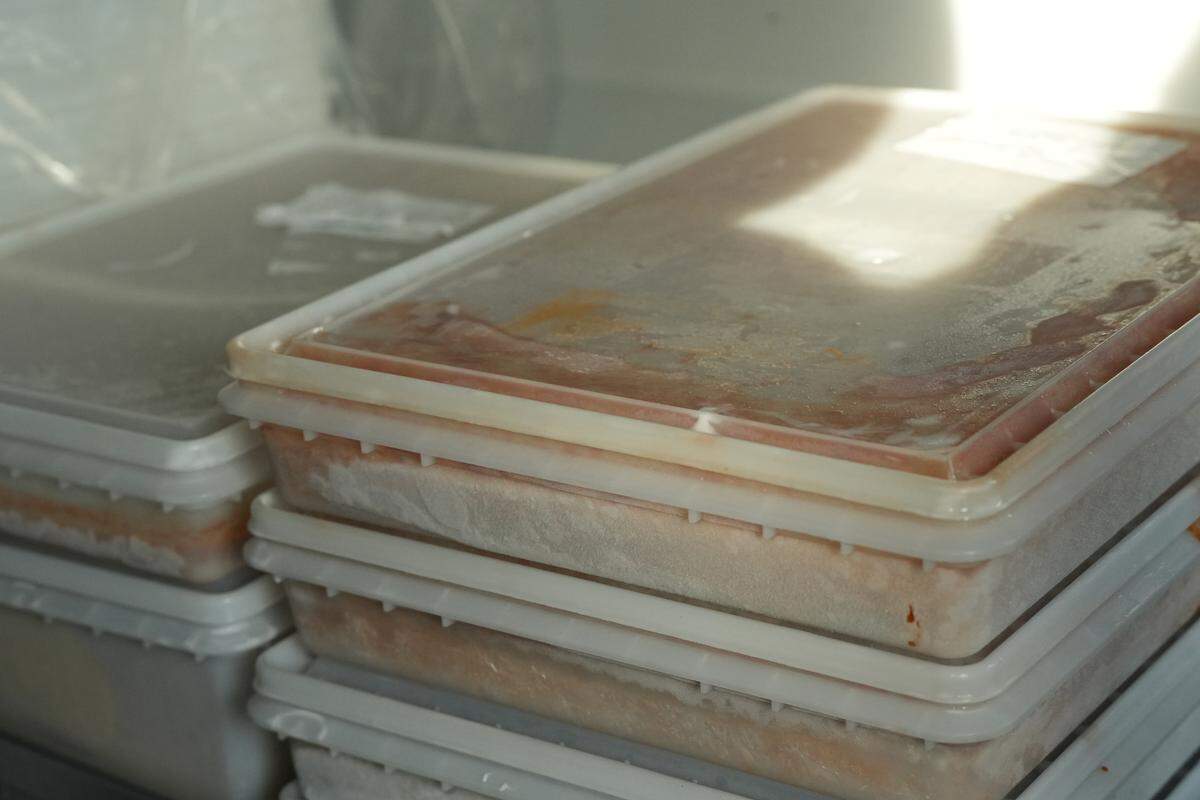
Twice a week, Sustainable Connections volunteers head to Bellingham Public Schools’ central kitchen, where food is produced for the district’s 22 schools. Any surplus food the students don’t eat is returned to the facility, kept frozen and prepared for volunteers to pick up and bring to agencies across the county that serve food-insecure individuals like those staying at the shelter.
“These meals improve people’s health drastically,” said Whatcom County Housing and Homelessness program specialist Michaela Mandala. “Everyone who comes here is lacking food access so they’re all undernourished and not getting the daily meals they need. When they come here, they eat, get a full night’s rest, and are ready to go for the next day.”
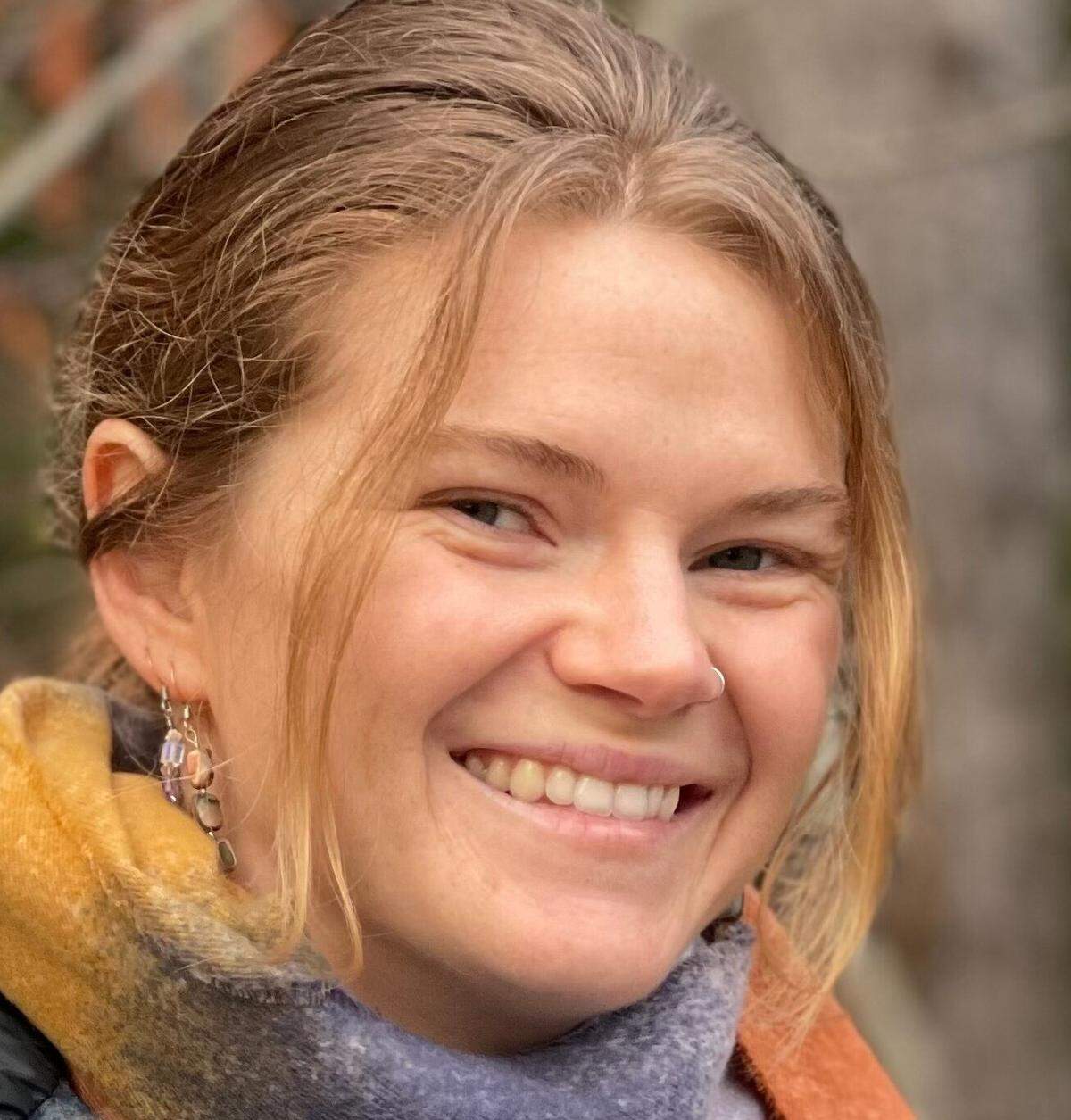
The Sustainable Connections Toward Zero Waste coordinator Chelsea Hilmoe told The Herald this program is particularly unique because it supports multiple community goals around sustainability and food insecurity.
“We are preventing edible food from going to waste in landfills, which are one of the biggest contributors to greenhouse gas emissions. But at the same time, we’re able to feed so many people really good, warm food. So, it’s a win-win, we get to help the environment and our people,” Hilmoe said.
in 2019 alone, 66 million tons of wasted food was generated in the United States in the food retail, food service, and residential sectors, according to the Environmental Protection Agency. Most of the waste — about 60% — was sent to landfills.
In the United States, food waste is estimated at between 30 and 40 percent of the food supply, according to the U.S. Department of Agriculture.
In 2015, the USDA joined with the EPA to set a goal to cut the nation’s food waste by 50 percent by the year 2030.
Sustainable Connections isn’t just doing this work with Bellingham Public Schools and the County’s Severe Weather Shelter. The nonprofit’s Food Recovery Program has been redistributing surplus food to the community since 2017.
More than 40 local restaurants, markets and organizations donate regularly to the program which brings the food to about 20 local hunger relief agencies including 22 North, the Lighthouse Mission, and several tiny home villages.
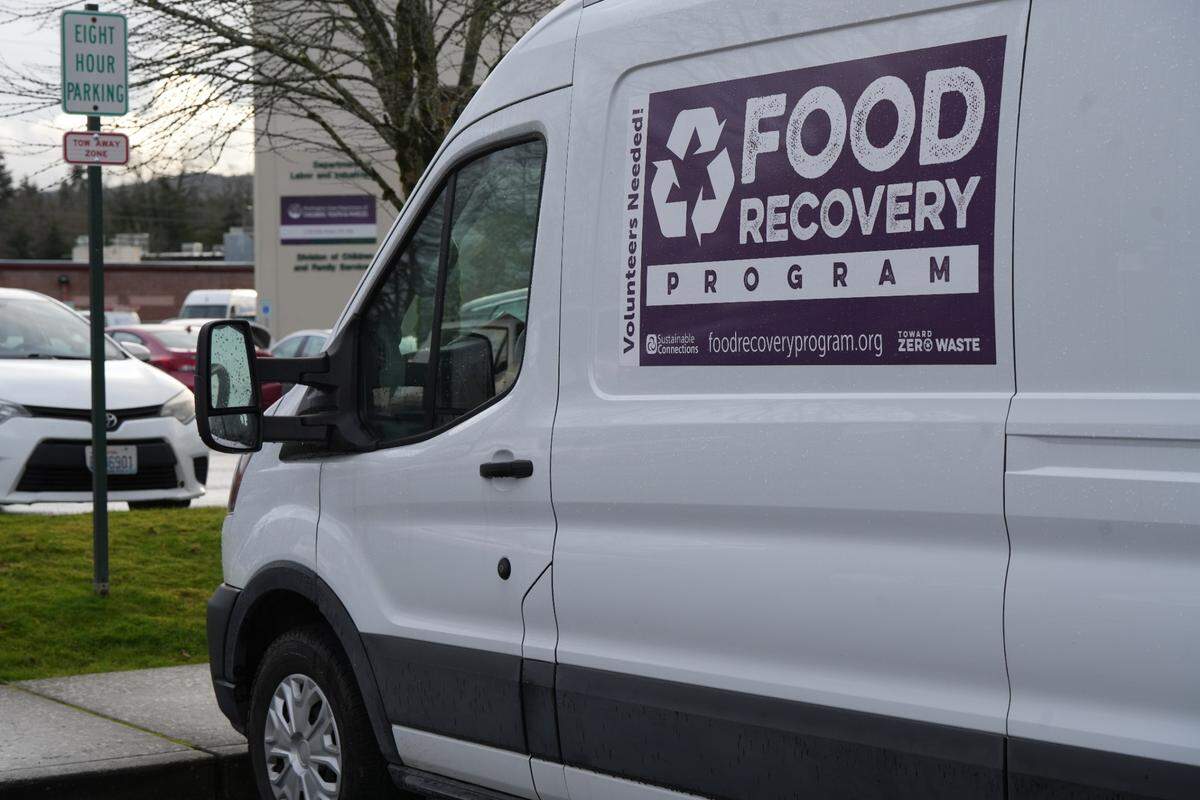
The program diverts about 230,000 pounds of food each year and has diverted about 1.3 million pounds of food since the program began, according to Hilmoe.
“All of this food is edible and good. There is a lot out there that’s available and can be diverted,” Hilmoe said. “Everyone deserves good food and I love that we’re able to make that happen.”
Hilmoe told The Herald the Food Recovery Program relies on more than 50 active volunteers to deliver the surplus food. Individuals interested in volunteering with Sustainable Connections as a food recovery driver can sign up at the nonprofit’s website.
This story was originally published December 23, 2024 at 5:00 AM.