Indigenous families continue fight against eviction amid Nooksack disenrollment dispute
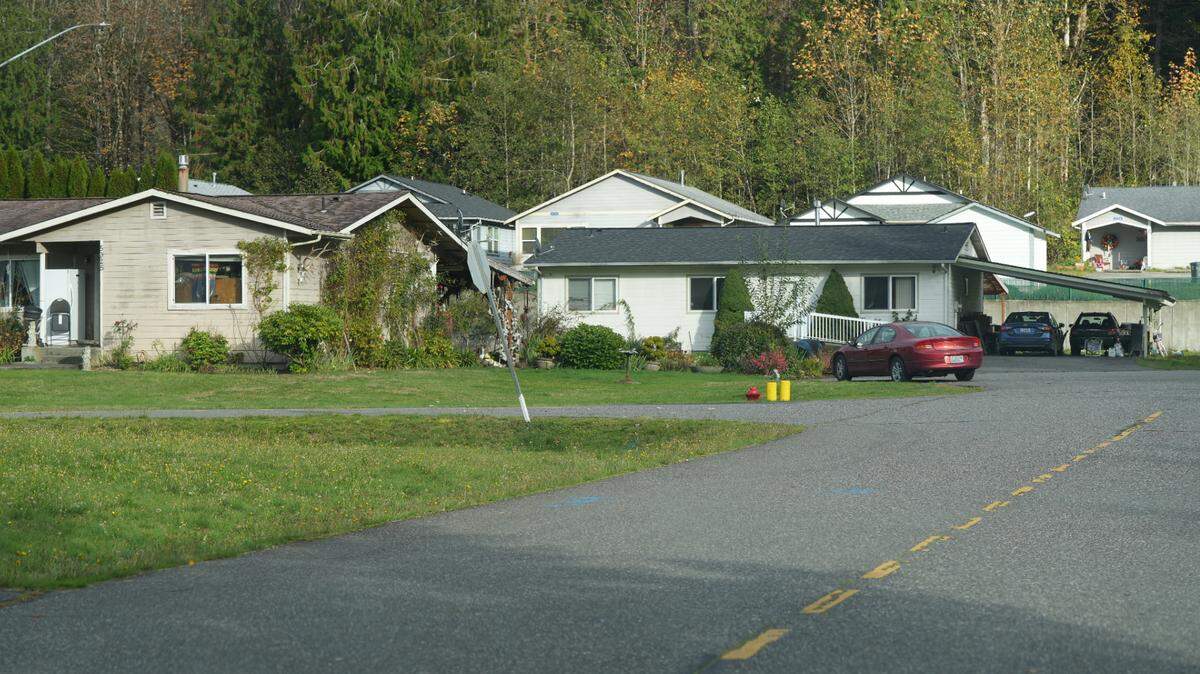
More than 20 Indigenous people from seven households are once again facing eviction from their homes on Nooksack Tribal land in Deming after a years-long legal battle concerning the families’ enrollment in the tribe.
The families have lived in their homes since the late 1990s and early 2000s, renting over decades through the federal Low-Income Housing Tax Credit (LIHTC) program, with the hopeful goal of eventual ownership.
Eventual Tenant Ownership (ETO) is an option in the LIHTC program that allows a property owner to elect to make rental units available for purchase by residents after an initial 15-year period of renting.
A question of Tribal enrollment
All of the families could have had the option to purchase their homes from the tribe after 15 years of renting. But in 2016, the families were among more than 300 people disenrolled from the Nooksack Indian Tribe — a decision made by a council that was considered illegitimate by the federal government at the time.
“My folks were never legally or lawfully disenrolled,” said Gabriel Galanda, attorney for the families for more than a decade, in an interview with The Bellingham Herald.
That disenrollment decision has effectively kept the families from being able to qualify to purchase their homes and further allowed Nooksack authorities to evict the families entirely.
“These are homes that, from their point of view and my point of view, they are entitled to own. They should have received deeds by now rather than eviction notices,” Galanda told The Herald.
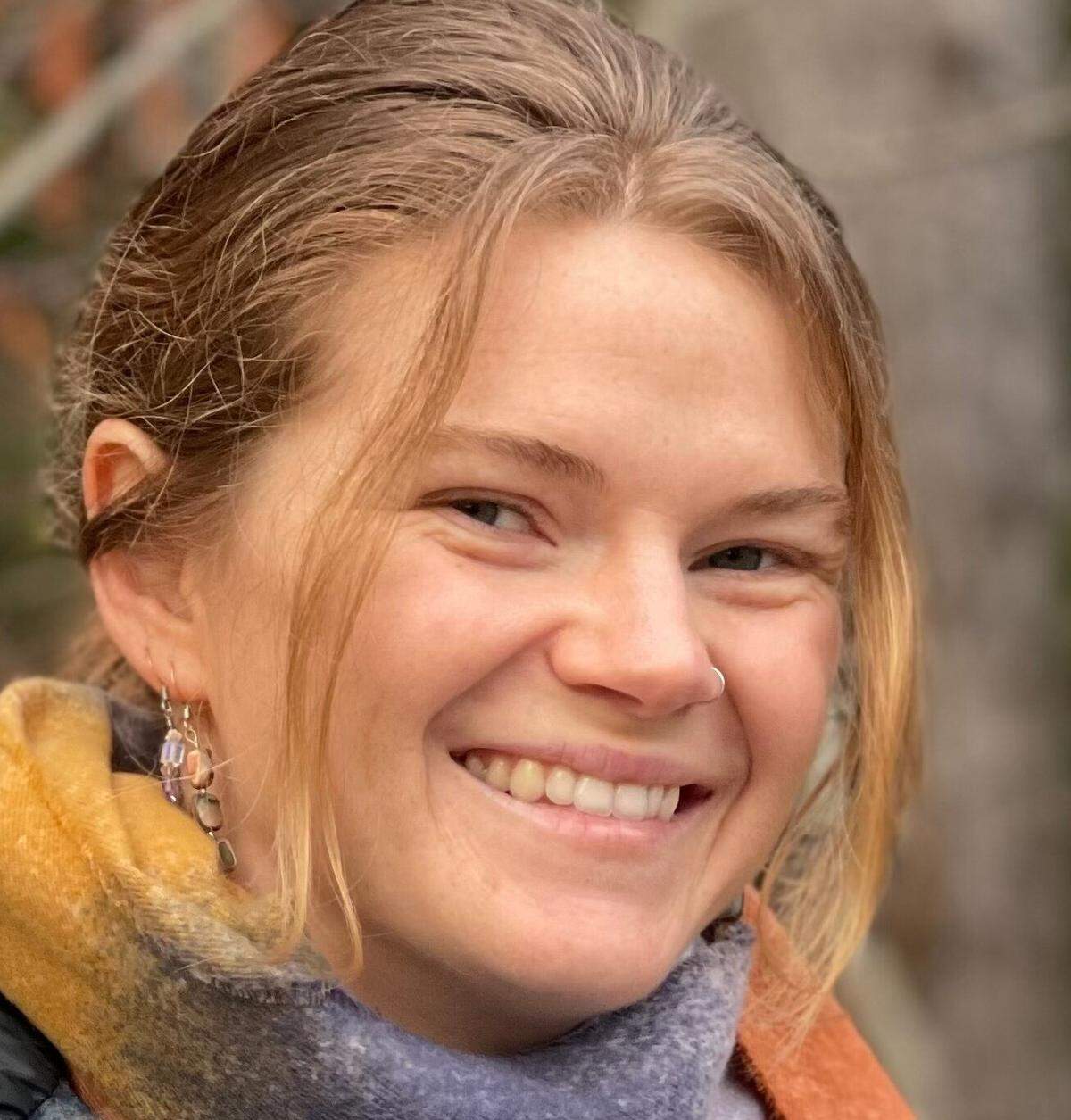
Michelle Roberts, one of the residents faced with eviction who self-identifies as a Nooksack Tribal member, has been the families’ court advocate for more than a decade.
“Nooksack is kicking us out and erasing our history like we were not even here — violating our human rights and due process through the legal system,” Roberts said in an interview with The Herald. “I wish there was a solution to all of that.”
“We just don’t want to give up our fight and our homes,” Roberts said. “We should have equity in there. Some of us have been here for almost 30 years now.”
Tribal leaders say the families were incorrectly enrolled in the 1980s and have not provided adequate proof of their lineage, something Nooksack requires as eligibility for the families to live in tribal housing.
Roberts told The Herald the families have significant documentation proving their Tribal lineage but she said the Tribal Council refuses to acknowledge it.
“We’ve proven it, and they don’t want to recognize it,” Roberts told said. “After all of these years, we’ve never been able to go face to face with the council to show them.”
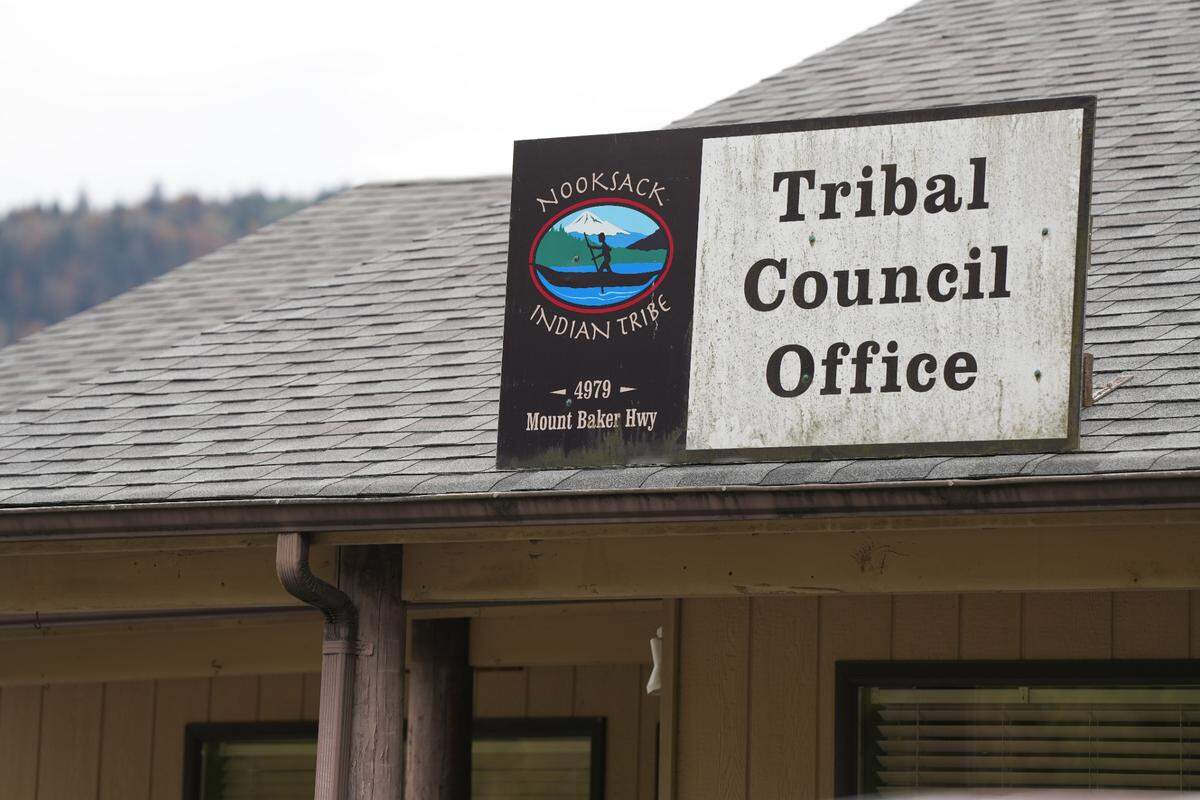
The Tribe owns the land and the housing in question, manages the properties, and is the landlord on the leases with all the tenants involved in the case.
“The ultimate goal would be for them to recognize us as Nooksack — our birthright,” Roberts said. “We’re losing our homes. We’re losing where a lot of our kids have grown up.”
A yearslong battle
The Washington Supreme Court temporarily halted the eviction process in 2022 after a panel of justices granted an injunction requiring the Tribe to wait for the high court to determine whether to take up the case. An October court decision is once again allowing the evictions to move forward.
“Following this final legal ruling, the Nooksack Tribe has decided to offer the current inhabitants the opportunity to stay through the end of the holiday season, with a deadline to leave the properties (if outlined conditions are met) by Dec. 31. Otherwise, as housing policy states, the tenants would have to vacate within 14 days of the court’s ruling,” the Nooksack Tribal Council said in a statement.
The tribe said they would allow the families to stay in their homes through the end of the year if the residents:
- Agree to leave voluntarily.
- Leave the homes in satisfactory condition except for normal wear and tear.
- Remove their personal belongings.
- Agree to become current with all debts by that date.
The families have until Oct. 31 to respond to the offer.
Galanda said he was unsure what the families would choose to do, but ejecting the families “from their homes without due process or just compensation, would be cruel and humiliating.”
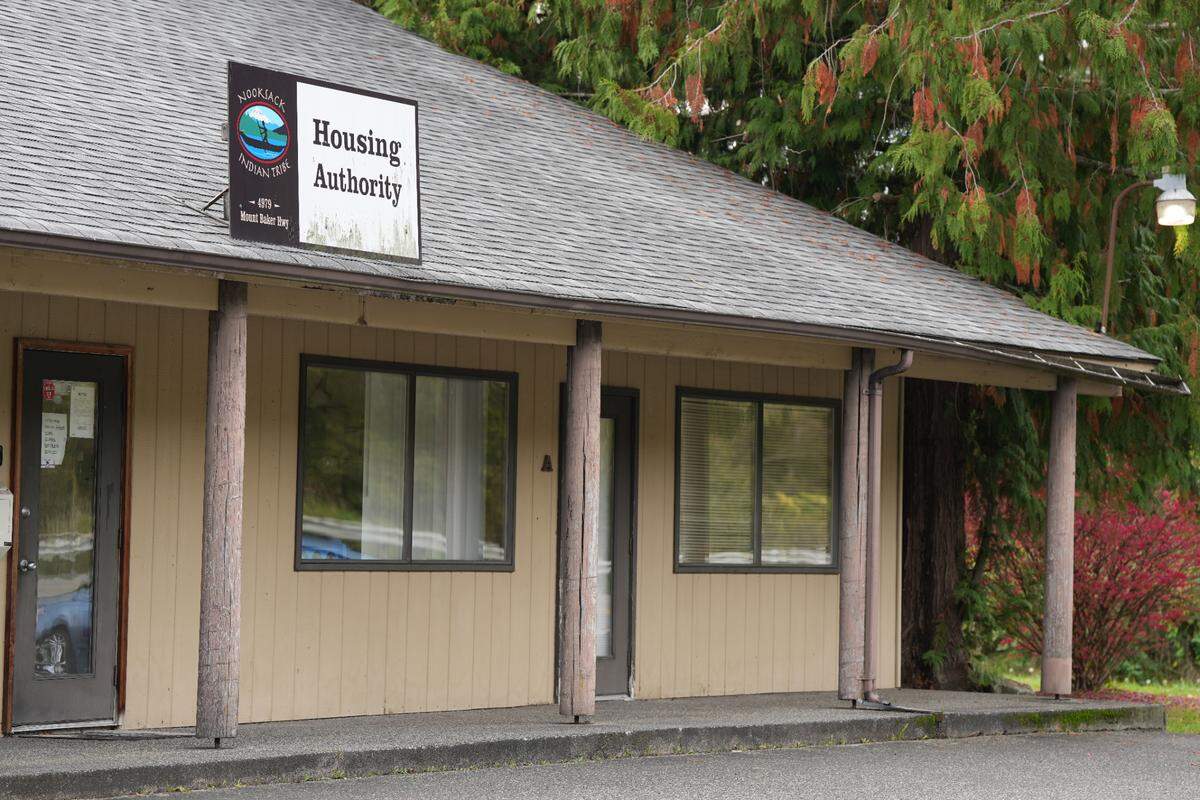
The Nooksack Tribe said it intends to reallocate the properties to other Tribal families on the waiting list for low-income housing, which currently includes more than 214 people — including some unhoused individuals and 15 elders. Nooksack operates 111 housing units reserved for Tribal members.
“The Nooksack Tribe remains committed to allocating resources and support to their Tribal members. The Nooksack Tribe encourages everyone to remain courteous during this time,” the Tribal Council statement says.
An international concern
The United Nations has twice called on the federal government to intervene and prevent the evictions, raising concerns about the welfare of the residents.
The families have asked state and federal officials and agencies for help to prevent the evictions, but to no avail.
The Washington State Housing Finance Commission (WSHFC) has said it cannot intervene in the matter because individual property owners ultimately have the authority, within the law, to determine eligibility standards for tenants.
“This is a heartbreaking situation for the families. We are sad to hear that the evictions are again proceeding, but as before, we have no authority to stop them,” said WSHFC Executive Director Steve Walker in a statement to The Herald. “The Nooksack Tribe has a legal right to require that their renters be Tribal members. Three different courts, including the state supreme court, have already declined to uphold the tenants’ assertion that they are being evicted without good cause.”
This summer, the families also wrote letters to U.S. Sen.Maria Cantwell, a senior member and former chair of the Senate Indian Affairs Committee and Congressional supporter of the LIHTC program, and U.S. Interior Secretary Deb Haaland, the nation’s highest-ranking federal Indian affairs official.
The letters urged the leaders to meet with them and step in to prevent the evictions the families are calling unlawful.
Secretary Haaland did not directly respond to a request for comment from The Herald. But U.S. Interior Assistant Secretary for Indian Affairs Bryan Newland said in a statement that while the Department of the Interior respects Tribal sovereignty and does not have the authority to intervene, it does not support Nooksack’s eviction proceedings.
“The Department of the Interior has been engaged with the families and individuals impacted by the Nooksack Tribe’s planned housing evictions for the past several years through their attorney,” Newland said in the statement. “We have worked across the federal family to explore options for these individuals, including evaluating whether or not their civil rights were violated. After review, we determined and communicated that we do not have the authority to intervene. However, we continue to implore the Tribe’s leaders to stop their planned evictions. While we respect and commit to uphold Tribal sovereignty, we do not support the manner in which these actions are being carried out. There is still time for the Nooksack Tribe to treat its community members with dignity and respect, and it is our hope that it will.”
A Seattle Times editorial earlier this month urges the federal government and Secretary Haaland specifically to intervene and “quickly devise a plan to keep the families in their homes in Whatcom County.”
“If she doesn’t have the political will to do what’s right as the cabinet member in charge of Indian affairs, then Biden himself should intervene,” the editorial states.
When asked for comment, Sen. Cantwell’s office directed The Herald to a quote the Senator provided for the same article:
“I hope the Nooksack Indian Tribe will work with their community members.”
This story was originally published October 20, 2024 at 9:49 AM.