Homeless and a lack of resources: Why this Bellingham family of 8 is living in their car
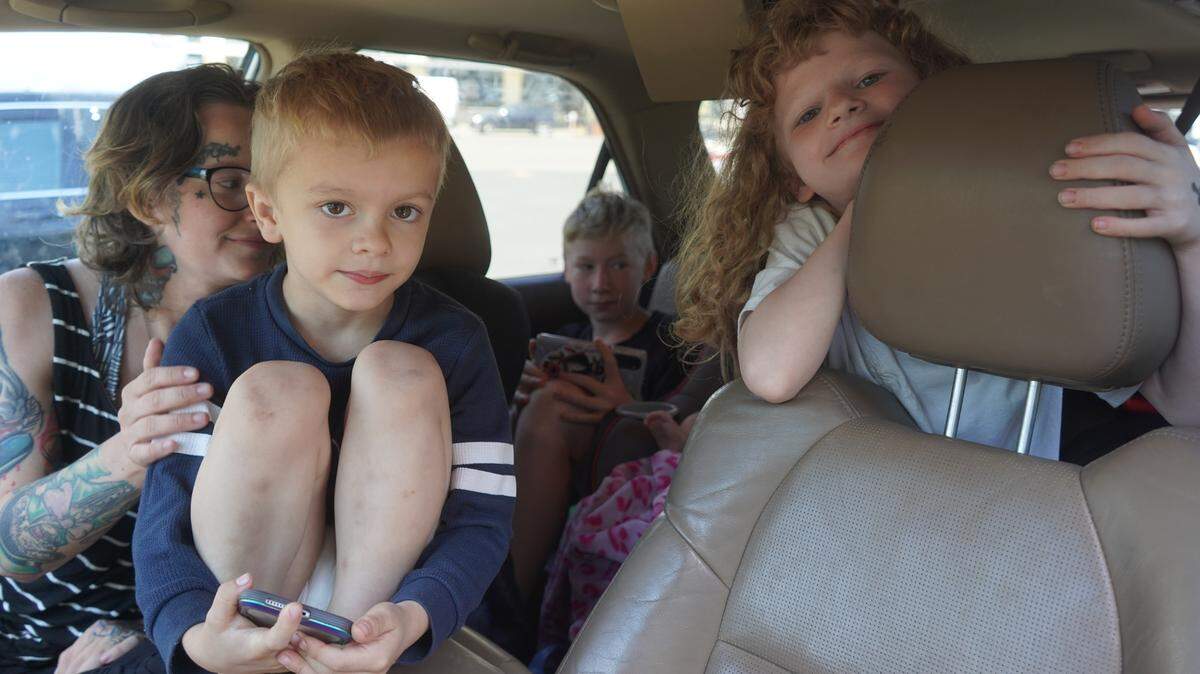
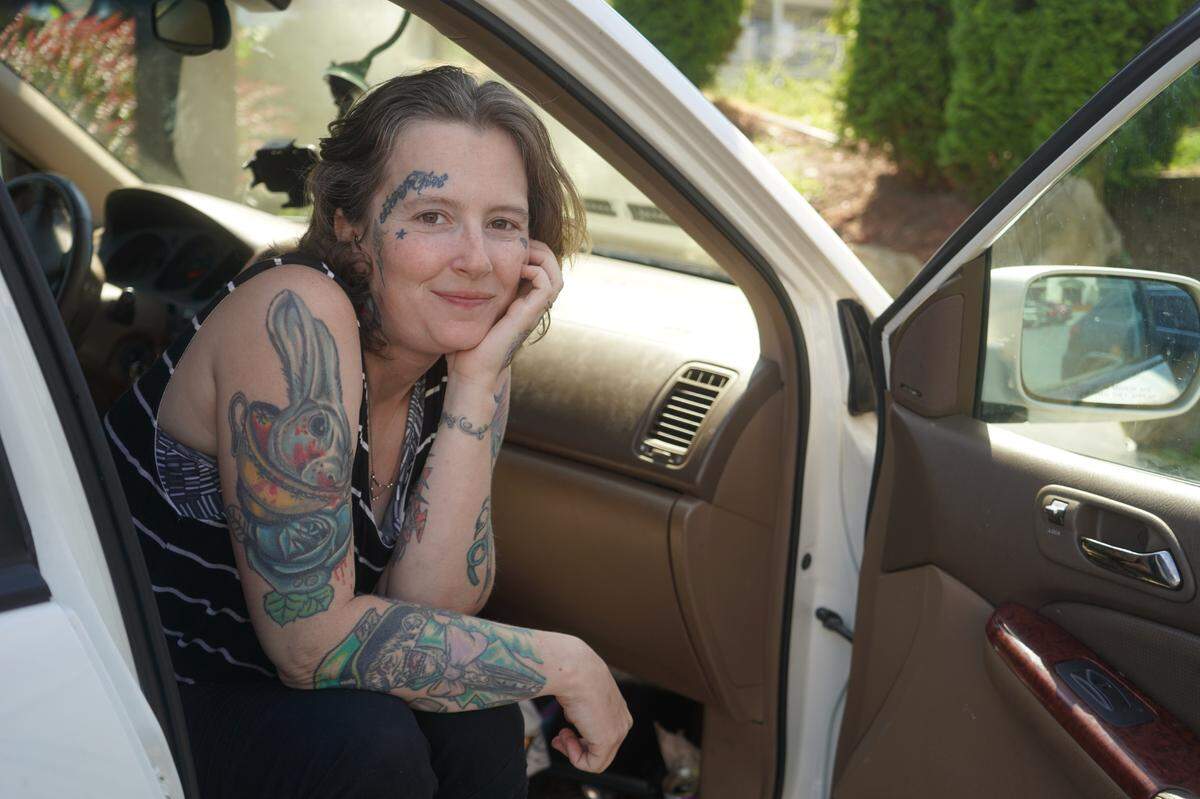
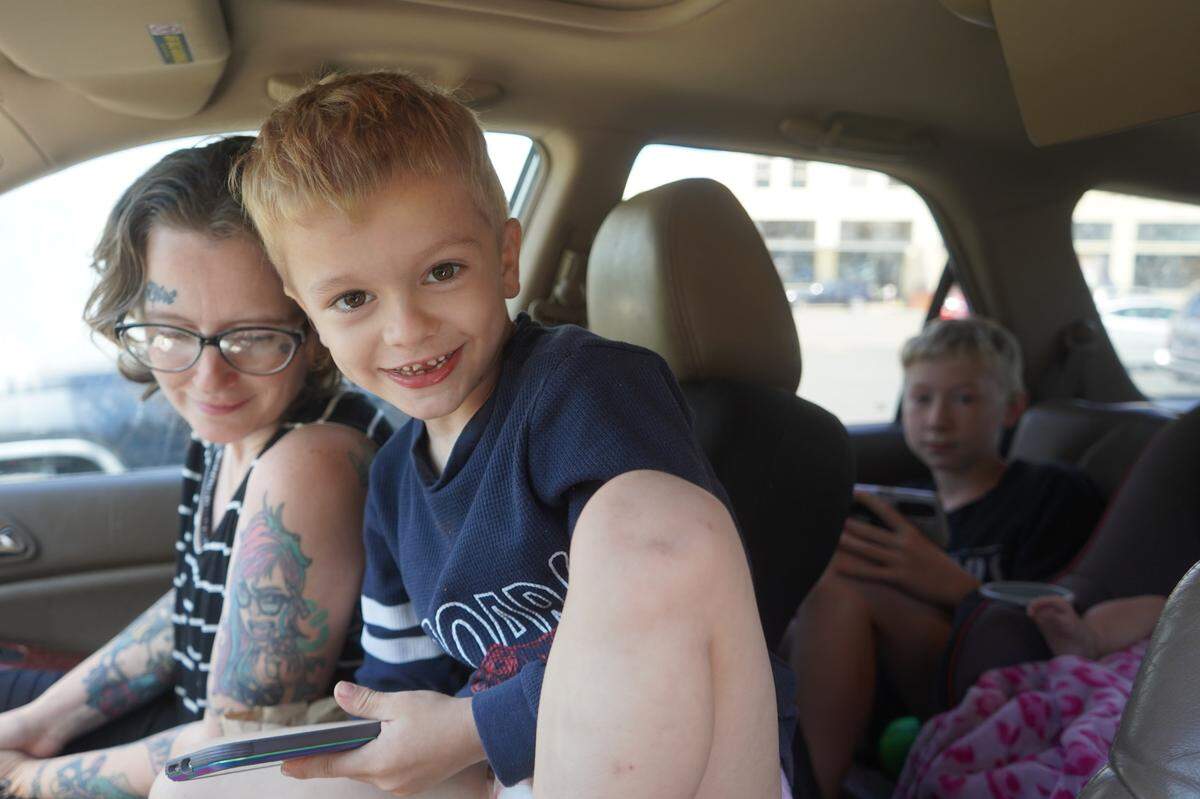
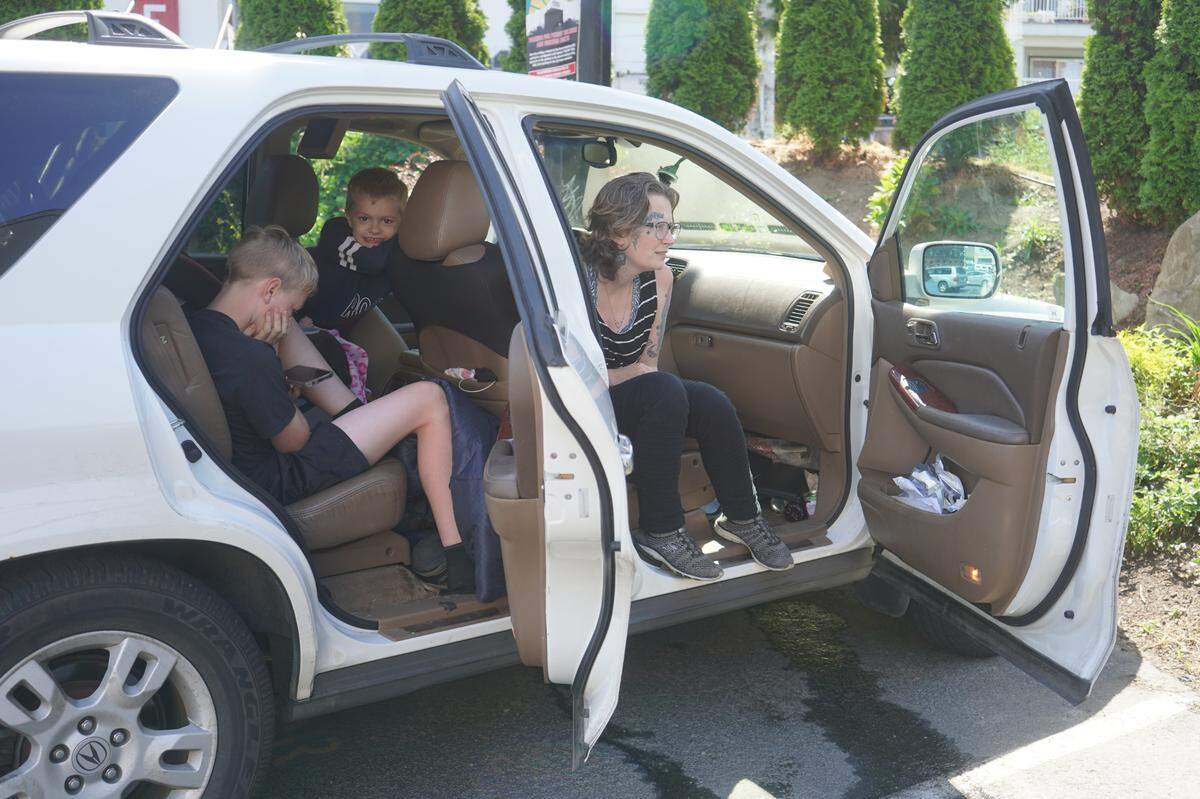
Cassandra is a wife, mother and former Florida business owner who is currently homeless and living in her car with her husband and six children in Bellingham.
After a series of unexpected events, including expensive medical bills and the loss of their home, the family decided to move to Bellingham to be closer to friends and find better work opportunities.
But with the rapidly growing cost of living, they quickly found themselves without a stable place to stay. The family, whose last name we are omitting due to privacy concerns, moved into their vehicle this spring.
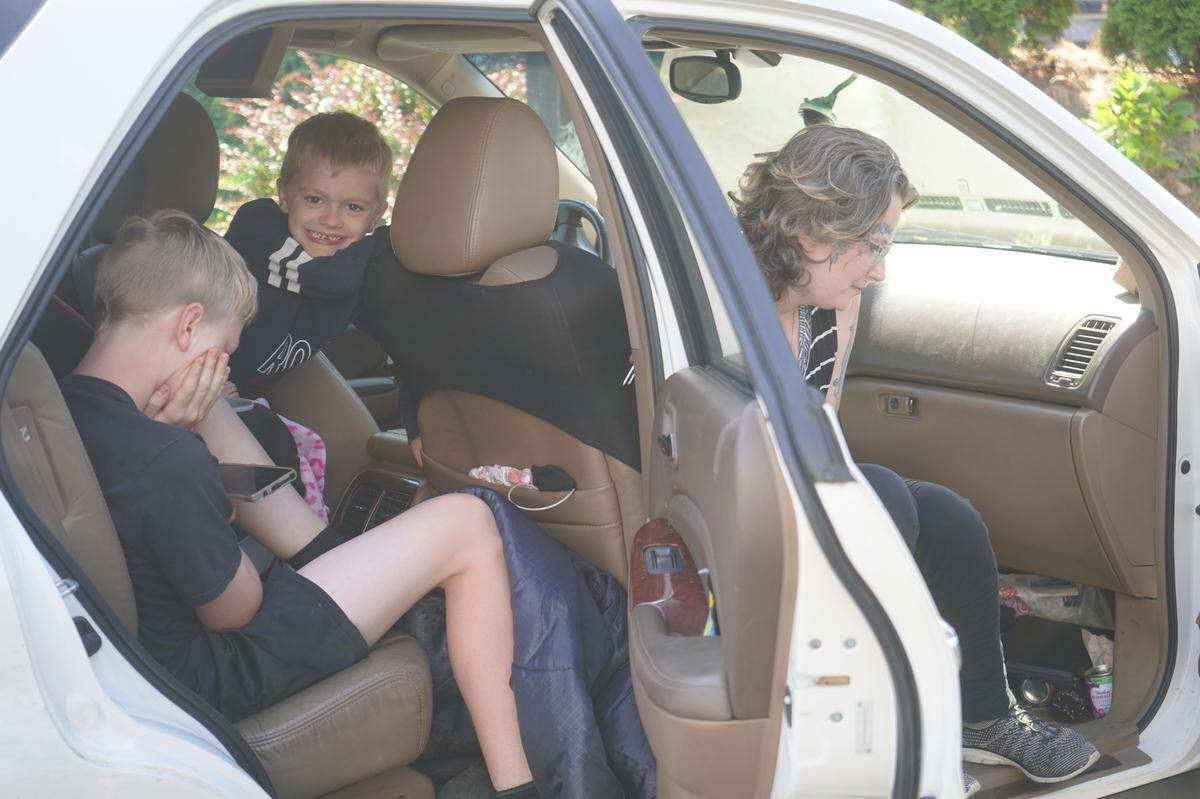
Cassandra’s husband, David, has a full-time job at a local tattoo shop and delivers food for DoorDash when he’s off work to make extra money. The family connected with the Opportunity Council about a month ago to get help finding affordable housing. They’ve also been connected with the Bellingham Housing Authority and Unity Care to get access to resources.
“We will do whatever it takes to come up again. I don’t want to be in a car with six children because I don’t want them to know what this life is,” Cassandra said. “We’re trying to move on but it’s hard.”
Homeless services are in high demand. Even populations that are prioritized, like families with children, are waiting a long time to get help. So the family hasn’t heard back about housing. Cassandra can’t work because she has to take care of the kids, all ranging in age from five months to 12 years old. The money David makes is only enough to put gas in the car and buy what the family needs on a daily basis — things like food and diapers.
“Even when (David) makes $500 to $600 a week, it’s gone in two to three days,” Cassandra said. “We’re trying to save for a house and we can’t because we’re spending all of the money on necessary things that we need.”
Without help from available services, the family won’t be able to get into housing. For now, they’re stuck in the car.
The challenge of meeting the need
This family’s situation isn’t unique in that an increasing number of people, particularly families with children, are experiencing homelessness.
“Since the pandemic, we have seen unprecedented numbers of families with children (among other populations) become homeless and apply for housing services,” Opportunity Council’s Whatcom Homeless Service Center Director Teri Bryant said in a statement to The Bellingham Herald. “The volume of need has always been in excess of the homeless housing system’s resources, but I’m afraid the housing crisis coupled with the pandemic has really led our system to the breaking point in many ways.”
Even just a few years ago, the Opportunity Council was able to provide case management to every family with children who applied, according to Bryant. Now the need has overwhelmed capacity.
Whatcom County’s community resources also don’t stretch as far as they did in the past. With rents climbing, families need more assistance for longer periods of time.
“It costs a lot more to assist households than it used to,” Bryant said.
While families wait for assistance, Bryant encourages them to meet with the Opportunity Council’s Community Resource Center specialists to work on support with access to basic needs or employment support.
The rate of homelessness is rising
The number of people experiencing homelessness in Whatcom County surpassed 1,000 for the first time this year, according to the most recent Point-in-Time Count. Those are just the people who were able to be documented in one day. Overall, homelessness increased by 27% from last year to 1,059 people in Whatcom County, according to the report, which was conducted in cities and states nationwide on Jan. 26.
Homelessness in Whatcom County was previously at its highest level in more than a decade in 2021, when 859 people were homeless — the most since the nationwide count began in 2008, according to previous reporting by The Bellingham Herald.
The rates of homeless families with children continue to rise. From 2021 to 2023, the number of homeless families counted averaged 88 households. From 2018 to 2020, the average was 68. Juveniles accounted for 15% of all unhoused individuals identified in 2023. The youngest person counted was an infant less than a year old.
Individuals and families seeking help to get out of homelessness through the Whatcom County Homeless Service Center are added to a database called the Housing Pool, where they wait for referrals to appropriate services matching their needs.
Annual applications to the Housing Pool increased about 31 percent, from 781 households in 2018 to 1,071 households in 2022, according to the city of Bellingham’s Consolidated Housing Plan. Thirty percent of those who applied to the Housing Pool in 2022 were families with children.
From 2018 to 2022, families with children applying for services through the Whatcom Homeless Service Center increased by 71 percent. In 2022, over half of the new intakes for the Housing Pool were people in families with children.
The cost of living
Data shows that as housing costs increase, more people become homeless. Home and rent prices have escalated dramatically, and too many people are paying more than they can afford for housing.
As of July, the average rent for a 1-bedroom apartment in Bellingham is $1,450. This is a 12% increase compared to the previous year, according to data from Zumper.
Increasing housing costs, especially rent, put low-income families at higher risk of housing instability when their incomes cannot keep up.
In Bellingham, 56% of renters are cost-burdened, meaning more than 30% of their income goes toward housing. Renters living throughout Whatcom County spend a median of 32.9% of household income on housing costs, according to data from the U.S. Census Bureau’s 2017-21 American Community Survey.
Update:
A GoFundMe page was started on Aug. 9 to help the family purchase basic necessities and save money for rent. The financial goal of the fundraiser is $10,000.
This story was originally published August 2, 2023 at 5:00 AM.