This trail icon must be torn down, Bellingham says
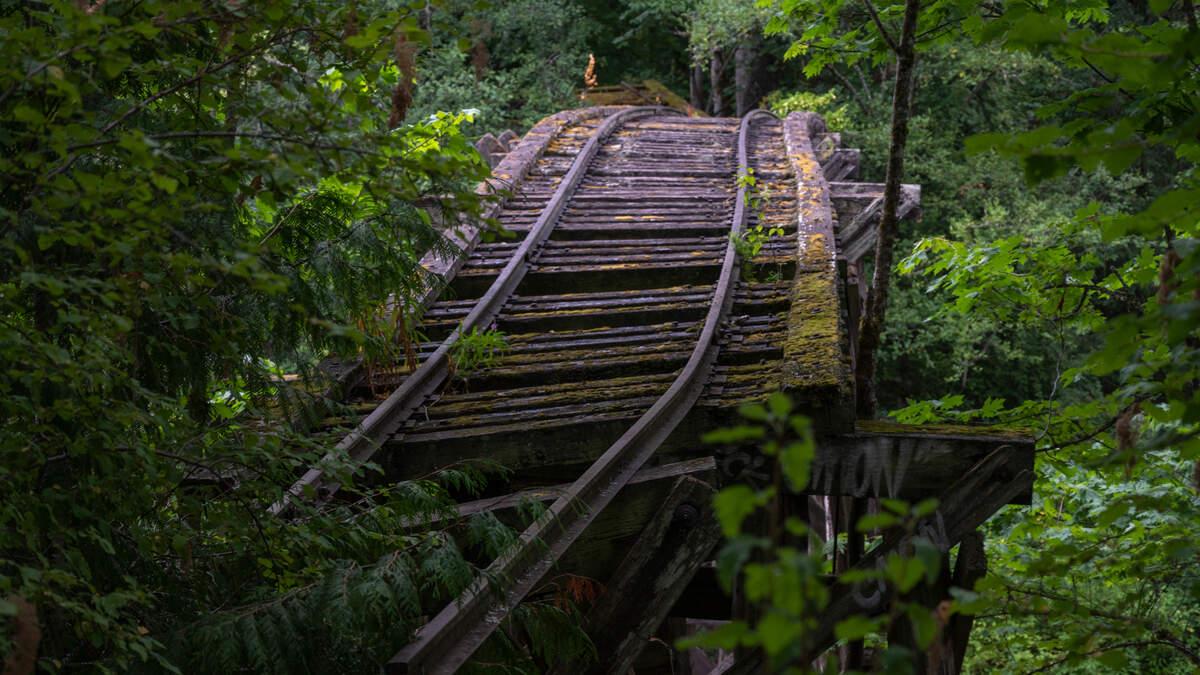
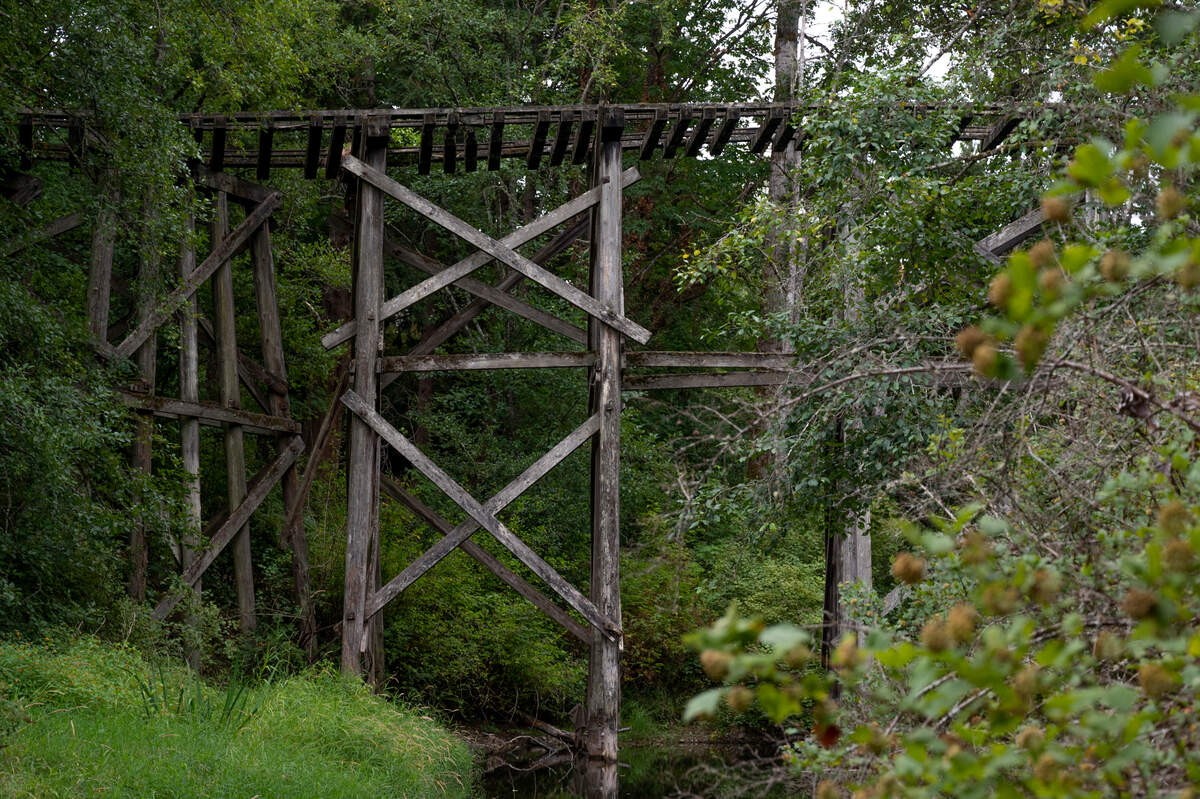
A century-old railroad trestle in Whatcom Falls Park is leaning dangerously and must be dismantled, and a trail detour through the area will remain in place until summer 2022.
A recent engineering report shows that the railroad bridge, where steam engines pulled cars full of old-growth timber logged from the hills around Lake Whatcom, doesn’t contain hazardous materials, Nicole Oliver, director of the Bellingham Parks and Recreation Department, told The Bellingham Herald.
But “it is really not safe,” Oliver said. “Don’t go near it.”
Maps call it the Milwaukee Road wooden railroad trestle, and it crosses Whatcom Creek on the south end of the Railroad Trail, north of Derby Pond.
Built in 1916, the trestle linked the former Larson Mill, near the current Bloedel Donovan Park, to shipping piers at Bellingham Bay, according to the Bellingham Whatcom County Tourism website.
Bridgehunter.com reports that the trestle was abandoned in 1963 after the mill burned.
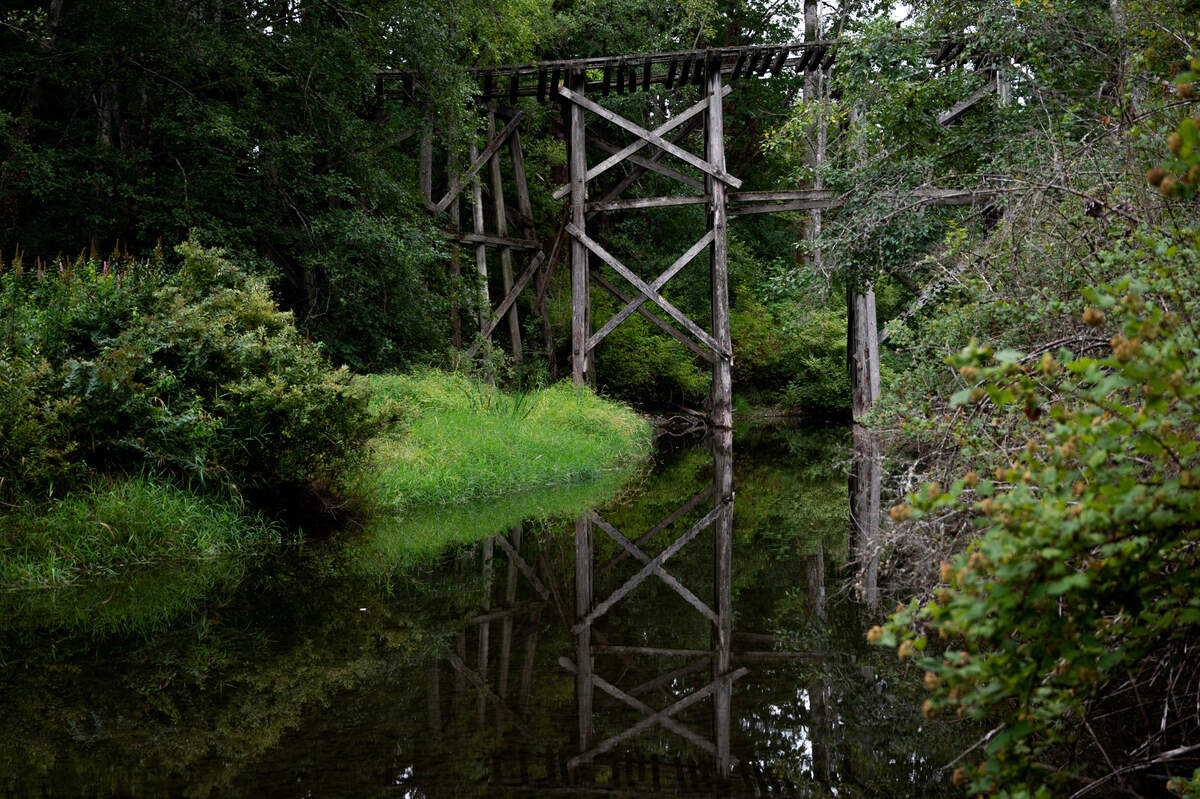
A Wikipedia entry citing historical documents says it was part of the Bellingham Bay and British Columbia Railroad, which served the city of Whatcom, one of four cities that became Bellingham, and Sumas, where it connected to the Canadian Pacific Railway.
City records show that at least part of the trestle dates to the late 1800s, but its complete history is unclear, Oliver said.
A contractor was hired in May, when “it was brought to our attention that it was really leaning” and trail detours were posted, Oliver said.
“We just got our materials testing completed on the trestle and have determined the structure isn’t hazardous. It is, however, going to require just about every agency review of the permits to remove the structure,” Oliver told The Herald in an email. “This is a fish-bearing creek in a shoreline of state significance and a historic structure, so we are just finalizing a scope of work with a consultant to get all these permits together and bid the demolition.”
Cost to remove the trestle was estimated at $200,000, Oliver said.
Oliver said the work can only be done during the summer “fish window” for working in salmon-bearing streams, and it will require heavy equipment.
That means that the trail past the trestle will be blocked through at least summer 2022.
Parks crews built a mulch trail bypass for hikers, but bicyclists and people with strollers are directed to a detour that uses bike lanes on nearby Electric Avenue.
This story was originally published August 23, 2021 at 5:00 AM.