They’re who you call in Whatcom when the furnace isn’t working. Here’s their advice
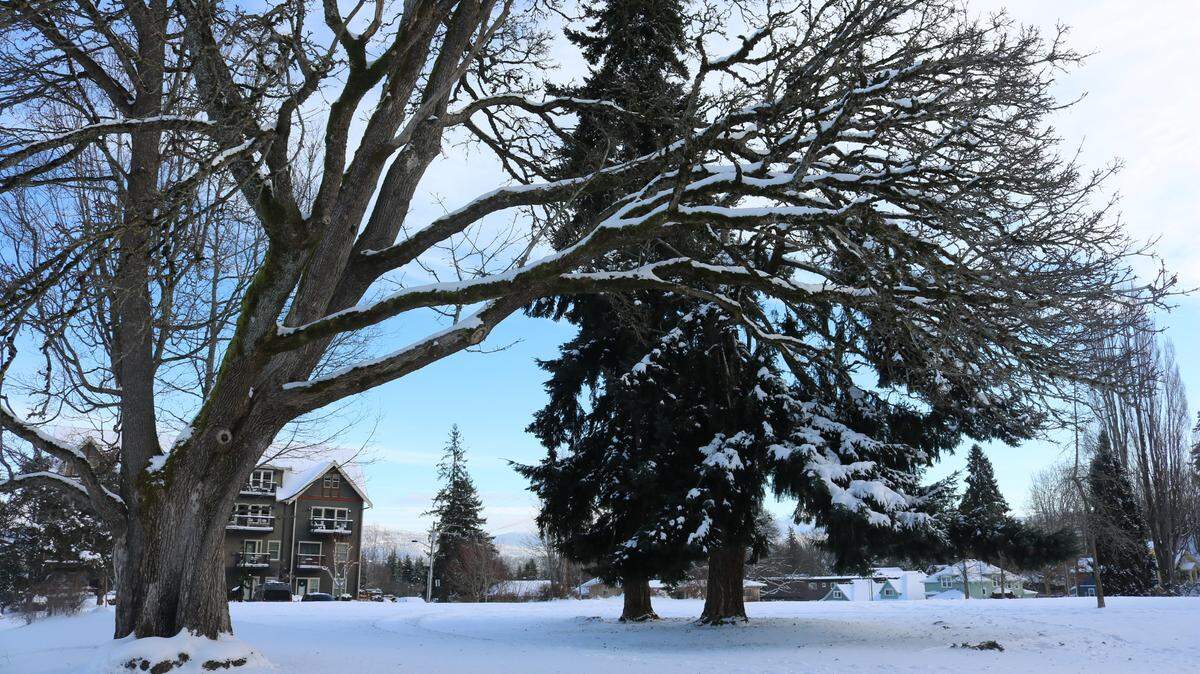
The arctic freeze that has settled over Whatcom County is testing everyone’s home heating systems, prompting a surge of phone calls to local service companies.
Up in Lynden, which has had some of the most bitter cold temperatures in the county because of the Fraser Outflow winds, residents have had a very difficult time keeping their homes warm. Bobbi Kreider, co-owner of Lynden Sheet Metal, said the phone calls overloaded the company’s message system over the weekend.
After the company’s voicemail message system reached its limit, call were forwarded to her cellphone. At one point Kreider had 15 voicemail messages on her personal phone.
Kreider said most of the phone calls were related to heating systems that either stopped working or weren’t keeping the house warm enough. A common problem is when a thermostat is at a lower setting at night, making it hard for the heating system to get the temperature back up to the daytime setting.
“Get your home to a comfortable temperature and let it stay there,” Kreider said in a news release. “It’s easier to maintain a temperature than get it back up.”
Temperatures dropped to 9 degrees early Monday morning, Dec. 27, at the Bellingham International Airport. Combine that with the winds and it felt like -14 degrees at 5 a.m. at the airport.
The company, which serves a wide area of northwest Washington, also had to deal with the challenges of getting around with icy road conditions. Adding to the challenge are supply-chain issues if a customer needs parts to fix a heating system, Kreider said.
“It’s just slow, slow going,” she said. “It takes longer to help people.”
John Barron of Barron Heating AC Electrical & Plumbing agreed, saying that it is difficult getting crews out to customers. He also said that heating systems “are working harder than they ever have,” and are better off maintaining a constant temperature than trying to warm up a house from this cold.
In a news release, Barron also suggested that people set faucets to drip or trickle hot water and open cabinets with pipes inside so indoor heat can reach them. Hot water lines freeze first, Barron said. Remove hoses from outdoor faucets and close crawl space vents, he added. Those steps will help keep pipes from freezing, Barron said.
High demand for service calls comes at a time when there is a shortage of technicians.
“We could all use twice as many technicians as we have,” said Barron, who praised his crew for working long hours during a holiday weekend and frigid weather.